How to Boost Immune System A Practical Guide

Wondering how you can boost your immune system? Forget the quick fixes and magic pills. The real secret lies in building consistent, healthy habits that give your body a solid foundation for defence. It all comes down to a balanced diet, quality sleep, and smart lifestyle choices.

Building a More Resilient Immune System

Image

Let’s be honest: strengthening your immune system isn't about one single action but about creating a robust, long-term defence. It’s a daily practice, built on smart habits that give your body the tools it needs to protect you. This guide is designed to cut through the noise and show you exactly what works.

We’ll explore the real-world strategies that make a tangible difference, from the food on your plate to the quality of your sleep. Understanding how your body's natural defences work is the first step to supporting them properly, especially with Australia's unique seasons and the different viruses we face.

Understanding the Immune Challenge

It's easy to get tunnel vision and focus on just one threat, like the flu, but our bodies are constantly navigating a complex environment of different pathogens.

For instance, recent Australian health data showed that several viruses circulate at once. Between January and August 2025, detections in patients with flu-like symptoms were led by rhinovirus at 34.9%, followed closely by influenza (29.5%), and then SARS-CoV-2 (10.0%). You can read the full Australian respiratory surveillance report for a deeper dive.

What does this really mean? It proves a resilient immune system needs to be ready for multiple challenges, not just one. A broad-spectrum approach to health is far more effective than targeting a single virus.

This guide provides a complete playbook for long-term health, covering the essential pillars of wellbeing:

  • Actionable Nutrition: Fuelling your body with the right vitamins and minerals.
  • Stress Management: Taming chronic stress to keep your defences strong.
  • Effective Exercise: Finding the right balance of movement and rest.
  • Targeted Medical Support: Using modern medicine to sharpen your protection.

By focusing on these key areas, you can build a truly resilient immune system ready for anything.

Fueling Your Body's Natural Defences

When it comes to boosting your immune system, what you eat is easily one of the most powerful tools in your arsenal. I like to think of immune cells as a highly trained army – and the food you eat is their fuel, armour, and ammunition. Without the right nutrients, their ability to seek and destroy pathogens weakens dramatically.

The good news? Nature provides an incredible abundance of immune-supporting foods, many of which are grown right here in Australia. Focusing your plate on whole foods packed with key vitamins and minerals is the true foundation of a resilient defence system.

The Power Players On Your Plate

Certain nutrients are famous for their immune-boosting properties, and for good reason. They play direct, hands-on roles in how our immune cells are made and how well they function. If you're looking for a simple grocery list refresh, start by making sure you're getting enough of these three key players.

  • Vitamin C: This is an antioxidant powerhouse. Vitamin C is crucial for helping immune cells mature and function correctly. Think beyond just oranges—vibrant Riverina citrus, Queensland red capsicums, and kiwifruits are all exceptional local sources.
  • Zinc: This essential mineral is vital for developing and activating T-cells, a type of white blood cell that helps control and regulate immune responses. You can find it in Aussie nuts like macadamias, as well as seeds, lean meats, and shellfish.
  • Vitamin D: Often called the "sunshine vitamin," Vitamin D is brilliant at helping to modulate immune responses. While sunlight is our main source, you can top up your levels by eating fatty fish like Tasmanian salmon, eggs, and fortified milk, which is especially important during the winter months.

Your diet is a collection of signals you send to your body. Nutrient-dense foods send signals of strength and readiness, equipping your immune cells to perform at their peak and effectively defend against illness.

To help you get a clearer picture of what to look for, here's a quick summary of the most important nutrients for a strong immune system and where to find them.

Key Immune-Boosting Nutrients and Their Food Sources

Nutrient Role in Immunity Top Australian Food Sources
Vitamin C Supports various immune cell functions and acts as a powerful antioxidant. Citrus fruits (oranges, lemons), red capsicums, kiwifruit, broccoli, strawberries.
Vitamin D Modulates immune responses and helps regulate the production of immune cells. Sunlight exposure, fatty fish (salmon, mackerel), eggs, fortified milk and cereals.
Zinc Crucial for the normal development and function of cells mediating immunity. Oysters, lean red meat, poultry, nuts (macadamias, almonds), seeds (pumpkin, sunflower).
Vitamin A Helps maintain the integrity of mucosal barriers (e.g., in the gut and lungs). Sweet potatoes, carrots, spinach, kale, eggs, liver.
Selenium An antioxidant that helps lower oxidative stress in the body, which reduces inflammation. Brazil nuts, seafood (tuna, sardines), poultry, whole grains.
Iron Essential for the proliferation and maturation of immune cells. Red meat, poultry, beans and lentils, tofu, spinach, fortified breakfast cereals.

This table is a great starting point, but remember that the key is variety. Eating a rainbow of different foods ensures you're getting a broad spectrum of all the vitamins, minerals, and phytonutrients your body needs to stay strong.

Your Gut: The Immune System's Headquarters

Here’s a secret that’s often overlooked: a robust immune system starts in your gut. It might sound surprising, but a staggering 70-80% of your immune cells actually live in your gut. This makes its health absolutely critical for your body's overall defence.

The trillions of bacteria living there form a complex ecosystem known as your gut microbiome. A healthy microbiome helps regulate inflammation and communicates directly with your immune cells, essentially training them to tell the difference between a friend and a foe.

To support this powerful internal army, you need to prioritise two things: fibre and probiotics.

High-fibre foods—like wholegrains, legumes, and a wide variety of vegetables—act as prebiotics. Think of prebiotics as the food that your good gut bacteria thrive on. Probiotics, found in fermented foods like Greek yoghurt, kimchi, and kombucha, directly introduce more of these beneficial bacteria to your system.

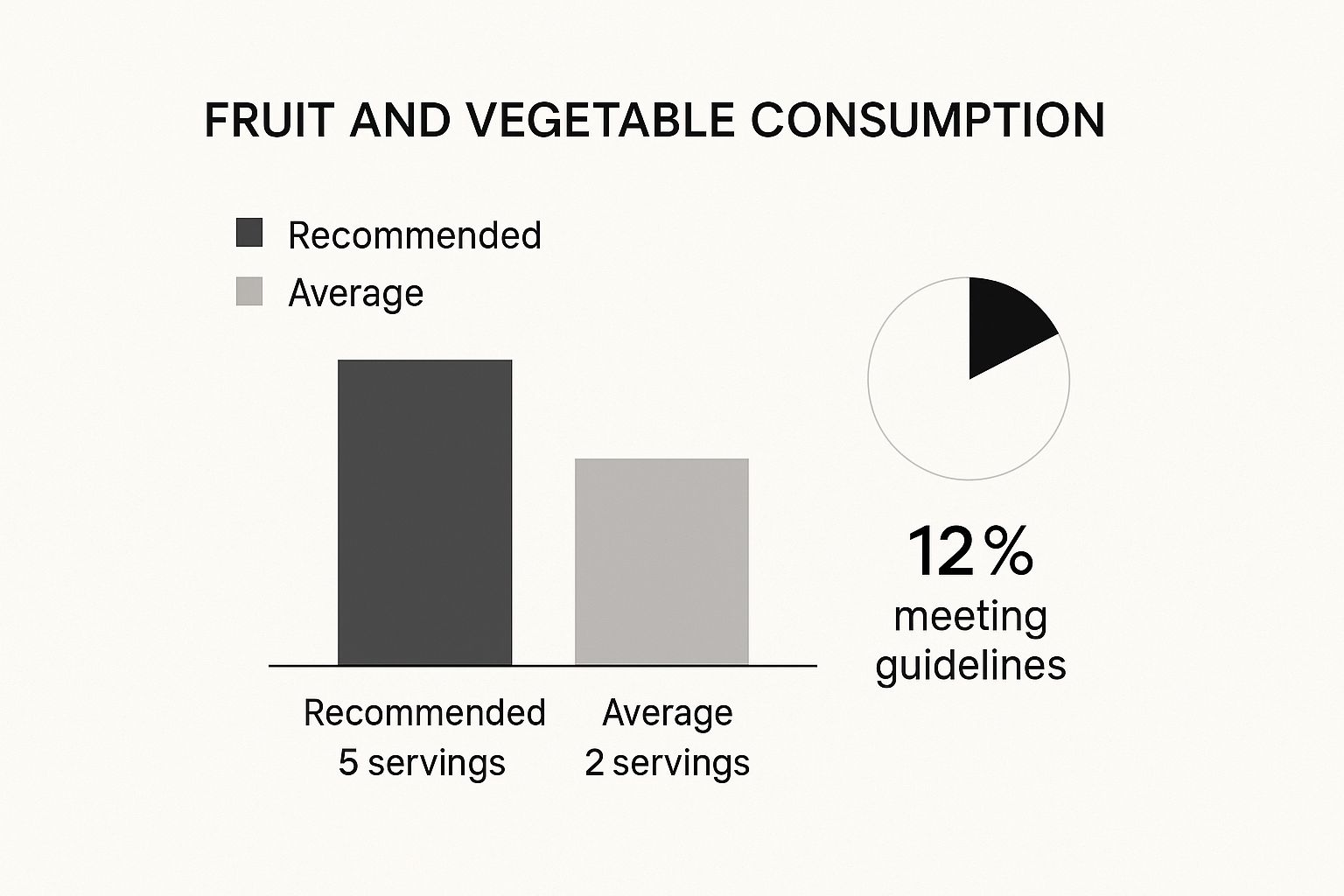
Just how far are most of us from this ideal? This chart paints a pretty clear picture, comparing the recommended daily fruit and vegetable servings against the national average.
Image

The data clearly shows a huge gap. Very few Australians are meeting the minimum guidelines needed to properly fuel their gut and immune health.

Turning this knowledge into consistent action is what really matters. Practical tools like a simple weekly meal planner can make a world of difference in staying on track. For more hands-on guidance, our detailed guide on how to meal prep can help you transform your weekly grocery run into a powerful immunity-building routine.

The Overlooked Pillars of Immunity: Sleep and Stress

Image

While your diet provides the essential building blocks for a strong immune system, there are two other factors that often dictate how well your body can actually use them: sleep and stress.

Think of them as the commanders of your immune army. When they're out of balance, your body’s entire defence network can become disorganised and ineffective, no matter how well you eat.

Reclaiming Your Rest for Better Immunity

So many of us underestimate the profound impact of consistent, high-quality sleep. It’s not just about clocking off; it’s during these crucial hours that your body performs essential maintenance. Your immune system releases proteins called cytokines—some help promote sleep, while others are vital for fighting off infection and inflammation.

When you skimp on sleep, the production of these protective cytokines drops. This leaves you far more vulnerable to any viruses you might encounter. It's a direct line of cause and effect. Learning how lack of sleep affects your immune system really brings home its deep impact on your body's defences.

Improving sleep isn't just about logging more hours; it's about enhancing the quality of that rest. Small, consistent tweaks to your evening routine can make a huge difference.

Here are a few practical strategies that work wonders:

  • Create a Digital Sunset: Make a rule to switch off screens—phones, tablets, TVs—at least an hour before bed. The blue light they throw out can seriously interfere with your body's production of melatonin, the hormone that regulates your sleep-wake cycle.
  • Establish a Wind-Down Ritual: Swap out the endless scrolling for something that signals to your brain it’s time to switch off. Reading a book, listening to calming music, or taking a warm bath are all great ways to unwind.
  • Optimise Your Environment: Keep your bedroom cool, dark, and quiet. Blackout curtains and a white noise machine can be a game-changer, especially for light sleepers.

Sleep is not a luxury; it is a non-negotiable biological necessity. Prioritising it is one of the most powerful and direct ways to bolster your immune function and build genuine resilience against illness.

Managing Stress to Protect Your Defences

The second pillar, stress management, is just as critical. When you're chronically stressed, your body is flooded with the hormone cortisol. While it’s useful in short bursts for "fight or flight" situations, persistently high levels of cortisol can actually suppress your immune system's effectiveness.

This hormonal imbalance can throw your entire immune response out of whack, making you more susceptible to infections and even slowing down your recovery time when you do get sick.

It's a stark reminder of how our mental wellbeing directly influences our physical health. For more on this connection, you might find it helpful to explore the best foods for mental health that can support a calmer state of mind.

Finding simple, actionable ways to manage daily stress is key. This doesn’t have to be complicated. It could be a five-minute breathing exercise at your desk or a weekend walk in one of Australia’s beautiful parks.

It's encouraging to see public health bodies recognising the importance of these practices. According to provisional mortality statistics, there were 72,508 deaths in Australia in the first five months of 2025. National strategies are now actively promoting immune-supporting habits like nutrition and physical activity to help reduce preventable deaths, showing a real commitment to a healthier future for everyone.

Finding Your Balance with Movement and Moderation

Regular movement is a powerful ally in your mission to boost your immune system, but it's a relationship that’s all about balance. Think of moderate exercise as a way to get your immune cells moving and grooving. It improves blood circulation, which means your white blood cells—the soldiers of your immune system—can travel through your body more efficiently to find and fight off pathogens.

This doesn't mean you need to start training for a marathon tomorrow. Honestly, consistency is far more important than intensity. A brisk 30-minute walk along The Strand here in Townsville, a weekend bike ride, or a local gym class a few times a week is the sweet spot. These activities are just enough to get the benefits without putting excessive strain on your body.

The real goal is to create a sustainable routine that energises you, rather than drains you. Fuelling these workouts is also a huge part of the equation; you need consistent energy to perform and recover well. For a little inspiration on what to eat before you get moving, have a look at our guide to the best breakfast foods for energy.

The Tipping Point of Overtraining

While a good workout is a massive plus for your health, there's a point where too much of a good thing can seriously backfire. Pushing your body too hard, too often, without giving it time to recover can lead straight to overtraining syndrome. It’s a state of chronic fatigue that can temporarily suppress your immune function, leaving you feeling rundown and vulnerable.

Intense, prolonged exercise—like the kind elite athletes do—creates a short-term dip in your body's defences, a period often called the "open window." During this time, your body is more susceptible to infections. Now, for the average person, this isn't a major concern, but it does highlight the absolute necessity of rest and recovery days in any fitness plan. It’s so important to listen to your body.

Your body rebuilds and strengthens itself during rest, not during the workout itself. Skipping recovery days is like trying to build a house without letting the foundation set—eventually, it will weaken.

The Impact of Alcohol on Immunity

Just as we need balance with exercise, moderation is essential when it comes to alcohol. Enjoying a drink with friends is a common part of our social lives here in Australia, but it’s worth understanding how it affects your body’s defences.

Going overboard with alcohol can directly impair the function of key immune cells, reducing their ability to fight off infections. It also messes with the delicate balance of your gut microbiome—which, as we know, is basically the headquarters of your immune system. This can lead to a leaky gut, allowing harmful bacteria to slip into the bloodstream and trigger inflammation.

Australian health guidelines recommend no more than 10 standard drinks per week and no more than 4 standard drinks on any one day to minimise health risks. This isn't about cutting out alcohol completely, but simply being more mindful of its effects.

Here are a few practical tips to keep in mind:

  • Alternate with Water: For every alcoholic drink, have a glass of water. It keeps you hydrated and helps you pace yourself.
  • Opt for Low-Alcohol Options: There are some fantastic-tasting low or no-alcohol beers and wines available these days.
  • Set Your Limit: Before you go out, decide how many drinks you’ll have and stick to it.

By finding a healthy equilibrium with both movement and moderation, you give your immune system the steady, reliable support it needs to function at its absolute best.

Using Modern Medicine to Sharpen Your Defences

Image

While healthy habits are the absolute foundation for a strong immune system, sometimes we need a more specialised tool in our kit. Think of it this way: your diet and lifestyle build a strong fortress, but modern medicine provides the highly targeted defences against specific, known threats.

Vaccinations are essentially a training camp for your immune system. They give your body a safe, controlled look at a pathogen—or a piece of it—so your immune cells can learn its tactics. This process creates "memory cells" that are ready to spring into action if the real threat ever appears.

It’s not about choosing one over the other. The strongest defence is always a combination of natural, everyday wellness and the proven, scientific protection that medicine can offer.

The Annual Flu Shot: A Smart Move for Aussies

Here in Australia, the annual flu shot is one of our most important seasonal defences. The influenza virus is a master of disguise, constantly changing its appearance. That’s why a new vaccine is developed each year to match the strains we expect to see circulating.

Getting the jab isn't just about protecting yourself; it’s about creating a circle of protection for the most vulnerable people in our community, like little kids and the elderly.

The numbers speak for themselves. Australian health surveillance reports consistently show that vaccinations drastically reduce flu-related hospitalisations. Take the 2025 flu season, for instance: by early May, Queensland had already seen 63 hospitalisations. A significant 62% of those cases were in adults aged 65 and over. This is a critical point, as this is the very age group with high vaccination rates—in 2023, over 76% of adults 65+ got their flu shot. For a deeper dive into the data, the Immunisation Coalition website is an excellent resource.

Vaccinations act like a targeted intel briefing for your immune cells. They provide the specific information needed to recognise and neutralise a known threat before it can establish a foothold and cause significant harm.

Staying Up to Date for Long-Term Resilience

Beyond just the yearly flu shot, keeping all your immunisations current is a key part of any smart, long-term health plan. A quick chat with your GP is all it takes to get a personalised schedule that fits your age, health, and lifestyle.

This proactive mindset ensures your immune system’s "memory bank" is fully stocked and prepared for whatever comes its way. By pairing your great lifestyle choices with the targeted support of modern medicine, you’re giving your body the most comprehensive protection possible. It's a powerful combination that truly sets you up for long-haul resilience.

Your Top Immunity Questions, Answered

When you start digging into how to support your immune system, it's totally normal for questions to pop up. We get asked all the time about the specifics, so let's clear up some of the most common ones and help you turn that knowledge into confident, practical action.

Can I Boost My Immune System Quickly?

This is the big one, especially when you feel that first tickle in your throat. While you can't just flip a switch and instantly "boost" your immune system, you can absolutely give it the support it needs to respond right away.

The moment you start to feel a bit off, your focus should be on giving your body the best possible fighting chance. That means getting back to basics with simple, powerful actions: drink plenty of water, get more rest than you think you need, and stick to nutrient-dense foods like a veggie-packed soup or a warm broth. Some studies suggest taking zinc right at the start of symptoms might shorten a cold, but think of this as support, not a miracle cure.

It's less about turbo-charging your immune system and more like giving your internal army the right supplies and enough rest to win the battle. Consistent, long-term habits will always do more for your overall resilience than any last-minute fix.

Are Expensive Supplements Necessary?

For most of us eating a varied and balanced diet, the short answer is no. A "food-first" approach is always going to be the better strategy. Whole foods give you a complex mix of vitamins, minerals, fibre, and antioxidants that all work together beautifully—something a pill just can't replicate. Your body is designed to absorb nutrients from food much more effectively than from isolated supplements.

Where supplements can be useful is for correcting a specific, medically diagnosed deficiency, like low Vitamin D levels during the darker winter months. But this is a conversation to have with your doctor. Honestly, the money spent on expensive pills is often better invested in high-quality, fresh, local produce.

How Much Exercise Is Too Much?

Regular, moderate exercise is brilliant for immunity. The Australian guidelines suggesting around 150 minutes of brisk walking, cycling, or swimming per week is a fantastic target to aim for. This kind of activity gets your circulation going and helps your immune cells do their job of patrolling for pathogens more effectively.

But yes, there is a tipping point. Pushing yourself through prolonged, high-intensity training without enough rest can temporarily suppress your immune function, creating an "open window" where you're more vulnerable. This is mainly a concern for elite athletes who have to be strategic about recovery. For the average person, the real risk isn't overdoing it—it's doing too little.

Does Age Weaken My Immune System?

It's true, age is a factor. As we get older, our immune response can naturally become a bit less robust. But that absolutely does not mean you’re helpless against it.

In fact, this is when all the core principles we've talked about become even more crucial. Prioritising good nutrition, staying active, managing stress, and keeping up with key vaccinations like the annual flu shot are exceptionally powerful tools for older Australians. These habits can make a huge difference in your immune resilience and support vibrant health at any age.


At Absolute Cravings, we believe that nourishing your body should be a delicious and joyful part of your day. Our menu is packed with fresh juices, healthy smoothies, and nutrient-dense meals designed to support your wellness goals. Swing by our cafe next to the Palmetum Gardens to fuel your body’s defences. Explore our menu today!

10 Best Foods for Weight Loss: A 2025 Guide

Embarking on a weight loss journey isn't about deprivation; it's about smart nourishment. The key lies in choosing foods that work with your body, not against it. This means prioritising options that are high in nutrients, promote satiety (the feeling of fullness), and support a healthy metabolism. Forget bland, restrictive diets. True, sustainable weight management comes from embracing vibrant, delicious foods that fuel your body efficiently.

In this guide, we'll explore the top 10 powerhouse foods that are scientifically shown to aid weight loss. We'll break down why they're so effective and provide practical tips on how to incorporate them into your daily meals. We will delve into a curated list of the best foods for weight loss, moving beyond generic advice to give you actionable insights. Each item on our list is chosen for its specific nutritional properties that can help you feel fuller for longer, boost your metabolism, and provide the essential energy you need to thrive.

Whether you're meal prepping at home or looking for a healthy bite out, like the nutritious options available at Absolute Cravings in Townsville, understanding these core foods is your first step towards achieving your goals. Prepare to discover how delicious and satisfying your path to a healthier you can be.

1. Leafy Green Vegetables

Leafy greens like spinach, kale, and rocket are foundational to any effective weight loss strategy. Their primary advantage lies in their incredibly low calorie density, which means you can eat a large volume of them without consuming many calories. This helps create a feeling of fullness, or satiety, which is crucial for managing hunger and reducing overall calorie intake throughout the day.

This approach, known as volumetric eating, is a cornerstone of sustainable weight management. By filling a significant portion of your plate with these nutrient-dense vegetables, you displace higher-calorie foods, effortlessly lowering the total energy value of your meal. This strategy is central to many successful eating patterns, including the Mediterranean diet, where high consumption of greens is linked to better health outcomes.

Why They Work for Weight Loss

The power of leafy greens comes from their unique combination of high fibre, high water content, and low calories. The fibre slows down digestion and helps stabilise blood sugar levels, preventing the energy crashes that can lead to cravings for sugary snacks. This makes them one of the best foods for weight loss, as they address both the physical and psychological aspects of hunger. By incorporating more greens, you are adopting a key principle of clean eating, focusing on whole, unprocessed foods.

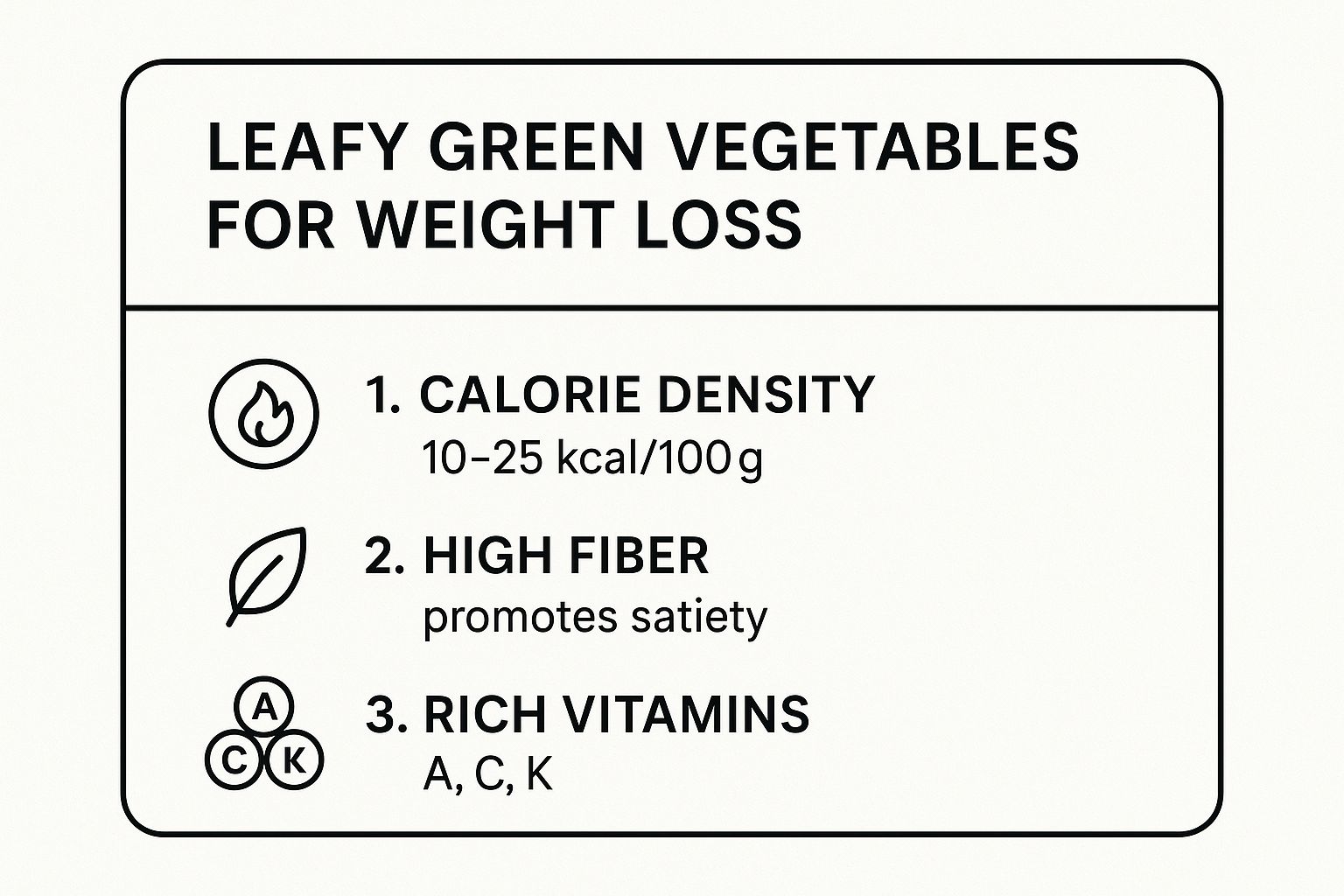
For a quick reference, the infographic below highlights the key nutritional benefits of leafy greens.

Infographic showing key data about Leafy Green Vegetables

As the summary shows, the combination of low calories, high fibre, and essential vitamins makes these vegetables a nutritional powerhouse for anyone aiming to lose weight.

How to Add More Greens to Your Diet

  • Make it a rule: Aim to fill half of your plate with leafy greens at both lunch and dinner.
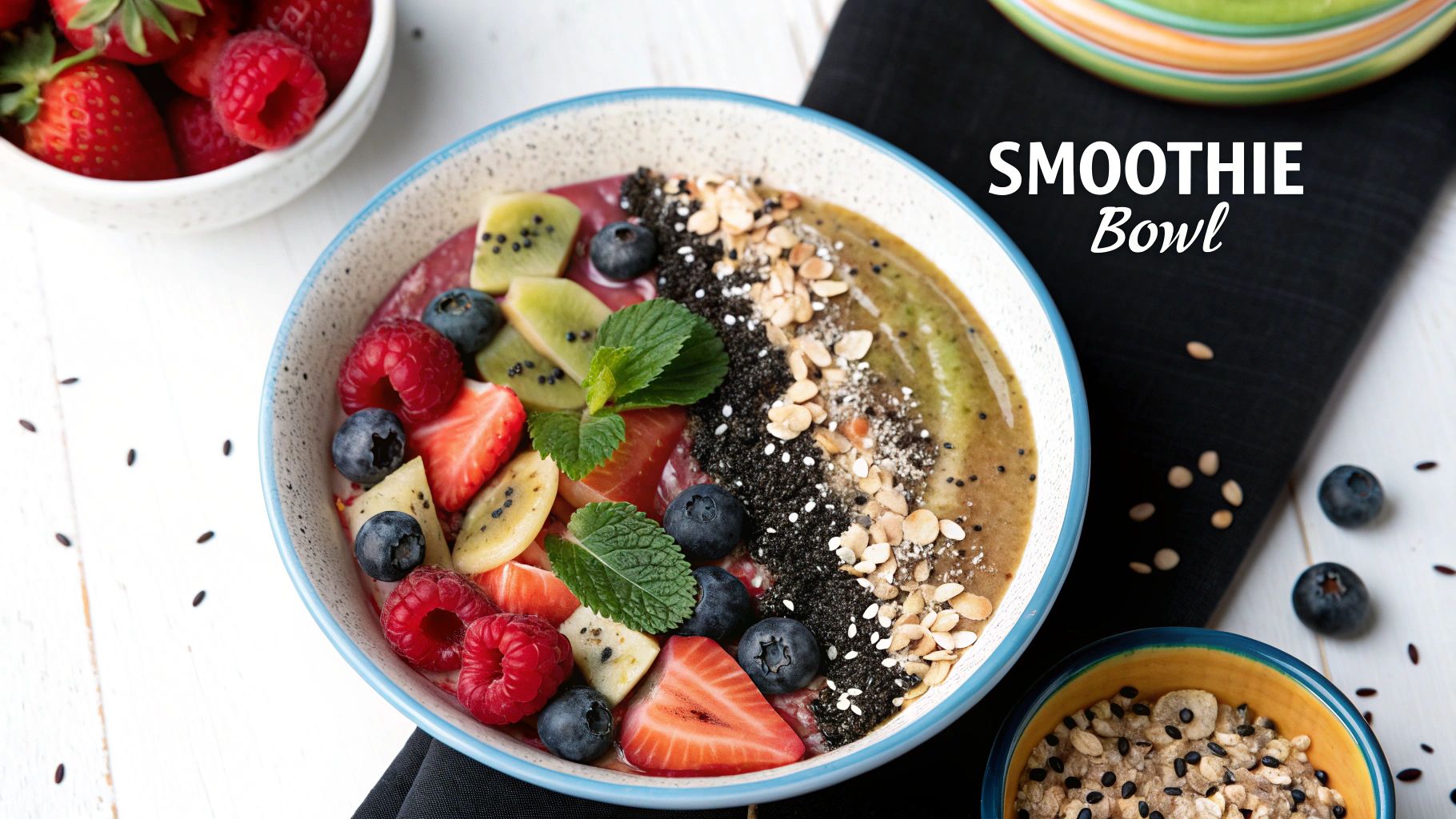
  • Upgrade your smoothies: Add a large handful of spinach or kale to your morning smoothie. The flavour is easily masked by fruit, but the nutritional benefits remain.
  • Dress lightly: Swap creamy, high-calorie dressings for simple vinaigrettes made with lemon juice, vinegar, herbs, and a small amount of extra virgin olive oil.
  • Improve texture: To make raw kale more palatable, massage it with a touch of olive oil and lemon juice for a few minutes. This softens the leaves and reduces bitterness.

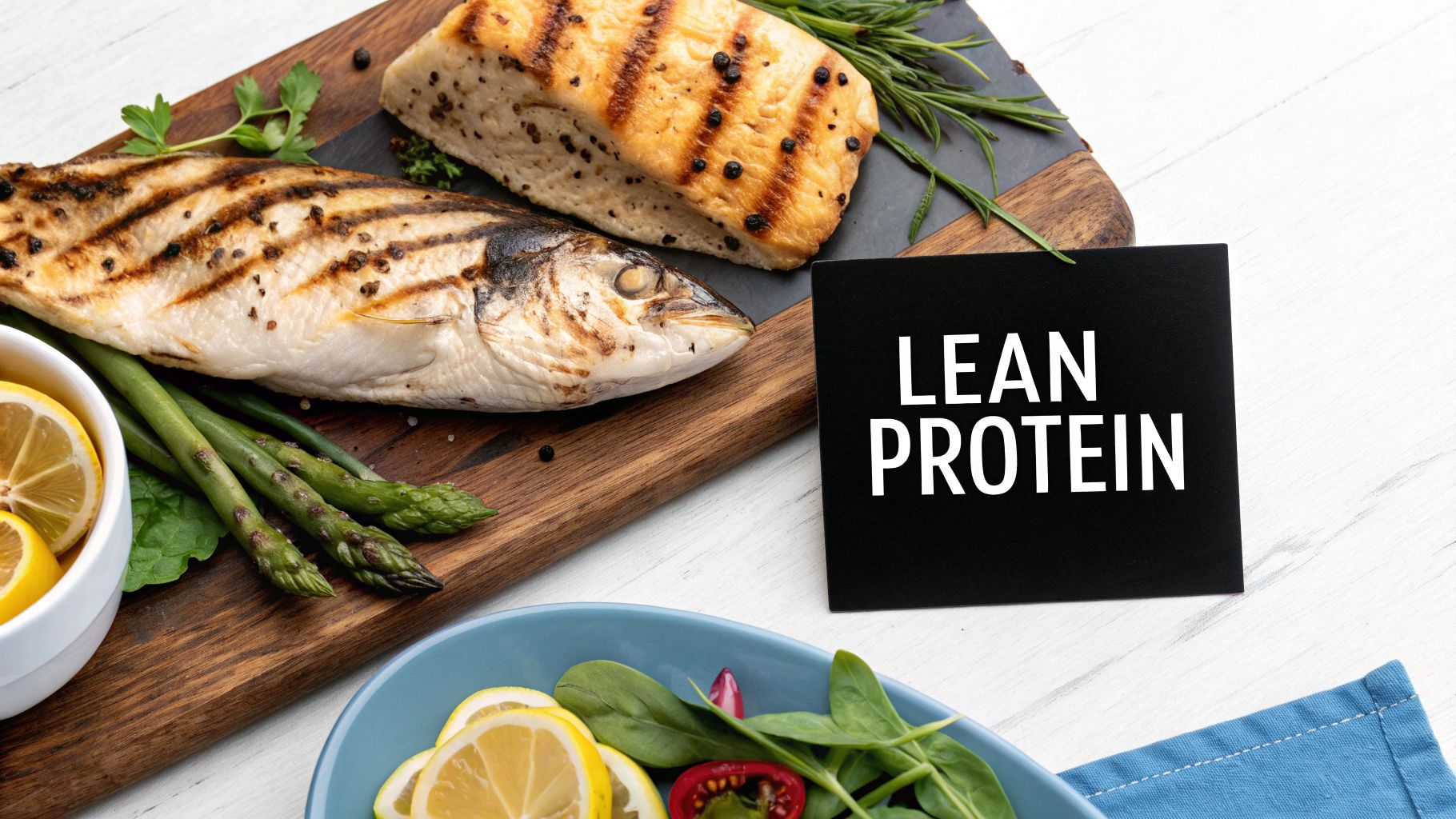
2. Lean Protein Sources

Lean protein sources like chicken breast, fish, tofu, and legumes are fundamental to an effective weight loss plan. Their power lies in a high thermic effect of food (TEF), meaning your body expends more energy digesting protein compared to fats or carbohydrates. This metabolic boost, combined with protein's profound ability to promote satiety, helps you feel fuller for longer, naturally reducing your overall calorie consumption.

Incorporating adequate lean protein is also crucial for preserving lean muscle mass during weight loss. When you are in a calorie deficit, your body may break down muscle for energy, but a sufficient protein intake helps protect this metabolically active tissue. This ensures that the weight you lose is primarily from fat, which is a key principle championed by fitness experts and dietitians alike.

Lean Protein Sources

Why They Work for Weight Loss

Lean proteins are among the best foods for weight loss because they effectively tackle hunger and boost metabolism. Research has shown high-protein meals can increase metabolic rate by up to 25% for several hours post-consumption. This physiological advantage, paired with the prolonged feeling of fullness, makes it easier to maintain a calorie deficit without feeling deprived. This strategy helps stabilise energy levels and curb cravings, preventing impulse snacking on less nutritious options.

How to Add More Lean Protein to Your Diet

  • Aim for consistency: Include a source of lean protein, around 20-30 grams, with every main meal to maximise satiety.
  • Choose wisely: Prioritise skinless poultry, fish, egg whites, Greek yoghurt, and plant-based options like lentils and tofu.
  • Boost your blends: Adding protein powder or Greek yoghurt can transform a standard drink into one of the many healthy smoothie recipes for weight loss that keeps you full for hours.
  • Flavour without fat: Use herbs, spices, lemon juice, or vinegar to season your proteins instead of relying on high-calorie sauces and marinades.

3. Whole Eggs

Once unfairly demonised for their cholesterol, whole eggs have made a powerful comeback as a weight loss superfood. Their primary strength lies in their high-quality complete protein and healthy fats, a combination that significantly enhances satiety. Consuming eggs helps you feel fuller for longer, which naturally reduces your overall calorie consumption throughout the day.

This satiating effect is why eggs are a staple in many successful eating plans, from the keto diet to traditional bodybuilding nutrition. A landmark 2008 study found that participants eating an egg breakfast lost 65% more weight than those eating a bagel breakfast with the same number of calories. This highlights how eggs effectively manage hunger and support fat loss, making them one of the best foods for weight loss.

Why They Work for Weight Loss

The effectiveness of whole eggs is rooted in their exceptional nutrient density. The high protein content not only builds lean muscle, which boosts metabolism, but it also takes more energy to digest compared to carbohydrates, a phenomenon known as the thermic effect of food. The yolk, rich in vitamins and healthy fats, further stabilises blood sugar levels, preventing the sharp energy spikes and subsequent crashes that often lead to cravings for less healthy options.

How to Add More Eggs to Your Diet

  • Start your day strong: Swap your morning cereal or toast for 2-3 scrambled, poached, or boiled eggs to curb mid-morning hunger.
  • Prepare for snacks: Hard-boil half a dozen eggs at the start of the week for a quick, portable, and protein-packed snack.
  • Boost your veggies: Make a nutrient-dense omelette or frittata loaded with spinach, capsicum, and mushrooms for a complete meal.
  • Choose quality: Opt for pasture-raised eggs when possible, as they often contain a better nutrient profile, including higher levels of omega-3 fatty acids.

4. Greek Yogurt

Greek yogurt is a weight loss powerhouse, distinguished from regular yogurt by a straining process that removes whey. This results in a thicker, creamier texture with roughly double the protein and less sugar, making it an exceptional choice for anyone looking to manage their weight effectively. Its high protein content is key to promoting satiety, keeping you feeling full for longer and reducing the likelihood of overeating.

This satiating effect is crucial for sustainable weight loss. By incorporating Greek yogurt into your diet, particularly for breakfast or as a snack, you can better control your appetite throughout the day. This aligns with findings from studies that show including dairy protein in a calorie-controlled diet can lead to greater fat loss and better maintenance of lean muscle mass, making Greek yogurt one of the best foods for weight loss.

Why It Works for Weight Loss

The effectiveness of Greek yogurt lies in its superior macronutrient profile. The high protein content not only boosts satiety but also increases your metabolic rate, as your body uses more energy to digest protein compared to fats or carbohydrates. Additionally, the probiotics found in Greek yogurt support a healthy gut microbiome, which is increasingly linked to weight management and overall health.

This combination of appetite control, metabolic support, and gut health benefits makes it a versatile and powerful tool. It’s a simple swap that can replace less healthy, higher-calorie ingredients while satisfying cravings for something rich and creamy.

How to Add More Greek Yogurt to Your Diet

  • Choose wisely: Opt for plain, unsweetened varieties to avoid added sugars that can undermine your weight loss goals.
  • Sweeten naturally: Add fresh berries, a sprinkle of cinnamon, or a small drizzle of honey for flavour instead of buying pre-flavoured options.
  • Create balanced snacks: Combine a serving of Greek yogurt with a handful of nuts or seeds for a snack rich in protein, healthy fats, and fibre.
  • Make healthy swaps: Use Greek yogurt as a substitute for sour cream on tacos, mayonnaise in chicken salad, or cream in sauces to lower the calorie and fat content of your favourite meals.

5. Berries

Berries like strawberries, blueberries, and raspberries are a delicious and effective tool for weight management. Their main benefit comes from delivering intense natural sweetness and flavour for very few calories. This allows you to satisfy sugar cravings without consuming the high-calorie, low-nutrient foods that often derail weight loss efforts.

This strategic substitution is a simple yet powerful way to reduce your overall energy intake. By choosing a bowl of mixed berries over a processed dessert, you are not only cutting calories but also adding a significant amount of fibre and antioxidants to your diet. This approach is celebrated in numerous health-focused eating patterns, including those recommended for managing diabetes, where berries are a preferred fruit due to their minimal impact on blood sugar.

Why They Work for Weight Loss

The weight loss power of berries lies in their high fibre and water content, combined with a relatively low sugar profile compared to other fruits. The fibre promotes a feeling of fullness and aids in digestion, which helps keep hunger at bay for longer periods. This makes them one of the best foods for weight loss, as they address sweet cravings without the subsequent energy crash associated with refined sugars.

Landmark research from Harvard has linked higher consumption of berries with less weight gain over time, highlighting their long-term benefits. By incorporating them into your diet, you nourish your body with powerful antioxidants while keeping your calorie count in check.

How to Add More Berries to Your Diet

  • Go frozen: Buy frozen berries for a cost-effective way to enjoy them year-round. They are perfect for smoothies and retain most of their nutritional value.
  • Boost your breakfast: Add a generous handful of berries to your morning oatmeal, Greek yoghurt, or cereal for natural sweetness and fibre.
  • Create healthy desserts: Gently warm frozen berries in a saucepan to create a natural, syrupy sauce to pour over a small scoop of yoghurt.
  • Stay hydrated: Infuse your water with a few crushed berries and a sprig of mint for a refreshing, flavourful, and calorie-free drink.

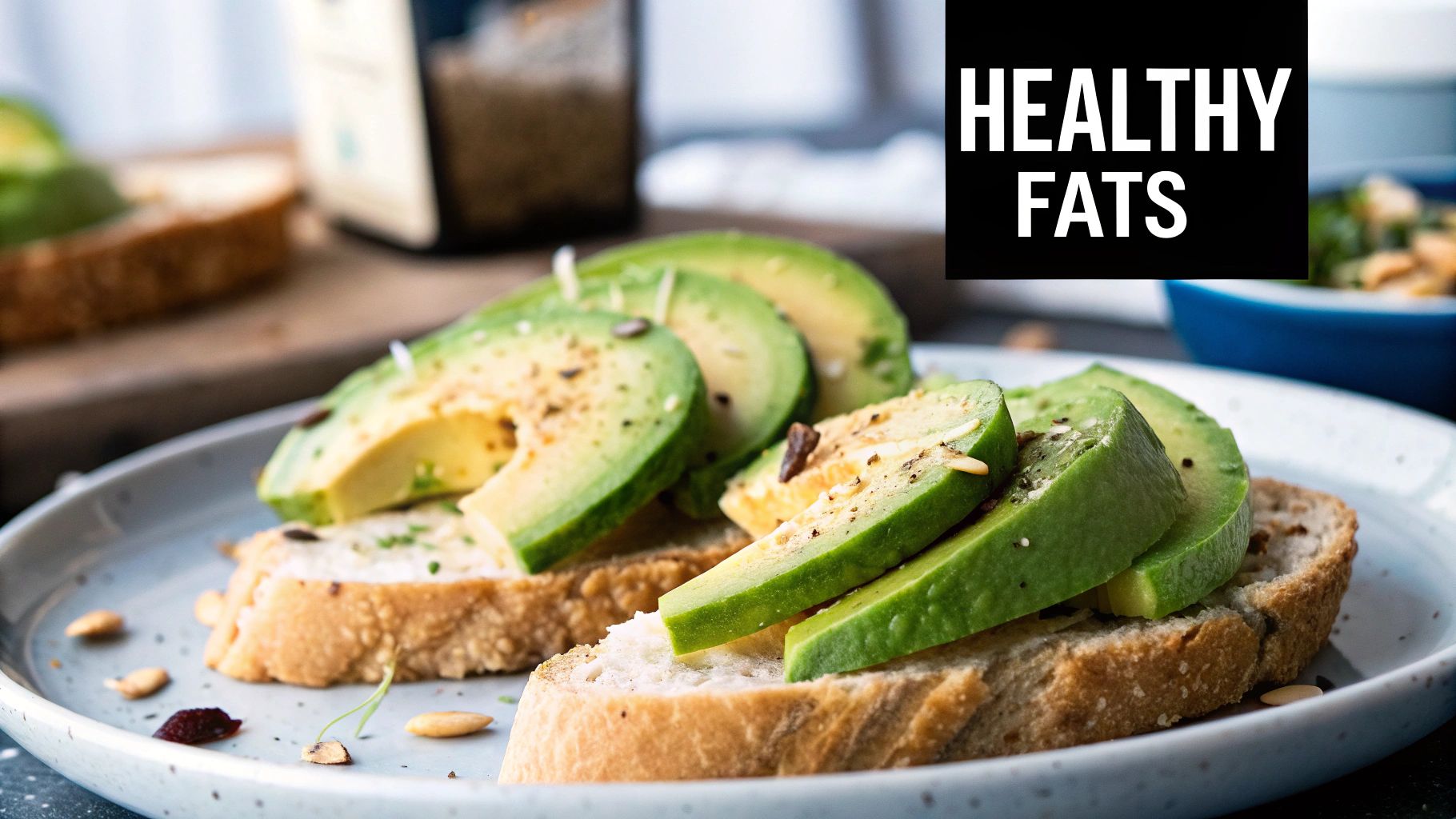
6. Avocados

Avocados often get a bad reputation in weight loss circles due to their high fat and calorie content, but this view is outdated. The truth is, their unique nutritional profile makes them one of the best foods for weight loss. The key lies in their high concentration of monounsaturated fats and fibre, which work together to create a powerful feeling of satiety. This helps you stay full for longer, reducing the likelihood of snacking on less healthy, processed foods between meals.

Avocados

This prolonged fullness is a game-changer for managing your daily calorie budget. Studies have shown that adding just half an avocado to a meal can significantly reduce the desire to eat for up to five hours afterwards. By incorporating this creamy fruit, you displace less nutrient-dense ingredients and support your metabolic health, making weight management feel more effortless and sustainable.

Why They Work for Weight Loss

The effectiveness of avocados stems from their healthy fats and substantial fibre content. The monounsaturated fats, particularly oleic acid, not only promote satiety but also support hormone production and help your body absorb fat-soluble vitamins from other foods, like those in a salad. This synergy enhances the overall nutritional value of your meal.

The fibre in avocados further aids digestion and helps regulate blood sugar, preventing the sharp spikes and crashes that often trigger cravings for sugar. This dual-action approach of managing hunger and stabilising energy levels makes avocados a powerful ally in achieving and maintaining a healthy weight.

How to Add More Avocados to Your Diet

  • Mind your portions: Stick to a serving size of one-quarter to one-half of an avocado to reap the benefits without overdoing the calories.
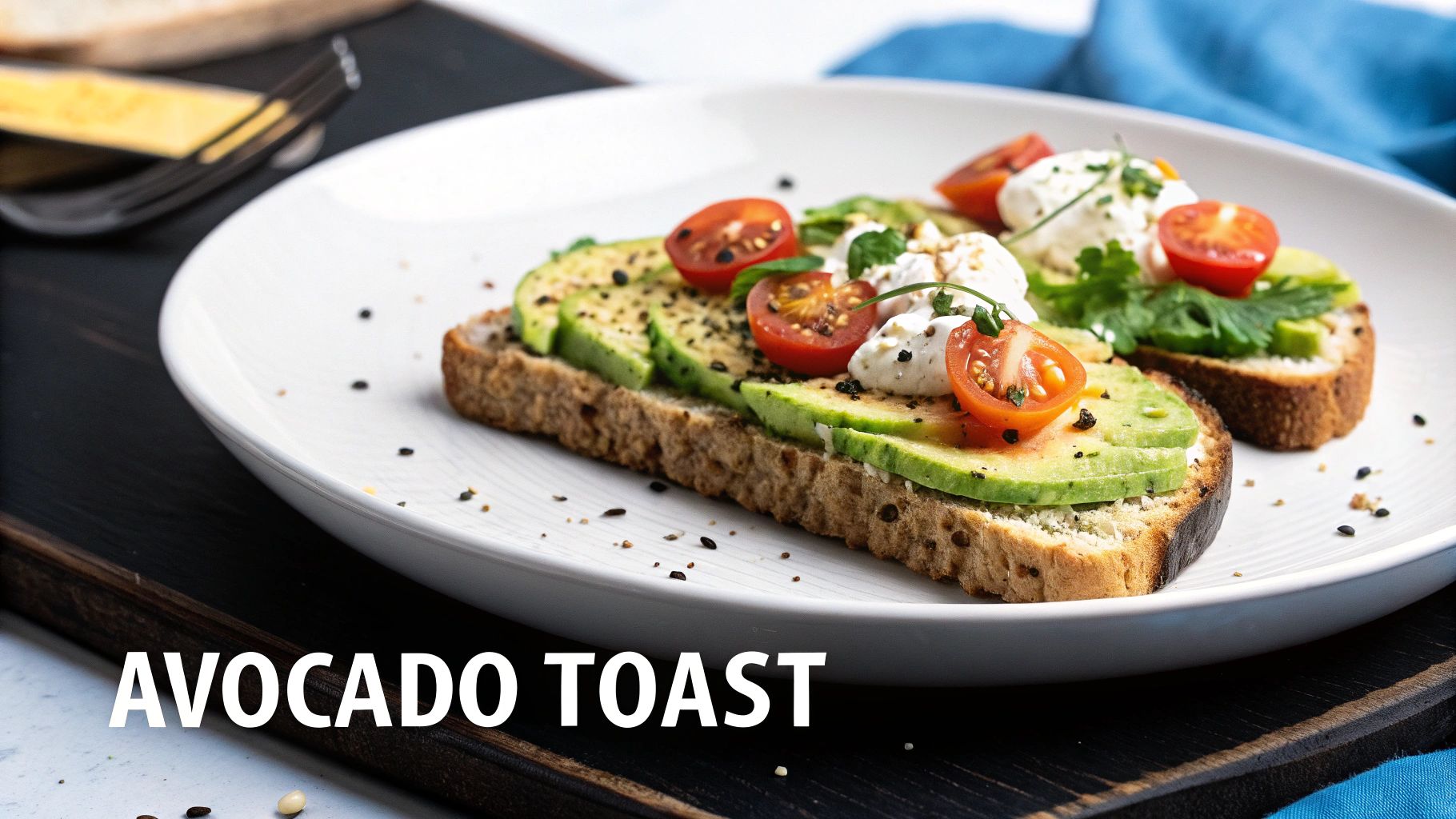
  • Swap unhealthy fats: Use mashed avocado in place of butter on toast or as a creamy substitute for mayonnaise in sandwiches and salads.
  • Boost your smoothies: Add a quarter of an avocado to your smoothie for a creamy texture and a dose of healthy fats, replacing the need for dairy or banana.
  • Enhance nutrient absorption: Add sliced avocado to your salads. The healthy fats will help your body absorb the vitamins from all the vegetables.

7. Nuts and Seeds

Nuts and seeds like almonds, walnuts, chia seeds, and flaxseeds are often viewed with caution due to their high calorie density. However, when eaten in moderation, they are incredibly effective for weight management. Their power lies in a potent combination of healthy fats, protein, and fibre, which work together to promote a strong sense of fullness and keep hunger at bay for longer periods.

This high satiety factor means a small portion can prevent you from reaching for larger, less nutritious snacks later. Research, such as the landmark PREDIMED study, has shown that regular nut consumption is associated with reduced weight gain and a lower risk of obesity. This makes them one of the best foods for weight loss, provided portion control is practised.

Why They Work for Weight Loss

The success of nuts and seeds in a weight loss plan comes from their ability to provide sustained energy and regulate appetite. The healthy fats and protein slow down the absorption of carbohydrates, helping to stabilise blood sugar levels and prevent the sharp spikes and crashes that trigger cravings. This slow-release energy is why endurance athletes often rely on nuts and seeds for fuel.

By providing lasting satisfaction from a small, nutrient-rich portion, they help reduce overall calorie intake without causing feelings of deprivation. This makes them a sustainable addition to a healthy eating pattern focused on long-term results.

How to Add More Nuts and Seeds to Your Diet

  • Practise portion control: Pre-portion nuts and seeds into small containers or bags (around a 30g serving) to prevent mindless overeating.
  • Choose wisely: Opt for raw, unsalted varieties to avoid added sodium and unhealthy oils.
  • Balance your snacks: Pair a small handful of nuts with a piece of fruit, like an apple, for a balanced snack rich in fibre, healthy fats, and protein.
  • Boost your meals: Sprinkle chia seeds or ground flaxseeds over your morning oats, yoghurt, or add them to smoothies for an easy fibre and omega-3 boost.

8. Legumes and Beans

Beans, lentils, chickpeas, and other legumes are nutritional powerhouses that combine protein, fibre, and complex carbohydrates in a low-fat, affordable package. Their primary advantage for weight management is their exceptional ability to promote satiety, helping you feel full and satisfied for longer periods after a meal. This reduces the likelihood of overeating or reaching for unhealthy snacks.

This feeling of fullness is a key element of sustainable weight loss, making legumes a staple in many healthy eating patterns worldwide. For instance, they are a cornerstone of the Mediterranean diet and are heavily consumed in Blue Zones, regions known for longevity and low rates of chronic disease. Their balanced macronutrient profile provides sustained energy without causing sharp spikes in blood sugar, supporting both weight control and overall metabolic health.

Why They Work for Weight Loss

The effectiveness of legumes and beans comes from their high content of both soluble fibre and plant-based protein. This potent combination slows digestion, stabilises blood glucose levels, and keeps hunger signals at bay. By incorporating these foods, you are adding volume and significant nutritional value to your meals with relatively few calories, making them one of the best foods for weight loss. They are also incredibly versatile, which makes them easy to include in your regular meal rotation.

How to Add More Legumes and Beans to Your Diet

  • Boost your meals: Add a can of chickpeas to salads, mix black beans into soups and stews, or use lentils as a base for hearty vegetarian dishes.
  • Start slowly: If you are not used to eating a lot of fibre, begin with smaller portions and gradually increase your intake to allow your digestive system to adjust.
  • Prepare ahead: Cooking dried beans in batches is a great strategy. For tips on incorporating them into your weekly routine, check out our guide on how to meal prep.
  • Rinse canned varieties: If using canned beans, rinse them thoroughly under running water to remove a significant amount of the added sodium.

9. Salmon and Fatty Fish

Salmon, mackerel, and sardines are powerhouses of nutrition that actively support weight management. Their main benefit comes from a potent combination of high-quality protein and omega-3 fatty acids, which work together to enhance feelings of fullness. This superior satiety helps reduce overall calorie consumption by keeping you satisfied for longer after a meal, a key factor for anyone on a weight loss journey.

This synergy of protein and healthy fats makes fatty fish one of the best foods for weight loss. Unlike lean protein sources, the addition of omega-3s helps reduce inflammation, a condition often linked to metabolic dysfunction and weight gain. This approach is fundamental to diets like the Mediterranean and Nordic eating patterns, which are consistently associated with lower rates of obesity and improved cardiovascular health.

Why They Work for Weight Loss

The effectiveness of salmon and other fatty fish lies in their nutrient density. The high protein content requires more energy to digest, a phenomenon known as the thermic effect of food, which gives your metabolism a slight boost. Simultaneously, the omega-3 fatty acids, particularly EPA and DHA, may help improve insulin sensitivity and promote the burning of fat for energy. This dual-action approach addresses both calorie intake and metabolic efficiency.

This powerful nutritional profile helps stabilise your energy levels and prevent the intense cravings that can derail a healthy eating plan. By choosing fatty fish, you are not just cutting calories; you are providing your body with essential nutrients that support a leaner, healthier composition.

How to Add More Fatty Fish to Your Diet

  • Aim for consistency: Incorporate two to three servings of fatty fish into your weekly meal plan.
  • Choose wisely: Opt for wild-caught varieties when possible, as they often have a more favourable omega-3 profile.
  • Embrace convenience: Canned salmon and sardines are affordable, long-lasting options that are perfect for quick lunches or snacks.
  • Cook lightly: Prepare fish by baking, grilling, or poaching instead of frying to minimise added fats and calories.
  • Season smartly: Enhance the flavour with fresh herbs, lemon juice, and spices rather than relying on heavy, cream-based sauces.

10. Apple Cider Vinegar

Apple cider vinegar (ACV) has earned a place in weight loss discussions due to its acetic acid content. This active compound is thought to improve metabolism, reduce fat storage, and increase feelings of fullness. While it’s not a standalone miracle solution, evidence suggests ACV can be a supportive element within a broader, healthy lifestyle.

Its primary mechanism involves slowing stomach emptying, which can lead to prolonged satiety and a natural reduction in calorie consumption. This effect, combined with its potential to help regulate blood sugar levels, makes it a strategic addition for those looking to manage appetite and cravings. A notable Japanese study found participants who consumed ACV daily lost an average of 1-2 kilograms over a 12-week period compared to a placebo group.

Why It Works for Weight Loss

The power of apple cider vinegar lies in its ability to influence key metabolic processes. The acetic acid can help suppress appetite and may also improve the body’s ability to utilise fat as an energy source. By helping to stabilise blood sugar levels, particularly after a carbohydrate-rich meal, it can prevent the sharp spikes and subsequent crashes that often trigger cravings for unhealthy snacks.

This makes it a valuable tool, not just a food, for a weight loss journey. It addresses both physiological hunger and the metabolic factors that contribute to weight gain, making it a functional component for those seeking a natural boost to their efforts.

How to Add Apple Cider Vinegar to Your Diet

  • Dilute properly: Always mix 1-2 tablespoons of ACV in a large glass of water (approx. 240ml). Never drink it straight, as it can damage your oesophagus and tooth enamel.
  • Time it right: Consume your diluted ACV mixture about 15-20 minutes before a meal to maximise its appetite-suppressing effects.
  • Protect your teeth: Consider using a straw to drink the mixture to minimise contact with your tooth enamel.
  • Choose wisely: Opt for raw, unfiltered apple cider vinegar that contains "the mother," a collection of beneficial bacteria, proteins, and enzymes.

Top 10 Weight Loss Foods Comparison

Item Implementation Complexity 🔄 Resource Requirements ⚡ Expected Outcomes 📊 Ideal Use Cases 💡 Key Advantages ⭐
Leafy Green Vegetables Low – easy to prepare and consume Low – affordable, readily available Moderate – increased satiety, micronutrient boost Weight loss by adding meal volume without calories Low calorie density, high fiber, rich vitamins
Lean Protein Sources Medium – requires cooking and preparation Medium – sometimes costly High – muscle preservation, increased metabolism Weight loss with muscle maintenance and metabolic boost High thermic effect, muscle support, satiety
Whole Eggs Low – quick and simple preparation Low – accessible and affordable High – enhanced satiety and reduced calorie intake Breakfast weight loss strategy and easy protein source High-quality protein, nutrient dense, satiating
Greek Yogurt Low – ready-to-eat, minimal prep Medium – can be more expensive Moderate – satiety, gut health support Healthy snacks, post-workout recovery, dessert substitute High protein, probiotics, versatile use
Berries Low – ready to eat or easy to add Medium – can be costly, seasonal Moderate – satisfy sweet cravings, antioxidants Healthy sweet snacks, blood sugar regulation Antioxidants, low sugar, high fiber
Avocados Low – simple prep but calorie dense Medium to high – often expensive Moderate – high satiety, nutrient absorption Healthy fat source, satiety enhancer in meals Monounsaturated fats, potassium, inflammation reduction
Nuts and Seeds Low – minimal prep, portable snack Medium – pricey per serving Moderate – sustained energy and satiety Portion-controlled snacks, energy-dense additions Healthy fats, protein, fiber, long shelf life
Legumes and Beans Medium – require cooking or canned options Low – affordable protein source High – sustained energy, blood sugar regulation Affordable protein and fiber source, meal staple High protein+fiber, low fat, very filling
Salmon and Fatty Fish Medium – needs cooking and careful sourcing High – can be expensive and perishable High – satiety, metabolism boost, inflammation reduction Weight loss with omega-3 benefits, muscle maintenance Omega-3s, high-quality protein, anti-inflammatory
Apple Cider Vinegar Low – simple consumption with precautions Low – inexpensive and widely available Low to Moderate – appetite suppression, minor weight loss Supplement to diet for appetite and blood sugar control Acetic acid effects, low calorie, affordable

Your Plate, Your Power: Making These Foods Work for You

Navigating the path to sustainable weight loss can often feel overwhelming, but as we’ve explored, the journey begins on your plate. The ten powerhouse food categories detailed in this guide, from vibrant leafy greens to protein-packed salmon and legumes, are more than just items on a list; they are the fundamental building blocks for a healthier, more energised you. They represent a powerful shift away from restrictive dieting and towards a philosophy of nourishing your body with whole, nutrient-dense ingredients.

The true secret to success isn’t found in a single "superfood" but in the consistent, mindful integration of these foods into your daily routine. It’s about creating a sustainable lifestyle, not a temporary fix. The best foods for weight loss work collectively to keep you satiated, stabilise your blood sugar, and provide the essential vitamins and minerals your body needs to function optimally. This approach fosters a positive relationship with food, transforming it from a source of anxiety into a tool for empowerment.

Key Takeaways for Lasting Success

To truly harness the power of these foods, remember these core principles:

  • Prioritise Protein and Fibre: Every meal should feature a source of lean protein (like eggs, Greek yogurt, or fish) and fibre (from vegetables, berries, or beans). This combination is the ultimate defence against hunger, helping you feel fuller for longer and reducing the likelihood of reaching for processed snacks.
  • Embrace Healthy Fats: Don't fear the fats found in avocados, nuts, seeds, and salmon. These are crucial for hormone production, nutrient absorption, and long-term satiety. The key is portion awareness; a small handful of almonds or a quarter of an avocado is often enough to reap the benefits without overdoing the calories.
  • Consistency Over Perfection: Aim for progress, not an unattainable standard of perfection. Start with small, manageable swaps. Can you add spinach to your morning smoothie? Can you choose a handful of berries over a biscuit for your afternoon snack? These incremental changes compound over time, leading to significant and lasting results.

Actionable Next Steps to Get Started

Understanding what to eat is the first step; putting it into practice is where the real transformation happens. To truly leverage the power of food for weight loss, understanding and actively monitoring metabolic health is key to how your body processes nutrients and energy. This deeper awareness allows you to personalise your approach and see how these dietary changes directly impact your body's efficiency.

Ultimately, this journey is about empowering yourself with knowledge and creating habits that serve you well for life. By focusing on these wholesome, delicious foods, you're not just working towards a number on the scale; you're investing in your long-term vitality, energy, and overall wellbeing. You have the power to reshape your health one plate at a time.


Ready to put these principles into practice without the guesswork? Let Absolute Cravings help you on your journey with delicious, chef-prepared meals and smoothies that incorporate many of the best foods for weight loss. Explore our menu today and discover how convenient and flavourful healthy eating can be. Absolute Cravings

7 Healthy Smoothie Recipes for Weight Loss Success in 2025

Ready to kickstart your weight loss journey without sacrificing flavour? Smoothies offer a powerful, convenient, and delicious way to pack your diet with essential nutrients that support metabolism, curb cravings, and help you reach your goals. Forget boring, bland diet foods; the right blends are designed to be both satisfying and effective, making healthy eating a pleasure rather than a chore. This guide provides a curated collection of healthy smoothie recipes for weight loss, each one formulated with a specific purpose in mind.

You'll discover how the right combination of ingredients can transform a simple drink into a potent tool for your wellness goals. We'll move beyond basic fruit blends to explore how strategic additions like protein, healthy fats, and fibre can keep you feeling full for hours, stabilise blood sugar levels, and provide a sustained energy release.

This listicle cuts straight to the point, providing seven distinct and actionable recipes. From a detoxifying green machine to a metabolism-boosting citrus blast, you'll find a smoothie to suit any craving or need. We'll detail not just the "how" but the "why" behind each ingredient's role in supporting effective and sustainable weight management.

1. Green Goddess Detox Smoothie

Kicking off our list of healthy smoothie recipes for weight loss is the vibrant and revitalising Green Goddess Detox Smoothie. This blend is a powerhouse of nutrients, specifically designed to support your body's natural cleansing processes while keeping you feeling full and energised. It’s the perfect choice for anyone looking to reset their system, reduce bloating, and kickstart a healthier eating routine.

The core of this smoothie lies in its low-calorie, high-fibre ingredients. Leafy greens like spinach or kale provide a substantial dose of vitamins A, C, and K, while cucumber and celery offer high water content for ultimate hydration. The inclusion of a tart green apple adds natural sweetness and pectin, a type of fibre that aids digestion and promotes satiety.

Key Insight: This smoothie's effectiveness for weight loss comes from its ability to create a significant feeling of fullness with very few calories (around 150-180 per serve). The high fibre and water content signal to your brain that you're full, which helps prevent overeating later in the day.

How It Supports Weight Loss

  • Metabolism Boost: Ginger and lemon are known for their thermogenic properties, which can give your metabolism a gentle nudge.
  • Reduces Water Retention: The natural diuretic effects of cucumber, celery, and lemon help your body flush out excess water, leading to a less bloated feeling.
  • Fights Inflammation: The potent antioxidants packed into the greens and ginger help combat systemic inflammation, a common barrier to weight loss.

Getting Started with the Green Goddess

For the best results, try consuming this smoothie first thing in the morning on an empty stomach. This allows your body to absorb the nutrients efficiently without interference from other foods.

Actionable Tips:

  • Balance the Flavour: If you find the taste too "green" or bitter initially, add half a small, frozen banana. This adds creaminess and a touch of sweetness without significantly increasing the calorie count.
  • Ease Into It: New to green smoothies? Start with a smaller amount of spinach and gradually increase the quantity as your palate adjusts.
  • Serve Chilled: Always add a handful of ice cubes before blending. A colder smoothie is often more palatable and refreshing, making it a more enjoyable experience.
  • Sip, Don't Gulp: Drink your smoothie slowly over 10-15 minutes. This gives your digestive system time to process it and helps your brain register the feeling of fullness.

2. Protein Power Berry Blast

Next on our list of healthy smoothie recipes for weight loss is the satisfying and muscle-fuelling Protein Power Berry Blast. This delicious blend is a favourite in fitness communities for a reason: it's engineered to keep you feeling full for hours, support lean muscle development, and satisfy sweet cravings without derailing your diet. It's the ideal post-workout recovery drink or a substantial meal replacement for a busy day.

The power of this smoothie comes from its high protein content, combining whey or plant-based protein powder with creamy Greek yoghurt. Mixed berries like strawberries, blueberries, and raspberries provide a burst of antioxidants and fibre with minimal sugar. Unsweetened almond milk serves as a low-calorie base, tying all the flavours together into a thick, milkshake-like treat.

Protein Power Berry Blast

Key Insight: The significant protein dose (often 25-30g per serve) is crucial for weight loss. Protein has a higher thermic effect of food (TEF) than carbs or fats, meaning your body burns more calories just digesting it. It also dramatically increases satiety, helping to reduce overall calorie intake.

How It Supports Weight Loss

  • Preserves Muscle Mass: When you're in a calorie deficit, adequate protein intake helps ensure you're losing fat, not precious, metabolism-revving muscle.
  • Crushes Cravings: The combination of protein and fibre stabilises blood sugar levels, preventing the energy crashes that lead to reaching for sugary snacks.
  • Extended Fullness: Protein is the most satiating macronutrient. A smoothie like this can keep you feeling full far longer than a carb-heavy breakfast might.

Getting Started with the Berry Blast

This smoothie works exceptionally well as a breakfast meal replacement or as a recovery drink within an hour after a workout. Its protein content will help repair muscle tissue and the carbs from the berries will replenish glycogen stores. For more delicious options, you can explore other great protein smoothie recipes on absolutecravings.com.au.

Actionable Tips:

  • Go Frozen for Thickness: Always use frozen mixed berries instead of fresh ones. This eliminates the need for ice and creates a much thicker, creamier, and more satisfying consistency.
  • Choose Smart Liquids: Opt for unsweetened almond milk or water to keep the calorie and sugar count as low as possible.
  • Blend Powder Last: To avoid a clumpy or gritty texture, add your protein powder in the last 15-20 seconds of blending once all other ingredients are smooth.
  • Sneak in Some Greens: Add a large handful of fresh spinach. The berry flavour is strong enough to completely mask the taste, giving you an effortless boost of vitamins and iron.

3. Tropical Fat-Burning Smoothie

Next up in our collection of healthy smoothie recipes for weight loss is the exhilarating Tropical Fat-Burning Smoothie. This vibrant concoction transports you to a sunny beach with its blend of pineapple and mango, while actively working to support your fat-burning goals. It’s the ideal smoothie for those who crave a sweet, refreshing flavour without the added sugars that can hinder weight loss progress.

The power of this smoothie comes from its unique combination of tropical fruits and a surprising spicy kick. Pineapple is rich in bromelain, an enzyme known to aid digestion and reduce inflammation, while mango provides essential vitamins and natural sweetness. Coconut water serves as a hydrating, low-calorie base, replenishing electrolytes lost during workouts. This recipe is a staple in many beach body transformation programs and tropical wellness retreats for its delicious taste and metabolic benefits.

Key Insight: The secret weapon in this smoothie is a pinch of cayenne pepper. Cayenne contains capsaicin, a compound that has been shown to slightly increase your metabolic rate and promote fat oxidation (the process of burning fat for energy). It turns a simple fruit smoothie into a thermogenic powerhouse.

How It Supports Weight Loss

  • Enzymatic Action: The bromelain in pineapple helps break down proteins more efficiently, reducing bloating and improving overall digestive health, which is crucial for nutrient absorption and weight management.
  • Boosts Metabolism: Capsaicin from cayenne pepper gives your metabolism a temporary boost, encouraging your body to burn more calories throughout the day.
  • Hydration and Satiety: Coconut water provides superior hydration with fewer calories than juice, while adding chia seeds can increase fibre content, helping you feel fuller for longer.

Getting Started with the Tropical Smoothie

This smoothie works wonderfully as a morning energiser or a pre-workout drink. Its natural sugars provide a quick source of fuel, while its metabolic-boosting ingredients set you up for a successful day of healthy eating.

Actionable Tips:

  • Control the Heat: If you're new to cayenne, start with a tiny pinch. You can gradually increase the amount as your tolerance for the heat grows. The goal is a gentle warmth, not a fiery burn.
  • Use Frozen Fruit: Opt for frozen pineapple and mango chunks. This creates a thick, creamy consistency without the need to add ice, which can dilute the flavour.
  • Add a Protein Boost: To make this a more complete meal replacement, add a scoop of vanilla or unflavoured protein powder. This will significantly increase its satiety factor.
  • Boost the Fibre: A tablespoon of chia seeds or flaxseeds will not only add healthy omega-3 fatty acids but also increase the fibre, keeping you full and satisfied until your next meal.

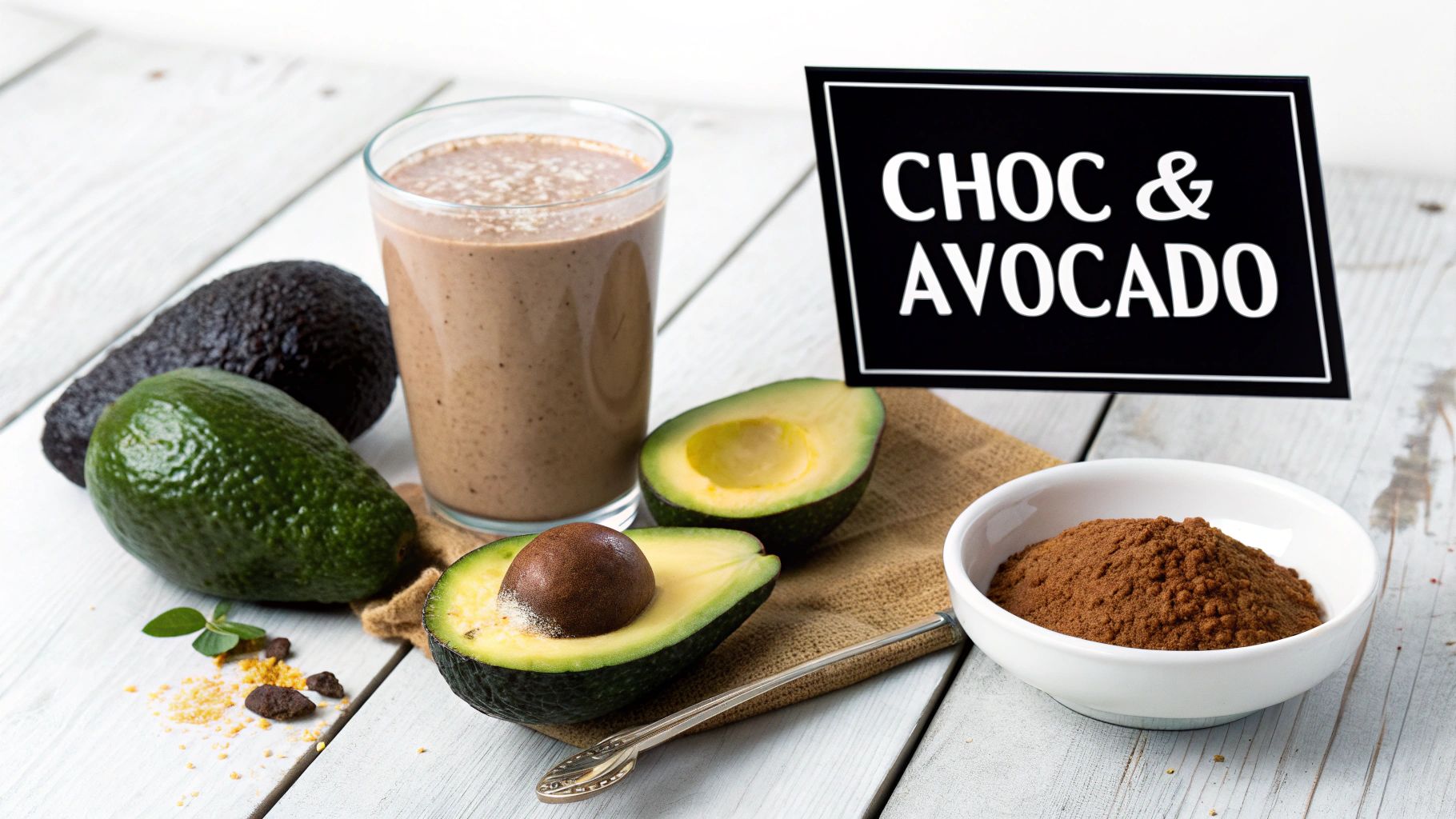
4. Chocolate Avocado Dream

Next up is the deceptively decadent Chocolate Avocado Dream, a smoothie that proves healthy eating doesn't mean sacrificing flavour. This creamy, dessert-like blend satisfies chocolate cravings while being packed with ingredients that support your weight loss journey. It’s the perfect solution for an afternoon slump or a post-dinner treat that won't derail your progress.

The secret to this smoothie's magic is the combination of avocado and unsweetened cocoa powder. Avocado provides a rich, creamy texture and is loaded with healthy monounsaturated fats and fibre. These components work together to promote long-lasting satiety and help stabilise blood sugar levels, preventing the energy crashes and cravings that often lead to unhealthy snacking.

Chocolate Avocado Dream

Key Insight: This smoothie's power lies in its fat and fibre content. Unlike sugar-heavy treats, the healthy fats from avocado and almond butter slow down digestion, keeping you feeling full for hours and making it an excellent meal replacement or craving-buster.

How It Supports Weight Loss

  • Prolongs Satiety: The high content of healthy fats and fibre significantly increases feelings of fullness, helping to reduce overall daily calorie intake.
  • Stabilises Blood Sugar: By avoiding refined sugars and focusing on healthy fats, this smoothie helps prevent insulin spikes, which can contribute to fat storage.
  • Nutrient-Dense: It delivers essential nutrients like potassium, vitamin K, and antioxidants from cocoa without the empty calories found in typical chocolate desserts. If you enjoy the creamy texture of avocado, explore another delicious avocado smoothie for weight loss that can be a great addition to your diet.

Getting Started with the Chocolate Avocado Dream

This smoothie works exceptionally well as a replacement for a less healthy dessert or as a filling breakfast to keep you powered until lunch. Its rich flavour profile makes it one of the most satisfying healthy smoothie recipes for weight loss.

Actionable Tips:

  • Achieve Perfect Creaminess: Use a perfectly ripe avocado (slightly soft to the touch) and a frozen banana to get that thick, milkshake-like consistency.
  • Control the Sweetness: Start with one or two medjool dates or a few drops of liquid stevia for natural sweetness. Avoid refined sugars to keep it weight-loss friendly.
  • Adjust Chocolate Intensity: Begin with one tablespoon of unsweetened cocoa powder and add more until you reach your desired level of chocolatey richness.
  • Blend Thoroughly: To avoid any chunks of avocado, blend on high for at least 60-90 seconds until the mixture is completely smooth and velvety. For more guidance on achieving the perfect blend, check out our tips on how to make healthy smoothies.

5. Metabolism Boosting Citrus Ginger

Next up in our collection of healthy smoothie recipes for weight loss is the zesty and invigorating Metabolism Boosting Citrus Ginger smoothie. This fiery blend is specifically formulated to kick your metabolic rate into a higher gear, combining powerful ingredients known for their thermogenic and anti-inflammatory properties. It’s the perfect choice for a pre-workout energy lift or a morning kickstart to help your body burn calories more efficiently throughout the day.

The magic of this smoothie lies in its potent, warming ingredients. Zesty grapefruit and orange provide a flood of vitamin C and enzymes that support fat oxidation, while fresh ginger and turmeric work together to stimulate digestion and fight inflammation. A touch of natural honey balances the flavours, making this powerful concoction both effective and delicious.

Key Insight: This smoothie’s primary weight loss mechanism is its thermogenic effect. Ingredients like ginger and turmeric slightly raise your body's core temperature, which in turn requires it to expend more energy (burn more calories) to cool down, giving your metabolism a noticeable boost.

How It Supports Weight Loss

  • Stimulates Metabolism: The gingerol in ginger and curcumin in turmeric are powerful compounds that increase thermogenesis and enhance metabolic function.
  • Aids Fat Oxidation: The high concentration of vitamin C and beneficial enzymes in citrus fruits like grapefruit helps the body to metabolise fat more effectively.
  • Reduces Inflammation: Chronic inflammation can hinder weight loss efforts. The anti-inflammatory power of turmeric, enhanced by a pinch of black pepper, helps to create a more favourable internal environment for shedding kilos.

Getting Started with the Citrus Ginger

To maximise its metabolism-boosting benefits, try drinking this smoothie about 30 minutes before a meal or your workout. This timing allows the active compounds to start working, helping to control appetite and prepare your body for efficient calorie burning.

Actionable Tips:

  • Enhance Absorption: Always add a tiny pinch of black pepper to your smoothie. The piperine in pepper can increase the bioavailability of turmeric’s curcumin by up to 2,000%.
  • Control the Spice: Ginger and turmeric can be potent. Start with a small, 1cm piece of each and gradually increase the amount as you get used to the warming flavour.
  • Peel for Smoothness: For a less fibrous texture, make sure to thoroughly peel the ginger before adding it to your blender. If you still prefer a silkier drink, you can strain the smoothie through a fine-mesh sieve.
  • Go Frozen for Creaminess: Use frozen orange and grapefruit segments instead of fresh ones to create a thicker, more satisfying and chilled smoothie without needing to add ice, which can dilute the flavour.

6. Fiber-Rich Apple Cinnamon Oat

For those seeking a smoothie that feels more like a hearty meal, the Fiber-Rich Apple Cinnamon Oat recipe is a game-changer. This satisfying blend tastes like a comforting bowl of apple pie oatmeal but is perfectly optimised for weight management. It's an ideal choice for a breakfast smoothie, providing sustained energy that carries you through the morning and prevents mid-morning snack cravings.

The strength of this smoothie comes from its powerful combination of complex carbohydrates and soluble fibre. Rolled oats are the star ingredient, creating a thick, creamy texture while promoting a prolonged feeling of fullness. Paired with a fresh apple for natural sweetness and fibre, and Greek yoghurt for a protein boost, this blend is designed to regulate appetite and stabilise blood sugar levels, making it a cornerstone of many healthy smoothie recipes for weight loss.

Key Insight: The soluble fibre in oats, known as beta-glucan, forms a gel-like substance in your digestive tract. This slows digestion, which not only keeps you feeling full for hours but also helps manage blood sugar responses, preventing the energy crashes that lead to unhealthy food choices.

How It Supports Weight Loss

  • Prolonged Satiety: The combination of fibre from oats and apple, plus protein from Greek yoghurt, significantly reduces hunger and overall calorie intake.
  • Blood Sugar Control: Cinnamon is renowned for its ability to help regulate blood sugar, which is crucial for managing cravings and preventing fat storage.
  • Improved Digestion: Packed with oats and apples, this smoothie is excellent for digestive health. For more detailed guidance on improving gut regularity, check out these practical tips for softening hard stool through dietary fiber and fluids.

Getting Started with the Apple Cinnamon Oat

This smoothie is best consumed for breakfast to set a stable metabolic tone for the day. Its thick consistency makes it perfect for a smoothie bowl, topped with a few nuts or seeds for extra texture and healthy fats. Planning ahead can make this an easy morning option; you can find more strategies in our guide on how to meal prep for success.

Actionable Tips:

  • Soak Your Oats: For a creamier texture and easier blending, soak your rolled oats in the almond milk for at least 5-10 minutes before adding the other ingredients.
  • Choose the Right Cinnamon: Opt for Ceylon cinnamon (often called "true" cinnamon) for a more delicate, sweet flavour and enhanced health benefits compared to the more common Cassia variety.
  • Control Thickness: If the smoothie becomes too thick, simply add a splash more almond milk until it reaches your desired consistency.
  • Serve Immediately: The oats will continue to thicken the smoothie as it sits, so it's best enjoyed fresh for the ideal texture.

7. Cucumber Mint Hydration Booster

Next in our collection of healthy smoothie recipes for weight loss is the incredibly refreshing Cucumber Mint Hydration Booster. This light, crisp blend is designed to hydrate your body from the inside out, making it an excellent choice for supporting weight loss efforts, particularly during warmer months or post-workout. Its spa-like flavour profile makes healthy eating feel like a luxurious treat.

The magic of this smoothie lies in its simplicity and high water content. Cucumber, composed of about 96% water, provides a low-calorie base, while coconut water replenishes essential electrolytes without added sugar. Fresh mint and a squeeze of lime juice add a zesty, cooling flavour and aid digestion, while a small amount of pineapple provides natural sweetness and the enzyme bromelain, known for its anti-inflammatory properties.

Key Insight: This smoothie's primary weight loss benefit comes from its powerful hydrating and debloating effects. Proper hydration is crucial for a high-functioning metabolism, and the natural diuretic properties of cucumber help flush out excess water retention, leading to a leaner feeling.

How It Supports Weight Loss

  • Reduces Water Weight: Cucumber is a natural diuretic, helping your body shed excess water and reduce bloating, which can often be mistaken for fat gain.
  • Suppresses Appetite: Consuming this high-water-content smoothie before a meal can create a sense of fullness, helping you reduce overall calorie intake.
  • Boosts Hydration: Unlike sugary drinks, this smoothie hydrates effectively with coconut water, replenishing electrolytes like potassium, which is vital for metabolic function and muscle recovery.

Getting Started with the Hydration Booster

This smoothie is perfect as a mid-afternoon pick-me-up to stave off cravings or as a pre-meal drink to curb your appetite. Its light nature also makes it an ideal choice after a workout to rehydrate.

Actionable Tips:

  • Create a Slushie Texture: For an extra thick and frosty consistency, freeze your cucumber in cubes before blending. This is a great alternative to using ice, which can dilute the flavour.
  • Release the Mint Oils: Gently muddle or bruise the mint leaves with the back of a spoon before adding them to the blender. This releases their essential oils for a more potent, refreshing flavour.
  • Drink It Fresh: The delicate flavours of mint and cucumber are at their best immediately after blending. Try to consume it right away for the most vibrant taste experience.
  • Strategic Sipping: Drink this smoothie about 20-30 minutes before your main meal. The fibre and water will have time to signal fullness to your brain, making it easier to manage your portion size.

7 Healthy Smoothie Recipes Comparison

Smoothie Implementation Complexity 🔄 Resource Requirements 🔄 Expected Outcomes 📊 Ideal Use Cases 💡 Key Advantages ⭐⚡
Green Goddess Detox Smoothie Moderate – requires fresh produce Medium – leafy greens and fresh fruits Detoxification, reduced inflammation, satiety Morning, pre-workout, detox cleanses Low calorie, high fiber, natural detox, sustained energy ⭐📊
Protein Power Berry Blast Moderate – needs protein powder High – protein powder, Greek yogurt Muscle preservation, long fullness, recovery Post-workout, meal replacement High protein, antioxidant-rich, supports muscle maintenance ⭐⚡
Tropical Fat-Burning Smoothie Low to moderate – tropical fruits Medium – seasonal fruits & spices Metabolism boost, hydration, reduced bloating Morning, pre-workout Hydrating, metabolism boost, natural sweetness ⭐⚡
Chocolate Avocado Dream Moderate – ripe avocado and cocoa Medium to high – avocado, almond butter Satiety, stable blood sugar, healthy fats Afternoon snack, dessert replacement Creamy texture, healthy fats, fills chocolate cravings ⭐
Metabolism Boosting Citrus Ginger Moderate – fresh citrus & spices Medium – citrus fruits, ginger, turmeric Metabolism stimulation, inflammation reduction Morning, before meals Boosts metabolism, immune support, anti-inflammatory ⭐
Fiber-Rich Apple Cinnamon Oat Moderate – oats and dairy ingredients Medium – oats, Greek yogurt, apple Blood sugar regulation, fullness, digestive health Breakfast, mid-morning snack Very filling, blood sugar control, gut health ⭐
Cucumber Mint Hydration Booster Low – simple fresh ingredients Low – cucumber, mint, coconut water Hydration, reduced water retention, mild satiety Between meals, post-workout Very low calorie, hydrating, diuretic properties ⭐⚡

Make Smoothies a Sustainable Part of Your Weight Loss Plan

You've just explored a vibrant collection of healthy smoothie recipes for weight loss, from the cleansing Green Goddess Detox to the satisfying Chocolate Avocado Dream. Each recipe offers a unique blend of flavours, textures, and nutritional benefits, demonstrating that supporting your weight loss goals can be a delicious and fulfilling experience. The key takeaway is that a well-crafted smoothie is far more than just a drink; it's a strategic tool for packing protein, fibre, healthy fats, and essential micronutrients into one convenient, satisfying meal.

Mastering these recipes empowers you to take control of your nutrition, but the real secret to long-term success lies in making this habit sustainable. Consistency is what drives results, and building a routine around your smoothie-making is crucial.

Actionable Steps for Lasting Success

To seamlessly integrate these smoothies into your lifestyle, focus on preparation and variety. Don't let a busy morning derail your healthy intentions.

  • Implement 'Smoothie Packs': Dedicate one hour on a Sunday to prepare your smoothie packs for the week. Portion out all the solid ingredients for each recipe (like spinach, berries, avocado, and protein powder) into individual reusable bags or containers and freeze them. This transforms a 10-minute task into a 2-minute 'dump, add liquid, and blend' process.
  • Rotate Your Recipes: Avoid flavour fatigue and nutritional gaps by cycling through different smoothies. Try the Protein Power Berry Blast after a workout, the Fibre-Rich Apple Cinnamon Oat on a cold morning, and the Cucumber Mint Hydration Booster when you need a refreshing lift. This rotation ensures your body receives a diverse spectrum of vitamins and minerals.
  • Listen to Your Body's Cues: Pay attention to how different ingredient combinations make you feel. If you find a smoothie with more healthy fats keeps you full until lunch, lean into that. If a lighter, fruit-based option gives you the perfect pre-exercise energy boost, schedule it accordingly. Customisation is your greatest asset.

Beyond the Blender: A Holistic Approach

Remember, while these healthy smoothie recipes for weight loss are incredibly effective, they are most powerful when incorporated into a broader healthy lifestyle. True, sustainable weight management comes from a holistic approach that includes balanced whole-food meals, regular physical activity, adequate hydration, and sufficient rest.

Think of these smoothies as a cornerstone of your wellness routine, a daily commitment to nourishing your body from the inside out. By making this practice enjoyable and effortless, you’re not just following a diet; you're building a foundation for a healthier, more energised you. Cheers to your ongoing health journey!


Ready to kickstart your routine or need a healthy option on the go? Visit us at Absolute Cravings in Townsville, right next to the Palmetum Gardens. We specialise in crafting delicious, professionally blended smoothies that perfectly align with your wellness goals, making it easier than ever to stay on track. Explore our menu and taste the goodness for yourself!

How to Boost Immune System Naturally: Easy Tips for Better Health

When you're looking to strengthen your body's defences, it's easy to get caught up in the latest "superfood" or quick-fix supplement. But true, lasting immunity isn't built on temporary solutions. It comes from looking after the foundational habits that keep your entire system running smoothly: a nourishing diet, restorative sleep, and a handle on stress.

Building Your Foundation for Natural Immunity

Before we dive into specific recipes and ingredients, let's get back to basics. A resilient immune system isn't something you can buy in a bottle; it's something you build, day by day. Think of it like a house – you need to pour a solid foundation before you start decorating.

The real secret to boosting your immunity naturally lies in three core areas that are completely intertwined: gut health, sleep, and stress. When these are in balance, your body is in a much better position to protect itself.

A healthy gut is your absolute first line of defence. It’s a staggering thought, but around 70% of your immune system actually lives in your gut. A balanced, happy microbiome helps regulate how your body responds to pathogens, creating a powerful barrier against illness.

The Underrated Power of Rest and Relaxation

Sleep is far from a passive activity. It’s when your body gets to work on critical repair and maintenance. While you're in a deep sleep, your system is busy producing and releasing cytokines—proteins that target infection and inflammation. Skimping on sleep, even for a night or two, can dial down the production of these protective little warriors, leaving you more vulnerable.

On the flip side, chronic stress does the opposite of what we want. It floods your body with hormones like cortisol, which can suppress your immune system's effectiveness over time. That’s why finding consistent ways to unwind and de-stress isn't a luxury; it's a non-negotiable for long-term health.

A truly resilient immune system isn't built overnight with a single superfood. It's the result of consistent, daily choices that support your body's innate ability to protect itself.

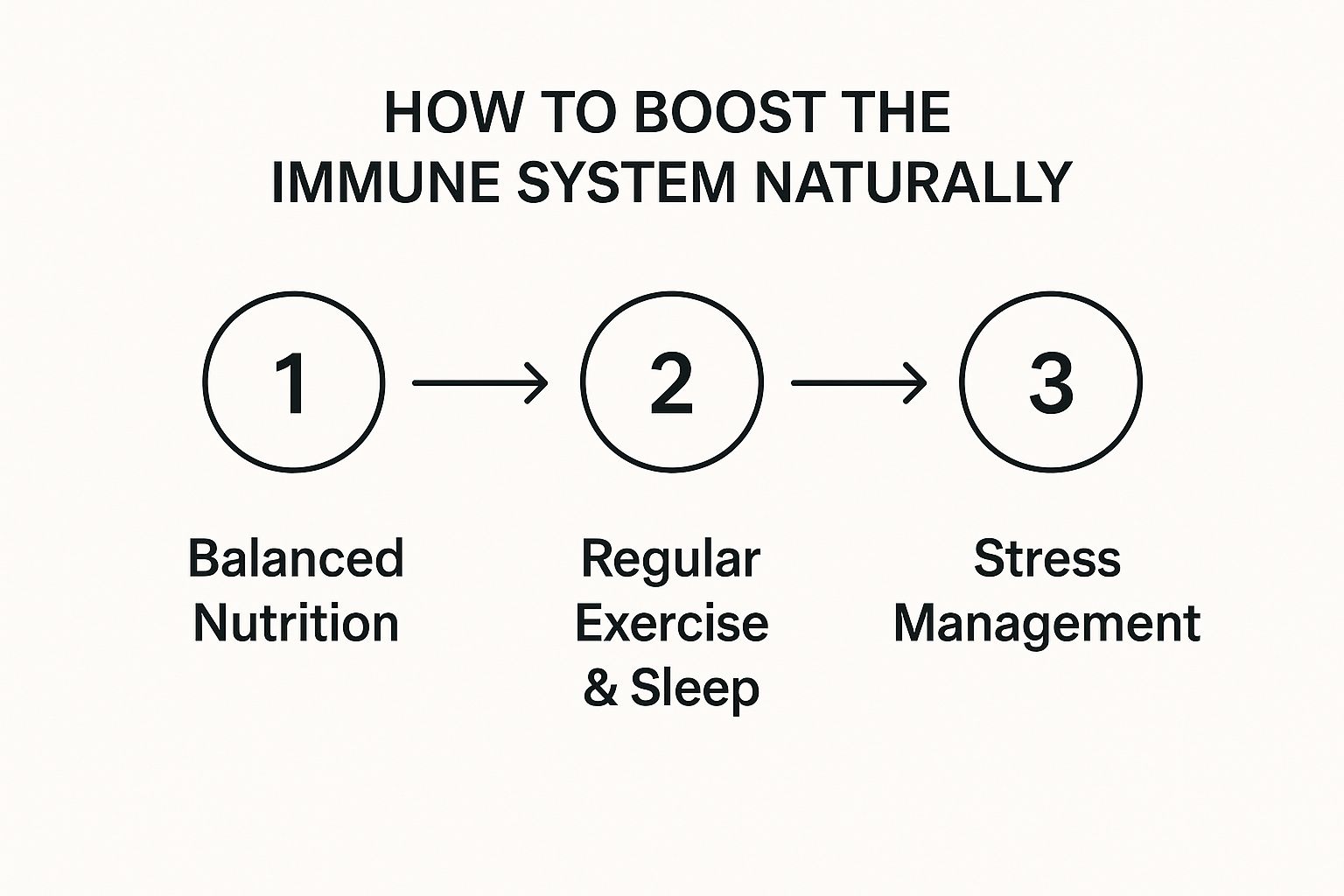
This simple graphic shows just how nutrition, rest, and stress management all work together as part of a single, cohesive strategy.

Image

As you can see, each element supports the others, creating that strong, holistic foundation we’re aiming for.

To boost your immune system naturally, focus on these four core areas for the most significant impact.

Quick Guide to Natural Immune Support

Focus Area Primary Goal Simple Starting Actions
Diet & Gut Health Nourish your microbiome and provide essential nutrients. Add one colourful vegetable to every meal; swap sugary drinks for water.
Quality Sleep Allow the body to repair and produce protective cytokines. Set a consistent bedtime; avoid screens for an hour before sleep.
Stress Management Lower cortisol levels that can suppress immunity. Try 5 minutes of deep breathing; take a short walk during your lunch break.
Mindful Movement Improve circulation and reduce inflammation. Go for a 20-minute walk; stretch for 10 minutes in the morning.

Focusing on these simple, consistent actions will do more for your long-term health than any crash diet or supplement ever could.

And don't forget the power of just getting outside. Beyond your daily routines, spending time in nature has been shown to reduce stress and encourage physical activity, both of which are fantastic for your immune system. You can even learn more about how camping can offer amazing health benefits from the experts. This whole-body approach prepares you to handle challenges effectively, so you’re not just fighting off sniffles but building lasting wellness from the ground up.

Nourish Your Body with an Immune-Boosting Diet

Image

While things like gut health and a good night's sleep are the foundations of wellness, what you put on your plate each day is arguably the most direct way to support your body's natural defences. An immune-boosting diet isn’t about strict rules or chasing after expensive, hard-to-find superfoods. It’s all about consistently giving your body the essential building blocks it needs to function at its peak.

Think of your immune system as a highly skilled army. For this army to be effective, it needs the right supplies—vitamins, minerals, and antioxidants—delivered daily through the food you eat. It’s like sending soldiers into battle without any gear; you just can't expect them to win.

The Power of Eating a Rainbow

The simplest and most effective strategy I always recommend is to "eat the rainbow." It’s more than just a catchy phrase; it's a practical way to ensure you're getting a wide spectrum of phytonutrients. These are the natural compounds in plants that have incredible antioxidant and anti-inflammatory properties. Each different colour in your fruits and veggies signals the presence of different immune-supporting nutrients.

A vibrant salad loaded with red capsicum, dark green spinach, and bright orange carrots, for example, provides a powerful mix of vitamins and minerals. The goal is to make your plate as colourful as possible with whole, unprocessed foods. This approach means you’re not just getting one or two key nutrients, but a whole team of them working together synergistically.

Key Nutrients for Your Immune Army

While a balanced diet is always the goal, some nutrients really are the superstars of immune function. Focusing on foods rich in these specific vitamins and minerals can give your body an extra edge.

Here are a few of the most important players to keep in mind:

  • Vitamin C: A well-known antioxidant that helps encourage the production of white blood cells. You'll find it in oranges, kiwifruit, capsicum, broccoli, and strawberries.
  • Vitamin D: Often called the "sunshine vitamin," it's absolutely crucial for activating our immune defences. It’s found in oily fish like salmon, egg yolks, and fortified milk.
  • Zinc: This mineral is essential for the development and communication of your immune cells. Great sources include lean meats, lentils, chickpeas, seeds, and nuts.
  • Selenium: A powerful antioxidant that helps lower oxidative stress in your body, which in turn reduces inflammation. Brazil nuts are an incredible source—just a few a day can do the trick! You can also find it in seafood and eggs.

Remember, the best approach is to get these nutrients from whole foods first. A juicy orange provides not just Vitamin C, but also fibre and other phytonutrients that a supplement simply can't replicate.

Incorporating these foods doesn't have to be complicated at all. A simple, hearty lentil soup can cover your zinc needs for the day, while a small handful of Brazil nuts provides your daily selenium.

For those looking to take their nutrition a step further, exploring the difference between conventionally grown and organic produce can be truly enlightening. If you want to dive deeper into this, we have a detailed guide where you can discover the benefits of organic food for better living. It all adds up to a stronger, more resilient you.

Get Some Sun on Your Skin (Seriously!)

Image

While a diet packed with nutrients gives your immune system the building blocks it needs, there’s one vital ingredient you just can't get from your plate. I'm talking about Vitamin D, the famous "sunshine vitamin." It's a real powerhouse for immune function, yet a surprising number of Aussies are running low, especially during those cooler, darker months.

This isn't just any old vitamin. It acts more like a hormone, playing a direct role in waking up our immune defences. It’s absolutely essential for helping our T-cells—the front-line soldiers of our immune system—to identify and fight off nasties. Without enough Vitamin D, these critical defenders can't respond as well as they should, leaving you more open to getting sick.

Smart Sun Exposure Across Australia

The best way to get enough Vitamin D is through smart, safe sun exposure. But the amount of time you need can change dramatically depending on where you are in Australia. Your location and the time of year are massive factors in how well your body can make this crucial nutrient.

Because Australia is so spread out, the sun’s UVB radiation changes a lot with latitude. If you're up north in a city like Cairns, you might only need about 9-12 minutes of daily sun in winter to keep your levels topped up. But head down south to Melbourne or Hobart, and that number jumps to between 26-47 minutes per day during the winter chill. For a deeper dive, check out this great resource on boosting your immune system.

Here are a few practical tips I've picked up for getting it right:

  • Timing is everything. In winter, aim for midday sun when the UVB rays are at their strongest. But in summer, stick to the early morning or late afternoon to avoid peak UV and lower your skin cancer risk.
  • Roll up your sleeves. You don’t need to sunbathe for hours. Just exposing your arms and legs for that short period is usually enough for your body to kickstart Vitamin D production.
  • Hold the sunscreen (for a moment). For that brief window, avoid putting sunscreen on the areas you’re exposing, as it blocks the UVB rays you need. Once your time is up, be sure to slap some on if you're staying outside.

It's all about finding that sweet spot. The goal is to get just enough sun to fire up Vitamin D production without increasing your risk of skin damage. Always check the daily UV index and be sun-smart.

Foods That Help (and When to Supplement)

While sunshine is your best bet, you can also support your Vitamin D levels through certain foods. It’s a great way to top up your intake, especially on those overcast days or in the depths of winter.

Try to work some of these Vitamin D-rich foods into your meals:

  • Oily Fish: Salmon, mackerel, and herring are fantastic natural sources.
  • Egg Yolks: Don't throw them out! The yolk is where all the vitamin goodness is concentrated.
  • Fortified Foods: Keep an eye out for milks, yoghurts, and cereals that have had Vitamin D added.

If you live in a southern state, have darker skin, or spend most of your time indoors, a supplement might be a smart move, particularly in winter. A quick blood test from your GP can tell you if you're running low. A good quality supplement can be a super effective way to boost your immune system naturally and make sure your internal bodyguards are always ready for action.

Small Lifestyle Changes That Make a Big Impact

Image

Beyond what you eat and how much sun you get, it's the small choices you make every single day that truly add up. These daily habits—how you sleep, manage stress, and move your body—have a massive and direct impact on your natural defences, creating either a resilient or a vulnerable immune system.

Think of it this way: you can eat all the oranges in the world, but if you’re chronically stressed and sleep-deprived, you’re constantly fighting an uphill battle. Let's look at the three most important lifestyle pillars that help you boost your immune system naturally.

Prioritise Quality Sleep

Sleep isn't a luxury; it's a non-negotiable for a strong immune response. While you're resting, your body is hard at work producing and releasing cytokines, a type of protein that targets infection and inflammation. When you don't get enough quality sleep, the production of these protective little warriors can drop.

For many of us, falling asleep isn't the issue—it's staying asleep. A few tweaks to your sleep hygiene can make a world of difference.

  • Create a Restful Environment: Your bedroom should be your sanctuary. Keep it cool, dark, and quiet. Blackout curtains or a good eye mask can be total game-changers.
  • Establish a Wind-Down Routine: An hour before bed, it’s time to put away the screens. That blue light can really mess with your body’s production of melatonin, the sleep hormone. Try reading a book, taking a warm bath, or listening to calming music instead.
  • Be Consistent: Try to go to bed and wake up around the same time every day, even on weekends. This simple habit helps regulate your body's internal clock, making sleep feel more natural.

Manage Your Daily Stress Levels

Chronic stress is one of the biggest saboteurs of your immune health. When you're constantly frazzled, your body pumps out cortisol. While this hormone is useful in short bursts (like when you're being chased by a tiger!), persistently high levels can suppress your immune system, leaving you more susceptible to every bug going around.

Finding simple, sustainable ways to manage stress is key. You don't need a week-long silent retreat; small daily actions are often far more effective. For instance, just spending a few minutes practising mindfulness or taking some deep breaths can lower your heart rate and bring a sense of calm to your day.

A simple five-minute walk in nature can be a powerful antidote to stress. The combination of fresh air, gentle movement, and natural scenery helps lower cortisol levels and reset your mind.

You can also look into practices like sauna therapy. There’s some interesting reading on how saunas can help with colds, and it's just another tool you can use to find a more balanced state of being.

Embrace Moderate and Consistent Movement

Regular, moderate exercise is a fantastic way to support your immune system. It gets your circulation going, allowing your immune cells to travel through your body more easily and do their job effectively. Plus, it's a great way to reduce inflammation.

The key word here is moderate. You don’t need to be training for a marathon. A brisk 30-minute walk, a gentle yoga session, or a weekend bike ride are all perfect. In fact, over-exercising can put too much stress on your body and have the opposite effect.

The goal is consistent, enjoyable movement that gets your blood pumping without leaving you completely depleted. Making it part of your routine—like laying out your workout clothes the night before—can make all the difference. If you're looking for other ways to stay organised and free up time, learning how to meal prep is another great life hack that can clear up your schedule for a bit of exercise.

Immunity-Boosting Juice and Smoothie Recipes

Knowing what to eat is one thing, but putting it all into practice needs to be simple and, most importantly, delicious. One of the best ways I’ve found to give my body a quick, concentrated hit of vitamins and minerals is with fresh juices and smoothies.

They’re a fantastic way to apply everything we’ve talked about, especially on those busy mornings when you need something nutritious on the go.

Here at Absolute Cravings, we’ve developed a couple of exclusive recipes designed to give your immune system a vibrant, tasty lift. These aren't just random ingredients thrown together; we've carefully selected each one for its specific health benefits, creating a powerful synergy to help you boost your immune system naturally.

Sunrise Immunity Juice

Think of this as a burst of liquid sunshine in a glass. It’s bright, zesty, and absolutely packed with Vitamin C and anti-inflammatory goodness. The flavour is a beautiful balance of sweet and sharp that really wakes you up while flooding your cells with nutrients.

Here’s what you’ll need:

  • 2 large oranges, peeled: The classic go-to for Vitamin C, which is essential for healthy white blood cell production.
  • 1 medium carrot: Full of beta-carotene, which our bodies cleverly convert into Vitamin A, another key player for immune health.
  • 1 small knob of fresh ginger (about 2cm): A real powerhouse anti-inflammatory and antioxidant.
  • 1 small knob of fresh turmeric (about 2cm): Contains curcumin, famous for helping to reduce inflammation.

How to make it:
Just give all your ingredients a good wash. Pop everything into your juicer and process until it’s lovely and smooth. Here’s a little tip: to get the most out of the turmeric, add a tiny pinch of black pepper to your finished juice. It dramatically helps your body absorb the curcumin.

The combination of ginger and turmeric is what really makes this juice special. It not only adds a warming, spicy kick but actively works to calm inflammation, allowing your immune system to focus its energy on fighting off actual threats.

Green Defence Smoothie

If you’re after something a bit more filling, this creamy green smoothie is a powerhouse of antioxidants and fibre. It’s designed to be gentle on your system while providing sustained energy and all the good stuff your body’s defences need to stay strong.

What to grab:

  • 1 large handful of fresh spinach: Loaded with antioxidants and vitamins C and E.
  • ½ a banana, frozen: This is my secret for a super creamy texture, plus it adds potassium.
  • ¼ avocado: A brilliant source of healthy fats, which are crucial for the function of your immune cells.
  • 1 scoop of protein powder (optional): Great for an extra boost to support cell repair and keep you full.
  • 1 cup of almond milk (or water): The liquid base to bring it all together smoothly.

Putting it together:
Combine everything in a high-speed blender and blitz until it’s completely smooth and creamy. If you're new to the world of smoothies or just want to perfect your technique, be sure to check out our complete guide on how to make healthy smoothies. This recipe is a truly delicious way to nourish your body from the inside out.

Common Questions About Natural Immunity

Dipping your toes into the world of natural wellness can bring up a lot of questions. With so much information out there, it’s easy to get overwhelmed and feel unsure about the best way forward. Let's clear up some of the most common queries I hear, so you can feel confident on your journey to boost your immune system naturally.

We'll tackle the big ones—from whether you can just pop a pill instead of eating your greens, to how long it actually takes to see real, lasting results.

Can I Just Take Supplements Instead of Changing My Diet?

This is a question I get asked all the time, and it's a great one. While high-quality supplements like Vitamin D can definitely play a supportive role, especially if you have a specific deficiency, they can never truly replace the power of a nutrient-packed diet.

Think of it like this: a whole orange gives you Vitamin C, sure, but it also comes with fibre, phytonutrients, and a whole team of other compounds that work together. A supplement, on the other hand, just gives you one isolated nutrient.

Whole foods provide a complex, synergistic mix of vitamins, minerals, and fibre that work together to support your immune system. Always prioritise a food-first approach and view supplements as a potential ‘top-up,’ not the foundation of your health.

Your body is designed to recognise and use the complete nutritional package that real food provides. It’s simply more effective.

How Long Does It Take to Naturally Boost My Immune System?

Building a truly resilient immune system is more of a marathon than a sprint. While you might start to feel more energetic or notice you’re sleeping better within a few weeks of making positive changes, the deep, foundational improvements take time and, most importantly, consistency.

There’s no magic switch. The real goal here is to adopt these healthy habits—like eating more colourful veggies, getting regular movement, and making sleep a priority—as a sustainable lifestyle, not just a short-term fix.

After several months of consistent effort, you'll likely notice the real payoff. You might get sick less often, or when you do catch a bug, you'll find you bounce back much quicker. That's the real win.

Does Exercising Too Much Weaken the Immune System?

Yes, it absolutely can. While regular, moderate exercise is one of the best things you can do for your immune health, it’s definitely possible to have too much of a good thing. Overtraining without giving your body enough time for rest and recovery puts a huge amount of stress on your system.

This physical stress can actually dampen your immune function, leaving you more vulnerable to infections. It's all about finding that sweet spot.

  • Focus on Moderation: Things like brisk walking, jogging, cycling, or yoga are fantastic for supporting immunity without overdoing it.
  • Listen to Your Body: Pay close attention to signs of fatigue or burnout. Don't just push through when your body is screaming for a break.
  • Schedule Recovery: Be intentional about planning rest days into your weekly routine. This is when your body actually repairs itself and gets stronger.

The key is to keep moving consistently without pushing yourself to the brink of exhaustion.


Ready to put these immune-boosting principles into delicious action? At Absolute Cravings, we craft fresh juices, healthy smoothies, and nutritious meals designed to nourish your body from the inside out. Visit us in Townsville or check out our menu online at https://www.absolutecravings.com.au.

9 Best Foods for Mental Health to Boost Your Mood in 2025

In our fast-paced world, supporting our mental health has never been more critical. While conversations often centre on therapy and mindfulness, one of the most powerful tools we have is right on our plates. The link between diet and mental wellbeing, a field known as nutritional psychiatry, is gaining significant scientific attention, highlighting how what we eat directly impacts our brain's structure, chemistry, and function. Choosing the right foods can help manage stress, improve mood, and sharpen cognitive function.

Understanding the foundational nutrients for mental well-being, such as the various roles and the benefits of the Vitamin B complex for brain health, is the first step. This guide is designed to move beyond theory and provide actionable insights into the best foods for mental health. We will explore a curated list of powerhouse ingredients, from fatty fish and dark leafy greens to avocados and dark chocolate.

For each food, you'll discover the specific nutrients at play and their roles in supporting your brain. We'll offer practical ways to incorporate them into your daily routine, whether you're cooking at home or looking for healthy options while out and about. We’ll even point you towards some nourishing choices available right here at Townsville's Absolute Cravings cafe, making it easier than ever to build a diet that supports both body and mind.

1. Fatty Fish (Salmon, Mackerel, Sardines)

Fatty fish like salmon, mackerel, and sardines are powerhouses for brain health, earning their spot as one of the best foods for mental health. Their incredible benefits stem from a high concentration of omega-3 fatty acids, specifically eicosapentaenoic acid (EPA) and docosahexaenoic acid (DHA). These are not just any fats; they are essential building blocks for our brain cells, helping to reduce inflammation and ensure smooth communication between neurons.

Fatty Fish (Salmon, Mackerel, Sardines)

The brain is nearly 60% fat, and having an adequate supply of DHA and EPA is crucial for maintaining its structure and function. Research consistently links higher consumption of omega-3s with lower rates of depression. For instance, populations in countries with high fish intake, like Japan, often report better mental health outcomes.

How to Incorporate Fatty Fish

Getting these benefits is easier than you think. Aim for two to three servings (about 100-150 grams each) of fatty fish per week. This regular intake ensures a steady supply of brain-boosting omega-3s.

  • Choose Wisely: Opt for wild-caught fish when possible, as it often has a more favourable omega-3 to omega-6 ratio than some farm-raised varieties.
  • Cook Smart: Preserve the delicate omega-3s by grilling, baking, or steaming your fish. High-heat frying can damage these healthy fats.
  • Pair for Power: Combine your fish with leafy greens like spinach or kale. The vitamins and minerals in the greens can enhance the body's absorption and utilisation of omega-3s.

2. Dark Leafy Greens (Spinach, Kale, Swiss Chard)

Dark leafy greens like spinach, kale, and Swiss chard are nutritional champions, making them some of the best foods for mental health. Their power lies in a dense concentration of vital nutrients, particularly folate (a B vitamin), magnesium, and antioxidants. These compounds play a direct role in supporting brain function and mood regulation by aiding the synthesis of crucial neurotransmitters like serotonin and dopamine, and by combating oxidative stress that can damage brain cells.

Dark Leafy Greens (Spinach, Kale, Swiss Chard)

The link between these nutrients and mental wellness is well-documented. For example, the extensive Nurses' Health Study found a significant association between higher folate intake and a lower risk of depression. Similarly, research into the MIND diet consistently highlights the cognitive benefits of regularly consuming leafy greens. A deficiency in magnesium, which is abundant in these vegetables, has also been linked to heightened anxiety symptoms, underscoring their importance for a calm and stable mood.

How to Incorporate Dark Leafy Greens

Integrating these potent greens into your diet is simple and versatile. Aim for at least one to two servings daily to consistently fuel your brain with these essential nutrients.

  • Blend Them In: If you're not a fan of the taste, adding a large handful of spinach or kale to a fruit smoothie is an excellent way to get the benefits without the bitter flavour.
  • Sauté for Flavour: Gently sautéing greens like Swiss chard with garlic and a drizzle of olive oil enhances their taste and makes the nutrients more bioavailable. This technique can be a great starting point for developing healthy family meal ideas.
  • Rotate Your Greens: Different greens offer slightly different nutrient profiles. Rotate between spinach, kale, rocket, and collard greens to ensure you're getting a wide array of vitamins and minerals.

3. Blueberries

Blueberries are true antioxidant powerhouses, making them one of the best foods for mental health. Their deep blue colour comes from compounds called anthocyanins, a type of flavonoid known to combat oxidative stress and inflammation in the brain. These powerful antioxidants help protect brain cells from damage, which is crucial for maintaining cognitive function and supporting a stable mood.

Blueberries

The benefits of these small berries are well-documented. Research, including long-term studies from Harvard, has linked regular blueberry consumption to a slower rate of cognitive decline in older adults. Furthermore, the anthocyanins found in blueberries have been shown in studies to reduce depression-like behaviours and improve memory, making them a delicious and effective way to nourish your mind.

How to Incorporate Blueberries

Integrating these brain-boosting berries into your daily routine is simple and enjoyable. Aim for about half a cup to one cup per day to reap the cognitive and mood-enhancing benefits. This consistent intake ensures your brain gets a steady supply of protective antioxidants.

  • Go Frozen: Fresh blueberries are great, but frozen berries are just as nutritious and available year-round. They are perfect for smoothies and are often more budget-friendly.
  • Add Them Everywhere: Sprinkle blueberries over your morning oats, mix them into yoghurt, or blend them into a smoothie. They also make a fantastic, naturally sweet snack on their own.
  • Seek Out Wild Varieties: When you can find them, choose wild blueberries. They are typically smaller and have a higher concentration of antioxidants compared to their cultivated counterparts.

4. Avocados

Avocados are much more than a trendy toast topping; they are a creamy, nutrient-dense fruit that stands out as one of the best foods for mental health. Their power lies in a unique combination of healthy monounsaturated fats, folate, and vitamin K, all of which support optimal brain function and mood regulation. These healthy fats are crucial for improving blood flow to the brain, which in turn enhances cognitive performance and supports the absorption of other vital nutrients.

Avocados

The high folate content in avocados is particularly noteworthy for its role in mental wellbeing. Research has consistently linked adequate folate intake with a reduced risk of depression, as this B-vitamin is essential for producing neurotransmitters like serotonin and dopamine. Furthermore, the inclusion of avocados in diets like the Mediterranean diet has been associated with improved cognitive function and overall mental health outcomes, solidifying their brain-boosting credentials.

How to Incorporate Avocados

Adding this versatile fruit to your diet is simple and delicious. Aim for about a quarter to half an avocado daily to reap its mental health benefits without overdoing the calories.

  • Boost Your Salads: Add sliced avocado to your salads. Its healthy fats help your body absorb fat-soluble vitamins (A, D, E, and K) from other vegetables more effectively.
  • Make a Healthy Swap: Use mashed avocado as a creamy and nutrient-rich replacement for butter on toast or mayonnaise in sandwiches and wraps.
  • Store Smartly: To keep a cut avocado fresh, leave the pit in the unused half, squeeze some lemon or lime juice over the flesh, and store it in an airtight container in the fridge.

5. Nuts and Seeds (Walnuts, Almonds, Pumpkin Seeds)

Nuts and seeds are small but mighty additions to any diet, packing a concentrated punch of nutrients that makes them one of the best foods for mental health. They are rich sources of healthy fats, protein, and crucial minerals like magnesium and zinc, all of which play a significant role in supporting brain health and regulating mood. These nutrients provide sustained energy and are vital for neurotransmitter function, helping to reduce brain inflammation and enhance cognitive performance.

Walnuts, for instance, are particularly high in alpha-linolenic acid (ALA), a plant-based omega-3 fatty acid linked to reduced symptoms of depression. Meanwhile, pumpkin seeds are an excellent source of zinc and magnesium, minerals often found to be deficient in individuals with anxiety disorders. This powerful combination of nutrients helps protect brain cells from oxidative stress and supports the complex processes that govern our emotional well-being.

How to Incorporate Nuts and Seeds

Adding these nutrient-dense snacks to your daily routine is simple and effective. A small handful is often enough to reap the rewards, making them an easy and convenient option for busy professionals.

  • Portion Control: Stick to a serving size of about 1 ounce (a small handful) per day to get the benefits without excess calories.
  • Choose Wisely: Opt for raw or lightly roasted varieties over heavily salted or sugar-coated options to maximise health benefits.
  • Rotate for Variety: Different nuts and seeds offer unique nutritional profiles. Rotate between walnuts, almonds, chia seeds, and pumpkin seeds to ensure a wide range of benefits.
  • Plan Ahead: Pre-portioning nuts and seeds into small containers can be a great addition to your weekly routine. You can learn more about how to meal prep on absolutecravings.com.au for more time-saving tips.

6. Greek Yogurt

Greek yogurt is much more than a breakfast staple; it's a key player in the lineup of best foods for mental health. Its power lies in its rich probiotic content, which supports the fascinating connection known as the gut-brain axis. The live bacteria in Greek yogurt help cultivate a healthy gut microbiome, which is crucial for producing neurotransmitters like serotonin and dopamine that regulate our mood and emotions.

Emerging research, popularised by experts like Dr. Emeran Mayer, continues to uncover how our gut health directly influences our mental state. Studies have shown that regular consumption of probiotic-rich foods can lead to reductions in symptoms of anxiety and depression. Additionally, Greek yogurt is an excellent source of protein and B vitamins, particularly B12, which are vital for nerve function and energy metabolism, further supporting cognitive health.

How to Incorporate Greek Yogurt

Adding this creamy, nutrient-dense food to your diet is simple and delicious. Aim for a serving a few times a week to consistently nourish your gut microbiome and support your mental wellbeing.

  • Go Plain and Unsweetened: Choose plain Greek yogurt to avoid the added sugars found in flavoured varieties, which can negatively impact gut health.
  • Boost with Toppings: Enhance its benefits by adding fresh berries for antioxidants, a sprinkle of nuts for healthy fats, or a drizzle of honey for natural sweetness.
  • Check the Label: Look for labels that mention "live and active cultures" and list multiple strains of bacteria to ensure you're getting a potent probiotic boost.
  • Pair for Power: Enjoy it as a base for a smoothie, a topping for savoury dishes like curries, or as a healthy swap for sour cream to easily integrate it into various meals.

7. Dark Chocolate (70% cacao or higher)

Dark chocolate is a delightful treat that also qualifies as one of the best foods for mental health, provided you choose the right kind. The magic lies in its high cacao content, which is packed with powerful plant compounds called flavonoids. These antioxidants, particularly epicatechin and catechin, are known to improve blood flow to the brain, enhancing cognitive function and protecting brain cells from oxidative stress.

Beyond flavonoids, dark chocolate contains several mood-influencing compounds, including phenylethylamine, which can trigger the release of endorphins, our body's natural "feel-good" chemicals. It's also a great source of essential minerals like magnesium and iron, both of which play crucial roles in regulating mood and energy levels. Research from nutritional neuroscience studies has even linked regular, moderate consumption of dark chocolate to reduced symptoms of depression and lower levels of stress hormones like cortisol.

How to Incorporate Dark Chocolate

Enjoying the mental health benefits of dark chocolate is simple, but mindfulness is key to keeping it a healthy habit.

  • Choose High Cacao: Always opt for dark chocolate with 70% cacao or higher. The higher the percentage, the more flavonoids and less sugar it contains.
  • Practise Portion Control: A small amount goes a long way. Stick to a serving of one to two squares (about 20-30 grams) per day to get the benefits without excess calories.
  • Pair for Balance: Combine a piece of dark chocolate with a handful of nuts or seeds. The protein and healthy fats will help stabilise blood sugar and provide sustained energy.
  • Time It Right: Enjoy your chocolate earlier in the day. It contains a small amount of caffeine and theobromine, which could potentially disrupt sleep if consumed too close to bedtime.

8. Sweet Potatoes

Sweet potatoes are a standout complex carbohydrate, earning their place as one of the best foods for mental health. Their vibrant orange hue comes from beta-carotene, a powerful antioxidant the body converts to vitamin A, which helps combat oxidative stress in the brain. Unlike simple sugars that cause energy spikes and crashes, sweet potatoes provide a slow, sustained release of glucose, ensuring your brain has a steady fuel supply to function optimally.

This steady energy is crucial for maintaining mood stability. The complex carbohydrates in sweet potatoes also support the production of serotonin, a neurotransmitter that promotes feelings of well-being and calmness. Their high fibre content further aids in stabilising blood sugar levels, preventing the irritability and mood swings associated with glucose fluctuations.

How to Incorporate Sweet Potatoes

Adding this nourishing root vegetable to your diet is simple and delicious. Aim to include sweet potatoes in your meals a few times a week to consistently reap their mental health benefits.

  • Cook Smart: Preserve their nutrients by baking, steaming, or roasting instead of frying. This method keeps them healthy and brings out their natural sweetness.
  • Eat the Skin: The skin is packed with extra fibre and nutrients. Just give it a good scrub before cooking and enjoy the added health boost.
  • Create Balanced Meals: Pair sweet potatoes with a source of protein and healthy fats, like chicken and avocado, to create a well-rounded meal that supports stable blood sugar and sustained energy.

9. Green Tea

Green tea is a revered beverage that offers a unique combination of calming and focusing effects, solidifying its place among the best foods for mental health. Its power lies in the amino acid L-theanine, which promotes relaxation without drowsiness, and a gentle amount of caffeine that enhances alertness. This synergy creates a state of calm focus, helping to reduce anxiety and improve mood.

The high concentration of antioxidants, particularly catechins like epigallocatechin gallate (EGCG), also plays a crucial role in protecting brain cells from oxidative stress. Research links regular green tea consumption to improved cognitive function and a lower risk of neurodegenerative diseases. This ancient beverage has long been a staple in cultures like Japan, where it's valued for its contribution to both mental and physical wellbeing. Savouring a warm cup can be an excellent practice in mindful eating.

How to Incorporate Green Tea

Integrating green tea into your daily routine is a simple and enjoyable way to support your mental state. Aim for two to three cups daily to experience its full benefits.

  • Steep Correctly: To maximise the L-theanine extraction, steep your green tea in hot (not boiling) water for 3-5 minutes. Over-steeping or using water that is too hot can result in a bitter flavour.
  • Choose Quality: Opt for high-quality, organic loose-leaf or bagged green tea varieties, such as matcha or sencha, for a richer antioxidant and L-theanine content.
  • Time it Right: Be mindful that green tea can inhibit iron absorption. It’s best to enjoy your cup between meals rather than alongside an iron-rich dish.

Top 9 Foods for Mental Health Comparison

Item Implementation Complexity 🔄 Resource Requirements ⚡ Expected Outcomes 📊 Ideal Use Cases 💡 Key Advantages ⭐
Fatty Fish (Salmon, Mackerel, Sardines) Moderate – requires proper storage & prep Moderate – cost and sourcing wild-caught fish Reduces depression symptoms up to 25%, supports neurotransmitter production Mental wellness, brain inflammation reduction High omega-3 bioavailability, cognitive support
Dark Leafy Greens (Spinach, Kale, Swiss Chard) Low – simple prep but may require washing/sautéing Low – affordable and widely available Supports serotonin & dopamine production, reduces stress response Everyday meals, stress management High folate & magnesium, versatile
Blueberries Low – ready to eat or minimal prep Moderate – can be costly, seasonal Improves memory, cognitive function, antioxidant neuroprotection Cognitive health, antioxidant boost Highest antioxidant capacity, natural sweetener
Avocados Low – easy to consume but short shelf life Moderate – relatively expensive Supports neurotransmitter production, steady blood sugar, sustained energy Mood regulation, nutrient absorption enhancement Rich in healthy fats, versatile ingredient
Nuts and Seeds (Walnuts, Almonds, Pumpkin Seeds) Low – no cooking needed, portion control needed Low to moderate – can be costly, allergens Supports serotonin, reduces cortisol, improves cognition Portable snacks, brain health support Rich in omega-3s, magnesium, long shelf life
Greek Yogurt Low – minimal prep, watch for added sugars Moderate – varies by quality and brand Promotes GABA & serotonin in gut, reduces anxiety and depression symptoms Gut-brain support, probiotic benefits High protein & probiotics, gut microbiome aid
Dark Chocolate (70% cacao or higher) Low – ready to eat, portion control important Low to moderate – cost varies Boosts mood, improves blood flow, reduces cortisol Mood boost, cognitive support High flavonoids, immediate mood enhancement
Sweet Potatoes Moderate – requires cooking time Low – affordable root vegetable Supports serotonin via steady carbs, maintains energy levels Stable blood sugar, mood regulation Complex carbs, beta-carotene rich
Green Tea Low – simple brewing process Low – affordable and widely available Promotes calm focus, reduces anxiety, supports memory Relaxation with alertness, antioxidant support L-theanine & caffeine combo, brain protection

Your Plate, Your Mind: Putting Knowledge into Action

Navigating the journey towards improved mental wellbeing can feel complex, but as we’ve explored, the power to positively influence your mind is often as close as your next meal. The connection between diet and mental health is not a fleeting trend; it is a fundamental aspect of our biology. The foods we have detailed, from omega-3-rich fatty fish and antioxidant-packed blueberries to probiotic-filled Greek yoghurt, are more than just ingredients. They are powerful tools you can use daily to build a more resilient, focused, and balanced mind.

Summarising the core message of this guide, consistency outweighs perfection. You don't need to overhaul your entire diet overnight. The goal is to make small, sustainable shifts that accumulate over time. Think of it as a gradual upgrade to your brain's operating system, providing it with the high-quality fuel it needs to function optimally. Incorporating these best foods for mental health is an act of self-care, a deliberate choice to prioritise your cognitive and emotional wellness with every bite.

Key Takeaways for Lasting Change

To truly harness these benefits, let’s distil our findings into actionable principles:

  • Embrace Nutrient Density: Focus on foods that offer a high concentration of vitamins, minerals, and beneficial compounds. Dark leafy greens, avocados, and nuts are prime examples, delivering everything from folate to healthy fats that directly support brain structure and function.
  • Prioritise Gut Health: The gut-brain axis is a critical pathway for mental health. Fermented foods like Greek yoghurt introduce beneficial bacteria that help regulate mood-influencing neurotransmitters like serotonin.
  • Fight Inflammation and Oxidative Stress: Chronic inflammation can negatively impact mental health. Foods like salmon, dark chocolate, and green tea are packed with anti-inflammatory compounds and antioxidants that protect your brain cells from damage.

Your Practical Next Steps

Making these changes a seamless part of your life is the ultimate goal. Start by choosing just one or two foods from our list to integrate into your weekly routine. Perhaps it's adding a handful of spinach to your morning smoothie or swapping a sugary afternoon snack for a small piece of dark chocolate and a handful of almonds. To effectively put knowledge into action and maintain a balanced diet, exploring a comprehensive healthy meal plan and tasty recipes can be incredibly beneficial, providing structure and inspiration for your meals.

Remember, every meal is an opportunity to nourish your mind. By consciously choosing these brain-boosting foods, you are not just eating; you are investing in your long-term mental clarity, emotional stability, and overall vitality. This proactive approach empowers you to take control, fostering a profound sense of wellbeing that radiates from the inside out.


Ready to put this knowledge into practice without the hassle? Visit Absolute Cravings next to the Palmetum Gardens in Townsville or browse our menu online for delicious, chef-prepared meals designed to nourish your mind and body. Let us make healthy eating simple and enjoyable for you. Absolute Cravings

How to Eat Healthier an Aussie’s Guide

So, you're wondering how to start eating healthier without turning your entire life upside down? The real secret isn't some crazy, restrictive diet. It's about making small, smart changes that you can actually stick with. Think less about deprivation and more about adding good stuff in, like whole foods, and making simple swaps that leave you feeling energised.

A Realistic Path to Better Health

Let's be honest, the whole "healthy eating" world can feel pretty overwhelming. There's so much conflicting advice out there, it's easy to just throw your hands up and give in. But the key isn't to aim for perfection from day one. It's about making gradual, conscious choices that build momentum. This is all about nourishing your body and feeling good, not punishing yourself.

The goal here is to build habits that last a lifetime, not just for a few weeks. By focusing on a few core ideas, you can lay a solid foundation for your health without all the stress. It really does start with simple, doable steps.

Why the Small Stuff is a Big Deal

Ever wondered why those drastic diets almost never work long-term? It's because they're completely unsustainable. They often lead to a frustrating cycle of restriction, followed by caving and feeling guilty. Making small adjustments, on the other hand, is so much easier to weave into your daily routine. They feel less like a chore and more like a natural part of your life.

Think of it like building a house, one brick at a time. Each healthy choice you make is another brick. Over time, those bricks create a seriously strong and resilient foundation for your health.

For a lot of us here in Australia, making these changes is more critical than ever. The 2023 Global Nutrition Report pointed out that around 31.3% of adult women and 32.8% of adult men in Australia are living with obesity, which is often linked to poor dietary habits. These aren't just numbers; they're a clear sign that building healthier eating habits is crucial for our long-term wellbeing. If you want to dive deeper, you can explore more data about nutrition in Australia to get the full picture.

The secret to lasting change is consistency, not intensity. A small, positive choice made every day is far more powerful than a massive, short-lived effort.

This approach does wonders for your confidence. You avoid the burnout that almost always comes with radical diet overhauls. When you start celebrating the small wins—like adding a side salad to your lunch or choosing water over a soft drink—you're reinforcing those positive behaviours. These little victories add up, leading to significant health benefits without making you feel like you've given up everything you love.

Building Your Plate the Smart Way

Forget about the stress of counting every single calorie. A far simpler and more sustainable way to approach healthy eating is to just picture your plate before you even start cooking. This method, often called the ‘Healthy Plate Model’, is a fantastic tool for building balanced meals without getting bogged down in the maths.

The idea is refreshingly straightforward: you divide your plate into sections to make sure you're getting a good mix of nutrients every time you eat. It’s not some rigid diet; think of it more as a flexible guide that helps you make smarter choices, meal after meal. This visual cue makes healthy eating feel practical and a whole lot less intimidating.

The Anatomy of a Healthy Plate

The model is incredibly easy to follow. Just imagine drawing a line down the middle of your plate, then splitting one of those halves in two. That leaves you with three sections to fill with wholesome foods.

  • Half Your Plate with Colourful Veggies: This is the biggest section, and for good reason. Vegetables are absolutely packed with vitamins, minerals, and fibre, which all work to keep you full and properly nourished. Think leafy greens, broccoli, carrots, capsicum, and tomatoes.
  • A Quarter with Lean Protein: Protein is crucial for building and repairing tissues in your body, and it's a champion at keeping you satisfied. Great Aussie choices include grilled chicken, fish, lean kangaroo sausages instead of processed snags, or plant-based options like lentils and chickpeas.
  • A Quarter with Whole Grains: These are your body's source of slow-release energy, the stuff you need to power through your day. Go for things like brown rice, quinoa, whole-wheat pasta, or a nice slice of dense wholegrain bread.

Putting It into Practice Tonight

This isn't just theory; it's something you can start doing right now. For example, if you're making a spaghetti bolognese for dinner, try bulking up the sauce with grated carrot and zucchini, and maybe toss in a handful of red lentils. You could also swap out the regular white pasta for a legume-based version to really boost the protein and fibre.

You can even apply this principle when you're grabbing takeaway. Ordering a curry? Just ask for extra steamed veggies on the side and choose brown rice. That one simple tweak instantly improves the nutritional balance of your meal.

The goal isn’t perfection. It’s about making a conscious effort to add more of the good stuff to every plate. Small, consistent improvements are what really lead to significant, long-term health benefits.

If you want a bit of extra help putting together balanced meals and making sure you get plenty of variety, you could look into specialized nutrition builder tools that can simplify the planning process even further.

This handy visual breaks down the simple, three-step process for putting your meal together.

Image

The image really reinforces the idea that building a healthy meal starts with a solid foundation of protein and whole grains, then gets a massive nutrient boost from a wide variety of vegetables. By following this simple flow, you set yourself up to create balanced, satisfying meals every single time.

Navigating the Supermarket Like a Pro

Image

The path to healthier eating doesn't kick off in your kitchen—it starts the second you grab a trolley at the supermarket. A well-planned grocery shop is your secret weapon, setting the stage for a week of great food choices. It’s really all about having a game plan to fill your trolley with the good stuff and cleverly sidestep those less-than-healthy temptations.

A brilliant, time-tested strategy is to shop the perimeter of the store first. This is almost always where you'll find the fresh, whole foods: vibrant fruits and veggies, lean meats, fish, eggs, and dairy. If you can fill most of your trolley from these outer edges, you're already winning before you even head down the inner aisles.

Those centre aisles are notorious for being a minefield of highly processed foods, sugary snacks, and refined carbs that can easily throw a spanner in the works. Of course, not everything in the middle is off-limits, but going in with a trolley already brimming with fresh produce makes it so much easier to stick to your list and avoid those impulse buys.

Demystifying Nutrition Labels

At first glance, food labels can feel like you're trying to crack a secret code. But it doesn't have to be so complicated. One of the most powerful tools you have is the 'per 100g' column on the nutrition information panel. This little column is your best friend because it gives you a standard measure to fairly compare different products, no matter what the packet claims the "serving size" is.

To keep things simple, focus on a few key numbers. When you're comparing products, use the 'per 100g' column to find options with lower amounts of sugar, sodium, and saturated fat. This quick check is a fantastic way to uncover the hidden nasties in things that might seem healthy, like sauces, breakfast cereals, and even some yoghurts. If you want to dive deeper, you can learn more about how to read nutrition labels effectively and feel more confident in your choices.

Making a habit of checking the 'per 100g' column is one of the quickest ways to improve your food choices. It cuts through confusing marketing claims and gives you the real story.

Stocking a Health-Ready Pantry

Think of a well-stocked pantry as your trusty sidekick on a busy weeknight. It’s what makes throwing together a nutritious meal feel effortless, saving you from that last-minute dash to the shops. When you've got the essentials on hand, you've always got the building blocks for a healthy dish.

Here are a few staples to keep your pantry ready for action:

  • Whole Grains: Things like quinoa, brown rice, rolled oats, and whole-wheat pasta provide fantastic, slow-release energy.
  • Legumes: Canned chickpeas, black beans, and lentils are cheap, cheerful, and packed with protein and fibre.
  • Healthy Fats: A good supply of nuts, seeds, and extra virgin olive oil is brilliant for adding flavour and essential nutrients.
  • Canned Goods: Tinned tomatoes and canned fish (like tuna or salmon in springwater) are lifesavers for quick, no-fuss meals.

Having these basics ready to go takes the guesswork out of dinner and makes healthy eating the most convenient choice.

Rethinking Your Relationship With Treats

Image

Let’s be honest, we all have them. Those little extras that make life a bit sweeter—the biscuit with your afternoon coffee, a fizzy drink on a hot day, or that Friday night takeaway you’ve been dreaming of all week. These are often called "discretionary foods," and they’re a normal part of life.

The goal isn't to cut them out entirely. In my experience, trying to banish your favourite treats just leads to a cycle of craving and guilt, which can backfire spectacularly. It's not about restriction; it's about shifting your mindset.

We're aiming for a more mindful approach, where you make conscious choices that support your wellbeing without feeling like you're missing out. It’s a subtle but powerful change that makes healthy eating feel sustainable, not like a chore.

This is a pretty big deal here in Australia. Our growing love for these discretionary foods is becoming a major health challenge. In fact, a CSIRO study has forecast our intake of these items could jump by a staggering 18% by 2030, while fruit consumption is expected to drop. That’s a worrying trend, and it highlights just how much our small, daily choices matter.

Finding a Sustainable Balance

So, how do you enjoy treats without derailing your health goals? I’m a big fan of the ‘80/20 rule’. Think of it less as a rigid diet and more as a flexible guideline for your life.

The idea is simple: focus on fuelling your body with nutritious, whole foods about 80% of the time. The other 20% is freed up for those foods you truly love and enjoy, no strings attached.

This approach dismantles that "all-or-nothing" thinking that trips so many people up. Had a slice of birthday cake at the office? Fantastic! That easily fits into your 20%. It gives you the freedom to navigate social events and savour your favourite things without a hint of guilt.

Smart Swaps and Portion Power

Another game-changing strategy is to make simple, satisfying swaps for your go-to cravings. It's all about finding healthier alternatives that still hit the spot.

Here are a few ideas to get you started:

  • Craving ice cream? A bowl of thick, creamy Greek yoghurt topped with fresh berries and a drizzle of honey offers that same sweet satisfaction but with a protein and antioxidant boost.
  • Need a salty crunch? Instead of crisps, try a handful of lightly salted air-popped popcorn, roasted chickpeas, or some crunchy carrot sticks with hummus.
  • Want a fizzy drink? Sparkling water infused with fresh mint, lime, and a few berries can be just as refreshing as a sugary soft drink.

Sometimes a craving is very specific, and a healthy swap just won’t cut it. That’s perfectly fine. This is where portion size becomes your best friend.

Often, you don’t need a huge amount to feel satisfied. Enjoying one or two squares of high-quality dark chocolate, and really savouring them, can be far more fulfilling than mindlessly eating a whole block of the cheap stuff. This comes down to tuning into your body’s signals, which is a huge part of understanding what mindful eating truly is.

To make this even easier, here are some common cravings and the simple, healthier alternatives you can try instead.

Healthier Alternatives to Common Cravings

If You're Craving… Try This Healthier Option The Health Benefit
Lollies or Gummy Sweets A small handful of frozen grapes or a bowl of mixed berries. You get natural sweetness, fibre, and antioxidants without the refined sugar.
Potato Crisps Kale chips, roasted chickpeas, or veggie sticks with dip. These options provide fibre and nutrients, unlike deep-fried crisps.
Sugary Soft Drinks Sparkling water with a squeeze of lemon, lime, or fresh mint. You get the refreshing fizz without the empty calories and sugar crash.
Chocolate Milkshake A smoothie made with cacao powder, a frozen banana, and milk. This swap is rich in potassium and antioxidants, with far less added sugar.
A Greasy Takeaway Burger A homemade burger on a wholemeal bun with lots of fresh salad. You control the quality of the ingredients and reduce the saturated fat content.

Finding swaps you genuinely look forward to is the secret. It’s not about punishment or deprivation, but about discovering new, delicious ways to nourish yourself while still satisfying those inevitable cravings.

Healthy Eating for a Busy Lifestyle

Image

Let's be honest, a jam-packed schedule is probably the biggest roadblock to eating well. When you’re constantly juggling work, family, and trying to have some semblance of a social life, the convenience of takeaway or a quick, processed snack often wins out. But staying on track doesn't mean you have to spend your entire Sunday chained to the kitchen.

The real secret is finding clever shortcuts and simple strategies that fit into the life you already have. It's about working smarter, not harder, to make nutritious choices the easiest option, even on your most frantic days.

This isn't about some massive, intimidating overhaul. It’s about finding those small pockets of opportunity, like cooking a double batch of dinner so you have a healthy lunch ready to go for the next day. A little bit of forward-thinking can completely change the game.

Time-Saving Kitchen Hacks

You don't need a complex, Instagram-worthy system to get ahead. A bit of simple preparation can save you an incredible amount of time and mental energy during the week. It’s what stands between grabbing a healthy, pre-made meal from the fridge and defaulting to the local drive-thru.

  • Prep Your Ingredients: You don't have to cook full meals in advance. Simply pre-chopping veggies like onions, capsicums, and carrots means a stir-fry or salad is just minutes away from being ready.
  • Embrace Batch Cooking: Dedicate just one hour to cooking a big batch of a staple grain like quinoa or roasting a tray of vegetables. You can then use these as building blocks for different meals all week.
  • Create Grab-and-Go Breakfasts: Spend ten minutes on a Sunday night making a week's worth of overnight oats. Just layer oats, milk, yoghurt, and fruit in jars for an instant, nourishing breakfast.

A common misconception is that meal prep is an all-or-nothing marathon. In reality, even 15-20 minutes of prep can set you up for several healthier choices during the week.

Making Smarter Takeaway Choices

Life happens, and sometimes ordering in is unavoidable. That's perfectly okay. The trick is knowing how to navigate a menu so you can still enjoy the convenience without completely derailing your goals.

When you're ordering from your favourite local spot, a few simple requests can make a huge difference to the nutritional bottom line.

  • Choose Grilled Over Fried: Always look for grilled, steamed, baked, or roasted options instead of anything described as crispy, battered, or deep-fried.
  • Ask for Sauces on the Side: Creamy sauces and dressings can be loaded with hidden fats and sugars. Getting them on the side puts you in control of how much you use.
  • Load Up on Veggies: This is my favourite hack. Always ask for extra vegetables or a side salad to instantly boost the fibre and nutrient value of your meal.

These small adjustments are surprisingly powerful. They let you enjoy a meal out while still making choices that align with how you want to feel. For those who want to dive deeper, our guide on how to meal prep is packed with more structured ideas to save you time and effort.

Here is the rewritten section, crafted to sound human-written by an experienced expert.


How to Stay Motivated for the Long Haul

Starting a new way of eating is always exciting. You’re full of energy and good intentions. But what happens a few weeks down the track when that initial motivation starts to fade? The real secret to making healthy habits stick isn't about having superhuman willpower; it’s about having the right mindset and a solid game plan for when life inevitably gets in the way.

Forget obsessing over the bathroom scales. True, lasting success is found in the small, everyday wins. I always encourage people to look for these non-scale victories. Are you sleeping more soundly through the night? Do you still have energy at 3 pm without reaching for another coffee? Those are the signs that you're genuinely making a difference to your health.

Bouncing Back When You Have an Off Day

Let's be real: everyone has days where their food choices don't go to plan. An unexpected office morning tea pops up, or a stressful day ends with a convenient but not-so-healthy dinner. It happens. The most critical part isn't what you ate; it's what you do next.

Don't let one 'off' meal spiral into an 'off' week. The trick is simply to get right back to your routine with your very next meal. Acknowledge it happened, let it go, and move on without a shred of guilt.

So many of us fall into the trap of all-or-nothing thinking. We see one slip-up as a total failure, but that’s just not how it works. Healthy eating is a journey with plenty of twists and turns, not a perfect, straight line. What you do most of the time is far more important than aiming for perfection every single day.

Healthy eating is a practice, not a performance. Every meal is a fresh opportunity to make a choice that supports your wellbeing.

Sticking to healthy habits can often feel like you're swimming against the current. It’s not just you. Recent data from the Australian Bureau of Statistics revealed some concerning trends, with national consumption of snack foods up by 4.7%, soft drinks by 2.2%, and energy drinks by a whopping 9.3%. These figures show a clear shift towards discretionary foods, which makes building mindful, resilient eating habits more important than ever. You can discover more insights about these Australian food consumption trends and what they mean for our long-term health.

Tune In to What Your Body is Telling You

One of the most powerful tools I’ve seen work time and again is mindful eating. It’s simply the practice of paying full attention to your food and the signals your body is sending you. When you slow down and really tune in, you start to properly understand what real hunger and fullness feel like.

Building this connection helps you tell the difference between true physical hunger and a craving driven by boredom or stress. It gives you the power to make more conscious food choices. Over time, this skill builds incredible self-trust and makes healthy eating feel natural and intuitive, rather than like you're following a set of rigid rules.

Got Questions About Eating Healthier? We've Got Answers

https://www.youtube.com/embed/-Kd7I6GrdGM

Deciding to eat healthier is fantastic, but it’s totally normal for a few questions to pop up along the way. Knowing the "why" is one thing, but figuring out the "how" in your day-to-day life is where the real learning begins.

Let's dive into some of the most common hurdles people face when they're starting out.

Do I Have to Give Up All My Favourite Foods?

This is probably the biggest question I hear, and the answer is a resounding no! A healthy relationship with food is built on balance, not extreme restriction.

Think of it like the 80/20 rule. If you focus on nourishing, wholesome foods 80% of the time, you can absolutely enjoy your favourite treats the other 20% of the time. This way, you never feel deprived, which is key to sticking with it for the long haul.

Isn't Healthy Eating Really Expensive?

It’s a common myth that a healthy diet will break the bank. Sure, some specialty items can be pricey, but you can eat incredibly well on a budget with a few smart strategies.

Here are a few tips I've learned over the years:

  • Embrace seasonal produce: Fruits and veggies are always cheaper (and tastier) when they're in season.
  • Buy in bulk: Things like oats, rice, and legumes are much more affordable when you buy them in larger quantities.
  • Lean on budget-friendly proteins: Don't forget about eggs, lentils, chickpeas, and beans. They're nutritional powerhouses that are incredibly easy on the wallet.

How Do I Handle Eating Out and Social Events?

Going out with friends or family shouldn't feel like a test. A little bit of planning can make all the difference and let you enjoy yourself without any stress.

My go-to trick is to check out the menu online before I go. That way, I can spot a few healthier options I'd actually enjoy, and I'm not put on the spot when it's time to order. Once you're there, try filling your plate with salads and veggies first. And if there’s cake? Have a slice and enjoy it!

Remember, the goal is to make conscious choices, not perfect ones. It’s the overall pattern of how you eat that truly shapes your long-term health and wellbeing.

If you’re looking to explore more structured plans, it can be helpful to read up on different effective diets for weight loss to see what might click with your lifestyle.


At Absolute Cravings, we believe healthy eating should be simple and delicious. We've got you covered with fresh juices, smoothies, and nutritious meals that fit right into your busy life. Explore our menu today!
How to Reduce Sugar Intake Without Giving Up Flavour

Ditching sugar isn't about diving into a drastic, joyless diet. It's actually about making a series of small, smart changes that add up over time. The real trick is learning to spot those sneaky hidden sugars, making clever food swaps, and getting a handle on cravings without feeling like you're missing out. It's all about making informed choices that genuinely fit your life.

Why It Is Time to Rethink Your Sugar Intake

Let's be real for a moment—cutting back on sugar can feel like a massive challenge, especially when you start realising it's hiding in almost everything. But moving past the generic "just eat less sugar" advice means getting to grips with what it's really doing to your body and why making a change is so important.

The stats don't lie. The average Aussie is downing about 14 teaspoons of added sugar every single day, which is way over the recommended amount. This isn't just a number; it's a huge factor in public health, contributing to weight management issues for millions of adults and kids. You can see the full breakdown in this sugar consumption report.

The Ripple Effect of Excess Sugar

Beyond the big numbers, a high-sugar diet sends you on a constant rollercoaster of energy spikes and crashes. That wild ride messes with your mood, your ability to concentrate, and your general get-up-and-go throughout the day.

A massive part of wanting to change your sugar habits comes from understanding why stable blood sugar matters for your health in the long run. Keeping things balanced is a game-changer.

  • Sustained Energy: You can finally say goodbye to that dreaded 3 PM slump when your energy levels are steady.
  • Improved Mood: Keeping your blood sugar stable can help even out your moods and make you feel less irritable.
  • Better Health Outcomes: Bringing down your sugar intake is directly linked to a lower risk of chronic health problems.

This journey isn't about deprivation. It's about taking back control of your energy and health by making conscious, healthier choices, one meal at a time.

Learning To Spot Hidden Sugars on Food Labels

Think your supermarket trolley is full of healthy choices? You might be in for a surprise. One of the biggest first steps in cutting down your sugar intake is becoming a bit of a detective in the grocery aisle, learning to spot the sugars hiding in plain sight.

It’s not just about the obvious culprits like lollies and soft drinks. So many foods marketed as ‘healthy’—from breakfast bars and flavoured yoghurts to pasta sauces—are absolutely loaded with added sweetness. This is exactly why getting savvy with nutrition panels is a genuine game-changer. Taking a moment to understand how to read nutrition labels is probably the most powerful skill you can build on this journey.

Sugar Has Many Different Names

Food manufacturers are quite clever; they use dozens of different names for sugar to make an ingredients list look less alarming than it actually is. Recognising these aliases is your secret weapon.

Keep an eye out for anything ending in “-ose,” like sucrose, dextrose, and fructose. But the list doesn't stop there. Be on the lookout for syrups and other sweeteners, too.

  • High-fructose corn syrup
  • Agave nectar
  • Cane juice or cane syrup
  • Malt syrup
  • Molasses

The key takeaway here is simple: always scan the ingredients list for these names. Pay close attention to where they appear—if any form of sugar is listed in the first three ingredients, it’s a pretty sure bet that the product is packed with it.

It's amazing how common hidden sugars are on our shelves, especially in things like condiments and cereals.

Image

As you can see, even foods we often reach for to start the day on a healthy note can be a major source of the sweet stuff we're trying to avoid.

Before we dive deeper, let's get clear on what we're targeting. The goal isn't to cut out all sugar. The natural sugars found in a piece of fruit (fructose) or a glass of plain milk (lactose) are part of a whole food. Your real focus should be on reducing free sugars—that’s the stuff added by manufacturers purely to crank up the flavour.

Making Smart Swaps in Your Daily Meals

Knowing how to spot hidden sugars is a great starting point, but the real change happens in your own kitchen. Cutting back on sugar isn't about deprivation; it's about making clever, satisfying swaps in your day-to-day meals and rediscovering what real food tastes like.

Let’s start with breakfast. So many popular cereals are loaded with sugar, setting you up for that classic mid-morning energy crash. An easy switch is to trade that sugary box for a bowl of hearty rolled oats, topped with fresh berries and a dash of cinnamon. You’ll get sustained energy and fibre that keeps you feeling full and focused for hours.

Lunch is another fantastic opportunity for a simple swap. Pre-made sauces and dressings are often sneaky sugar bombs. Instead of a store-bought salad dressing, try whisking up your own zesty vinaigrette. All it takes is some good olive oil, a squeeze of lemon juice, and your favourite herbs. It’s fresher, tastier, and you know exactly what’s in it.

Building Flavour Beyond Sugar

The real secret to incredible low-sugar meals is learning to build flavour with other ingredients. Don't be shy with herbs and spices—they can transform a dish without a single grain of sugar.

  • Herbs: Fresh basil, coriander, mint, and parsley bring a vibrant, fresh lift to everything from salads to stir-fries.
  • Spices: Think cinnamon, nutmeg, cumin, and paprika. They add a wonderful warmth and complexity. A sprinkle of cinnamon in your morning coffee can even trick your tastebuds into perceiving sweetness.
  • Healthy Fats: Things like avocado, nuts, and quality olive oil add a rich, satisfying mouthfeel that often dials down the craving for something sweet.

When you shift your focus like this, you start training your palate to appreciate savoury, complex flavours over just plain sweetness. Before you know it, you won't even miss the sugar. And for those special occasions when you do want a treat, exploring a range of delicious sugar-free cakes can be a brilliant way to indulge wisely.

Smart snacking is your secret weapon against the 3 p.m. slump. Instead of reaching for a processed muesli bar, try a handful of almonds or a small tub of plain Greek yoghurt with a swirl of cinnamon.

This approach of making small, consistent swaps is clearly working on a national level. One of the biggest drivers behind Australia's falling sugar consumption has been the move away from sugary drinks. Back in 2011–12, about 42% of Australians had a sugary drink every day. By 2023, that figure had dropped to under 29%. It just goes to show how powerful these simple changes can be.

Rethinking Your Drinks for the Biggest Impact

If you’re hunting for the single biggest win in your mission to cut back on sugar, the first place to look is in your glass. Sugary drinks are often the number one source of added sugars in our diet, and making changes here can have a massive, almost immediate, effect.

Image

It’s easy to forget just how much sugar is packed into soft drinks, cordials, energy drinks, and even many seemingly healthy fruit juices. A single 375 ml can of your typical fizzy drink can contain anywhere from 33 to 50 grams of sugar – that’s nearly 10 teaspoons. It's a huge dose of empty calories that does very little to make you feel full.

Thankfully, there’s a shift happening. People are demanding healthier choices, and the beverage industry is starting to listen. A voluntary industry pledge is aiming to cut sugar content right across the board, and as a result, low and no-sugar drinks are now making up about half of all sales.

Smart Sips and Gradual Changes

You don't have to quit everything overnight. In fact, a gradual approach is far more likely to stick, giving your palate time to adjust without feeling like you're missing out. Small, consistent swaps are the real secret to long-term success.

Here are a few simple ideas to get you started:

  • Dilute Your Drinks: If you're a big fan of fruit juice, try mixing it with still or sparkling water. Start with a 50/50 split and, over a few weeks, slowly up the water ratio. You'll barely notice the change.
  • Infuse Your Water: Plain water doesn't have to be boring. Make it exciting by adding slices of lemon, lime, cucumber, or a few sprigs of fresh mint. It adds a beautiful, refreshing flavour with zero sugar.
  • Embrace Herbal Teas: There’s a whole world of herbal teas out there to explore. From peppermint and ginger to chamomile and berry blends, they can be enjoyed hot or chilled over ice for a seriously refreshing drink.

The goal is to gently retrain your taste buds. Over time, you’ll find that those super-sweet drinks you used to love just don't taste as good anymore as you start to appreciate more natural, subtle flavours.

A quick word on ‘diet’ drinks. While they don't contain sugar, they do use artificial sweeteners. The best long-term strategy is to shift your focus towards naturally unsweetened hydration like water and herbal teas.

For other fantastic drink ideas that are full of goodness, check out our guide on how to make healthy smoothies that pack a real nutritional punch without the sugar crash.

How to Manage Cravings and Build Lasting Habits

Successfully cutting back on sugar is less about raw willpower and more about getting smart with your strategy. It’s a mental game, and winning means understanding the psychology behind why you’re reaching for that sweet treat in the first place. Lasting change comes from building new, healthier habits, not from fighting a constant battle you’re bound to lose.

Image

Often, what feels like a desperate sugar craving isn't true hunger at all. It can be your body’s way of signalling it needs something else entirely. Before you give in, just pause for a moment and check in with yourself. Are you genuinely hungry, or could it be something else?

It’s amazing how often cravings are just triggered by dehydration, fatigue, or even plain old boredom. A big glass of water, a quick walk around the block, or a five-minute break can sometimes be all it takes to make the urge completely disappear.

The best defence is a good offence. Building routines that support your goals is key. This means prioritising whole foods packed with protein and fibre, which are your best friends in this journey. These nutrients work to stabilise your blood sugar and keep you feeling full and satisfied, dramatically reducing the odds of a sudden, intense sugar craving.

Identify Your Triggers with Mindful Eating

Getting to the bottom of your personal craving triggers is a game-changer. This is where a practice like mindful eating becomes so powerful—it’s about paying full attention to why you’re eating, not just what you’re eating.

Think about it. Do you always reach for the biscuit tin when you’re stressed after a long day at work? Or crave a block of chocolate when you're feeling a bit bored on a quiet afternoon? Recognising these patterns is the very first step toward breaking them. If you’re curious, our guide on what is mindful eating is a great place to start.

Here are a few practical ways to manage those all-too-common moments:

  • Stay Hydrated: It sounds simple, but dehydration is so often mistaken for hunger or a sugar craving. Keep a water bottle handy and sip on it throughout the day.
  • Prioritise Sleep: A bad night's sleep really messes with your hunger hormones. It makes you far more likely to crave high-sugar, high-energy foods the next day to compensate.
  • Have a Plan: Don't wait for a craving to strike. Be prepared with healthy snacks ready to go. A handful of nuts, a piece of fresh fruit, or some Greek yoghurt can be the perfect thing to tide you over.

Got Questions About Cutting Sugar? Let's Talk.

Deciding to cut back on sugar is a great move, but it almost always comes with a few questions. Getting a handle on these from the start can be the difference between sticking with it and feeling like you've been thrown in the deep end.

One of the first things people wonder is how quickly they should cut back. It’s so tempting to go for a dramatic "sugar detox," but from what I’ve seen, that approach often backfires. You’re left with intense cravings and headaches, which makes it incredibly tough to stay the course.

A much kinder, more sustainable way to do it is to take things gradually. Try focusing on just one thing for a week—maybe it's swapping out that daily can of soft drink. Once that feels like second nature, pick your next challenge, like finding a breakfast cereal that isn't loaded with hidden sugars. This way, you give your body and your taste buds a real chance to adjust without the shock.

What About Natural Sweeteners and Weight Loss?

This is another big one. Are "natural" sweeteners like honey or maple syrup a better choice? While they might contain a few trace minerals, your body processes them almost exactly the same way it processes regular table sugar. They’re still considered free sugars, so they count towards your daily intake.

It's far better to use them sparingly and work on reducing your overall sweet tooth, rather than just swapping one type of sugar for another.

And then there's the question of weight loss. Does cutting out sugar automatically mean you'll lose weight? It often does, but it’s not a magic bullet. Foods packed with added sugar are usually high in calories and low in nutrients. When you replace them with whole foods, you naturally tend to consume fewer calories.

But remember, genuine weight management is a bigger picture. It involves your entire diet, how active you are, and other lifestyle habits. Think of cutting sugar as a massive step toward better health—with weight loss being a very common and welcome side effect.

At the end of the day, a slow, steady approach that champions whole foods is always going to be the most effective strategy for the long haul.


At Absolute Cravings, we believe healthy food should be delicious and accessible. Whether you're after a fresh smoothie or a nutritious meal, find your new favourite by visiting us in Townsville or checking out our menu online at https://www.absolutecravings.com.au.

8 Best Breakfast Foods for Energy in 2025

Are you tired of the mid-morning slump that sends you reaching for another coffee before lunch? The secret to sustained energy throughout the day often lies in your first meal. Choosing the right breakfast can fundamentally transform your focus, productivity, and overall wellbeing, setting a powerful tone for the hours ahead. This isn't just about feeling full; it's about fuelling your body and mind with the correct nutrients.

This guide cuts through the noise to highlight the eight best breakfast foods for energy, providing a strategic mix of complex carbohydrates, quality proteins, and healthy fats. We'll explore exactly why each food is an energy powerhouse and how you can easily incorporate them into your routine. Whether you're making them at home or visiting us at Absolute Cravings next to the beautiful Palmetum Gardens in Townsville, these options are designed for a vibrant start.

Beyond your morning meal, optimising your nutrition for specific activities can make a significant difference. For those looking to maximise their performance further, exploring effective pre-workout meal ideas to boost energy can provide that extra edge for physical readiness. Let's get started on fuelling your day the right way.

1. Steel-Cut Oats

When searching for the best breakfast foods for energy, steel-cut oats stand out as a nutritional powerhouse. Unlike rolled or instant oats, steel-cut oats are whole oat groats chopped into two or three pieces. This minimal processing preserves their nutrient integrity and results in a chewier texture and nuttier flavour.

Their primary benefit lies in the type of carbohydrates they provide. As complex carbohydrates with a low glycemic index, they release glucose into your bloodstream slowly and steadily. This prevents the sharp blood sugar spikes and subsequent crashes associated with sugary breakfast cereals, offering sustained energy to fuel your morning.

Why Steel-Cut Oats Provide Lasting Energy

The key to their long-lasting fuel is their fibre content, particularly beta-glucan. This soluble fibre forms a gel-like substance in your digestive tract, slowing down digestion and the absorption of sugars. This process not only keeps you feeling full for longer but also ensures a consistent energy supply, making them an ideal choice for busy professionals and anyone needing focused power throughout the morning. This aligns perfectly with the principles of creating nourishing, whole-food meals, a core concept in clean eating.

The following summary box highlights the key nutritional metrics that make steel-cut oats an exceptional energy source.

As the data shows, the low glycemic index combined with a solid protein base contributes to a 3-4 hour energy window, setting you up for a productive day.

Practical Tips for Preparation

To get the most out of your steel-cut oats, try these actionable tips:

  • Toast for Flavour: Before adding any liquid, toast the dry oats in your pot over medium heat for 2-3 minutes until fragrant. This simple step unlocks a deep, nutty aroma.
  • Batch Cook for Convenience: Steel-cut oats take longer to cook than other varieties. Save time by cooking a large batch on the weekend. Store portions in airtight containers in the fridge and simply reheat with a splash of milk or water during the week.
  • Balance Your Bowl: Enhance the nutritional profile by adding toppings like walnuts for omega-3s, berries for antioxidants, or a scoop of Greek yoghurt for extra protein.

For a visual guide on mastering the perfect bowl, this video offers an easy-to-follow method.

2. Greek Yogurt with Berries

Another exceptional choice among the best breakfast foods for energy is the combination of Greek yogurt and berries. Greek yogurt is made by straining regular yogurt to remove the whey, resulting in a much thicker, creamier product with a significantly higher protein content. This protein-dense base, paired with the vibrant, antioxidant-rich profile of berries, creates a balanced and powerful start to the day.

The primary benefit of this pairing is its dual-action energy release. The natural sugars from the berries provide a quick, initial boost, while the high protein and fat content in the yogurt ensures this energy is sustained. This prevents the energy crash often associated with fruit-only breakfasts, offering a steady fuel source to keep you sharp and focused.

Why Greek Yogurt Provides Lasting Energy

The magic lies in its macronutrient composition. The high concentration of protein slows down the digestion of carbohydrates from the berries, moderating the absorption of sugar into your bloodstream. This process stabilises blood sugar levels, provides lasting satiety, and delivers a consistent stream of energy for hours. Additionally, Greek yogurt is a fantastic source of probiotics, which support gut health. For an extra boost to your gut health, which is crucial for overall energy, consider exploring more about natural probiotics for optimal health.

The following summary box highlights the key nutritional metrics that make Greek yogurt with berries an exceptional energy source.

As the data shows, the high protein and low glycemic index contribute to a 2-3 hour energy window, making it a perfect light yet powerful breakfast option.

Practical Tips for Preparation

To create the perfect energy-boosting yogurt bowl, try these simple tips:

  • Choose Plain Yogurt: Opt for plain, unsweetened Greek yogurt to avoid hidden sugars that can lead to an energy slump. You can control the sweetness with natural additions.
  • Buy Berries in Bulk: Fresh berries can be expensive, but frozen berries offer the same nutritional benefits at a lower cost and are available year-round. They also add a refreshing chill to your bowl.
  • Balance with Healthy Add-ins: Enhance your bowl by adding a handful of nuts or seeds for healthy fats and extra crunch, or a sprinkle of low-sugar granola for added fibre.

For a quick and delicious recipe idea, this video demonstrates how to assemble a beautiful yogurt parfait.

3. Eggs (Any Style)

A timeless breakfast staple, eggs are one of the best breakfast foods for energy due to their exceptional nutritional profile. As a complete protein source, they contain all nine essential amino acids required for muscle repair and cognitive function. This high-quality protein, combined with healthy fats, makes for a highly satiating meal that keeps you feeling full and energised.

Unlike carbohydrate-heavy breakfasts that can cause energy dips, eggs provide a steady and sustained fuel source. They have a minimal impact on blood sugar levels, preventing the dreaded mid-morning crash and helping you maintain focus and productivity until your next meal.

Why Eggs Provide Lasting Energy

The power of eggs lies in their macronutrient composition. The protein and fat digest more slowly than simple carbohydrates, ensuring a gradual release of energy. This process stabilises blood sugar and provides the building blocks your body and brain need to perform optimally. The presence of choline, a nutrient crucial for brain health and memory, further enhances their value as a morning fuel.

Their versatility means they can be prepared in countless ways to suit any preference, from a quick scramble to a perfectly poached egg, making them a consistently reliable choice for a powerful start to the day.

Practical Tips for Preparation

To get the most out of your eggs, incorporate these simple and effective tips:

  • Batch Cook for Convenience: Hard-boil a dozen eggs at the start of the week. They make for an excellent grab-and-go breakfast or a quick protein-rich snack.
  • Boost with Vegetables: Enhance the nutritional value of your meal by adding a handful of spinach, diced peppers, or mushrooms to your omelet or scramble. This increases your fibre and micronutrient intake.
  • Create a Balanced Plate: For a well-rounded meal, pair your eggs with a source of complex carbohydrates like a slice of whole grain toast and a side of avocado for healthy fats.

4. Avocado Toast on Whole Grain Bread

Popularised by wellness bloggers and café culture, avocado toast on whole grain bread is more than just a trend; it's one of the best breakfast foods for energy. This simple meal pairs the healthy monounsaturated fats and fibre of avocado with the slow-releasing complex carbohydrates from whole grain bread, creating a balanced and satisfying start to your day.

The combination works synergistically to deliver both immediate and sustained energy. Whole grain bread provides the initial fuel, while the fats and fibre from the avocado slow down digestion. This prevents the energy crash often associated with breakfasts high in refined carbohydrates and keeps you feeling full and focused for hours.

Avocado Toast on Whole Grain Bread

Why Avocado Toast Provides Lasting Energy

The magic of avocado toast lies in its macronutrient balance. The monounsaturated fats are not only good for heart health but also play a crucial role in slowing the absorption of carbohydrates. This ensures a steady release of glucose into the bloodstream, providing consistent energy for cognitive function and physical activity.

Furthermore, the fibre content from both the avocado and the whole grain bread promotes satiety and supports a healthy digestive system. A breakfast that keeps you full prevents mid-morning cravings for sugary snacks, helping you maintain stable energy levels and avoid productivity slumps. This powerful pairing delivers essential nutrients like potassium, vitamin K, and B vitamins, all of which contribute to your body's energy production processes.

Practical Tips for Preparation

Elevate your avocado toast from simple to exceptional with these actionable tips:

  • Choose the Right Bread: Opt for a dense, whole grain or sourdough loaf with at least 3 grams of fibre per slice. Breads like Ezekiel or quality multi-grain provide the best base for sustained energy.
  • Enhance the Flavour: A squeeze of fresh lemon or lime juice not only brightens the flavour but also helps prevent the avocado from browning. A pinch of sea salt and a sprinkle of red pepper flakes can also add a delicious kick.
  • Boost the Protein: Top your toast with a poached or fried egg, a sprinkle of hemp seeds, or some crumbled feta. Adding protein will increase satiety and further stabilise your energy levels throughout the morning.

5. Smoothie Bowl with Protein

A smoothie bowl is a vibrant and customisable breakfast choice that expertly combines taste with high nutritional value, making it one of the best breakfast foods for energy. Unlike a drinkable smoothie, a smoothie bowl is much thicker, served in a bowl, and adorned with various healthy toppings. This format turns a simple fruit blend into a substantial, satisfying meal.

When fortified with protein, a smoothie bowl provides an ideal balance of macronutrients for sustained power. The carbohydrates from fruits offer a quick energy boost, while the added protein from sources like protein powder, Greek yoghurt, or nuts slows down sugar absorption. This dual-action release prevents energy slumps and keeps you feeling full and focused.

Smoothie Bowl with Protein

Why a Protein Smoothie Bowl Provides Lasting Energy

The energy-sustaining power of a protein-packed smoothie bowl comes from its balanced composition. The protein and healthy fats from additions like almond butter or chia seeds work in tandem with the fruit-based carbohydrates. This combination ensures a slower, more controlled release of glucose into your bloodstream.

This process not only stabilises blood sugar levels but also promotes satiety, preventing mid-morning cravings. For those seeking creative and effective ways to incorporate more protein into their morning routine, exploring different combinations is key. You can find inspiration from our collection of the best protein smoothie recipes to craft your perfect bowl.

Practical Tips for Preparation

To create the perfect energy-boosting smoothie bowl, consider these actionable tips:

  • Use Frozen Fruit for Thickness: Swap fresh fruit for frozen bananas, berries, or mango to achieve a thick, scoopable, ice-cream-like consistency without needing to add ice.
  • Boost with Protein and Fats: Incorporate a scoop of your favourite protein powder, a dollop of Greek yoghurt, or a tablespoon of nut butter to ensure your bowl has staying power.
  • Pre-Prep Smoothie Packs: Save valuable time on busy mornings by portioning your fruit, spinach, and protein powder into freezer-safe bags. When ready, just add your liquid of choice and blend.
  • Top Thoughtfully: Enhance your bowl with toppings that add texture, flavour, and nutrients. Think granola for crunch, fresh berries for antioxidants, and a sprinkle of seeds for healthy fats.

6. Overnight Chia Pudding

For those seeking a convenient yet powerful breakfast, overnight chia pudding is a standout choice among the best breakfast foods for energy. This simple dish is made by soaking chia seeds in a liquid, typically milk or a plant-based alternative, until they absorb the fluid and create a creamy, pudding-like consistency. Its make-ahead nature makes it a perfect grab-and-go option for busy mornings.

The energy-boosting magic of chia seeds comes from their exceptional nutritional profile. They are packed with healthy fats, particularly omega-3 fatty acids, along with fibre and a complete protein source containing all nine essential amino acids. This combination ensures a slow, steady release of energy, preventing mid-morning slumps and keeping you focused and satisfied.

Why Overnight Chia Pudding Provides Lasting Energy

Chia seeds are renowned for their high soluble fibre content, which is the key to their sustained energy release. When mixed with liquid, this fibre forms a gel that slows digestion and the absorption of carbohydrates. This process helps stabilise blood sugar levels, providing a consistent stream of fuel to your brain and body for hours, much like other high-fibre breakfast options.

This powerful mix of fibre, protein, and healthy fats works in synergy to promote satiety and long-lasting energy. It keeps you feeling full and energised, making it easier to power through demanding tasks without reaching for a sugary snack.

Practical Tips for Preparation

To create the perfect chia pudding, follow these simple and actionable tips:

  • Maintain the Right Ratio: For a classic pudding texture, use a ratio of 1 part chia seeds to 4 parts liquid (e.g., ¼ cup of chia seeds to 1 cup of milk). Adjust for a thicker or thinner consistency.
  • Stir to Avoid Clumps: After mixing the seeds and liquid, let it sit for 5-10 minutes and then give it another thorough stir. This crucial step prevents the seeds from clumping at the bottom.
  • Flavour Before Chilling: Mix in your preferred sweeteners like maple syrup or honey, and flavourings such as vanilla extract or cocoa powder, before refrigerating. This allows the flavours to meld together overnight.
  • Add Toppings for Texture: Just before serving, boost the flavour and nutritional value with toppings like fresh berries, sliced mango, crunchy nuts, or a sprinkle of granola for added texture.

7. Whole Grain Cereal with Nuts and Seeds

When considering the best breakfast foods for energy, a high-quality whole grain cereal paired with nuts and seeds offers a convenient and powerful start. This combination provides a balanced mix of complex carbohydrates for immediate energy and protein and healthy fats for sustained fuel, preventing mid-morning slumps.

Unlike sugary, refined cereals that cause a rapid energy crash, whole grain options like bran flakes or traditional muesli are digested slowly. This gradual release of glucose into the bloodstream ensures you have a steady supply of energy to power you through meetings, errands, or your morning workout.

Why This Combination Provides Lasting Energy

The energy-sustaining magic lies in the synergy between the components. Whole grains deliver complex carbohydrates and essential fibre, which slows digestion and stabilises blood sugar. Adding nuts and seeds introduces healthy fats and plant-based protein, further slowing down gastric emptying. This keeps you feeling full and focused for hours.

This dual-action approach provides an initial energy lift from the carbohydrates and a long-lasting, steady burn from the fats and protein. A bowl of bran flakes with almonds and pumpkin seeds, for instance, creates a complete macronutrient profile that supports both mental clarity and physical stamina.

Practical Tips for Preparation

To build a truly energising bowl of cereal, follow these simple yet effective tips:

  • Read the Label: Choose cereals with at least 3 grams of fibre and less than 6 grams of sugar per serving. Look for "whole grain" or "whole wheat" as the first ingredient.
  • Boost with Your Own Toppings: Instead of buying pre-mixed cereals, add your own raw nuts and seeds like walnuts, chia seeds, or flaxseeds. This gives you control over quality and quantity.
  • Prep Ahead: Creating your own muesli mix in a large batch is a great time-saver. For tips on how to prepare healthy meals efficiently, explore our guide on how to meal prep.
  • Choose Your Liquid Wisely: Pair your cereal with unsweetened plant-based milk or low-fat dairy milk to avoid adding unnecessary sugars.

8. Quinoa Breakfast Bowl

While often associated with lunch or dinner, the quinoa breakfast bowl has emerged as a formidable contender for one of the best breakfast foods for energy. This pseudo-cereal, revered since ancient Incan times, serves as a protein-packed and gluten-free alternative to traditional grains. Its mild, slightly nutty flavour makes it a versatile base for both sweet and savoury morning creations.

Quinoa's primary advantage is its exceptional nutritional profile. It is a complete protein, meaning it contains all nine essential amino acids, which is rare for a plant-based food. This high-quality protein, combined with fibre and complex carbohydrates, ensures a slow and steady release of energy, preventing mid-morning slumps and keeping you powered for hours.

Why a Quinoa Bowl Provides Lasting Energy

The powerhouse combination of protein and fibre is key to quinoa's sustained energy release. The protein helps build and repair tissues while promoting a feeling of fullness, while the soluble and insoluble fibre aids digestion and slows the absorption of sugar into the bloodstream. This dual action stabilises blood glucose levels, providing a consistent fuel source for both your body and brain.

This makes it an excellent choice for anyone needing prolonged focus and vitality, from busy professionals to active individuals. A quinoa breakfast bowl delivers a balanced macronutrient profile that keeps you satisfied and energised far longer than a simple carbohydrate-based meal would.

Practical Tips for Preparation

To create the perfect quinoa breakfast bowl, consider these simple yet effective tips:

  • Rinse Thoroughly: Always rinse uncooked quinoa under cold running water for a minute or two. This removes the natural coating, called saponin, which can give it a bitter taste.
  • Cook for Creaminess: For a creamier, porridge-like consistency, cook your quinoa in milk or a plant-based milk (like almond or coconut) instead of water. Add a pinch of cinnamon or vanilla extract during cooking for extra flavour.
  • Prepare in Advance: Cook a large batch of quinoa at the start of the week. Store it in an airtight container in the fridge for up to five days, allowing for quick and easy breakfast assembly each morning.
  • Build a Balanced Bowl: Top your cooked quinoa with nutrient-dense ingredients. For a sweet bowl, try berries, nuts, and a drizzle of honey. For a savoury option, add a poached egg, avocado, and sautéed spinach.

Energy Boosting Breakfast Foods Comparison

Item Implementation Complexity 🔄 Resource Requirements ⚡ Expected Outcomes 📊 Ideal Use Cases 💡 Key Advantages ⭐
Steel-Cut Oats Medium (20-30 min cooking) Moderate (stove, pot, oats) Sustained energy 3-4 hours, stable blood sugar Athletes, office workers needing sustained focus High fiber, low glycemic index, protein-rich
Greek Yogurt with Berries Low (quick assembly) Low (yogurt, berries, bowl) Quick + sustained energy 2-3 hours Post-workout recovery, busy professionals High protein, probiotics, antioxidants
Eggs (Any Style) Low-Medium (2-10 min cooking) Low (eggs, basic cooking tools) Steady energy 3-4 hours, high satiety Weight management, muscle building, low-carb dieters Complete protein, versatile, affordable
Avocado Toast Low (quick assembly) Moderate (avocado, bread, toppings) Balanced energy 2-3 hours Heart health, weight management, plant-based dieters Healthy fats, fiber, customizable
Smoothie Bowl with Protein Medium (blender required) Moderate-High (fruits, protein, toppings) Quick + sustained energy 2-3 hours Pre-workout, hot weather, fruit lovers Nutrient-dense, customizable, quick prep
Overnight Chia Pudding Low (no cooking, overnight prep) Low (chia seeds, liquid, toppings) Sustained energy 3-4 hours Meal prep enthusiasts, plant-based, omega-3 needs No cooking, nutrient-dense, dietary flexible
Whole Grain Cereal w/ Nuts Very Low (ready-to-eat or quick pour) Low (cereal, nuts, milk) Steady energy 2-3 hours Busy mornings, children, budget-conscious Convenient, fortified, affordable
Quinoa Breakfast Bowl Medium (15-20 min cooking) Moderate (quinoa, toppings) Sustained energy 3-4 hours Gluten-free, vegetarians, sustained energy needs Complete protein, gluten-free, versatile

Your Morning, Your Energy: Time to Take Control

Navigating the path to sustained daily energy doesn't require a radical overhaul of your life. As we've explored, the journey begins with a single, intentional decision made each morning: choosing a breakfast that works for you, not against you. From the slow-release power of steel-cut oats to the protein-packed satisfaction of eggs and Greek yoghurt, the best breakfast foods for energy are those that provide a balanced foundation for the hours ahead.

The core principle that unites these powerful breakfast options is the strategic combination of macronutrients. By prioritising a mix of complex carbohydrates for lasting fuel, lean protein for muscle support and satiety, and healthy fats for cognitive function, you effectively sidestep the dreaded mid-morning slump. You’re not just eating; you're building a stable energy curve that supports focus, productivity, and a positive mood throughout your day.

Turning Knowledge into Action

Understanding what to eat is the first step, but putting it into practice is what truly creates change. Here are the key takeaways to transform your breakfast routine:

  • Prioritise Balance: Aim for a plate that includes a source of complex carbs (whole grains, quinoa), protein (eggs, Greek yoghurt, chia seeds), and healthy fats (avocado, nuts). This trifecta is your formula for avoiding energy spikes and crashes.
  • Embrace Preparation: Many of these energy-boosting meals, like overnight chia pudding or pre-portioned smoothie ingredients, can be prepared in advance. A few minutes of planning in the evening can save you from making a poor, rushed choice in the morning.
  • Listen to Your Body: Some days you might crave a hearty quinoa bowl, while others might call for a lighter smoothie. The beauty of having multiple options is the flexibility to choose what feels right for your body and your schedule on any given day.

Mastering your morning meal is more than just a health hack; it’s an act of self-investment. When you start your day with one of the best breakfast foods for energy, you send a clear message that your wellbeing matters. The ripple effect is undeniable: you feel more capable, more focused, and better equipped to handle whatever challenges arise. This single habit can become the cornerstone of a more energised and productive lifestyle. Your morning sets the tone for everything that follows, so take control and make it a powerful one.


Ready to experience the difference a perfectly balanced breakfast can make without any of the prep work? Visit Absolute Cravings in Townsville or browse our menu online to discover delicious, chef-crafted meals designed to fuel your day. Order now at Absolute Cravings and start your morning with a boost of energy, delivered right to your door.

What is Mindful Eating? Discover How to Transform Your Relationship with Food

Mindful eating is all about paying full, non-judgemental attention to the experience of eating and drinking. It’s not another diet; it's a way of reconnecting with your body's natural hunger and fullness signals. Essentially, it helps you shift your relationship with food from something automatic to something intentional.

Defining Mindful Eating Beyond the Buzzwords

Have you ever finished a meal while scrolling on your phone, only to look down and realise you barely tasted a single bite? That’s mindless eating in a nutshell, and it’s an incredibly common habit in our fast-paced world. Mindful eating is the complete opposite. It's about switching off that autopilot setting and bringing all your senses to the table.

Here’s an analogy: mindless eating is like having music on in the background while you work—it’s just noise. Mindful eating, on the other hand, is like putting on a good pair of headphones, closing your eyes, and truly listening to your favourite album, noticing every note and lyric. The music hasn’t changed, but your experience of it has, completely.

This practice encourages you to tune in to the entire experience of eating—what’s happening inside and outside your body. It means eating slowly, savouring the flavours, and actually recognising your hunger cues without distraction. With national surveys in Australia finding that 67% of adults admit to eating while distracted, this approach offers a powerful way to push back against these common habits. You can find more great insights into these eating practices on rumen.com.au.

From Autopilot to Awareness

The goal here isn't to start labelling foods as "good" or "bad." It's about building a genuine awareness around what your body truly needs and understanding your mind's habits. This internal focus is what really separates it from traditional diets, which usually rely on external rules about what, when, and how much to eat. Mindful eating puts you back in the driver's seat, trusting your own body's wisdom.

Mindful eating is the simple, yet profound, act of being present for your meal. It is a commitment to experiencing your food with curiosity rather than criticism, and with awareness rather than judgement.

The image below breaks down three of the core concepts at the heart of this practice.

Image

As you can see, becoming aware of your body's signals, slowing down your eating pace, and focusing on the sensory details are the keys to unlocking a more conscious and satisfying eating experience.

Mindful Eating vs Mindless Eating At a Glance

To really bring the concept home, let’s put the two approaches side-by-side. This quick comparison clearly lays out the fundamental differences, helping you see just how distinct they are.

Aspect Mindful Eating Mindless Eating
Pace Slow and deliberate, savouring each bite Fast and rushed, often swallowing food quickly
Attention Focused on the food and sensory experience Distracted by screens, work, or conversation
Motivation Eating in response to physical hunger cues Eating out of habit, boredom, or emotion
Awareness Conscious of fullness and stops when satisfied Often overeats, ignoring the body’s signals
Outcome Leads to greater satisfaction and enjoyment Can result in guilt, discomfort, and indigestion

Seeing them laid out like this makes it easy to spot where our own habits might fall and highlights the simple shifts that can make a huge difference.

Understanding the Core Principles of Mindful Eating

Image

To really get to grips with what is mindful eating, it helps to think of it less as a strict diet and more as a set of gentle guidelines. These ideas are all about bringing awareness back to your meals, helping you tap into your body's natural wisdom. It’s a skill you build over time, not a test you have to pass every time you sit down to eat.

So, let's move past the theory and look at the pillars that hold this practice up. Each one gives you a new way to think about your relationship with food, shifting your focus from what’s happening around you to what’s happening within you.

Honouring Your Body’s Natural Signals

At its core, mindful eating is about listening. Your body is always sending you messages about hunger and fullness, but our fast-paced lives make it all too easy to tune them out. The first step is learning to listen to that conversation again.

This means hitting pause before you grab a snack and asking a simple question: "Am I actually hungry?" Physical hunger usually creeps up slowly, while emotional hunger often hits you like a truck. As you eat, the goal is to notice those first gentle nudges of satisfaction and stop when you feel comfortably full, not completely stuffed.

By slowing down and checking in with your body, you can distinguish between true physical hunger and emotional cravings. This awareness helps you nourish your body appropriately and avoid overeating, which can lead to discomfort and guilt.

Engaging All Your Senses

Ever noticed how food just tastes better when you’re really paying attention? This principle is all about making your meal a full-sensory event. Instead of just tasting, you're encouraged to really see, smell, touch, and even hear your food. It’s the difference between mindlessly wolfing down a sandwich at your desk and savouring the vibrant colours, fresh aromas, and crisp textures of a salad.

When you bring all your senses to the table, you automatically slow down. This gives your brain the 20 minutes or so it needs to get the message that you’re full, which is a game-changer for preventing overeating. More importantly, it brings a genuine sense of pleasure and satisfaction back to your meals.

Acknowledging Your Triggers Without Judgement

Let's be honest—we don’t just eat when we're hungry. We eat when we're bored, stressed, sad, or even celebrating. Mindful eating asks you to look at these emotional triggers with curiosity, not criticism. The aim isn't to banish emotional eating forever but simply to notice when and why it’s happening.

The next time you feel an urge to eat, take a breath and ask yourself what you’re really feeling. That tiny pause creates just enough space to make a conscious choice. You might still decide to have that piece of chocolate, but you'll do it with awareness, and that’s a huge step toward a healthier relationship with food. It’s a far cry from restrictive diets; this approach is about self-awareness, not strict rules. For those exploring similar food philosophies, learning what is clean eating can offer another valuable perspective.

Cultivating Gratitude for Your Food

The final piece of the puzzle is about fostering a little appreciation for what’s on your plate. This can be as simple as taking a moment to think about the journey your food took to get to you—the farmer who grew the vegetables, the driver who delivered them, and the hands that prepared the meal. This small practice can shift your entire mindset from just consuming to truly appreciating.

This sense of gratitude makes the whole experience more meaningful and satisfying. It helps you value the nourishment your food provides, creating a positive and respectful foundation for your entire mindful eating journey.

Ready to see how this all comes together? Let's try a quick exercise:

  1. Select Your Food: Pick up a single piece of fruit, like a strawberry or a slice of apple.
  2. Observe: Before taking a bite, just look at it. Notice its unique colour, shape, and texture.
  3. Smell: Bring it close and take a deep breath. What scents do you notice?
  4. First Bite: Take one small bite and chew it slowly. Focus on the burst of flavour and the sound it makes.
  5. Pause: After you swallow, just sit for a moment. How does that one bite feel?

This simple act shows how these principles can turn something ordinary into a rich, mindful experience.

The Science-Backed Benefits of Mindful Eating

Image

There’s a lot more to mindful eating than just feeling more connected to your food. It turns out that this simple practice comes with a whole host of tangible benefits, all backed by solid science. This isn't just about positive thinking; it’s about the powerful physiological and psychological shifts that happen when you slow down and simply pay attention.

When you bring this kind of awareness to the table, you’re giving your body and brain a chance to finally get on the same page. This alignment can do everything from improving digestion to completely reshaping your relationship with food. Let's take a closer look at what that means for you.

Enhancing Your Digestive Health

One of the first things people notice is a big improvement in their digestion. It makes sense, really. When you’re eating in a rush or feeling stressed, your body is in "fight-or-flight" mode, which pulls energy away from your digestive system. This often leads to that familiar bloating and discomfort we all know and hate.

By eating slowly and chewing your food properly, you give your digestive process a much-needed head start. Your saliva gets a chance to do its job, and your stomach receives clear signals to prepare for what's coming. Research has even shown that mindfulness techniques can help ease symptoms of conditions like Irritable Bowel Syndrome (IBS) by calming the nervous system and improving overall gut function.

The connection between our gut and our mind is a fascinating one. If you're keen to learn more, diving into resources on understanding the fascinating gut microbiota-brain axis can be a real eye-opener.

Fostering Sustainable Weight Management

For anyone tired of the endless cycle of restrictive diets, mindful eating is a breath of fresh air. It shifts the focus away from counting calories and instead encourages you to listen to what your body is actually telling you about hunger and fullness. This is the key to managing weight for good—it’s about building skills, not just following rules.

It takes your brain about 20 minutes to get the message that your stomach is full. When you eat slowly, you give it that time, which dramatically reduces the chances of overeating. You also start to learn the difference between true physical hunger and those emotional or boredom-driven cravings, empowering you to make choices that truly nourish your body without ever feeling deprived.

Research consistently shows that combining mindful eating with basic nutritional knowledge leads to far more sustainable weight management than traditional dieting alone. It works because it focuses on internal cues rather than external rules, helping people build habits that actually last.

Cultivating a Healthier Relationship with Food

Perhaps the most life-changing benefit is the way mindful eating can heal your psychological relationship with food. It’s a practice rooted in non-judgement, which helps to dismantle the guilt and anxiety that so many of us carry around mealtimes. It allows you to observe your own habits and emotional triggers with curiosity, not criticism.

This approach can be particularly powerful for anyone struggling with disordered eating patterns, like binge eating. By fostering self-awareness, you learn to respond to your body's needs with compassion. Food starts to transform from a source of conflict into what it should be: a source of both nourishment and genuine pleasure.

Here’s how it helps on a psychological level:

  • Reduced Emotional Eating: You begin to spot your triggers—like stress, sadness, or boredom—and can find healthier ways to manage those feelings instead of turning to food.
  • Increased Food Enjoyment: When you engage all your senses, meals become richer and more satisfying. This alone can curb cravings for less nutritious foods.
  • Greater Self-Compassion: You learn to forgive yourself for making less-than-perfect food choices, breaking the cycle of guilt that often fuels more unhealthy habits.

Ultimately, by understanding what mindful eating is and putting its principles into practice, you give yourself the tools to build a balanced, joyful, and sustainable approach to your well-being that will last a lifetime.

How to Begin Your Mindful Eating Journey

Image

Starting anything new can feel a bit overwhelming, but the real beauty of mindful eating is that it isn’t about perfection. It’s a journey of tuning back into yourself, and it all begins with a few small, simple steps. You don’t need to overhaul your entire life overnight. Just think of it as gently introducing moments of presence into your day.

The goal here is to build a healthier, more connected relationship with food, one meal at a time. This guide is your practical roadmap, full of low-commitment exercises you can try today to ease into the practice without feeling stressed.

Creating Your Mindful Eating Space

First things first: let's set the stage for success. Your environment plays a massive role in your ability to focus, and mealtimes are no exception. A couple of small tweaks can make a world of difference, shifting your attention away from the chaos and onto your plate.

It’s a bit like preparing a quiet space for meditation—you want to minimise the noise. This doesn't mean you need a complete kitchen makeover, just a conscious effort to create a calm atmosphere where you can properly focus on your meal.

Here are a few simple ways to create that distraction-free zone:

  • Designate a Screen-Free Table: Make a simple rule: no phones, laptops, or TV during meals. This one change alone can dramatically increase your presence.
  • Set the Table: Even if you're eating alone, the simple act of setting a place for yourself—with a placemat, cutlery, and a glass of water—signals that this is a dedicated, important time.
  • Clear the Clutter: A tidy eating space helps create a clearer mind. Take a minute to clear away the mail, work papers, or other random items before you sit down.

These small actions send a powerful message to your brain: it's time to slow down and pay attention.

Practical First Steps to Try Today

Now that your space is ready, it's time to put mindfulness into practice. Remember, the key is to start small and be kind to yourself. Pick one or two of these exercises that feel doable and build from there.

The "One Mindful Meal a Day" challenge is a fantastic starting point. Instead of trying to be mindful at every single meal (which is a recipe for burnout!), just commit to one. It could be your morning coffee, your lunch break, or your evening dinner. This approach keeps the practice feeling achievable, rather than another thing to stress about.

A key part of this journey is recognising that mindful eating is not about restriction but about awareness. It’s about adding intention to your actions, not taking pleasure away from your food.

Here’s a simple checklist to guide you through your first mindful meal:

  1. Pre-Meal Body Scan: Before your first bite, close your eyes and take three deep breaths. Ask yourself, "On a scale of 1 to 10, how hungry am I?" This simple check-in helps you connect with your body's actual hunger cues.
  2. Engage Your Senses: Take a moment to really look at your food. Notice the colours, shapes, and textures. Then, breathe in its aroma. This simple act of observation brings you right into the present moment.
  3. Chew Slowly: Try to chew each bite more thoroughly than you normally would. Put your cutlery down between bites to give yourself a natural pause. This not only helps digestion but also gives your brain time to register that you're getting full.
  4. Listen to Your Body: Halfway through your meal, pause and check in with your hunger levels again. Are you starting to feel satisfied? Learning to pick up on these subtle signals is a core skill in mindful eating.

Navigating Common Hurdles

Life is busy. We get it. Integrating any new habit can be tricky, so it’s important to be realistic about the obstacles and have a few strategies up your sleeve.

A hectic schedule is a common one. If you’ve got a demanding job or family commitments, finding time for a slow, mindful meal can feel impossible. The solution isn't to force it, but to adapt. Even a five-minute mindful snack break—where you step away from your desk to focus solely on eating an apple—can be a powerful act of mindfulness.

Social eating is another challenge. Dinners with family and friends are often filled with conversation and distractions. Instead of aiming for perfect mindfulness, just focus on one small thing. You could, for instance, concentrate on savouring the first three bites of your meal before diving back into the conversation.

Making healthier food choices is another piece of the puzzle. Shockingly, surveys in Australia show that only about 6% of adults eat the recommended five serves of vegetables daily, with many people finding it hard to stick to healthy habits. Thankfully, there are tools to help. Learning how to read nutrition labels can empower you to make more informed choices at the supermarket. And as you get started, other practices like learning how to start journaling for self-discovery and mental clarity can really help you understand your relationship with food on a deeper level.

Overcoming Common Challenges and Misconceptions

Taking the first steps into mindful eating is a fantastic move, but let's be honest—like any new habit, it can feel a bit awkward at first. It’s easy to get bogged down by myths and misconceptions that make the whole thing seem far more complicated than it actually is.

So, let's clear the air and bust a few of the most common myths. Many people hear "mindful eating" and picture someone in a silent, hour-long meditation with a single raisin. Others assume it's just another diet dressed up in wellness language. By tackling these hurdles head-on, you'll see just how practical and freeing this practice can be in your real, everyday life.

Myth: Mindful Eating Takes Too Much Time

This is probably the biggest roadblock for most people. The idea of spending 30 minutes slowly savouring every single bite sounds lovely in theory, but who has that kind of time during a busy workday?

Reality: Mindful eating isn't about adding hours to your day; it’s about adding awareness to the moments you already have. You don’t have to do it for every meal. Just start small. Try dedicating the first five minutes of your lunch to being fully present, or choose one meal a week—like a Saturday morning breakfast—to practice without distractions. It’s a flexible approach, not a rigid set of rules.

You can even be mindful with a quick snack. Instead of mindlessly scrolling on your phone while you eat an apple, take just two minutes to focus on its crisp texture and sweet taste. That's a powerful moment of mindfulness, and it takes virtually no extra time at all.

Myth: It’s Just Another Diet in Disguise

With the constant barrage of new diets, it’s completely understandable to be sceptical. When you hear phrases like "listen to your body," it can sound suspiciously like another way to restrict what you eat to hit a certain weight.

Reality: This is where the biggest difference lies. Diets are built on external rules—counting calories, cutting out entire food groups, or sticking to a rigid meal plan someone else created. Mindful eating is the complete opposite. It’s about turning your attention inward to honour your body's internal cues for hunger, satisfaction, and fullness.

Mindful eating is fundamentally anti-diet. The goal is to repair your relationship with food by stripping away judgment and guilt, not by piling on more rules. It’s about learning to trust your body's innate wisdom instead of an external plan.

This is more important than ever. Projections show that by 2030, Australian consumption of discretionary foods like sugary drinks could rise by 18%, while our fruit intake might drop by nearly 10%. Building a mindful connection with your food is a direct way to counter these trends. You can read the full CSIRO report on these concerning Australian dietary trends.

Tackling Real-World Scenarios

Knowing the theory is one thing, but what about putting it into practice when you're out with friends or trying to manage a chaotic family dinner? It's easier than you think.

Here’s how to handle a few common situations:

  • At a Social Dinner: You don't need to tune out your friends to be mindful. Just try this: for the first three bites of your meal, focus completely on the flavours and textures. Savour them, and then gently rejoin the conversation.
  • In a Busy Restaurant: A bustling environment, like our own Absolute Cravings cafe, can actually be part of the experience. Instead of seeing the noise as a distraction, notice the sounds and smells around you. Let them add another layer to your sensory awareness of the meal.
  • During Family Meals: Family dinners can be gloriously loud and messy. The goal isn't to create a silent, meditative space. Simply try putting your cutlery down between bites while you listen to a story, or make a point of chewing thoroughly before you jump into the conversation.

A little preparation goes a long way, especially when life gets hectic. Having delicious, nourishing meals ready to go makes it so much easier to eat mindfully. For some great tips, check out our guide on how to meal prep effectively. Armed with these simple, realistic strategies, you can bring mindfulness to the table, no matter what your day looks like.

Have a Few Questions About Mindful Eating?

As you start to explore what mindful eating is all about, it’s completely normal to have some questions. It's a very personal practice, and feeling clear on the details is the best way to get started with confidence. We get asked a lot about this, so we've put together some straightforward answers to the most common queries.

How Is Mindful Eating Different From Intuitive Eating?

This is a brilliant question. The two ideas are often spoken about in the same breath because they share a similar heart – both are about rejecting diet culture and listening to your body. But they do have slightly different focuses.

Here’s a simple way to think about it: mindful eating is the how of eating, while intuitive eating is the why. Mindful eating is all about being completely present with your food—truly tasting the flavours, noticing the textures, and tuning into your body's signals right there in the moment. Intuitive eating is a bigger picture. It includes mindfulness, but it also encompasses things like honouring your hunger, making peace with all types of food, and treating your body with respect, no matter its shape or size.

In short, mindful eating is a core skill that fits inside the broader philosophy of intuitive eating. You can absolutely practise mindful eating on its own, but it’s pretty much impossible to eat intuitively without being mindful.

Can I Practise Mindful Eating if I Have Dietary Restrictions?

Yes, absolutely. Mindful eating isn't about what you eat, but how you eat. This makes it incredibly flexible. It doesn't matter if you have allergies, follow a specific diet for medical reasons, or have cultural or ethical food guidelines—the principles of mindfulness will still apply.

In fact, the practice can be a really powerful tool when you're navigating specific dietary needs. It helps you tune into how different foods actually make your body feel, which can guide you toward better choices within your restrictions. It also encourages a sense of curiosity and self-compassion, which can be a huge help when dealing with the frustrations that sometimes come with food limitations.

How Long Does It Take to Notice the Benefits?

There's really no set timeline here; everyone's journey is different. Some people feel small changes almost straight away, like noticing they enjoy their food more or feel less bloated after eating. For others, it might take a few weeks to start unravelling years of habits around emotional eating or eating while distracted.

The real secret is consistency, not perfection. You'll likely notice the smaller things first:

  • Within days: You might find you have a much greater appreciation for the taste and texture of your food.
  • Within weeks: You could feel more in sync with your body’s hunger and fullness signals, which often leads to less overeating.
  • Within months: Many people experience a real drop in food-related guilt and develop a much more peaceful, positive relationship with their meals.

Just remember, it's a practice of self-awareness. The benefits will show up in their own time as you continue to approach your meals with a bit of patience and curiosity.

What Are Simple Ways to Introduce Mindful Eating to Children?

Teaching kids about mindful eating can help them build a healthy relationship with food that lasts a lifetime. The key is to keep it light, fun, and completely free of pressure. Forget formal lessons; just weave it into your everyday routines.

A great place to start is by encouraging them to use all their senses. Ask playful questions like, "What sound does that crunchy carrot make?" or "What does this orange smell like?" You can also be a powerful role model by simply putting your phone away at the table and talking about how yummy the food is. When you create a positive, present mealtime environment, you’re teaching the core ideas of mindful eating without them even realising it.


Ready to enjoy a truly mindful meal in a beautiful setting? Visit us at Absolute Cravings, right next to the Palmetum Gardens, or explore our delicious and healthy menu online for delivery. Find your new favourite meal today.

Cold Brew Coffee Benefits: Boost Your Health & Mood

If you've ever found traditional hot coffee a bit harsh or acidic, you're not alone. The coffee world has been buzzing with a smoother, richer, and more convenient alternative: cold brew. But beyond its deliciously mellow flavour, a wealth of science-backed advantages are convincing coffee lovers across Australia to make the switch. These cold brew coffee benefits range from being gentler on your digestive system to providing a more sustained energy lift, often without the jitters associated with hot-brewed methods. It's a different brewing process that yields a completely different, and arguably superior, result.

In this guide, we'll explore the six most compelling reasons why cold brew isn't just a trend but a smarter way to enjoy your daily caffeine. We'll break down everything from its lower acidity and enhanced antioxidant profile to its impressive shelf life and versatility. You'll learn exactly why this slow-steeped concentrate has become a staple for health-conscious individuals and busy professionals alike. We'll also share how you can experience this refreshing brew right here in Townsville, with a special nod to the expertly crafted options at Absolute Cravings, perfectly located for a post-stroll pick-me-up next to the Palmetum Gardens.

1. Lower Acidity

One of the most significant cold brew coffee benefits is its remarkably low acidity. If you've ever experienced heartburn or an upset stomach after your morning cup of hot coffee, this advantage is specifically for you. The difference isn't just a minor tweak; cold brew can contain up to 70% less acid than its hot-brewed counterpart, making it a gentler, smoother choice for your digestive system and teeth.

A glass of cold brew coffee with ice cubes and a metal straw, sitting on a wooden surface next to coffee beans.

The secret lies in the brewing process. Hot water is highly effective at extracting flavour compounds from coffee grounds, but it also aggressively pulls out acidic oils and compounds like quinic acid, which can cause that familiar bitter taste and digestive discomfort. Cold water, used over a much longer steeping period (typically 12-24 hours), extracts the desirable flavours far more gently, leaving many of those harsh acids behind. The result is a naturally sweeter, less bitter, and exceptionally smooth beverage.

The Impact of Lower Acidity

This unique chemical profile makes cold brew an ideal option for anyone with a sensitive stomach or acid reflux. Many people who thought they had to give up coffee for digestive reasons find they can enjoy cold brew without any issues. This gentler nature also extends to your dental health, as high acidity can erode tooth enamel over time.

Key Insight: The slow, cold-water extraction method is the core reason for cold brew’s lower acidity. It selectively pulls rich flavour compounds while leaving behind the bitter, harsh acids often found in hot coffee.

How to Maximise This Benefit

If you're making your own cold brew at home or ordering from a café like Absolute Cravings, a few simple choices can help you get the smoothest cup possible:

  • Choose Medium Roast Beans: While dark roasts are often less acidic, a quality medium roast provides the best balance of low acidity and nuanced flavour for cold brewing.
  • Steep for at Least 12 Hours: A longer steep time, up to 24 hours, is crucial for maximising flavour extraction while keeping acidity to a minimum. Patience is key.
  • Start with a Diluted Ratio: If you're new to cold brew, try mixing the concentrate with an equal part of water or milk. This creates a less intense but incredibly smooth introduction.

Pioneered by innovators like Todd Simpson (founder of the Toddy Cold Brew System) and popularised by brands like Stumptown and Blue Bottle Coffee, the low-acid nature of cold brew is a primary reason for its global rise in popularity. It transformed coffee from a potentially harsh beverage into a smooth, accessible drink for everyone.

2. Higher Caffeine Content

If you're looking for an energy boost that lasts, one of the most compelling cold brew coffee benefits is its naturally higher caffeine content. Because cold brew concentrate is made with a higher ratio of coffee grounds to water and steeped for an extended period, the resulting beverage is significantly more potent. This makes it an ideal choice for those who need sustained focus and energy to power through a busy day without reaching for multiple cups.

The following bar chart illustrates the significant difference in caffeine levels between cold brew and its hot-brewed counterpart.

Infographic showing key data about Higher Caffeine Content

As the chart clearly shows, cold brew can contain nearly double the caffeine of a standard hot coffee, offering a more powerful kick in the same volume. This potent extraction is due to the long, slow infusion process, which allows more caffeine to dissolve into the water from the coffee grounds. Brands like Chameleon Cold Brew, with 270mg of caffeine per 10oz, exemplify this high-energy profile.

The Impact of Higher Caffeine

This elevated caffeine level provides a smoother, longer-lasting energy lift compared to the sharper, quicker peak and potential crash associated with some hot coffees. For busy professionals or students, a single serving of cold brew in the morning can provide the mental clarity needed for hours. Of course, this potency means it's wise to be mindful of your consumption, especially if you are sensitive to caffeine. To understand how other popular beverages compare, you can delve into the health and caffeine aspects of different tea varieties.

Key Insight: The high coffee-to-water ratio and extended steeping time (12-24 hours) work together to extract more caffeine per millilitre, delivering a more concentrated and sustained energy source than hot brewing methods.

How to Maximise This Benefit

Whether enjoying a cold brew from Absolute Cravings or making it at home, you can easily manage the caffeine kick to suit your needs:

  • Dilute to Your Liking: Start by mixing your cold brew concentrate with an equal part of water, milk, or a non-dairy alternative to moderate the intensity.
  • Time Your Consumption: To avoid disrupting your sleep cycle, it's best to enjoy your cold brew before 2 PM, giving your body ample time to process the caffeine.
  • Mind Your Ratios: When brewing at home, a standard ratio of 1:4 (one part coffee to four parts water) creates a strong but balanced concentrate that’s perfect for dilution.

Pioneered by brands like La Colombe Coffee Roasters and High Brew Coffee, the potent nature of cold brew has made it a favourite for those seeking performance and productivity. It offers an efficient, flavourful way to get your daily caffeine fix.

3. Enhanced Antioxidant Preservation

Beyond its smooth taste, another of the most compelling cold brew coffee benefits is its ability to better preserve delicate, health-promoting compounds. The gentle, heat-free steeping process is not only kinder to your stomach but also to the coffee beans themselves, protecting heat-sensitive antioxidants like chlorogenic acids and polyphenols that are often degraded by the high temperatures of hot brewing. This means every sip of cold brew can pack a more potent antioxidant punch.

A top-down view of two glasses of cold brew coffee with milk and ice, placed on a dark, textured surface.

The science behind this is straightforward. Heat is a catalyst for chemical reactions, and when hot water hits coffee grounds, it rapidly alters their chemical structure. While this is great for quick flavour extraction, it can also destroy beneficial compounds. Cold water, over its long 12-24 hour steep, coaxes out flavour and antioxidants without the damaging effects of high heat. Research, including a notable 2018 study in Scientific Reports, has documented this enhanced preservation, showing cold brew can have a unique antioxidant profile compared to its hot-brewed cousins.

The Impact of Enhanced Antioxidant Preservation

Antioxidants are vital for health, as they combat oxidative stress and inflammation, which are linked to various chronic diseases. By choosing cold brew, you are opting for a beverage that retains more of these protective compounds. This makes your daily coffee ritual not just a source of energy but a meaningful contribution to your overall wellness, aligning perfectly with a philosophy where health meets taste. For anyone in Townsville looking to incorporate more functional, health-supportive choices into their diet, cold brew is an excellent and delicious option.

Key Insight: The absence of high heat during the brewing process allows cold brew to retain higher concentrations of delicate antioxidants, such as chlorogenic acids, which offer significant anti-inflammatory and health-protective benefits.

How to Maximise This Benefit

To ensure you're getting the most out of every cup, whether at Absolute Cravings or at home, consider these tips to maximise antioxidant content:

  • Use Freshly Ground Beans: Antioxidants begin to degrade as soon as coffee is ground. Using fresh, high-quality beans ensures you start with the highest possible concentration.
  • Opt for Lighter Roasts: Light and medium roasts generally retain more chlorogenic acid and other beneficial compounds than dark roasts, making them a superior choice for a health-focused brew.
  • Consume Within a Week: For peak antioxidant activity, it's best to consume your homemade cold brew concentrate within 7-10 days of brewing, storing it in an airtight container in the fridge.

This benefit has been a key focus for specialty coffee pioneers like Counter Culture Coffee and Intelligentsia Coffee, who highlight the superior quality and health advantages of the cold brew method. It’s a major reason why this brewing style has shifted from a niche trend to a mainstream choice for health-conscious consumers.

4. Longer Shelf Life and Convenience

One of the most practical cold brew coffee benefits is its impressive longevity and unmatched convenience. For busy professionals, parents, or anyone who values efficiency, cold brew offers a grab-and-go solution without sacrificing quality. Unlike hot coffee, which loses its flavour and becomes stale within hours, a batch of cold brew concentrate can last up to two weeks in the refrigerator, ready to be enjoyed at a moment's notice.

This extended shelf life is a direct result of the cold-water brewing method. The slow, gentle extraction process doesn't pull out the same volatile, delicate compounds that hot water does. These compounds are prone to rapid oxidation, which is what causes hot coffee to taste bitter or sour after it cools down. By leaving these unstable elements behind, cold brew maintains its smooth, rich flavour for a significantly longer period.

The Impact of Convenience

This stability transforms your daily coffee routine. Instead of brewing a fresh pot every morning, you can prepare a large batch of concentrate over the weekend. Each day, simply pour a portion, dilute it with water or milk, and your premium coffee is ready in seconds. This “meal prep” approach to coffee is a game-changer for anyone with a hectic schedule, aligning perfectly with a modern, fast-paced lifestyle. To discover more about how we blend quality with speed, see how Absolute Cravings café meets convenience.

Key Insight: Cold brew’s low-temperature extraction process minimises oxidation, preserving the coffee's flavour and allowing the concentrate to be stored for up to two weeks without significant degradation.

How to Maximise This Benefit

To get the most out of your cold brew's long shelf life, a few best practices can ensure every cup tastes as fresh as the first:

  • Use Airtight Glass Containers: Store your concentrate in a sealed glass jar or pitcher to protect it from air and other odours in your refrigerator.
  • Keep Concentrate Undiluted: Only dilute the amount you plan to drink immediately. Storing the pure concentrate preserves its flavour for much longer.
  • Label Your Brew Date: Put a small label on your container with the date you made it. This helps you track its freshness and use it within the optimal two-week window.

This benefit was popularised by brands like Grady's Cold Brew, which built its business on convenient, long-lasting concentrates, and embraced by retailers like Trader Joe's. Today, it’s a cornerstone of why cold brew is so beloved by meal preppers and busy coffee lovers everywhere.

5. Smoother, Less Bitter Flavour Profile

Beyond its health advantages, one of the most celebrated cold brew coffee benefits is its superior flavour profile. If you find traditional hot coffee too sharp or bitter, cold brew offers a naturally sweeter, incredibly smooth, and less astringent experience. This mellow and palatable taste is a direct result of its unique brewing chemistry, which appeals to both coffee connoisseurs and newcomers alike.

A close-up shot of cold brew coffee being poured from a glass pitcher into a glass filled with ice cubes, highlighting its smooth texture.

The flavour transformation occurs because cold water extracts compounds differently than hot water. High temperatures rapidly pull out acidic oils and bitter-tasting compounds, such as chlorogenic acid lactones, from coffee grounds, creating the sharp bite common in hot-brewed coffee. In contrast, the slow, gentle steeping process of cold brew minimises the extraction of these harsh elements. It patiently coaxes out the desirable chocolatey, nutty, and fruity notes, resulting in a rounded, low-bitterness beverage that is naturally sweet.

The Impact of a Smoother Flavour

This distinctively smooth character makes cold brew incredibly versatile. Its natural sweetness means many people can enjoy it black, without needing to add sugar, milk, or cream to mask bitterness. This allows the inherent flavour notes of the coffee bean to shine through, providing a cleaner and more authentic tasting experience. It’s the perfect introduction for those who believe they don't like coffee, as its lack of bitterness often wins them over.

Key Insight: Cold brew’s gentle extraction method produces a naturally sweeter and less bitter coffee. This allows the subtle, nuanced flavours of the beans to take centre stage without the harshness of hot-brewed methods.

How to Maximise This Benefit

Whether you're crafting a batch at home or grabbing a cup from Absolute Cravings, you can enhance the smooth flavour even further with a few simple techniques:

  • Try Different Bean Origins: Experiment with single-origin beans from regions like Latin America for chocolatey notes or Africa for fruity notes to discover your preferred flavour profile.
  • Use a Coarser Grind: A coarse, consistent grind (similar to breadcrumbs) prevents over-extraction and ensures a cleaner, smoother extraction with less sediment.
  • Start with It Black: Before adding any milk or sweeteners, taste the cold brew on its own to fully appreciate its natural sweetness and complex character.

This smoother, more approachable flavour is a key reason why brands like Stumptown Coffee Roasters and Blue Bottle Coffee popularised cold brew on a global scale. They demonstrated that by changing the brewing method, coffee could be transformed into a mellow, sophisticated, and universally enjoyable drink.

6. Versatility in Preparation and Serving

Beyond its smooth flavour, one of the most practical cold brew coffee benefits is its incredible versatility. Unlike hot-brewed coffee, which is best consumed immediately, cold brew is typically made as a concentrate. This stable, low-acid base can be stored in the fridge for up to two weeks, serving as the foundation for an endless variety of drinks and even culinary creations, both hot and cold.

The secret to its adaptability is the concentrate form. By steeping the grounds for 12-24 hours, you create a potent coffee essence that can be diluted to your exact preference. Whether you want a classic iced coffee, a steaming hot mug, a creamy latte, or a base for a cocktail, the concentrate mixes seamlessly without losing its signature smooth, non-acidic character. This makes it a meal-prep dream for busy professionals and a creative ingredient for home baristas.

The Impact of Versatility

This flexibility means you can craft a week's worth of different coffee experiences from a single batch. Brands like Death Wish Coffee champion this by offering potent concentrates designed for multiple uses. Similarly, Starbucks leverages cold brew's neutral profile as a canvas for its innovative seasonal drinks. In the world of mixology, acclaimed bars like Please Don't Tell (PDT) in NYC have popularised its use in signature cocktails, where its smooth flavour complements spirits without overpowering them.

Key Insight: Cold brew concentrate acts as a flavourful, stable base that can be customised for virtually any beverage application, from a simple iced coffee to a complex cocktail, without the bitterness of day-old hot coffee.

How to Maximise This Benefit

Unlocking the full potential of your cold brew is all about experimentation. For those interested in mastering the preparation of cold brew and exploring its many serving possibilities, consider following an ultimate cold brew concentrate recipe to get started.

  • Master Your Ratios: Begin with a 1:1 ratio of concentrate to water or milk for a strong, classic cold brew. Adjust from there to find your perfect strength for different drinks.
  • Explore Hot and Cold: To serve hot, simply mix your concentrate with boiling water instead of cold. You get the speed of an instant coffee with the superior, low-acid flavour of cold brew.
  • Enhance Your Shakes: Add a shot of cold brew concentrate to your morning protein shake or fruit smoothie for a smooth energy and flavour boost without any added acidity.
  • Get Creative with Lattes: The concentrate is perfect for lattes. At Absolute Cravings, we can make you a perfect cold brew latte, but at home you can experiment with frothing different milk alternatives. You can learn how to froth milk perfectly to take your home creations to the next level.

Cold Brew Coffee Benefits Comparison

Feature Implementation Complexity 🔄 Resource Requirements ⚡ Expected Outcomes 📊 Ideal Use Cases 💡 Key Advantages ⭐
Lower Acidity Moderate (12-24h steeping) Medium (cold water, medium roast beans) Smoother, less acidic coffee; gentler on stomach/tooth enamel Acid-sensitive drinkers; those with GERD or sensitive stomachs Reduced acidity; smoother mouthfeel; less enamel erosion
Higher Caffeine Content Moderate to High (long extraction, higher coffee ratio) High (more coffee grounds per batch) Stronger, longer-lasting caffeine boost High energy needs; fewer cups per day Sustained energy; customizable strength; cost-effective
Enhanced Antioxidant Preservation Moderate (fresh beans, light-medium roast) Medium (quality beans, careful storage) Higher antioxidant levels; potential health benefits Health-conscious consumers; anti-inflammatory benefits Better preservation of antioxidants; cellular protection
Longer Shelf Life and Convenience Moderate (batch prep, airtight storage) Low to Medium (batch brewing, storage containers) Extended freshness up to 2 weeks; time saved Busy lifestyles; meal prep; consistent ready-to-drink supply Convenience; time-saving; consistent flavor
Smoother, Less Bitter Flavor Moderate (cold extraction, grind size control) Medium (fresh beans, filtered water) Naturally sweeter, less bitter, mild coffee flavor Coffee drinkers avoiding bitterness; refreshing cold beverage Reduced bitterness; enhanced natural sweetness
Versatility in Preparation Moderate to High (dilution, multiple serving styles) Medium (milk alternatives, mixers, equipment) Multi-use concentrate adaptable for drinks and recipes Entertaining, culinary use, cocktail crafting Highly adaptable; serves multiple preferences

Experience the Cold Brew Difference in Townsville

As we've explored, the journey from traditional hot-brewed coffee to its chilled counterpart is more than just a temperature drop; it's a fundamental shift in flavour, chemistry, and experience. The many cold brew coffee benefits we’ve detailed offer a compelling case for making this smooth, potent beverage a staple in your routine. We've seen how the low-temperature steeping process creates a brew that’s not only kinder to your digestive system with its lower acidity but also packs a more concentrated, sustained energy punch thanks to its higher caffeine content.

This methodical approach does more than just enhance the flavour. It actively preserves delicate compounds, ensuring you receive a higher concentration of beneficial antioxidants in every glass. The result is a coffee that tastes exceptionally smooth and less bitter, making it more approachable for a wider range of palates. The inherent stability of cold brew also gives it a significantly longer shelf life, transforming it from a daily ritual into a convenient, grab-and-go solution for busy professionals and anyone needing a quick, quality caffeine fix. This convenience is amplified by its incredible versatility, serving as a perfect base for everything from a simple black coffee over ice to intricate, customised coffee-based creations.

Embracing the Cold Brew Lifestyle

Adopting cold brew is about more than just enjoying a different type of coffee. It’s about making a conscious choice for a beverage that aligns with a modern, health-aware, and efficient lifestyle. It’s for the individual who values nuanced flavour without harsh bitterness and seeks sustained energy without the acidic bite.

Here are the key takeaways to remember:

  • Health-Focused Choice: With lower acidity and better antioxidant preservation, cold brew is a smarter option for your body.
  • Efficient Energy Source: The higher caffeine concentration provides a more effective and lasting boost to power through your day.
  • Superior Flavour & Convenience: Enjoy a naturally sweet, smooth taste and the practicality of a brew that stays fresh for days.

Mastering your appreciation for cold brew opens up a new world of coffee enjoyment. It’s an invitation to savour the subtle, rich notes of the coffee bean, unmasked by the harshness of high-heat extraction. Whether you're a Townsville local looking for a refreshing escape from the tropical heat or a visitor wanting to taste the best our city has to offer, the cold brew revolution is here. It represents an intelligent, flavourful, and altogether more pleasant way to get your daily caffeine, proving that a simple change in preparation can make a world of difference.


Ready to taste the difference for yourself? Visit Absolute Cravings next to the Palmetum Gardens or explore our menu online to experience a perfectly crafted cold brew made with passion. We deliver across Townsville, bringing these incredible cold brew coffee benefits directly to your home or office. Discover your new favourite coffee today at Absolute Cravings.