

Wondering how you can boost your immune system? Forget the quick fixes and magic pills. The real secret lies in building consistent, healthy habits that give your body a solid foundation for defence. It all comes down to a balanced diet, quality sleep, and smart lifestyle choices.
Building a More Resilient Immune System
Let’s be honest: strengthening your immune system isn't about one single action but about creating a robust, long-term defence. It’s a daily practice, built on smart habits that give your body the tools it needs to protect you. This guide is designed to cut through the noise and show you exactly what works.
We’ll explore the real-world strategies that make a tangible difference, from the food on your plate to the quality of your sleep. Understanding how your body's natural defences work is the first step to supporting them properly, especially with Australia's unique seasons and the different viruses we face.
Understanding the Immune Challenge
It's easy to get tunnel vision and focus on just one threat, like the flu, but our bodies are constantly navigating a complex environment of different pathogens.
For instance, recent Australian health data showed that several viruses circulate at once. Between January and August 2025, detections in patients with flu-like symptoms were led by rhinovirus at 34.9%, followed closely by influenza (29.5%), and then SARS-CoV-2 (10.0%). You can read the full Australian respiratory surveillance report for a deeper dive.
What does this really mean? It proves a resilient immune system needs to be ready for multiple challenges, not just one. A broad-spectrum approach to health is far more effective than targeting a single virus.
This guide provides a complete playbook for long-term health, covering the essential pillars of wellbeing:
- Actionable Nutrition: Fuelling your body with the right vitamins and minerals.
- Stress Management: Taming chronic stress to keep your defences strong.
- Effective Exercise: Finding the right balance of movement and rest.
- Targeted Medical Support: Using modern medicine to sharpen your protection.
By focusing on these key areas, you can build a truly resilient immune system ready for anything.
Fueling Your Body's Natural Defences
When it comes to boosting your immune system, what you eat is easily one of the most powerful tools in your arsenal. I like to think of immune cells as a highly trained army – and the food you eat is their fuel, armour, and ammunition. Without the right nutrients, their ability to seek and destroy pathogens weakens dramatically.
The good news? Nature provides an incredible abundance of immune-supporting foods, many of which are grown right here in Australia. Focusing your plate on whole foods packed with key vitamins and minerals is the true foundation of a resilient defence system.
The Power Players On Your Plate
Certain nutrients are famous for their immune-boosting properties, and for good reason. They play direct, hands-on roles in how our immune cells are made and how well they function. If you're looking for a simple grocery list refresh, start by making sure you're getting enough of these three key players.
- Vitamin C: This is an antioxidant powerhouse. Vitamin C is crucial for helping immune cells mature and function correctly. Think beyond just oranges—vibrant Riverina citrus, Queensland red capsicums, and kiwifruits are all exceptional local sources.
- Zinc: This essential mineral is vital for developing and activating T-cells, a type of white blood cell that helps control and regulate immune responses. You can find it in Aussie nuts like macadamias, as well as seeds, lean meats, and shellfish.
- Vitamin D: Often called the "sunshine vitamin," Vitamin D is brilliant at helping to modulate immune responses. While sunlight is our main source, you can top up your levels by eating fatty fish like Tasmanian salmon, eggs, and fortified milk, which is especially important during the winter months.
Your diet is a collection of signals you send to your body. Nutrient-dense foods send signals of strength and readiness, equipping your immune cells to perform at their peak and effectively defend against illness.
To help you get a clearer picture of what to look for, here's a quick summary of the most important nutrients for a strong immune system and where to find them.
Key Immune-Boosting Nutrients and Their Food Sources
| Nutrient | Role in Immunity | Top Australian Food Sources |
|---|---|---|
| Vitamin C | Supports various immune cell functions and acts as a powerful antioxidant. | Citrus fruits (oranges, lemons), red capsicums, kiwifruit, broccoli, strawberries. |
| Vitamin D | Modulates immune responses and helps regulate the production of immune cells. | Sunlight exposure, fatty fish (salmon, mackerel), eggs, fortified milk and cereals. |
| Zinc | Crucial for the normal development and function of cells mediating immunity. | Oysters, lean red meat, poultry, nuts (macadamias, almonds), seeds (pumpkin, sunflower). |
| Vitamin A | Helps maintain the integrity of mucosal barriers (e.g., in the gut and lungs). | Sweet potatoes, carrots, spinach, kale, eggs, liver. |
| Selenium | An antioxidant that helps lower oxidative stress in the body, which reduces inflammation. | Brazil nuts, seafood (tuna, sardines), poultry, whole grains. |
| Iron | Essential for the proliferation and maturation of immune cells. | Red meat, poultry, beans and lentils, tofu, spinach, fortified breakfast cereals. |
This table is a great starting point, but remember that the key is variety. Eating a rainbow of different foods ensures you're getting a broad spectrum of all the vitamins, minerals, and phytonutrients your body needs to stay strong.
Your Gut: The Immune System's Headquarters
Here’s a secret that’s often overlooked: a robust immune system starts in your gut. It might sound surprising, but a staggering 70-80% of your immune cells actually live in your gut. This makes its health absolutely critical for your body's overall defence.
The trillions of bacteria living there form a complex ecosystem known as your gut microbiome. A healthy microbiome helps regulate inflammation and communicates directly with your immune cells, essentially training them to tell the difference between a friend and a foe.
To support this powerful internal army, you need to prioritise two things: fibre and probiotics.
High-fibre foods—like wholegrains, legumes, and a wide variety of vegetables—act as prebiotics. Think of prebiotics as the food that your good gut bacteria thrive on. Probiotics, found in fermented foods like Greek yoghurt, kimchi, and kombucha, directly introduce more of these beneficial bacteria to your system.
Just how far are most of us from this ideal? This chart paints a pretty clear picture, comparing the recommended daily fruit and vegetable servings against the national average.
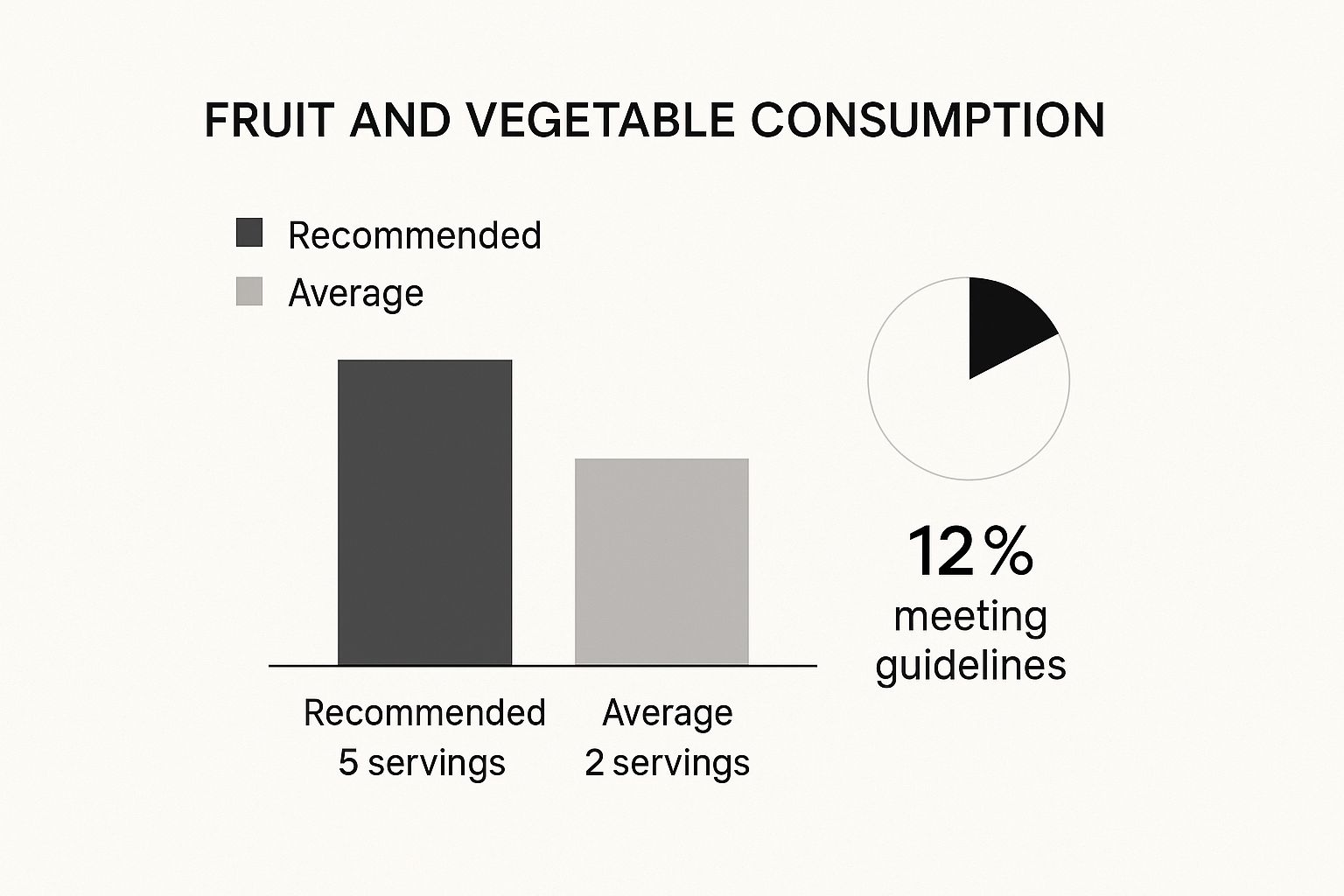
The data clearly shows a huge gap. Very few Australians are meeting the minimum guidelines needed to properly fuel their gut and immune health.
Turning this knowledge into consistent action is what really matters. Practical tools like a simple weekly meal planner can make a world of difference in staying on track. For more hands-on guidance, our detailed guide on how to meal prep can help you transform your weekly grocery run into a powerful immunity-building routine.
The Overlooked Pillars of Immunity: Sleep and Stress

While your diet provides the essential building blocks for a strong immune system, there are two other factors that often dictate how well your body can actually use them: sleep and stress.
Think of them as the commanders of your immune army. When they're out of balance, your body’s entire defence network can become disorganised and ineffective, no matter how well you eat.
Reclaiming Your Rest for Better Immunity
So many of us underestimate the profound impact of consistent, high-quality sleep. It’s not just about clocking off; it’s during these crucial hours that your body performs essential maintenance. Your immune system releases proteins called cytokines—some help promote sleep, while others are vital for fighting off infection and inflammation.
When you skimp on sleep, the production of these protective cytokines drops. This leaves you far more vulnerable to any viruses you might encounter. It's a direct line of cause and effect. Learning how lack of sleep affects your immune system really brings home its deep impact on your body's defences.
Improving sleep isn't just about logging more hours; it's about enhancing the quality of that rest. Small, consistent tweaks to your evening routine can make a huge difference.
Here are a few practical strategies that work wonders:
- Create a Digital Sunset: Make a rule to switch off screens—phones, tablets, TVs—at least an hour before bed. The blue light they throw out can seriously interfere with your body's production of melatonin, the hormone that regulates your sleep-wake cycle.
- Establish a Wind-Down Ritual: Swap out the endless scrolling for something that signals to your brain it’s time to switch off. Reading a book, listening to calming music, or taking a warm bath are all great ways to unwind.
- Optimise Your Environment: Keep your bedroom cool, dark, and quiet. Blackout curtains and a white noise machine can be a game-changer, especially for light sleepers.
Sleep is not a luxury; it is a non-negotiable biological necessity. Prioritising it is one of the most powerful and direct ways to bolster your immune function and build genuine resilience against illness.
Managing Stress to Protect Your Defences
The second pillar, stress management, is just as critical. When you're chronically stressed, your body is flooded with the hormone cortisol. While it’s useful in short bursts for "fight or flight" situations, persistently high levels of cortisol can actually suppress your immune system's effectiveness.
This hormonal imbalance can throw your entire immune response out of whack, making you more susceptible to infections and even slowing down your recovery time when you do get sick.
It's a stark reminder of how our mental wellbeing directly influences our physical health. For more on this connection, you might find it helpful to explore the best foods for mental health that can support a calmer state of mind.
Finding simple, actionable ways to manage daily stress is key. This doesn’t have to be complicated. It could be a five-minute breathing exercise at your desk or a weekend walk in one of Australia’s beautiful parks.
It's encouraging to see public health bodies recognising the importance of these practices. According to provisional mortality statistics, there were 72,508 deaths in Australia in the first five months of 2025. National strategies are now actively promoting immune-supporting habits like nutrition and physical activity to help reduce preventable deaths, showing a real commitment to a healthier future for everyone.
Finding Your Balance with Movement and Moderation
Regular movement is a powerful ally in your mission to boost your immune system, but it's a relationship that’s all about balance. Think of moderate exercise as a way to get your immune cells moving and grooving. It improves blood circulation, which means your white blood cells—the soldiers of your immune system—can travel through your body more efficiently to find and fight off pathogens.
This doesn't mean you need to start training for a marathon tomorrow. Honestly, consistency is far more important than intensity. A brisk 30-minute walk along The Strand here in Townsville, a weekend bike ride, or a local gym class a few times a week is the sweet spot. These activities are just enough to get the benefits without putting excessive strain on your body.
The real goal is to create a sustainable routine that energises you, rather than drains you. Fuelling these workouts is also a huge part of the equation; you need consistent energy to perform and recover well. For a little inspiration on what to eat before you get moving, have a look at our guide to the best breakfast foods for energy.
The Tipping Point of Overtraining
While a good workout is a massive plus for your health, there's a point where too much of a good thing can seriously backfire. Pushing your body too hard, too often, without giving it time to recover can lead straight to overtraining syndrome. It’s a state of chronic fatigue that can temporarily suppress your immune function, leaving you feeling rundown and vulnerable.
Intense, prolonged exercise—like the kind elite athletes do—creates a short-term dip in your body's defences, a period often called the "open window." During this time, your body is more susceptible to infections. Now, for the average person, this isn't a major concern, but it does highlight the absolute necessity of rest and recovery days in any fitness plan. It’s so important to listen to your body.
Your body rebuilds and strengthens itself during rest, not during the workout itself. Skipping recovery days is like trying to build a house without letting the foundation set—eventually, it will weaken.
The Impact of Alcohol on Immunity
Just as we need balance with exercise, moderation is essential when it comes to alcohol. Enjoying a drink with friends is a common part of our social lives here in Australia, but it’s worth understanding how it affects your body’s defences.
Going overboard with alcohol can directly impair the function of key immune cells, reducing their ability to fight off infections. It also messes with the delicate balance of your gut microbiome—which, as we know, is basically the headquarters of your immune system. This can lead to a leaky gut, allowing harmful bacteria to slip into the bloodstream and trigger inflammation.
Australian health guidelines recommend no more than 10 standard drinks per week and no more than 4 standard drinks on any one day to minimise health risks. This isn't about cutting out alcohol completely, but simply being more mindful of its effects.
Here are a few practical tips to keep in mind:
- Alternate with Water: For every alcoholic drink, have a glass of water. It keeps you hydrated and helps you pace yourself.
- Opt for Low-Alcohol Options: There are some fantastic-tasting low or no-alcohol beers and wines available these days.
- Set Your Limit: Before you go out, decide how many drinks you’ll have and stick to it.
By finding a healthy equilibrium with both movement and moderation, you give your immune system the steady, reliable support it needs to function at its absolute best.
Using Modern Medicine to Sharpen Your Defences
While healthy habits are the absolute foundation for a strong immune system, sometimes we need a more specialised tool in our kit. Think of it this way: your diet and lifestyle build a strong fortress, but modern medicine provides the highly targeted defences against specific, known threats.
Vaccinations are essentially a training camp for your immune system. They give your body a safe, controlled look at a pathogen—or a piece of it—so your immune cells can learn its tactics. This process creates "memory cells" that are ready to spring into action if the real threat ever appears.
It’s not about choosing one over the other. The strongest defence is always a combination of natural, everyday wellness and the proven, scientific protection that medicine can offer.
The Annual Flu Shot: A Smart Move for Aussies
Here in Australia, the annual flu shot is one of our most important seasonal defences. The influenza virus is a master of disguise, constantly changing its appearance. That’s why a new vaccine is developed each year to match the strains we expect to see circulating.
Getting the jab isn't just about protecting yourself; it’s about creating a circle of protection for the most vulnerable people in our community, like little kids and the elderly.
The numbers speak for themselves. Australian health surveillance reports consistently show that vaccinations drastically reduce flu-related hospitalisations. Take the 2025 flu season, for instance: by early May, Queensland had already seen 63 hospitalisations. A significant 62% of those cases were in adults aged 65 and over. This is a critical point, as this is the very age group with high vaccination rates—in 2023, over 76% of adults 65+ got their flu shot. For a deeper dive into the data, the Immunisation Coalition website is an excellent resource.
Vaccinations act like a targeted intel briefing for your immune cells. They provide the specific information needed to recognise and neutralise a known threat before it can establish a foothold and cause significant harm.
Staying Up to Date for Long-Term Resilience
Beyond just the yearly flu shot, keeping all your immunisations current is a key part of any smart, long-term health plan. A quick chat with your GP is all it takes to get a personalised schedule that fits your age, health, and lifestyle.
This proactive mindset ensures your immune system’s "memory bank" is fully stocked and prepared for whatever comes its way. By pairing your great lifestyle choices with the targeted support of modern medicine, you’re giving your body the most comprehensive protection possible. It's a powerful combination that truly sets you up for long-haul resilience.
Your Top Immunity Questions, Answered
When you start digging into how to support your immune system, it's totally normal for questions to pop up. We get asked all the time about the specifics, so let's clear up some of the most common ones and help you turn that knowledge into confident, practical action.
Can I Boost My Immune System Quickly?
This is the big one, especially when you feel that first tickle in your throat. While you can't just flip a switch and instantly "boost" your immune system, you can absolutely give it the support it needs to respond right away.
The moment you start to feel a bit off, your focus should be on giving your body the best possible fighting chance. That means getting back to basics with simple, powerful actions: drink plenty of water, get more rest than you think you need, and stick to nutrient-dense foods like a veggie-packed soup or a warm broth. Some studies suggest taking zinc right at the start of symptoms might shorten a cold, but think of this as support, not a miracle cure.
It's less about turbo-charging your immune system and more like giving your internal army the right supplies and enough rest to win the battle. Consistent, long-term habits will always do more for your overall resilience than any last-minute fix.
Are Expensive Supplements Necessary?
For most of us eating a varied and balanced diet, the short answer is no. A "food-first" approach is always going to be the better strategy. Whole foods give you a complex mix of vitamins, minerals, fibre, and antioxidants that all work together beautifully—something a pill just can't replicate. Your body is designed to absorb nutrients from food much more effectively than from isolated supplements.
Where supplements can be useful is for correcting a specific, medically diagnosed deficiency, like low Vitamin D levels during the darker winter months. But this is a conversation to have with your doctor. Honestly, the money spent on expensive pills is often better invested in high-quality, fresh, local produce.
How Much Exercise Is Too Much?
Regular, moderate exercise is brilliant for immunity. The Australian guidelines suggesting around 150 minutes of brisk walking, cycling, or swimming per week is a fantastic target to aim for. This kind of activity gets your circulation going and helps your immune cells do their job of patrolling for pathogens more effectively.
But yes, there is a tipping point. Pushing yourself through prolonged, high-intensity training without enough rest can temporarily suppress your immune function, creating an "open window" where you're more vulnerable. This is mainly a concern for elite athletes who have to be strategic about recovery. For the average person, the real risk isn't overdoing it—it's doing too little.
Does Age Weaken My Immune System?
It's true, age is a factor. As we get older, our immune response can naturally become a bit less robust. But that absolutely does not mean you’re helpless against it.
In fact, this is when all the core principles we've talked about become even more crucial. Prioritising good nutrition, staying active, managing stress, and keeping up with key vaccinations like the annual flu shot are exceptionally powerful tools for older Australians. These habits can make a huge difference in your immune resilience and support vibrant health at any age.
At Absolute Cravings, we believe that nourishing your body should be a delicious and joyful part of your day. Our menu is packed with fresh juices, healthy smoothies, and nutrient-dense meals designed to support your wellness goals. Swing by our cafe next to the Palmetum Gardens to fuel your body’s defences. Explore our menu today!