

In our fast-paced world, supporting our mental health has never been more critical. While conversations often centre on therapy and mindfulness, one of the most powerful tools we have is right on our plates. The link between diet and mental wellbeing, a field known as nutritional psychiatry, is gaining significant scientific attention, highlighting how what we eat directly impacts our brain's structure, chemistry, and function. Choosing the right foods can help manage stress, improve mood, and sharpen cognitive function.
Understanding the foundational nutrients for mental well-being, such as the various roles and the benefits of the Vitamin B complex for brain health, is the first step. This guide is designed to move beyond theory and provide actionable insights into the best foods for mental health. We will explore a curated list of powerhouse ingredients, from fatty fish and dark leafy greens to avocados and dark chocolate.
For each food, you'll discover the specific nutrients at play and their roles in supporting your brain. We'll offer practical ways to incorporate them into your daily routine, whether you're cooking at home or looking for healthy options while out and about. We’ll even point you towards some nourishing choices available right here at Townsville's Absolute Cravings cafe, making it easier than ever to build a diet that supports both body and mind.
1. Fatty Fish (Salmon, Mackerel, Sardines)
Fatty fish like salmon, mackerel, and sardines are powerhouses for brain health, earning their spot as one of the best foods for mental health. Their incredible benefits stem from a high concentration of omega-3 fatty acids, specifically eicosapentaenoic acid (EPA) and docosahexaenoic acid (DHA). These are not just any fats; they are essential building blocks for our brain cells, helping to reduce inflammation and ensure smooth communication between neurons.
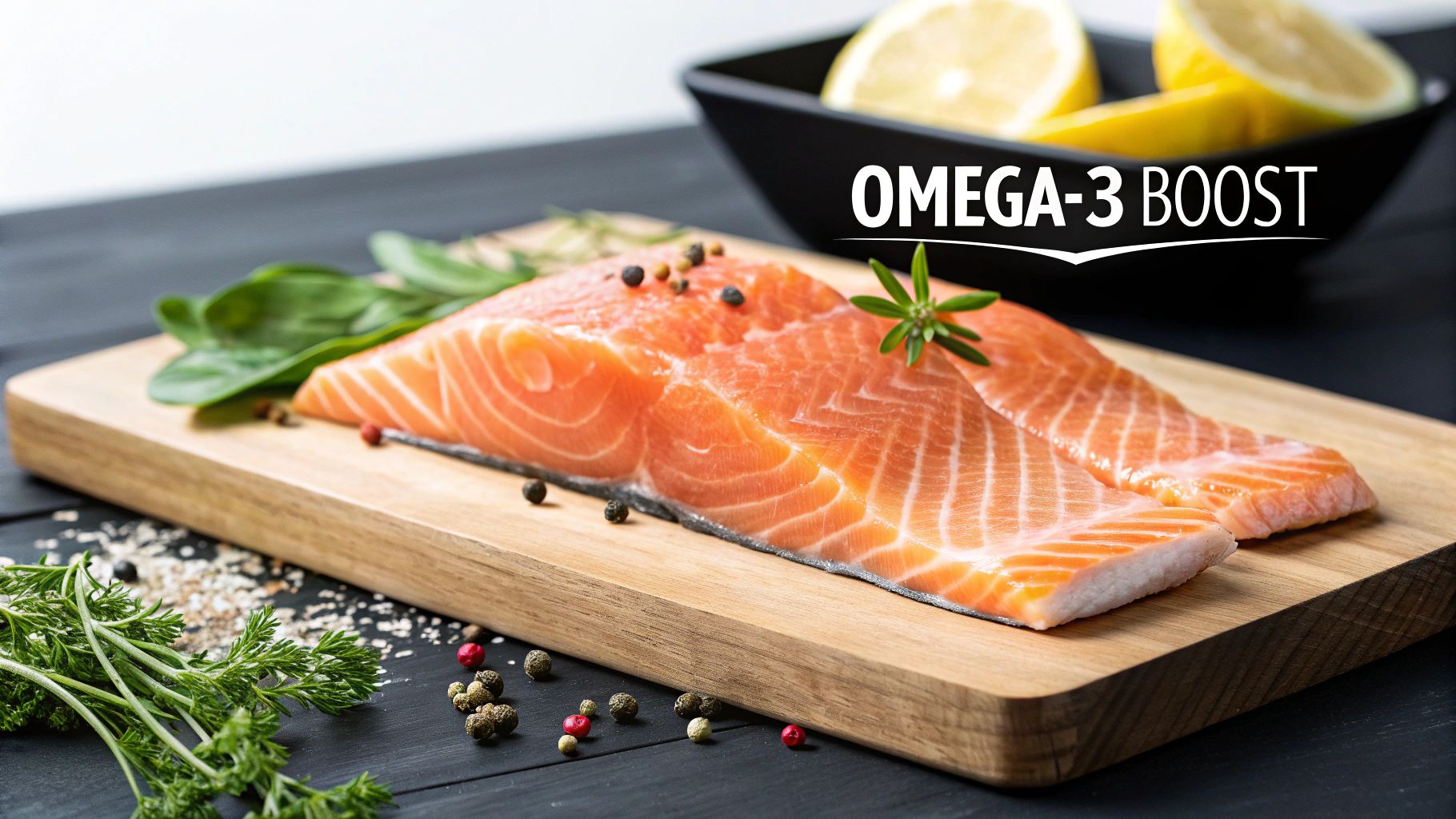
The brain is nearly 60% fat, and having an adequate supply of DHA and EPA is crucial for maintaining its structure and function. Research consistently links higher consumption of omega-3s with lower rates of depression. For instance, populations in countries with high fish intake, like Japan, often report better mental health outcomes.
How to Incorporate Fatty Fish
Getting these benefits is easier than you think. Aim for two to three servings (about 100-150 grams each) of fatty fish per week. This regular intake ensures a steady supply of brain-boosting omega-3s.
- Choose Wisely: Opt for wild-caught fish when possible, as it often has a more favourable omega-3 to omega-6 ratio than some farm-raised varieties.
- Cook Smart: Preserve the delicate omega-3s by grilling, baking, or steaming your fish. High-heat frying can damage these healthy fats.
- Pair for Power: Combine your fish with leafy greens like spinach or kale. The vitamins and minerals in the greens can enhance the body's absorption and utilisation of omega-3s.
2. Dark Leafy Greens (Spinach, Kale, Swiss Chard)
Dark leafy greens like spinach, kale, and Swiss chard are nutritional champions, making them some of the best foods for mental health. Their power lies in a dense concentration of vital nutrients, particularly folate (a B vitamin), magnesium, and antioxidants. These compounds play a direct role in supporting brain function and mood regulation by aiding the synthesis of crucial neurotransmitters like serotonin and dopamine, and by combating oxidative stress that can damage brain cells.
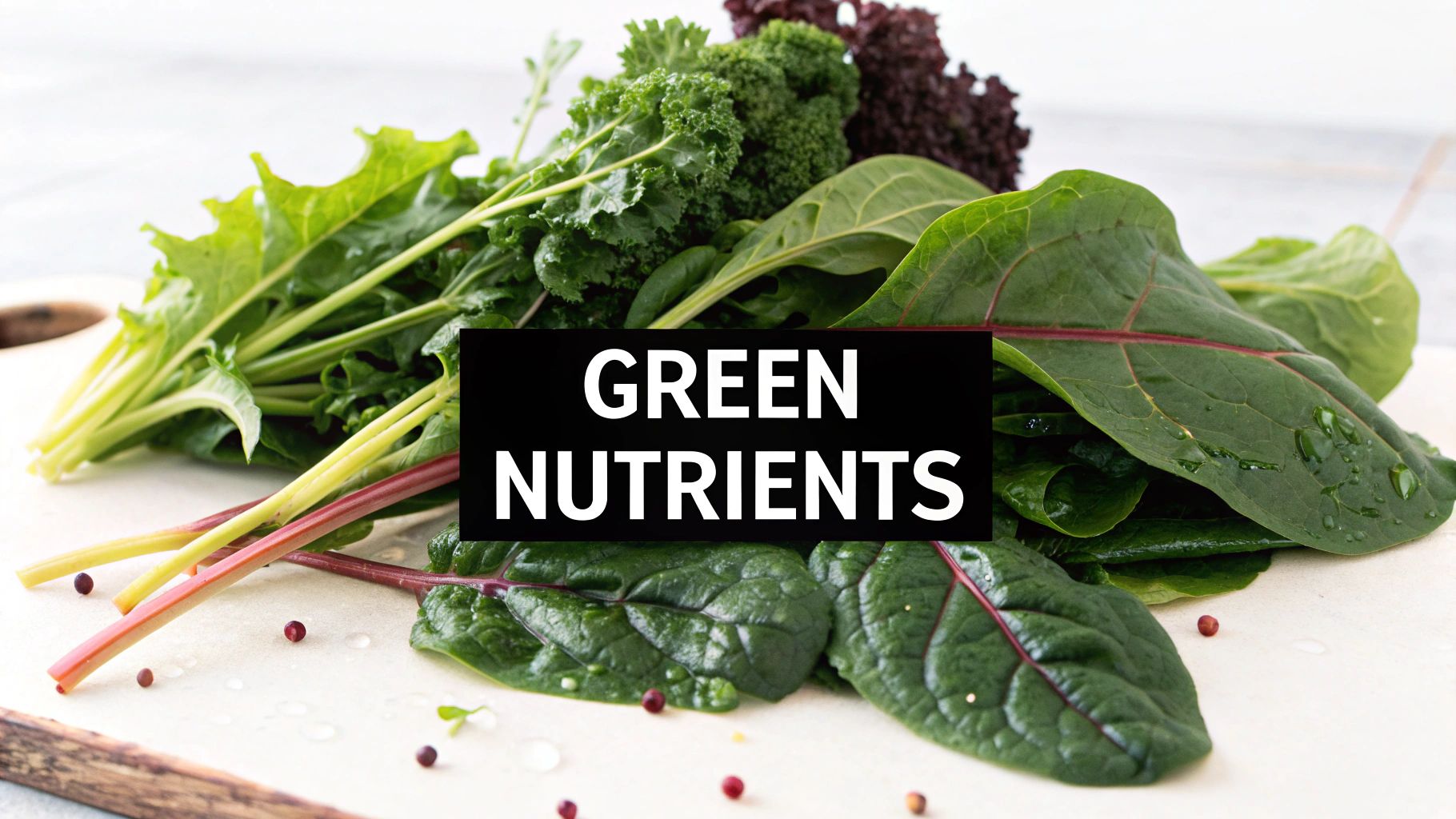
The link between these nutrients and mental wellness is well-documented. For example, the extensive Nurses' Health Study found a significant association between higher folate intake and a lower risk of depression. Similarly, research into the MIND diet consistently highlights the cognitive benefits of regularly consuming leafy greens. A deficiency in magnesium, which is abundant in these vegetables, has also been linked to heightened anxiety symptoms, underscoring their importance for a calm and stable mood.
How to Incorporate Dark Leafy Greens
Integrating these potent greens into your diet is simple and versatile. Aim for at least one to two servings daily to consistently fuel your brain with these essential nutrients.
- Blend Them In: If you're not a fan of the taste, adding a large handful of spinach or kale to a fruit smoothie is an excellent way to get the benefits without the bitter flavour.
- Sauté for Flavour: Gently sautéing greens like Swiss chard with garlic and a drizzle of olive oil enhances their taste and makes the nutrients more bioavailable. This technique can be a great starting point for developing healthy family meal ideas.
- Rotate Your Greens: Different greens offer slightly different nutrient profiles. Rotate between spinach, kale, rocket, and collard greens to ensure you're getting a wide array of vitamins and minerals.
3. Blueberries
Blueberries are true antioxidant powerhouses, making them one of the best foods for mental health. Their deep blue colour comes from compounds called anthocyanins, a type of flavonoid known to combat oxidative stress and inflammation in the brain. These powerful antioxidants help protect brain cells from damage, which is crucial for maintaining cognitive function and supporting a stable mood.
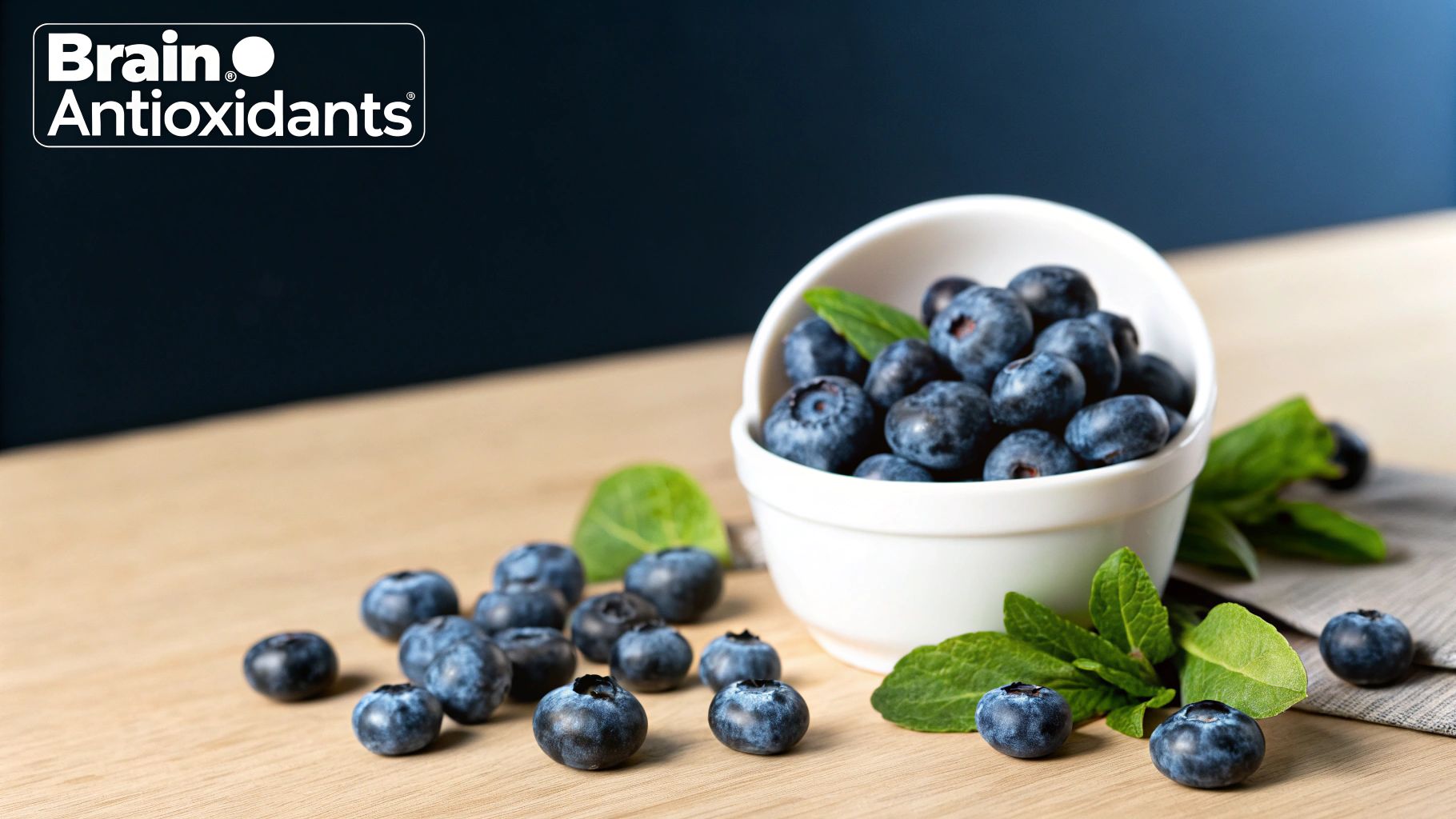
The benefits of these small berries are well-documented. Research, including long-term studies from Harvard, has linked regular blueberry consumption to a slower rate of cognitive decline in older adults. Furthermore, the anthocyanins found in blueberries have been shown in studies to reduce depression-like behaviours and improve memory, making them a delicious and effective way to nourish your mind.
How to Incorporate Blueberries
Integrating these brain-boosting berries into your daily routine is simple and enjoyable. Aim for about half a cup to one cup per day to reap the cognitive and mood-enhancing benefits. This consistent intake ensures your brain gets a steady supply of protective antioxidants.
- Go Frozen: Fresh blueberries are great, but frozen berries are just as nutritious and available year-round. They are perfect for smoothies and are often more budget-friendly.
- Add Them Everywhere: Sprinkle blueberries over your morning oats, mix them into yoghurt, or blend them into a smoothie. They also make a fantastic, naturally sweet snack on their own.
- Seek Out Wild Varieties: When you can find them, choose wild blueberries. They are typically smaller and have a higher concentration of antioxidants compared to their cultivated counterparts.
4. Avocados
Avocados are much more than a trendy toast topping; they are a creamy, nutrient-dense fruit that stands out as one of the best foods for mental health. Their power lies in a unique combination of healthy monounsaturated fats, folate, and vitamin K, all of which support optimal brain function and mood regulation. These healthy fats are crucial for improving blood flow to the brain, which in turn enhances cognitive performance and supports the absorption of other vital nutrients.
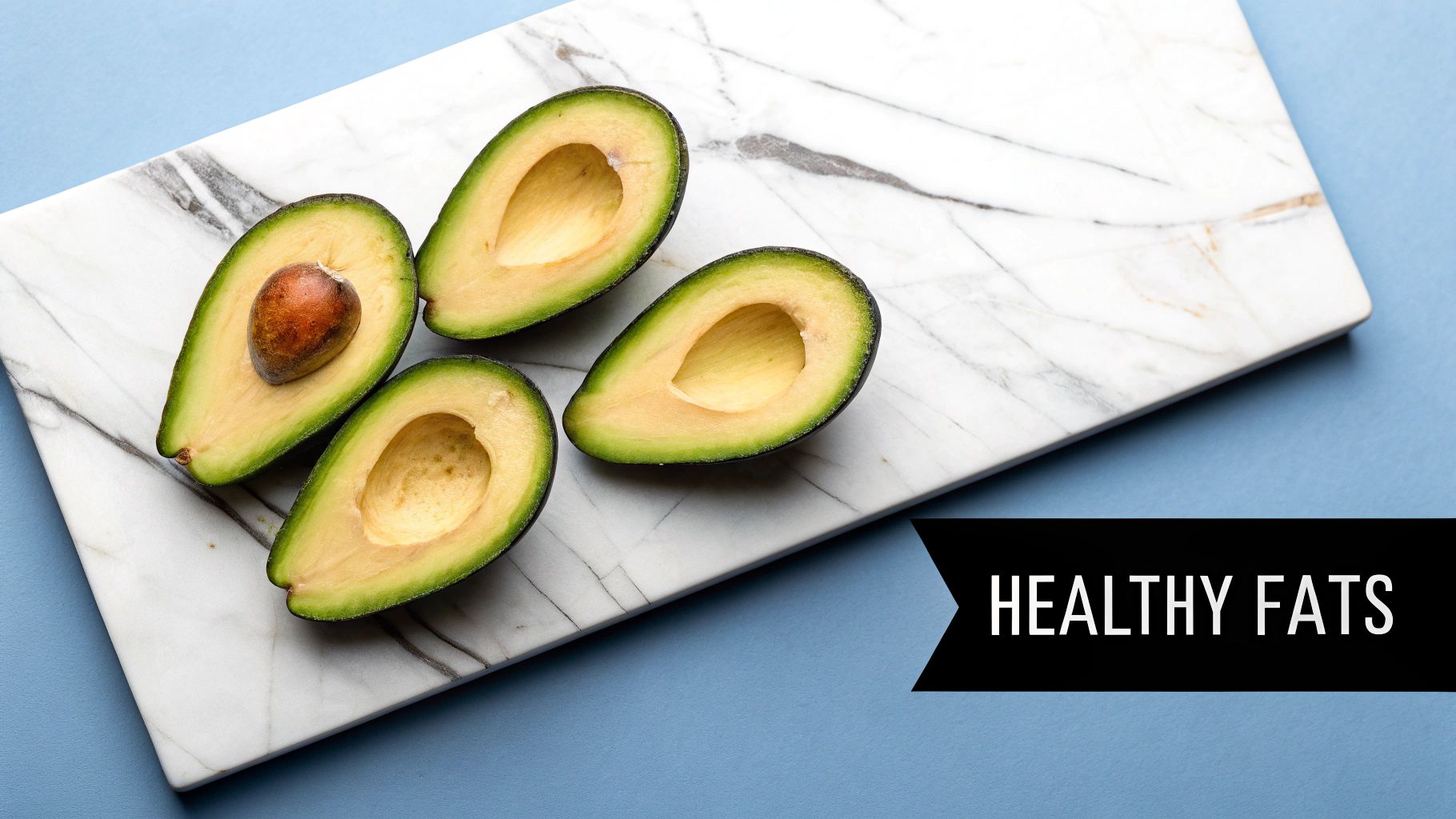
The high folate content in avocados is particularly noteworthy for its role in mental wellbeing. Research has consistently linked adequate folate intake with a reduced risk of depression, as this B-vitamin is essential for producing neurotransmitters like serotonin and dopamine. Furthermore, the inclusion of avocados in diets like the Mediterranean diet has been associated with improved cognitive function and overall mental health outcomes, solidifying their brain-boosting credentials.
How to Incorporate Avocados
Adding this versatile fruit to your diet is simple and delicious. Aim for about a quarter to half an avocado daily to reap its mental health benefits without overdoing the calories.
- Boost Your Salads: Add sliced avocado to your salads. Its healthy fats help your body absorb fat-soluble vitamins (A, D, E, and K) from other vegetables more effectively.
- Make a Healthy Swap: Use mashed avocado as a creamy and nutrient-rich replacement for butter on toast or mayonnaise in sandwiches and wraps.
- Store Smartly: To keep a cut avocado fresh, leave the pit in the unused half, squeeze some lemon or lime juice over the flesh, and store it in an airtight container in the fridge.
5. Nuts and Seeds (Walnuts, Almonds, Pumpkin Seeds)
Nuts and seeds are small but mighty additions to any diet, packing a concentrated punch of nutrients that makes them one of the best foods for mental health. They are rich sources of healthy fats, protein, and crucial minerals like magnesium and zinc, all of which play a significant role in supporting brain health and regulating mood. These nutrients provide sustained energy and are vital for neurotransmitter function, helping to reduce brain inflammation and enhance cognitive performance.
Walnuts, for instance, are particularly high in alpha-linolenic acid (ALA), a plant-based omega-3 fatty acid linked to reduced symptoms of depression. Meanwhile, pumpkin seeds are an excellent source of zinc and magnesium, minerals often found to be deficient in individuals with anxiety disorders. This powerful combination of nutrients helps protect brain cells from oxidative stress and supports the complex processes that govern our emotional well-being.
How to Incorporate Nuts and Seeds
Adding these nutrient-dense snacks to your daily routine is simple and effective. A small handful is often enough to reap the rewards, making them an easy and convenient option for busy professionals.
- Portion Control: Stick to a serving size of about 1 ounce (a small handful) per day to get the benefits without excess calories.
- Choose Wisely: Opt for raw or lightly roasted varieties over heavily salted or sugar-coated options to maximise health benefits.
- Rotate for Variety: Different nuts and seeds offer unique nutritional profiles. Rotate between walnuts, almonds, chia seeds, and pumpkin seeds to ensure a wide range of benefits.
- Plan Ahead: Pre-portioning nuts and seeds into small containers can be a great addition to your weekly routine. You can learn more about how to meal prep on absolutecravings.com.au for more time-saving tips.
6. Greek Yogurt
Greek yogurt is much more than a breakfast staple; it's a key player in the lineup of best foods for mental health. Its power lies in its rich probiotic content, which supports the fascinating connection known as the gut-brain axis. The live bacteria in Greek yogurt help cultivate a healthy gut microbiome, which is crucial for producing neurotransmitters like serotonin and dopamine that regulate our mood and emotions.
Emerging research, popularised by experts like Dr. Emeran Mayer, continues to uncover how our gut health directly influences our mental state. Studies have shown that regular consumption of probiotic-rich foods can lead to reductions in symptoms of anxiety and depression. Additionally, Greek yogurt is an excellent source of protein and B vitamins, particularly B12, which are vital for nerve function and energy metabolism, further supporting cognitive health.
How to Incorporate Greek Yogurt
Adding this creamy, nutrient-dense food to your diet is simple and delicious. Aim for a serving a few times a week to consistently nourish your gut microbiome and support your mental wellbeing.
- Go Plain and Unsweetened: Choose plain Greek yogurt to avoid the added sugars found in flavoured varieties, which can negatively impact gut health.
- Boost with Toppings: Enhance its benefits by adding fresh berries for antioxidants, a sprinkle of nuts for healthy fats, or a drizzle of honey for natural sweetness.
- Check the Label: Look for labels that mention "live and active cultures" and list multiple strains of bacteria to ensure you're getting a potent probiotic boost.
- Pair for Power: Enjoy it as a base for a smoothie, a topping for savoury dishes like curries, or as a healthy swap for sour cream to easily integrate it into various meals.
7. Dark Chocolate (70% cacao or higher)
Dark chocolate is a delightful treat that also qualifies as one of the best foods for mental health, provided you choose the right kind. The magic lies in its high cacao content, which is packed with powerful plant compounds called flavonoids. These antioxidants, particularly epicatechin and catechin, are known to improve blood flow to the brain, enhancing cognitive function and protecting brain cells from oxidative stress.
Beyond flavonoids, dark chocolate contains several mood-influencing compounds, including phenylethylamine, which can trigger the release of endorphins, our body's natural "feel-good" chemicals. It's also a great source of essential minerals like magnesium and iron, both of which play crucial roles in regulating mood and energy levels. Research from nutritional neuroscience studies has even linked regular, moderate consumption of dark chocolate to reduced symptoms of depression and lower levels of stress hormones like cortisol.
How to Incorporate Dark Chocolate
Enjoying the mental health benefits of dark chocolate is simple, but mindfulness is key to keeping it a healthy habit.
- Choose High Cacao: Always opt for dark chocolate with 70% cacao or higher. The higher the percentage, the more flavonoids and less sugar it contains.
- Practise Portion Control: A small amount goes a long way. Stick to a serving of one to two squares (about 20-30 grams) per day to get the benefits without excess calories.
- Pair for Balance: Combine a piece of dark chocolate with a handful of nuts or seeds. The protein and healthy fats will help stabilise blood sugar and provide sustained energy.
- Time It Right: Enjoy your chocolate earlier in the day. It contains a small amount of caffeine and theobromine, which could potentially disrupt sleep if consumed too close to bedtime.
8. Sweet Potatoes
Sweet potatoes are a standout complex carbohydrate, earning their place as one of the best foods for mental health. Their vibrant orange hue comes from beta-carotene, a powerful antioxidant the body converts to vitamin A, which helps combat oxidative stress in the brain. Unlike simple sugars that cause energy spikes and crashes, sweet potatoes provide a slow, sustained release of glucose, ensuring your brain has a steady fuel supply to function optimally.
This steady energy is crucial for maintaining mood stability. The complex carbohydrates in sweet potatoes also support the production of serotonin, a neurotransmitter that promotes feelings of well-being and calmness. Their high fibre content further aids in stabilising blood sugar levels, preventing the irritability and mood swings associated with glucose fluctuations.
How to Incorporate Sweet Potatoes
Adding this nourishing root vegetable to your diet is simple and delicious. Aim to include sweet potatoes in your meals a few times a week to consistently reap their mental health benefits.
- Cook Smart: Preserve their nutrients by baking, steaming, or roasting instead of frying. This method keeps them healthy and brings out their natural sweetness.
- Eat the Skin: The skin is packed with extra fibre and nutrients. Just give it a good scrub before cooking and enjoy the added health boost.
- Create Balanced Meals: Pair sweet potatoes with a source of protein and healthy fats, like chicken and avocado, to create a well-rounded meal that supports stable blood sugar and sustained energy.
9. Green Tea
Green tea is a revered beverage that offers a unique combination of calming and focusing effects, solidifying its place among the best foods for mental health. Its power lies in the amino acid L-theanine, which promotes relaxation without drowsiness, and a gentle amount of caffeine that enhances alertness. This synergy creates a state of calm focus, helping to reduce anxiety and improve mood.
The high concentration of antioxidants, particularly catechins like epigallocatechin gallate (EGCG), also plays a crucial role in protecting brain cells from oxidative stress. Research links regular green tea consumption to improved cognitive function and a lower risk of neurodegenerative diseases. This ancient beverage has long been a staple in cultures like Japan, where it's valued for its contribution to both mental and physical wellbeing. Savouring a warm cup can be an excellent practice in mindful eating.
How to Incorporate Green Tea
Integrating green tea into your daily routine is a simple and enjoyable way to support your mental state. Aim for two to three cups daily to experience its full benefits.
- Steep Correctly: To maximise the L-theanine extraction, steep your green tea in hot (not boiling) water for 3-5 minutes. Over-steeping or using water that is too hot can result in a bitter flavour.
- Choose Quality: Opt for high-quality, organic loose-leaf or bagged green tea varieties, such as matcha or sencha, for a richer antioxidant and L-theanine content.
- Time it Right: Be mindful that green tea can inhibit iron absorption. It’s best to enjoy your cup between meals rather than alongside an iron-rich dish.
Top 9 Foods for Mental Health Comparison
| Item | Implementation Complexity 🔄 | Resource Requirements ⚡ | Expected Outcomes 📊 | Ideal Use Cases 💡 | Key Advantages ⭐ |
|---|---|---|---|---|---|
| Fatty Fish (Salmon, Mackerel, Sardines) | Moderate – requires proper storage & prep | Moderate – cost and sourcing wild-caught fish | Reduces depression symptoms up to 25%, supports neurotransmitter production | Mental wellness, brain inflammation reduction | High omega-3 bioavailability, cognitive support |
| Dark Leafy Greens (Spinach, Kale, Swiss Chard) | Low – simple prep but may require washing/sautéing | Low – affordable and widely available | Supports serotonin & dopamine production, reduces stress response | Everyday meals, stress management | High folate & magnesium, versatile |
| Blueberries | Low – ready to eat or minimal prep | Moderate – can be costly, seasonal | Improves memory, cognitive function, antioxidant neuroprotection | Cognitive health, antioxidant boost | Highest antioxidant capacity, natural sweetener |
| Avocados | Low – easy to consume but short shelf life | Moderate – relatively expensive | Supports neurotransmitter production, steady blood sugar, sustained energy | Mood regulation, nutrient absorption enhancement | Rich in healthy fats, versatile ingredient |
| Nuts and Seeds (Walnuts, Almonds, Pumpkin Seeds) | Low – no cooking needed, portion control needed | Low to moderate – can be costly, allergens | Supports serotonin, reduces cortisol, improves cognition | Portable snacks, brain health support | Rich in omega-3s, magnesium, long shelf life |
| Greek Yogurt | Low – minimal prep, watch for added sugars | Moderate – varies by quality and brand | Promotes GABA & serotonin in gut, reduces anxiety and depression symptoms | Gut-brain support, probiotic benefits | High protein & probiotics, gut microbiome aid |
| Dark Chocolate (70% cacao or higher) | Low – ready to eat, portion control important | Low to moderate – cost varies | Boosts mood, improves blood flow, reduces cortisol | Mood boost, cognitive support | High flavonoids, immediate mood enhancement |
| Sweet Potatoes | Moderate – requires cooking time | Low – affordable root vegetable | Supports serotonin via steady carbs, maintains energy levels | Stable blood sugar, mood regulation | Complex carbs, beta-carotene rich |
| Green Tea | Low – simple brewing process | Low – affordable and widely available | Promotes calm focus, reduces anxiety, supports memory | Relaxation with alertness, antioxidant support | L-theanine & caffeine combo, brain protection |
Your Plate, Your Mind: Putting Knowledge into Action
Navigating the journey towards improved mental wellbeing can feel complex, but as we’ve explored, the power to positively influence your mind is often as close as your next meal. The connection between diet and mental health is not a fleeting trend; it is a fundamental aspect of our biology. The foods we have detailed, from omega-3-rich fatty fish and antioxidant-packed blueberries to probiotic-filled Greek yoghurt, are more than just ingredients. They are powerful tools you can use daily to build a more resilient, focused, and balanced mind.
Summarising the core message of this guide, consistency outweighs perfection. You don't need to overhaul your entire diet overnight. The goal is to make small, sustainable shifts that accumulate over time. Think of it as a gradual upgrade to your brain's operating system, providing it with the high-quality fuel it needs to function optimally. Incorporating these best foods for mental health is an act of self-care, a deliberate choice to prioritise your cognitive and emotional wellness with every bite.
Key Takeaways for Lasting Change
To truly harness these benefits, let’s distil our findings into actionable principles:
- Embrace Nutrient Density: Focus on foods that offer a high concentration of vitamins, minerals, and beneficial compounds. Dark leafy greens, avocados, and nuts are prime examples, delivering everything from folate to healthy fats that directly support brain structure and function.
- Prioritise Gut Health: The gut-brain axis is a critical pathway for mental health. Fermented foods like Greek yoghurt introduce beneficial bacteria that help regulate mood-influencing neurotransmitters like serotonin.
- Fight Inflammation and Oxidative Stress: Chronic inflammation can negatively impact mental health. Foods like salmon, dark chocolate, and green tea are packed with anti-inflammatory compounds and antioxidants that protect your brain cells from damage.
Your Practical Next Steps
Making these changes a seamless part of your life is the ultimate goal. Start by choosing just one or two foods from our list to integrate into your weekly routine. Perhaps it's adding a handful of spinach to your morning smoothie or swapping a sugary afternoon snack for a small piece of dark chocolate and a handful of almonds. To effectively put knowledge into action and maintain a balanced diet, exploring a comprehensive healthy meal plan and tasty recipes can be incredibly beneficial, providing structure and inspiration for your meals.
Remember, every meal is an opportunity to nourish your mind. By consciously choosing these brain-boosting foods, you are not just eating; you are investing in your long-term mental clarity, emotional stability, and overall vitality. This proactive approach empowers you to take control, fostering a profound sense of wellbeing that radiates from the inside out.
Ready to put this knowledge into practice without the hassle? Visit Absolute Cravings next to the Palmetum Gardens in Townsville or browse our menu online for delicious, chef-prepared meals designed to nourish your mind and body. Let us make healthy eating simple and enjoyable for you. Absolute Cravings