

Embarking on a weight loss journey isn't about deprivation; it's about smart nourishment. The key lies in choosing foods that work with your body, not against it. This means prioritising options that are high in nutrients, promote satiety (the feeling of fullness), and support a healthy metabolism. Forget bland, restrictive diets. True, sustainable weight management comes from embracing vibrant, delicious foods that fuel your body efficiently.
In this guide, we'll explore the top 10 powerhouse foods that are scientifically shown to aid weight loss. We'll break down why they're so effective and provide practical tips on how to incorporate them into your daily meals. We will delve into a curated list of the best foods for weight loss, moving beyond generic advice to give you actionable insights. Each item on our list is chosen for its specific nutritional properties that can help you feel fuller for longer, boost your metabolism, and provide the essential energy you need to thrive.
Whether you're meal prepping at home or looking for a healthy bite out, like the nutritious options available at Absolute Cravings in Townsville, understanding these core foods is your first step towards achieving your goals. Prepare to discover how delicious and satisfying your path to a healthier you can be.
1. Leafy Green Vegetables
Leafy greens like spinach, kale, and rocket are foundational to any effective weight loss strategy. Their primary advantage lies in their incredibly low calorie density, which means you can eat a large volume of them without consuming many calories. This helps create a feeling of fullness, or satiety, which is crucial for managing hunger and reducing overall calorie intake throughout the day.
This approach, known as volumetric eating, is a cornerstone of sustainable weight management. By filling a significant portion of your plate with these nutrient-dense vegetables, you displace higher-calorie foods, effortlessly lowering the total energy value of your meal. This strategy is central to many successful eating patterns, including the Mediterranean diet, where high consumption of greens is linked to better health outcomes.
Why They Work for Weight Loss
The power of leafy greens comes from their unique combination of high fibre, high water content, and low calories. The fibre slows down digestion and helps stabilise blood sugar levels, preventing the energy crashes that can lead to cravings for sugary snacks. This makes them one of the best foods for weight loss, as they address both the physical and psychological aspects of hunger. By incorporating more greens, you are adopting a key principle of clean eating, focusing on whole, unprocessed foods.
For a quick reference, the infographic below highlights the key nutritional benefits of leafy greens.
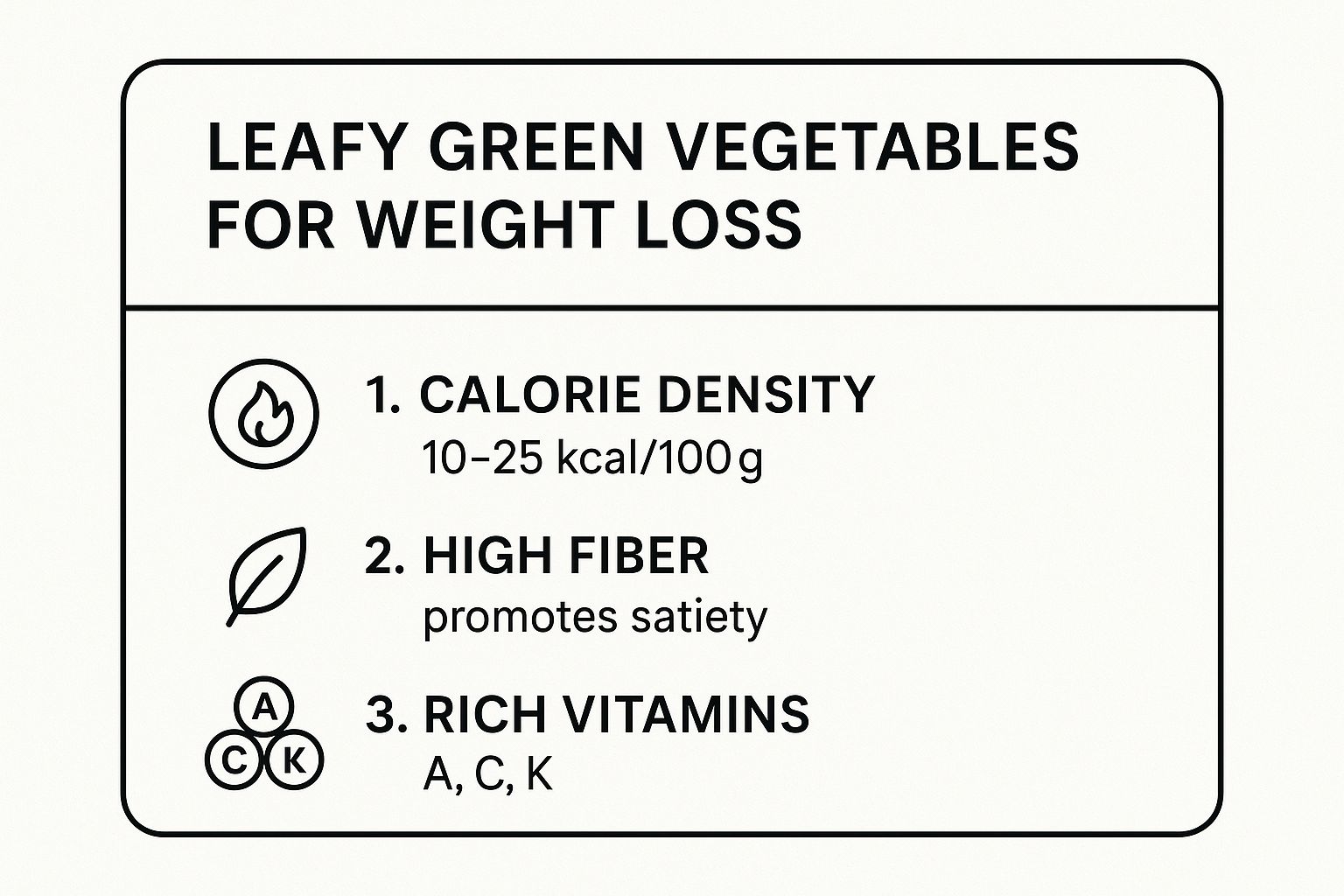
As the summary shows, the combination of low calories, high fibre, and essential vitamins makes these vegetables a nutritional powerhouse for anyone aiming to lose weight.
How to Add More Greens to Your Diet
- Make it a rule: Aim to fill half of your plate with leafy greens at both lunch and dinner.
- Upgrade your smoothies: Add a large handful of spinach or kale to your morning smoothie. The flavour is easily masked by fruit, but the nutritional benefits remain.
- Dress lightly: Swap creamy, high-calorie dressings for simple vinaigrettes made with lemon juice, vinegar, herbs, and a small amount of extra virgin olive oil.
- Improve texture: To make raw kale more palatable, massage it with a touch of olive oil and lemon juice for a few minutes. This softens the leaves and reduces bitterness.
2. Lean Protein Sources
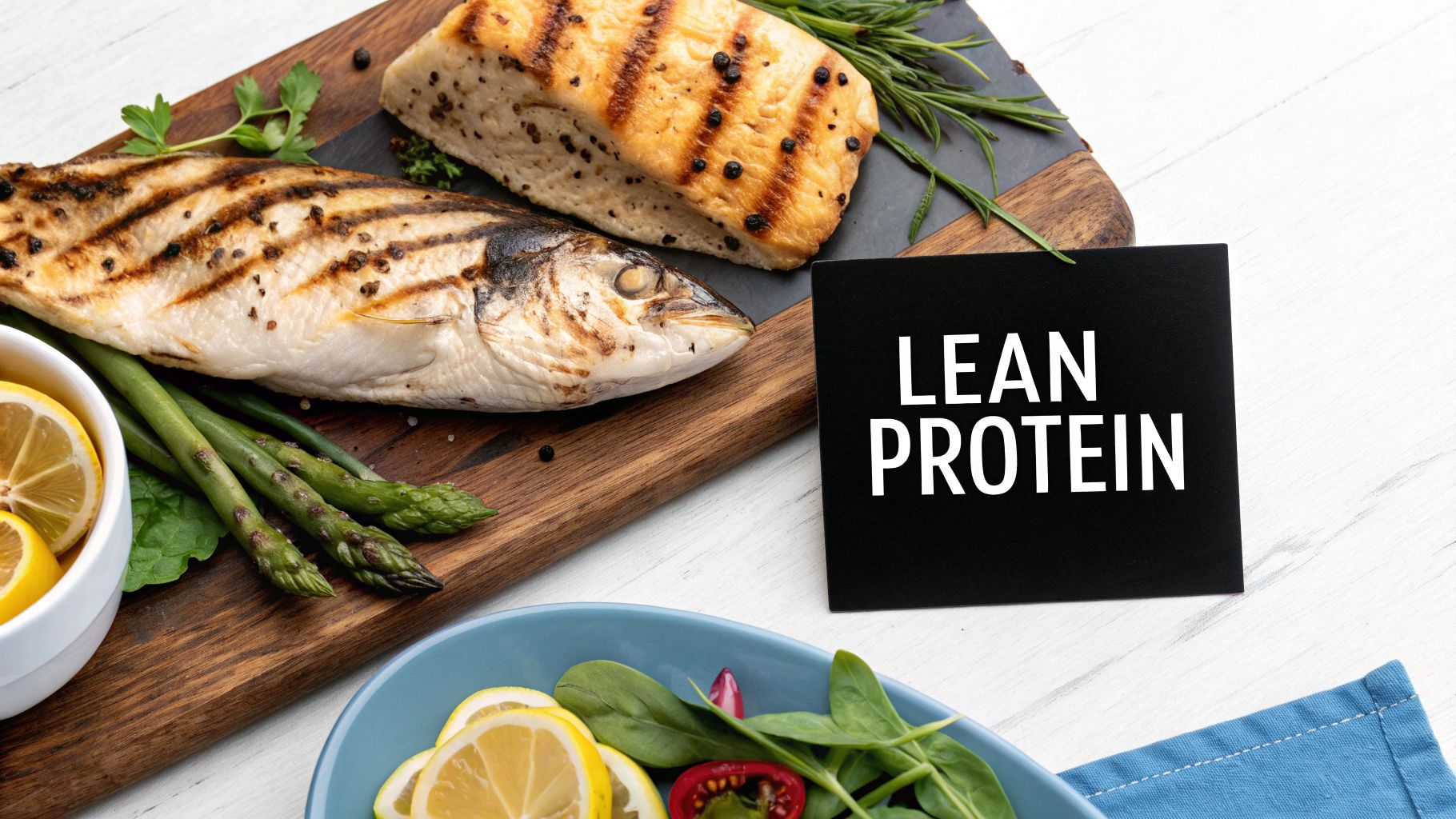
Lean protein sources like chicken breast, fish, tofu, and legumes are fundamental to an effective weight loss plan. Their power lies in a high thermic effect of food (TEF), meaning your body expends more energy digesting protein compared to fats or carbohydrates. This metabolic boost, combined with protein's profound ability to promote satiety, helps you feel fuller for longer, naturally reducing your overall calorie consumption.
Incorporating adequate lean protein is also crucial for preserving lean muscle mass during weight loss. When you are in a calorie deficit, your body may break down muscle for energy, but a sufficient protein intake helps protect this metabolically active tissue. This ensures that the weight you lose is primarily from fat, which is a key principle championed by fitness experts and dietitians alike.
Why They Work for Weight Loss
Lean proteins are among the best foods for weight loss because they effectively tackle hunger and boost metabolism. Research has shown high-protein meals can increase metabolic rate by up to 25% for several hours post-consumption. This physiological advantage, paired with the prolonged feeling of fullness, makes it easier to maintain a calorie deficit without feeling deprived. This strategy helps stabilise energy levels and curb cravings, preventing impulse snacking on less nutritious options.
How to Add More Lean Protein to Your Diet
- Aim for consistency: Include a source of lean protein, around 20-30 grams, with every main meal to maximise satiety.
- Choose wisely: Prioritise skinless poultry, fish, egg whites, Greek yoghurt, and plant-based options like lentils and tofu.
- Boost your blends: Adding protein powder or Greek yoghurt can transform a standard drink into one of the many healthy smoothie recipes for weight loss that keeps you full for hours.
- Flavour without fat: Use herbs, spices, lemon juice, or vinegar to season your proteins instead of relying on high-calorie sauces and marinades.
3. Whole Eggs
Once unfairly demonised for their cholesterol, whole eggs have made a powerful comeback as a weight loss superfood. Their primary strength lies in their high-quality complete protein and healthy fats, a combination that significantly enhances satiety. Consuming eggs helps you feel fuller for longer, which naturally reduces your overall calorie consumption throughout the day.
This satiating effect is why eggs are a staple in many successful eating plans, from the keto diet to traditional bodybuilding nutrition. A landmark 2008 study found that participants eating an egg breakfast lost 65% more weight than those eating a bagel breakfast with the same number of calories. This highlights how eggs effectively manage hunger and support fat loss, making them one of the best foods for weight loss.
Why They Work for Weight Loss
The effectiveness of whole eggs is rooted in their exceptional nutrient density. The high protein content not only builds lean muscle, which boosts metabolism, but it also takes more energy to digest compared to carbohydrates, a phenomenon known as the thermic effect of food. The yolk, rich in vitamins and healthy fats, further stabilises blood sugar levels, preventing the sharp energy spikes and subsequent crashes that often lead to cravings for less healthy options.
How to Add More Eggs to Your Diet
- Start your day strong: Swap your morning cereal or toast for 2-3 scrambled, poached, or boiled eggs to curb mid-morning hunger.
- Prepare for snacks: Hard-boil half a dozen eggs at the start of the week for a quick, portable, and protein-packed snack.
- Boost your veggies: Make a nutrient-dense omelette or frittata loaded with spinach, capsicum, and mushrooms for a complete meal.
- Choose quality: Opt for pasture-raised eggs when possible, as they often contain a better nutrient profile, including higher levels of omega-3 fatty acids.
4. Greek Yogurt
Greek yogurt is a weight loss powerhouse, distinguished from regular yogurt by a straining process that removes whey. This results in a thicker, creamier texture with roughly double the protein and less sugar, making it an exceptional choice for anyone looking to manage their weight effectively. Its high protein content is key to promoting satiety, keeping you feeling full for longer and reducing the likelihood of overeating.
This satiating effect is crucial for sustainable weight loss. By incorporating Greek yogurt into your diet, particularly for breakfast or as a snack, you can better control your appetite throughout the day. This aligns with findings from studies that show including dairy protein in a calorie-controlled diet can lead to greater fat loss and better maintenance of lean muscle mass, making Greek yogurt one of the best foods for weight loss.
Why It Works for Weight Loss
The effectiveness of Greek yogurt lies in its superior macronutrient profile. The high protein content not only boosts satiety but also increases your metabolic rate, as your body uses more energy to digest protein compared to fats or carbohydrates. Additionally, the probiotics found in Greek yogurt support a healthy gut microbiome, which is increasingly linked to weight management and overall health.
This combination of appetite control, metabolic support, and gut health benefits makes it a versatile and powerful tool. It’s a simple swap that can replace less healthy, higher-calorie ingredients while satisfying cravings for something rich and creamy.
How to Add More Greek Yogurt to Your Diet
- Choose wisely: Opt for plain, unsweetened varieties to avoid added sugars that can undermine your weight loss goals.
- Sweeten naturally: Add fresh berries, a sprinkle of cinnamon, or a small drizzle of honey for flavour instead of buying pre-flavoured options.
- Create balanced snacks: Combine a serving of Greek yogurt with a handful of nuts or seeds for a snack rich in protein, healthy fats, and fibre.
- Make healthy swaps: Use Greek yogurt as a substitute for sour cream on tacos, mayonnaise in chicken salad, or cream in sauces to lower the calorie and fat content of your favourite meals.
5. Berries
Berries like strawberries, blueberries, and raspberries are a delicious and effective tool for weight management. Their main benefit comes from delivering intense natural sweetness and flavour for very few calories. This allows you to satisfy sugar cravings without consuming the high-calorie, low-nutrient foods that often derail weight loss efforts.
This strategic substitution is a simple yet powerful way to reduce your overall energy intake. By choosing a bowl of mixed berries over a processed dessert, you are not only cutting calories but also adding a significant amount of fibre and antioxidants to your diet. This approach is celebrated in numerous health-focused eating patterns, including those recommended for managing diabetes, where berries are a preferred fruit due to their minimal impact on blood sugar.
Why They Work for Weight Loss
The weight loss power of berries lies in their high fibre and water content, combined with a relatively low sugar profile compared to other fruits. The fibre promotes a feeling of fullness and aids in digestion, which helps keep hunger at bay for longer periods. This makes them one of the best foods for weight loss, as they address sweet cravings without the subsequent energy crash associated with refined sugars.
Landmark research from Harvard has linked higher consumption of berries with less weight gain over time, highlighting their long-term benefits. By incorporating them into your diet, you nourish your body with powerful antioxidants while keeping your calorie count in check.
How to Add More Berries to Your Diet
- Go frozen: Buy frozen berries for a cost-effective way to enjoy them year-round. They are perfect for smoothies and retain most of their nutritional value.
- Boost your breakfast: Add a generous handful of berries to your morning oatmeal, Greek yoghurt, or cereal for natural sweetness and fibre.
- Create healthy desserts: Gently warm frozen berries in a saucepan to create a natural, syrupy sauce to pour over a small scoop of yoghurt.
- Stay hydrated: Infuse your water with a few crushed berries and a sprig of mint for a refreshing, flavourful, and calorie-free drink.
6. Avocados
Avocados often get a bad reputation in weight loss circles due to their high fat and calorie content, but this view is outdated. The truth is, their unique nutritional profile makes them one of the best foods for weight loss. The key lies in their high concentration of monounsaturated fats and fibre, which work together to create a powerful feeling of satiety. This helps you stay full for longer, reducing the likelihood of snacking on less healthy, processed foods between meals.
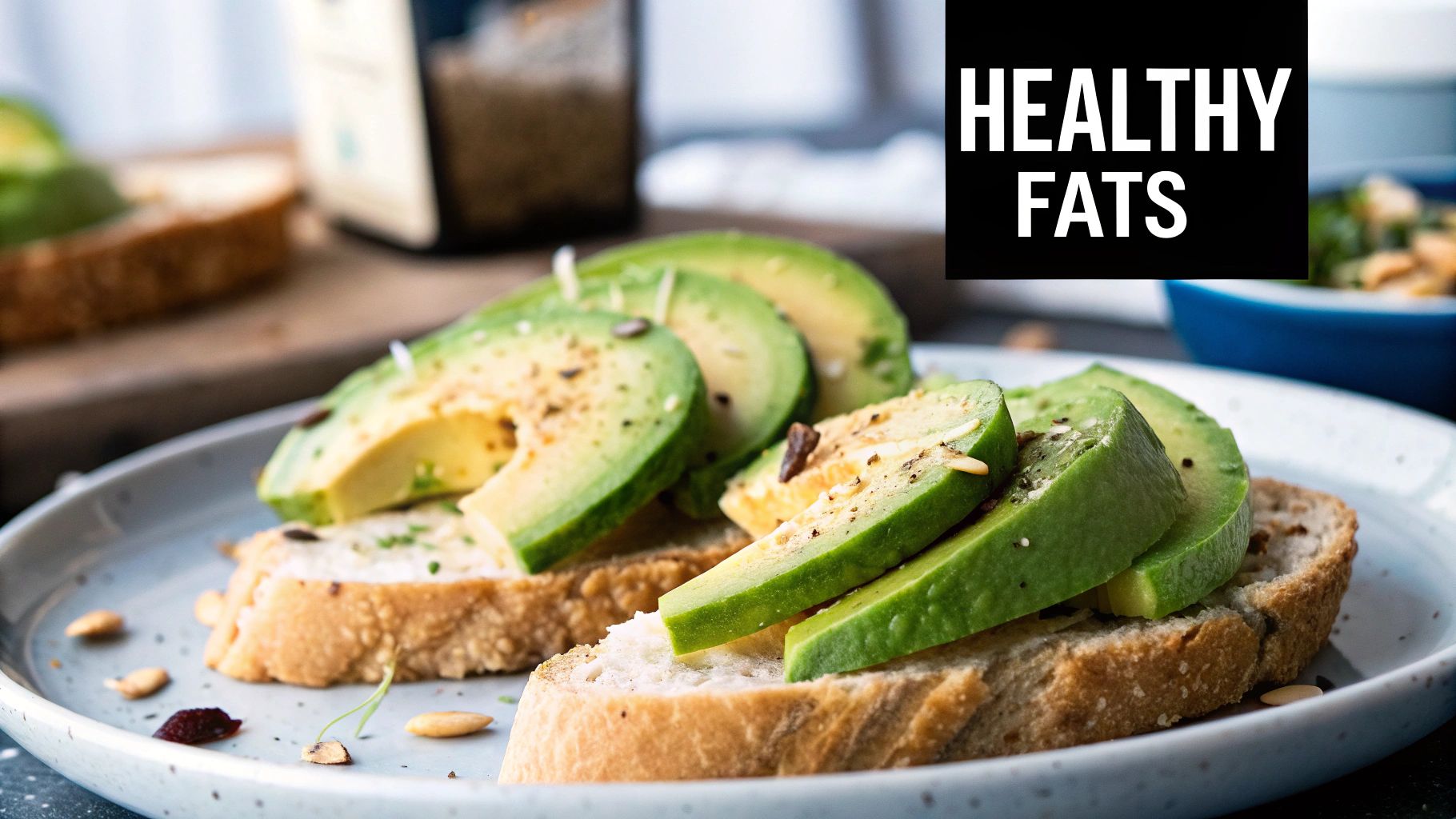
This prolonged fullness is a game-changer for managing your daily calorie budget. Studies have shown that adding just half an avocado to a meal can significantly reduce the desire to eat for up to five hours afterwards. By incorporating this creamy fruit, you displace less nutrient-dense ingredients and support your metabolic health, making weight management feel more effortless and sustainable.
Why They Work for Weight Loss
The effectiveness of avocados stems from their healthy fats and substantial fibre content. The monounsaturated fats, particularly oleic acid, not only promote satiety but also support hormone production and help your body absorb fat-soluble vitamins from other foods, like those in a salad. This synergy enhances the overall nutritional value of your meal.
The fibre in avocados further aids digestion and helps regulate blood sugar, preventing the sharp spikes and crashes that often trigger cravings for sugar. This dual-action approach of managing hunger and stabilising energy levels makes avocados a powerful ally in achieving and maintaining a healthy weight.
How to Add More Avocados to Your Diet
- Mind your portions: Stick to a serving size of one-quarter to one-half of an avocado to reap the benefits without overdoing the calories.
- Swap unhealthy fats: Use mashed avocado in place of butter on toast or as a creamy substitute for mayonnaise in sandwiches and salads.
- Boost your smoothies: Add a quarter of an avocado to your smoothie for a creamy texture and a dose of healthy fats, replacing the need for dairy or banana.
- Enhance nutrient absorption: Add sliced avocado to your salads. The healthy fats will help your body absorb the vitamins from all the vegetables.
7. Nuts and Seeds
Nuts and seeds like almonds, walnuts, chia seeds, and flaxseeds are often viewed with caution due to their high calorie density. However, when eaten in moderation, they are incredibly effective for weight management. Their power lies in a potent combination of healthy fats, protein, and fibre, which work together to promote a strong sense of fullness and keep hunger at bay for longer periods.
This high satiety factor means a small portion can prevent you from reaching for larger, less nutritious snacks later. Research, such as the landmark PREDIMED study, has shown that regular nut consumption is associated with reduced weight gain and a lower risk of obesity. This makes them one of the best foods for weight loss, provided portion control is practised.
Why They Work for Weight Loss
The success of nuts and seeds in a weight loss plan comes from their ability to provide sustained energy and regulate appetite. The healthy fats and protein slow down the absorption of carbohydrates, helping to stabilise blood sugar levels and prevent the sharp spikes and crashes that trigger cravings. This slow-release energy is why endurance athletes often rely on nuts and seeds for fuel.
By providing lasting satisfaction from a small, nutrient-rich portion, they help reduce overall calorie intake without causing feelings of deprivation. This makes them a sustainable addition to a healthy eating pattern focused on long-term results.
How to Add More Nuts and Seeds to Your Diet
- Practise portion control: Pre-portion nuts and seeds into small containers or bags (around a 30g serving) to prevent mindless overeating.
- Choose wisely: Opt for raw, unsalted varieties to avoid added sodium and unhealthy oils.
- Balance your snacks: Pair a small handful of nuts with a piece of fruit, like an apple, for a balanced snack rich in fibre, healthy fats, and protein.
- Boost your meals: Sprinkle chia seeds or ground flaxseeds over your morning oats, yoghurt, or add them to smoothies for an easy fibre and omega-3 boost.
8. Legumes and Beans
Beans, lentils, chickpeas, and other legumes are nutritional powerhouses that combine protein, fibre, and complex carbohydrates in a low-fat, affordable package. Their primary advantage for weight management is their exceptional ability to promote satiety, helping you feel full and satisfied for longer periods after a meal. This reduces the likelihood of overeating or reaching for unhealthy snacks.
This feeling of fullness is a key element of sustainable weight loss, making legumes a staple in many healthy eating patterns worldwide. For instance, they are a cornerstone of the Mediterranean diet and are heavily consumed in Blue Zones, regions known for longevity and low rates of chronic disease. Their balanced macronutrient profile provides sustained energy without causing sharp spikes in blood sugar, supporting both weight control and overall metabolic health.
Why They Work for Weight Loss
The effectiveness of legumes and beans comes from their high content of both soluble fibre and plant-based protein. This potent combination slows digestion, stabilises blood glucose levels, and keeps hunger signals at bay. By incorporating these foods, you are adding volume and significant nutritional value to your meals with relatively few calories, making them one of the best foods for weight loss. They are also incredibly versatile, which makes them easy to include in your regular meal rotation.
How to Add More Legumes and Beans to Your Diet
- Boost your meals: Add a can of chickpeas to salads, mix black beans into soups and stews, or use lentils as a base for hearty vegetarian dishes.
- Start slowly: If you are not used to eating a lot of fibre, begin with smaller portions and gradually increase your intake to allow your digestive system to adjust.
- Prepare ahead: Cooking dried beans in batches is a great strategy. For tips on incorporating them into your weekly routine, check out our guide on how to meal prep.
- Rinse canned varieties: If using canned beans, rinse them thoroughly under running water to remove a significant amount of the added sodium.
9. Salmon and Fatty Fish
Salmon, mackerel, and sardines are powerhouses of nutrition that actively support weight management. Their main benefit comes from a potent combination of high-quality protein and omega-3 fatty acids, which work together to enhance feelings of fullness. This superior satiety helps reduce overall calorie consumption by keeping you satisfied for longer after a meal, a key factor for anyone on a weight loss journey.
This synergy of protein and healthy fats makes fatty fish one of the best foods for weight loss. Unlike lean protein sources, the addition of omega-3s helps reduce inflammation, a condition often linked to metabolic dysfunction and weight gain. This approach is fundamental to diets like the Mediterranean and Nordic eating patterns, which are consistently associated with lower rates of obesity and improved cardiovascular health.
Why They Work for Weight Loss
The effectiveness of salmon and other fatty fish lies in their nutrient density. The high protein content requires more energy to digest, a phenomenon known as the thermic effect of food, which gives your metabolism a slight boost. Simultaneously, the omega-3 fatty acids, particularly EPA and DHA, may help improve insulin sensitivity and promote the burning of fat for energy. This dual-action approach addresses both calorie intake and metabolic efficiency.
This powerful nutritional profile helps stabilise your energy levels and prevent the intense cravings that can derail a healthy eating plan. By choosing fatty fish, you are not just cutting calories; you are providing your body with essential nutrients that support a leaner, healthier composition.
How to Add More Fatty Fish to Your Diet
- Aim for consistency: Incorporate two to three servings of fatty fish into your weekly meal plan.
- Choose wisely: Opt for wild-caught varieties when possible, as they often have a more favourable omega-3 profile.
- Embrace convenience: Canned salmon and sardines are affordable, long-lasting options that are perfect for quick lunches or snacks.
- Cook lightly: Prepare fish by baking, grilling, or poaching instead of frying to minimise added fats and calories.
- Season smartly: Enhance the flavour with fresh herbs, lemon juice, and spices rather than relying on heavy, cream-based sauces.
10. Apple Cider Vinegar
Apple cider vinegar (ACV) has earned a place in weight loss discussions due to its acetic acid content. This active compound is thought to improve metabolism, reduce fat storage, and increase feelings of fullness. While it’s not a standalone miracle solution, evidence suggests ACV can be a supportive element within a broader, healthy lifestyle.
Its primary mechanism involves slowing stomach emptying, which can lead to prolonged satiety and a natural reduction in calorie consumption. This effect, combined with its potential to help regulate blood sugar levels, makes it a strategic addition for those looking to manage appetite and cravings. A notable Japanese study found participants who consumed ACV daily lost an average of 1-2 kilograms over a 12-week period compared to a placebo group.
Why It Works for Weight Loss
The power of apple cider vinegar lies in its ability to influence key metabolic processes. The acetic acid can help suppress appetite and may also improve the body’s ability to utilise fat as an energy source. By helping to stabilise blood sugar levels, particularly after a carbohydrate-rich meal, it can prevent the sharp spikes and subsequent crashes that often trigger cravings for unhealthy snacks.
This makes it a valuable tool, not just a food, for a weight loss journey. It addresses both physiological hunger and the metabolic factors that contribute to weight gain, making it a functional component for those seeking a natural boost to their efforts.
How to Add Apple Cider Vinegar to Your Diet
- Dilute properly: Always mix 1-2 tablespoons of ACV in a large glass of water (approx. 240ml). Never drink it straight, as it can damage your oesophagus and tooth enamel.
- Time it right: Consume your diluted ACV mixture about 15-20 minutes before a meal to maximise its appetite-suppressing effects.
- Protect your teeth: Consider using a straw to drink the mixture to minimise contact with your tooth enamel.
- Choose wisely: Opt for raw, unfiltered apple cider vinegar that contains "the mother," a collection of beneficial bacteria, proteins, and enzymes.
Top 10 Weight Loss Foods Comparison
| Item | Implementation Complexity 🔄 | Resource Requirements ⚡ | Expected Outcomes 📊 | Ideal Use Cases 💡 | Key Advantages ⭐ |
|---|---|---|---|---|---|
| Leafy Green Vegetables | Low – easy to prepare and consume | Low – affordable, readily available | Moderate – increased satiety, micronutrient boost | Weight loss by adding meal volume without calories | Low calorie density, high fiber, rich vitamins |
| Lean Protein Sources | Medium – requires cooking and preparation | Medium – sometimes costly | High – muscle preservation, increased metabolism | Weight loss with muscle maintenance and metabolic boost | High thermic effect, muscle support, satiety |
| Whole Eggs | Low – quick and simple preparation | Low – accessible and affordable | High – enhanced satiety and reduced calorie intake | Breakfast weight loss strategy and easy protein source | High-quality protein, nutrient dense, satiating |
| Greek Yogurt | Low – ready-to-eat, minimal prep | Medium – can be more expensive | Moderate – satiety, gut health support | Healthy snacks, post-workout recovery, dessert substitute | High protein, probiotics, versatile use |
| Berries | Low – ready to eat or easy to add | Medium – can be costly, seasonal | Moderate – satisfy sweet cravings, antioxidants | Healthy sweet snacks, blood sugar regulation | Antioxidants, low sugar, high fiber |
| Avocados | Low – simple prep but calorie dense | Medium to high – often expensive | Moderate – high satiety, nutrient absorption | Healthy fat source, satiety enhancer in meals | Monounsaturated fats, potassium, inflammation reduction |
| Nuts and Seeds | Low – minimal prep, portable snack | Medium – pricey per serving | Moderate – sustained energy and satiety | Portion-controlled snacks, energy-dense additions | Healthy fats, protein, fiber, long shelf life |
| Legumes and Beans | Medium – require cooking or canned options | Low – affordable protein source | High – sustained energy, blood sugar regulation | Affordable protein and fiber source, meal staple | High protein+fiber, low fat, very filling |
| Salmon and Fatty Fish | Medium – needs cooking and careful sourcing | High – can be expensive and perishable | High – satiety, metabolism boost, inflammation reduction | Weight loss with omega-3 benefits, muscle maintenance | Omega-3s, high-quality protein, anti-inflammatory |
| Apple Cider Vinegar | Low – simple consumption with precautions | Low – inexpensive and widely available | Low to Moderate – appetite suppression, minor weight loss | Supplement to diet for appetite and blood sugar control | Acetic acid effects, low calorie, affordable |
Your Plate, Your Power: Making These Foods Work for You
Navigating the path to sustainable weight loss can often feel overwhelming, but as we’ve explored, the journey begins on your plate. The ten powerhouse food categories detailed in this guide, from vibrant leafy greens to protein-packed salmon and legumes, are more than just items on a list; they are the fundamental building blocks for a healthier, more energised you. They represent a powerful shift away from restrictive dieting and towards a philosophy of nourishing your body with whole, nutrient-dense ingredients.
The true secret to success isn’t found in a single "superfood" but in the consistent, mindful integration of these foods into your daily routine. It’s about creating a sustainable lifestyle, not a temporary fix. The best foods for weight loss work collectively to keep you satiated, stabilise your blood sugar, and provide the essential vitamins and minerals your body needs to function optimally. This approach fosters a positive relationship with food, transforming it from a source of anxiety into a tool for empowerment.
Key Takeaways for Lasting Success
To truly harness the power of these foods, remember these core principles:
- Prioritise Protein and Fibre: Every meal should feature a source of lean protein (like eggs, Greek yogurt, or fish) and fibre (from vegetables, berries, or beans). This combination is the ultimate defence against hunger, helping you feel fuller for longer and reducing the likelihood of reaching for processed snacks.
- Embrace Healthy Fats: Don't fear the fats found in avocados, nuts, seeds, and salmon. These are crucial for hormone production, nutrient absorption, and long-term satiety. The key is portion awareness; a small handful of almonds or a quarter of an avocado is often enough to reap the benefits without overdoing the calories.
- Consistency Over Perfection: Aim for progress, not an unattainable standard of perfection. Start with small, manageable swaps. Can you add spinach to your morning smoothie? Can you choose a handful of berries over a biscuit for your afternoon snack? These incremental changes compound over time, leading to significant and lasting results.
Actionable Next Steps to Get Started
Understanding what to eat is the first step; putting it into practice is where the real transformation happens. To truly leverage the power of food for weight loss, understanding and actively monitoring metabolic health is key to how your body processes nutrients and energy. This deeper awareness allows you to personalise your approach and see how these dietary changes directly impact your body's efficiency.
Ultimately, this journey is about empowering yourself with knowledge and creating habits that serve you well for life. By focusing on these wholesome, delicious foods, you're not just working towards a number on the scale; you're investing in your long-term vitality, energy, and overall wellbeing. You have the power to reshape your health one plate at a time.
Ready to put these principles into practice without the guesswork? Let Absolute Cravings help you on your journey with delicious, chef-prepared meals and smoothies that incorporate many of the best foods for weight loss. Explore our menu today and discover how convenient and flavourful healthy eating can be. Absolute Cravings