Australia’s Best Healthy Meal Delivery Services

Let's be honest, life gets busy. Between work, family, and trying to have some semblance of a social life, who has the time to cook a nutritious meal from scratch every single night? It’s a real struggle.

That's precisely why so many Aussies are turning to healthy meal delivery services. It’s the ultimate life hack: you get to skip the crowded grocery aisles and still enjoy delicious, chef-prepped meals delivered right to your door.

Why Aussies Are Hooked on Meal Delivery

Image

Juggling everything can feel like a constant battle, but your health shouldn't be the thing that gets sacrificed. We all want that feeling of a home-cooked meal, just without the hours of planning, shopping, and chopping that come with it.

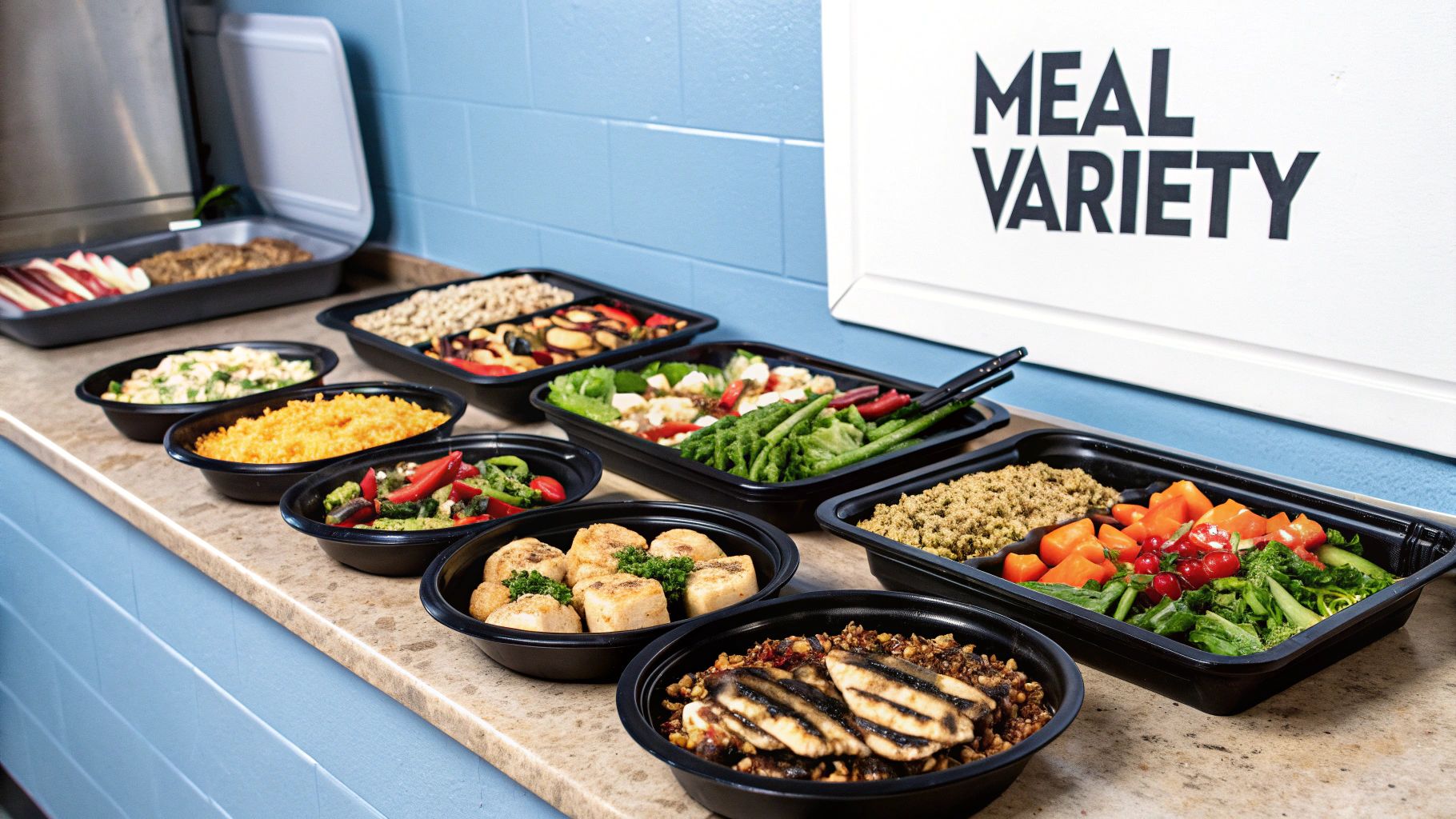
Meal delivery boxes perfectly bridge that gap. They show up with either pre-portioned ingredients ready for you to whip up a new recipe, or fully-prepared meals you can simply heat and eat.

It’s all about getting that convenience without compromising on your health goals, whether you're trying to manage your weight, build muscle, or stick to a plant-based diet.

Making Healthy Eating Fit Your Life

The beauty of these services is how they adapt to you. A tradie on a long shift might need a high-protein breakfast to keep them going, while a graphic designer in Sydney could be after vibrant, vegan lunch bowls that align with their values.

This kind of flexibility means your meals are never boring and always support your specific needs. It’s a far cry from the bland, repetitive "healthy" meals of the past.

"I cut my weekly shopping time in half and still eat fresh meals," says a busy Melbourne lawyer.

Meal Kits vs. Ready-Made Meals

You've got options, which is great. You can go for meal kits if you enjoy the process of cooking and want to pick up some new skills in the kitchen. They’re fantastic for ensuring maximum freshness and flavour.

On the other hand, if your schedule is all over the place, the heat-and-eat plans are a lifesaver. This variety is what keeps the market so dynamic and pushes all the providers to keep getting better.

A Trend Driven by Modern Lifestyles

It’s no surprise the meal delivery scene in Australia is booming. Our fast-paced urban lifestyles demand quick solutions that don’t ask us to sacrifice quality.

In fact, the numbers back it up. The meal delivery sector in Australia is projected to hit around US$2.59 billion in revenue in 2025. This growth is largely thanks to a younger generation that values convenience but also insists on organic, plant-based, and locally sourced ingredients. You can dive deeper into the stats on Statista.

It's not just the big national players, either. Local gems like Absolute Cravings in Townsville are bringing their unique, pet-friendly cafe vibe right to your doorstep, complete with fresh juices and a focus on high-quality, community-sourced ingredients.

Most services give you a heads-up on the weekly menu, allowing you to swap out dishes you’re not keen on. This little bit of control makes a huge difference, ensuring you’re genuinely excited for what’s coming.

Just to give you an idea of the variety out there:

  • Absolute Cravings: Think fresh, cafe-style meals and even smoothie deliveries.
  • My Muscle Chef: All about protein-packed plans tailored for fitness enthusiasts.
  • Sun Basket: A huge emphasis on organic, seasonal produce.

If you’re on the fence, dipping your toes in with a trial pack is a brilliant, low-risk way to get a feel for a service. You can check out the portion sizes, taste the food, and see if it genuinely fits your routine.

A one-week trial often costs less than a full weekly grocery shop, and you can usually pause or cancel without any fuss. It’s the best way to start small and scale up once you find that perfect match.

Figuring Out What You Actually Need in a Meal Service

Diving into the world of healthy meal delivery without a game plan is a bit like wandering into a supermarket when you're ravenous. Suddenly, everything looks amazing, and you end up with a trolley full of impulse buys you don't really need. Let's avoid that. Before you start scrolling, take a moment to figure out what your "perfect" meal service truly looks like.

Think about your real life. The messy, busy, day-to-day reality. Are you a professional trying to dodge that 3 pm slump with a quick, high-protein lunch? Or maybe you're feeding a family of four and just want to get more veggies on the table without the nightly dinner debate. Your personal situation is the single most important filter you have.

What Are Your Dietary Dealbreakers?

First things first, let's lock down your non-negotiables. This isn't just about what you prefer; it's about the core requirements a service absolutely must meet for your health and happiness. Don't bend on these.

Grab a pen and jot down your essential dietary needs. It helps to see it in black and white.

  • Allergies and Intolerances: Do you need certified gluten-free because you're coeliac? Or are you trying to avoid dairy, nuts, or soy at all costs?
  • Health-Specific Diets: This could be anything from low-FODMAP for digestive health, diabetic-friendly meals, or low-sodium options.
  • Lifestyle Choices: Are you committed to a vegan, vegetarian, keto, or paleo lifestyle?

Getting this on paper turns a vague goal like "eat healthier" into a solid set of criteria. It instantly slashes your list of options, making the whole process much less overwhelming.

Thinking About Your Household and Budget

Now for the practical stuff: logistics and money. The best service is one that fits into your life without causing stress. How many mouths are you feeding? A plan that's perfect for a single person might not work if you need family-sized portions.

It's easy to get sticker shock from the weekly price. A better approach is to calculate the cost per meal. You'll often find it's more affordable than your daily takeaway coffee and lunch combo.

Be realistic about how many meals you'll need each week. Are you looking for a complete seven-day solution, or do you just need help getting through those chaotic Monday-to-Thursday weeknights? Honesty here is key.

Finally, set a weekly budget you can actually stick to. Knowing your maximum spend stops you from falling for a service that isn't sustainable for you in the long run. And don't forget to check for delivery fees—they can be a sneaky hidden cost. With these details sorted, you're ready to find a service that feels like it was made just for you.

Meal Kits vs. Prepared Meals: Which Is Right for You?

When you’re looking into healthy meal delivery services, the first big question you need to ask yourself is this: do I actually want to cook, or do I just want to eat?

It sounds simple, but your answer is the key that unlocks which service is right for you. This is the fundamental difference between meal kits and prepared meals, and figuring out where you stand will instantly help you narrow down the overwhelming number of options out there.

Meal kits, like those from HelloFresh, are for the home cook who enjoys the process but hates the planning. They turn up on your doorstep with fresh, pre-portioned ingredients and a recipe card. It’s like a cooking class in a box, giving you the chance to try new dishes and get that fresh-off-the-stove flavour, without the hassle of a trip to the supermarket.

On the other hand, you have prepared meals. These are the ultimate convenience. They're fully cooked, often chef-designed dishes that just need a few minutes in the microwave or oven. If you’re a busy professional, a new parent, or just someone with a packed-out schedule, these are an absolute lifesaver. No prep, no mess, no stress.

The Trade-Off Between Time and Control

The big advantage of a meal kit is the control it gives you. You see every single ingredient that goes into your dinner. Don’t like as much salt? Easy. Want to add an extra dash of chilli? Go for it. This hands-on approach is brilliant if you're looking to pick up new skills in the kitchen or get a better feel for how different flavours work together.

Prepared meals swap that control for something just as valuable: time. The decisions have been made, the cooking’s been done, and a healthy meal is on your plate in minutes. This can be a game-changer when you're trying to stick to your health goals during a crazy week, helping you sidestep the temptation of yet another takeaway order.

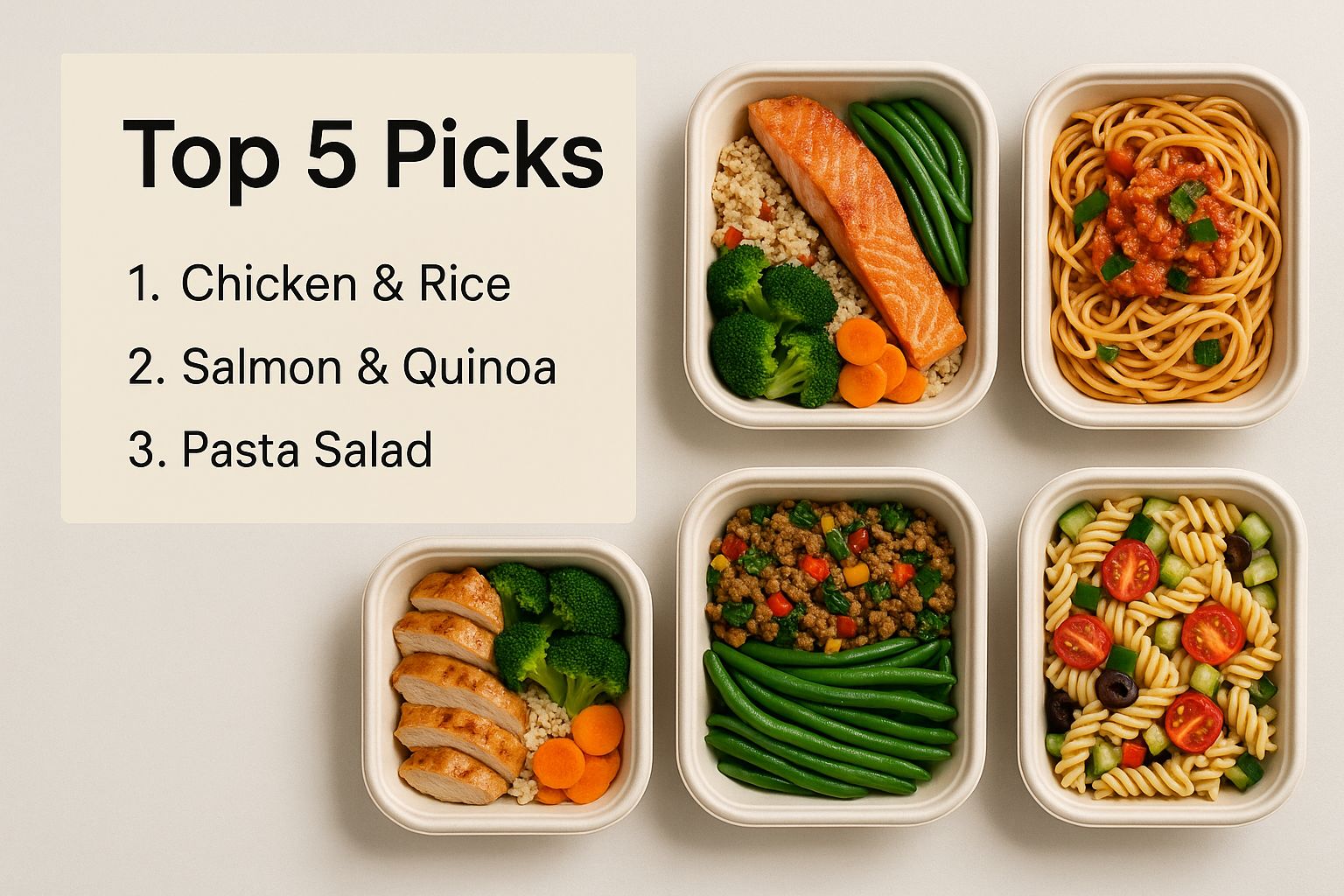
To give you a better idea of what’s out there, here are some of the top players in the game.
Image

This gives you a great starting point, highlighting some fantastic services across both categories to kick off your research.

A Growing Market Full of Options

There’s no denying how popular these services have become. Australia's meal kit delivery scene, in particular, has exploded, with industry revenue hitting around AUD 1.1 billion in 2024. This massive growth shows a real shift in how we think about food, with more and more people looking for solutions that are both healthy and convenient. You can dive deeper into the numbers on this booming industry on IBISWorld.

Choosing between a meal kit and a prepared meal isn’t about which is "better," but which is better for you, right now. Your needs might even change from week to week.

For instance, if you’re already a pro at batch cooking your meals on a Sunday, a meal kit might not make sense. If you're looking to sharpen those skills, by the way, our guide on how to meal prep effectively is packed with tips.

Meal Kits vs Prepared Meals: A Quick Comparison

To make the decision even clearer, it helps to see the key differences side-by-side. Think about what matters most to you—is it time, flexibility, or the cooking experience itself? This table breaks it down.

Feature Meal Kits (e.g., HelloFresh) Prepared Meals (e.g., Absolute Cravings, My Muscle Chef)
Time Commitment 30-60 minutes (cooking + cleanup) 2-5 minutes (heating)
Ingredient Control High – you prepare everything Low – chef-prepared
Skill Required Basic cooking skills needed None
Best For Aspiring cooks, couples, families who enjoy cooking together Busy individuals, those who dislike cooking, convenience seekers
Serving Size Usually 2-4 people Typically single-serving

Ultimately, both options are fantastic ways to eat healthier without the usual effort. Your perfect fit just depends on how much time you have and how involved you want to be in the process.

How to Vet Ingredient Quality and Sourcing

When you're paying for a healthy meal delivery service, you're buying more than just convenience. You're putting your trust in a company to handle your nutrition. The word "healthy" gets thrown around a lot in marketing, so it’s essential to look past the professional photos and figure out what’s really going into your meals.

True quality always starts with the ingredients.

A service that's genuinely committed to high standards will be proud of its sourcing. This is your first clue. Have a look around their website for a page like "Our Suppliers," "Food Philosophy," or "Our Ingredients." This is where you'll find out what really matters to them.

What to Look For

Once you find that page, scan for specific terms that show a real dedication to quality. Vague promises are a bit of a red flag; you want to see concrete details.

  • Local Sourcing: Do they talk about partnering with local Aussie farmers? This usually means fresher ingredients and a smaller carbon footprint.
  • Protein Quality: Keep an eye out for phrases like "free-range chicken," "grass-fed beef," or "sustainably sourced seafood."
  • Clean Ingredients: A promise to avoid artificial colours, flavours, preservatives, and heaps of added sugar is a massive win.

A company that’s open about its supply chain is a company with nothing to hide. If you can't find this information easily, it's fair to ask why.

Doing this little bit of homework helps you pick a service that matches your own health values, making sure your meals are nourishing from the ground up.

Reading Between the Lines on Nutrition Labels

Beyond the sourcing page, the nutrition labels themselves tell a powerful story. This is where you can check if the marketing lives up to reality. A good ingredient list should be easy to read and full of whole foods you actually recognise, not a long list of chemicals and numbers.

Knowing how to decode these labels is a skill that puts you in control. If you need a refresher, our guide on how to read nutrition labels breaks it all down simply.

The boom in prepared meal services across Australia is a direct answer to our increasingly busy lives. The industry is on track to hit around AUD 1.9 billion in revenue by 2025, which shows just how many of us are looking for convenient, healthy food. You can dig into these prepared meals production industry trends to see just how big this shift is.

Ultimately, checking ingredient quality is all about being an informed consumer. By digging a little deeper, you can find a service that doesn't just save you time but truly delivers on its promise of genuinely healthy, high-quality food.

Breaking Down the True Cost and Subscription Terms

The flashy price you see in an ad is almost never the full story. It’s the starting point. To find a healthy meal delivery service that actually works for your budget, you've got to dig a little deeper than that per-meal price tag.

Hidden costs can sneak up on you, turning what looked like a great deal into a weekly expense you really didn't see coming.

Think past that first number. What about delivery fees? Some services might drop this charge if you hit a certain order size, but others will tack on a flat rate no matter what. That fee alone can easily add another $10-$15 to your weekly total, completely changing the value proposition.

Calculate Your Real Price Per Plate

The only way to honestly compare services is to work out the genuine cost for each meal you get. To figure this out, you need to take your total weekly cost—that’s the price of the meals plus any shipping or service fees—and then divide it by the number of meals arriving at your door.

Let’s say you’re looking at a box of eight meals for $120. With a $10 delivery fee, your total is $130. That means you're actually paying $16.25 per meal, not the advertised $15. When you stack that final figure up against what you’d normally spend on groceries for a home-cooked meal or a takeaway lunch, you get a much more realistic picture.

Why Flexible Subscriptions Are a Must

But it's not all about the money—flexibility is everything for a good experience. Life happens. You might go on holiday, make spontaneous dinner plans, or just get a sudden urge to cook for yourself. A rigid subscription that makes it a pain to pause or skip is a guaranteed path to frustration and wasted food.

The best services always put you in the driver's seat, usually with a simple, user-friendly account dashboard. You should be looking for companies that let you:

  • Easily skip a week: It should only take a couple of clicks to pause your next delivery, with no penalties.
  • Pause your subscription: Heading away for a few weeks? You shouldn't have to cancel your entire account just to take a break.
  • Cancel without the hassle: Avoid any service that forces you to get on the phone and talk to someone just to cancel. Online cancellation should be standard.

A great service works around your schedule, not the other way around. This flexibility ensures you're only paying for meals you actually want and need, preventing food waste and saving you money.

Getting a handle on the full financial and logistical side of things is crucial. It’s a similar thought process to sizing up other modern conveniences, like we cover in our breakdown of the best food delivery apps in Australia. By looking closely at both the total cost and the subscription terms, you can confidently pick a service that genuinely supports your health, your budget, and your lifestyle.

Making Your Final Choice With Confidence
Image

After hours of comparing menus, delivery windows and ingredient origins, the moment to decide has arrived. It might feel a little unnerving to hit “subscribe,” but breaking it down into a practical framework can turn uncertainty into clarity.

Start by narrowing your shortlist to two or three services that impressed you most. Then run each option through one final set of questions. This simple drill strips away complexity and highlights what really matters.

Your Final Decision Checklist

Think of these prompts as your personal scorecard. For every contender, tick off:

  • Dietary Fit: Does it cover your must-haves—gluten-free, dairy-free or vegan?
  • Meal Type: Are meal kits or ready-to-eat dishes better suited to your rhythm and energy levels?
  • Ingredient Quality: Can you trace where the produce comes from, and is it genuinely fresh Aussie fare?
  • True Cost: When delivery fees are added, does the per-meal price sit comfortably within your weekly budget?
  • Flexibility: How easy is it to pause, skip a week or cancel if your plans change?

The service that checks off the most items isn’t just a solid pick—it’s the one built around your lifestyle. Trust the process, and your gut will thank you.

With this approach, you’re not gambling on trial and error. You’re selecting a partner that aligns with your health goals and daily schedule.

One last tip before you commit: start with a small trial order. A single week gives you a real taste of portions, flavours and delivery reliability. If it feels just right, you can confidently move to a longer plan.

Frequently Asked Questions

Diving into healthy meal delivery can leave you with a few burning questions. Here are the answers Australians ask most often when they’re hunting for simpler, healthier dinners.

Are Healthy Meal Delivery Services Worth The Cost?

It all depends on what you value. Think about the hours you reclaim when you skip meal planning, grocery runs and cooking. Plus, perfectly portioned meals mean almost no food waste.

To figure out if it stacks up for you, line up your current weekly spend on groceries and takeaways against the per-meal cost of a delivery service. Many find that:

  • Time Saved: No more meal prep or chopping veggies late at night
  • Consistent Nutrition: Every dish comes with clear calorie and macro counts
  • Less Waste: Ingredients matched exactly to your meals

Often, the convenience and health perks speak for themselves.

Can I Lose Weight With A Meal Delivery Service?

Yes—you absolutely can. The trick is choosing plans built around weight loss goals. Look for menus that:

  • Offer calorie-controlled options
  • Provide full nutritional breakdowns per dish
  • Let you track macros without extra apps

These services strip away guesswork around portion sizes and calories. That steady support makes it far easier to stick to your goals, even on hectic days.

What If I Have Specific Dietary Restrictions?

You’re not alone. Most leading providers have robust filters on their menus, covering everything from gluten-free and dairy-free to vegan, vegetarian and keto.

When allergies are serious, double-check the provider’s cross-contamination policy. Local favourites—like Absolute Cravings—often centre their entire menu on special diets, so you can order with total peace of mind.

  • Gluten-Free
  • Dairy-Free
  • Vegetarian & Vegan
  • Keto & Low-Carb

Ready to reclaim your weeknights with delicious, healthy meals delivered to your door? Explore the fresh, chef-prepared options at Absolute Cravings and discover how easy healthy eating can be. Find your perfect meal plan today!

How to Make Healthy Smoothies: Easy Tips & Delicious Recipes

Want to know the secret to a really great smoothie? It's not about just chucking a bunch of fruit in a blender and hoping for the best. To create a smoothie that’s not just delicious but genuinely satisfying and packed with nutrients, you need a simple, reliable game plan.

Think of it less as a strict recipe and more as a flexible blueprint. This is the formula I've used for years to whip up endless smoothie variations that keep me full, energised, and never bored.

Your Simple Formula for a Perfect Smoothie

Image

This method empowers you to use what you've got on hand, adapt to what's in season, and really nail the flavour and texture every single time. It's all about understanding the role each component plays in the final blend.

Building Your Smoothie Blueprint

The core idea is to combine four key elements. Get these right, and you'll have a perfectly balanced smoothie that works as a proper meal.

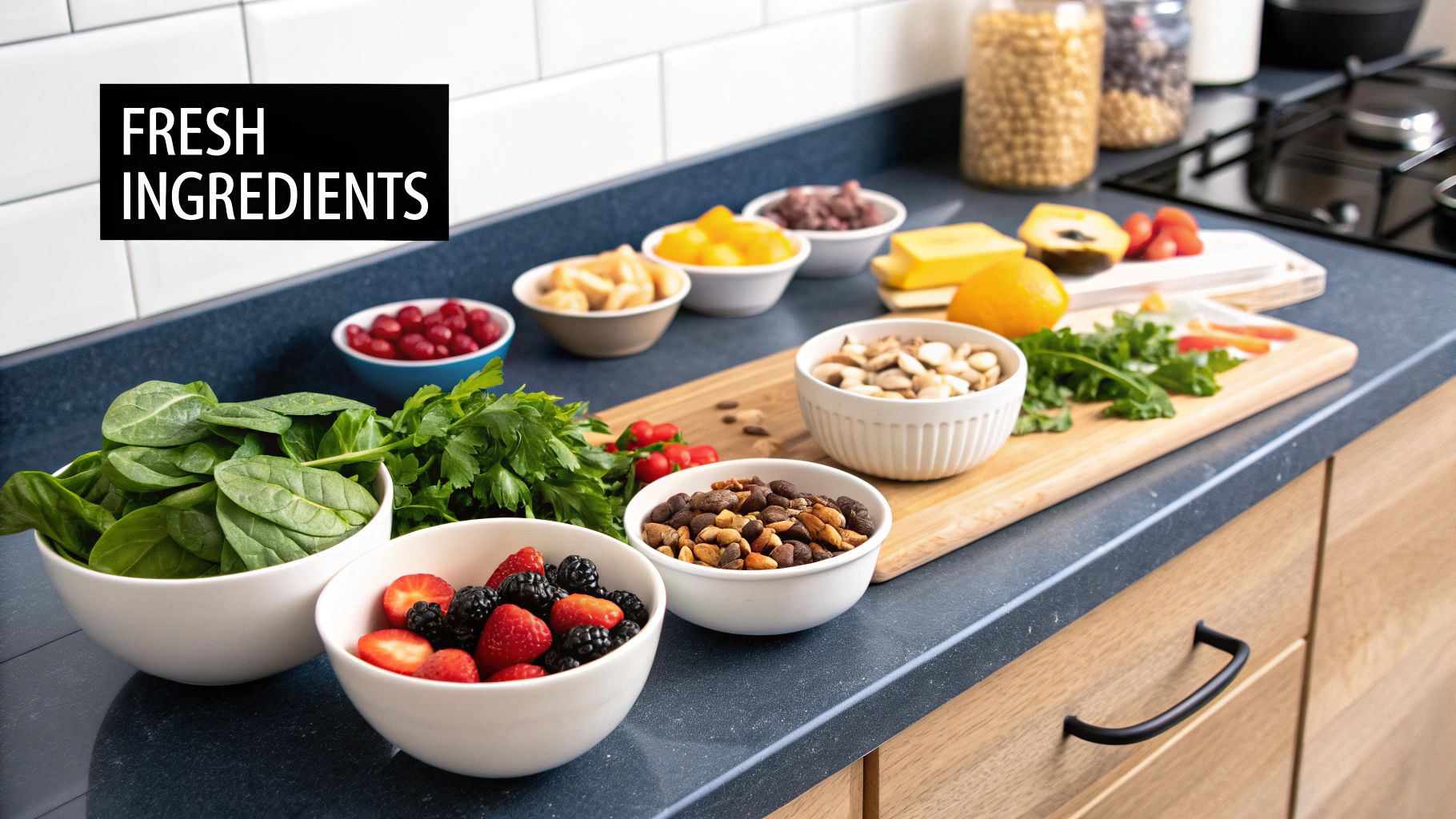
  • The Liquid Base (around 1 cup): This is what gets everything moving. Plain old water is fine, but you can also use coconut water for extra electrolytes, or dairy and plant-based milks (like almond or oat) for a creamier result.

  • Fruits & Veggies (1-2 cups): Here's where you get your flavour, natural sweetness, and a huge hit of vitamins. A classic combo is frozen banana or berries for creaminess and chill, plus a handful of leafy greens like spinach—you won't even taste it, I promise!
  • A Protein Boost (1 serving): This is what turns your smoothie from a snack into a meal that actually keeps you full. A scoop of Greek yoghurt, your favourite protein powder, or even some cottage cheese all work brilliantly.

  • Healthy Fats (about 1 tablespoon): Don't skip this! Healthy fats add a wonderful richness and are crucial for long-lasting energy. Think a spoonful of nut butter, some chia or ground flaxseed, or a slice of avocado for incredible creaminess.

A well-built smoothie isn't just a drink; it's a balanced meal in a glass. The combination of fibre from the fruit and veg, protein, and healthy fats helps keep your blood sugar stable and gives you sustained energy, stopping that dreaded mid-morning crash.

Putting It All Together

Once you've picked your ingredients, the actual blending is a piece of cake. The trick is to layer them properly.

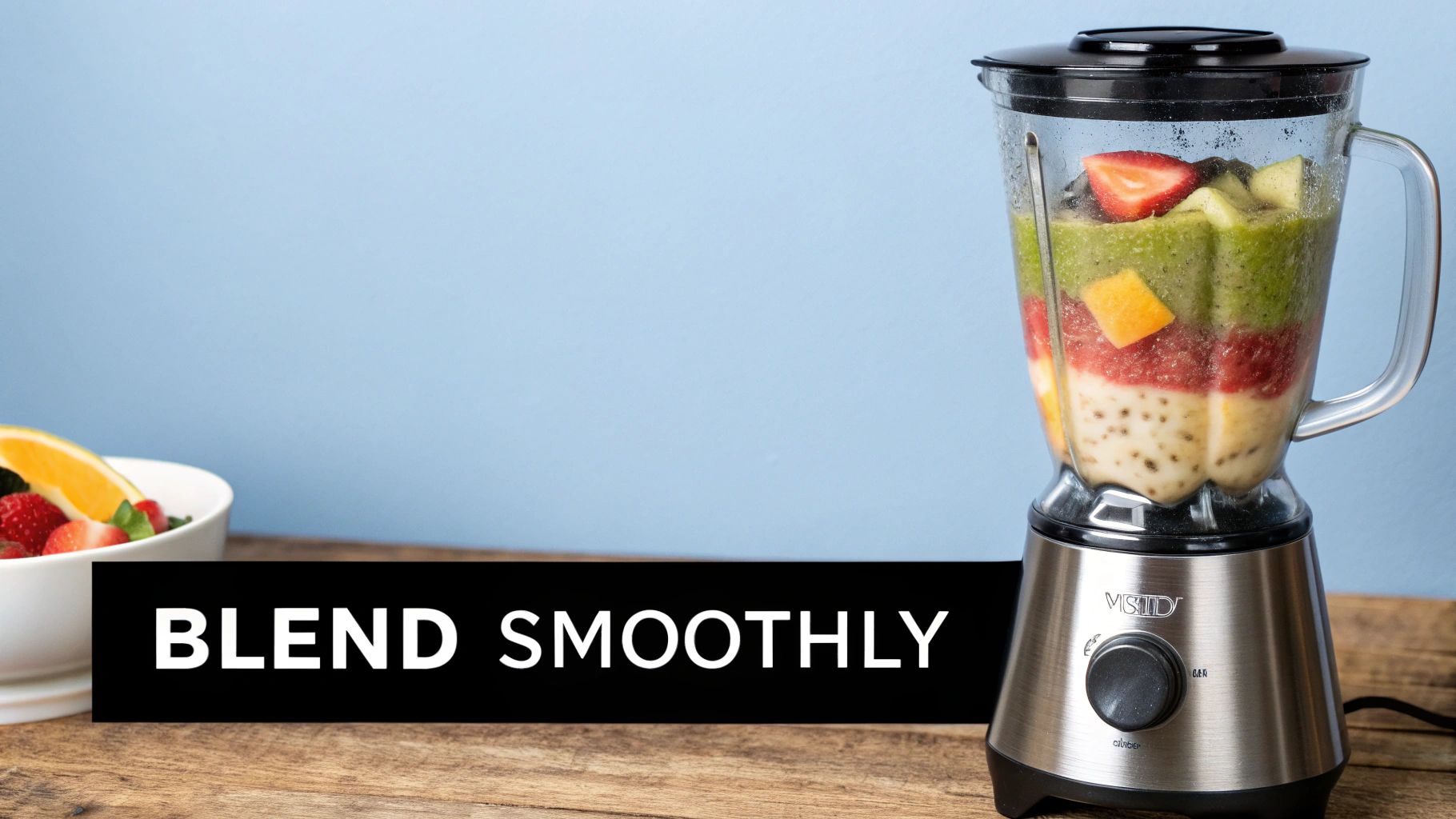
Pour your liquid in first. This helps the blades get going without getting stuck. Then add your softer ingredients, followed by the frozen stuff and any powders. This simple technique makes for a much smoother, quicker blend.

By sticking to this blueprint, you have a foolproof method for making amazing, healthy smoothies that you can tweak endlessly. It’s all about mixing, matching, and finding the combinations you absolutely love.

Choosing the Best Core Smoothie Ingredients

The secret to a truly crave-worthy smoothie isn't some complex recipe; it's all about understanding how good, simple ingredients work together. Building a great smoothie starts long before you press the blend button—it begins in the produce aisle and your pantry, with smart choices that lead to a delicious and nourishing result.

Fruit is the natural foundation for most smoothies, and for good reason. It provides sweetness, fibre, and a whole host of essential vitamins. In Australia, fruit-based smoothies are incredibly popular, holding a massive 46.73% revenue share of the market in 2023. It’s easy to see why—they're packed with goodness and can be adapted to almost any dietary need.

Selecting Your Fruits and Vegetables

When you're picking out fruits, think about both the flavour and the texture you're after. Bananas are a classic because they add an amazing creaminess and a gentle sweetness that rounds everything out. Berries, like strawberries and blueberries, are fantastic because they're low in sugar but high in antioxidants. Using them frozen is a great trick for creating a thick, chilled texture without watering your smoothie down with ice.

But a truly healthy smoothie often has a secret veggie weapon. A large handful of baby spinach is a perfect place to start. Its flavour is so mild it gets completely lost behind the fruit, but it sneaks in a significant boost of iron and vitamins. For an even creamier, more decadent texture, try adding a quarter of an avocado. It’s a game-changer, contributing healthy fats that help keep you feeling full for longer.

Some of the keenest smoothie makers I know have even started growing your own fruit trees to get the freshest possible ingredients right from their own backyard.

Balancing Sweetness and Nutrients

A common mistake is to go a bit overboard and load up a smoothie with too much high-sugar fruit. While it might taste amazing, it can lead to a nasty blood sugar spike followed by a crash. I always aim for a balanced ratio, something like one cup of fruit to one or two big handfuls of leafy greens. It’s a simple guideline that ensures you get all the benefits without the unwanted sugar rush.

Key Takeaway: The goal isn't just to make a sweet drink. It’s to create a balanced blend. Prioritise nutrient-dense, low-sugar ingredients like leafy greens and healthy fats to turn your smoothie from a snack into a genuinely sustaining meal.

To help you stay on track, it's really useful to know exactly what you’re putting into your body. Learning how to read nutrition labels on store-bought items like plant milks or yoghurts can make a huge difference in creating smoothies that are genuinely good for you.

Here's a quick checklist to help you build a brilliant smoothie every single time. Just pick one or two items from each category, and you're good to go.

Essential Smoothie Ingredient Checklist

Category Examples (Choose 1-2) Purpose
Liquid Base Water, Coconut Water, Almond Milk, Oat Milk Creates the right consistency and helps blend ingredients.
Fruit Banana, Berries, Mango, Pineapple Provides natural sweetness, fibre, and essential vitamins.
Vegetables Spinach, Kale, Avocado, Cucumber Boosts nutrient content with minimal impact on flavour.
Protein Protein Powder, Greek Yoghurt, Chia Seeds, Hemp Seeds Increases satiety and supports muscle repair.
Healthy Fats Avocado, Nut Butter, Flaxseed, Chia Seeds Adds creaminess and provides long-lasting energy.
Flavour Boosters Cinnamon, Cacao Powder, Vanilla Extract, Ginger Enhances the overall taste without adding sugar.

Using a table like this can take the guesswork out of your morning routine and ensure you're getting a well-rounded mix of nutrients.

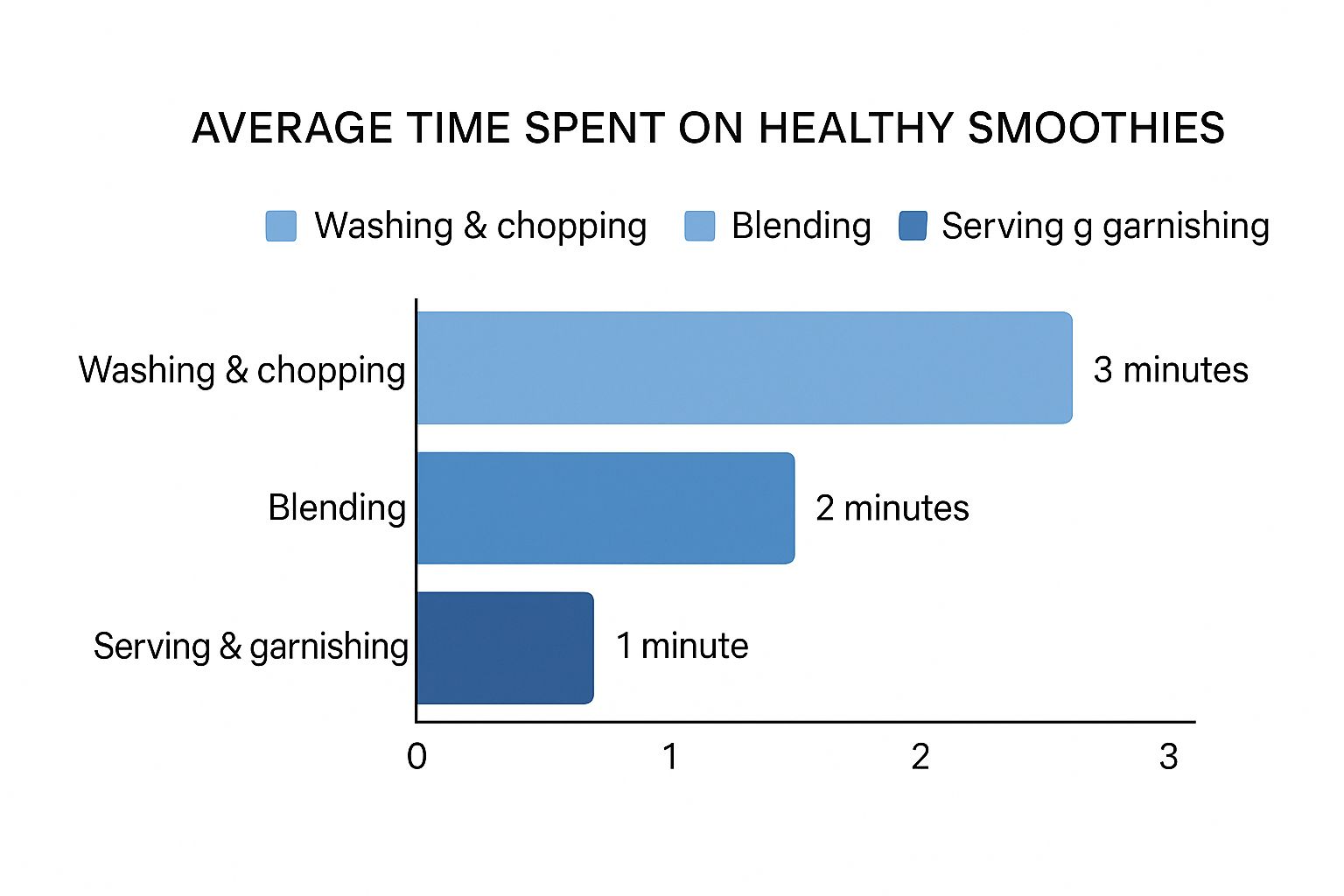
Image

As you can see, most of the time is spent on prep, which makes your ingredient selection even more important for an efficient and enjoyable routine.

By thoughtfully choosing your core ingredients, you can easily craft a smoothie that truly supports your wellness goals. It’s all about being intentional with your fruits, veggies, and extras to create a blend that’s as nutritious as it is delicious.

Exploring Plant-Based and Functional Add-Ins

Image

Once you've got the hang of the basic smoothie building blocks, it’s time for the fun part. This is where you can start experimenting with ingredients that take your blend from a simple healthy meal to a targeted nutritional powerhouse.

Plant-based milks and functional add-ins are your secret weapons here. They offer unique flavours, textures, and health benefits that dairy milk or plain water just can't compete with.

The demand for these specialised ingredients is booming. In Australia, the smoothie market is seeing some serious growth, and it’s all thanks to health-conscious people like us looking for natural, organic ingredients. This trend is driven by a real desire for smoothies that do more—like boost energy or improve digestion.

This shift means we have more amazing options than ever to customise our blends. Knowing a bit about these add-ins is the key to creating a smoothie that truly works for you and your body.

Choosing Your Plant-Based Milk

The plant-based milk you pick does more than just get the blender going; it completely changes the creaminess and flavour of the final product. Each one brings something different to the table, so it’s worth trying a few to see what you like.

  • Almond Milk: This is a crowd favourite for a reason. It’s low in calories with a neutral taste that lets your fruits and veggies be the star of the show. It’s quite thin, making it perfect for a more drinkable, less-thick smoothie.
  • Oat Milk: If you’re chasing that ultimate creamy, luxurious texture, oat milk is your best friend. It has a naturally smooth and slightly sweet profile that makes any smoothie feel incredibly rich.
  • Coconut Milk: For a tropical vibe and a hit of healthy fats, coconut milk (the kind from a carton, not the thick tinned stuff) adds a distinct flavour and a lovely, moderate creaminess.

Playing around with different milks is one of the easiest ways to find new favourite combos and nail the perfect texture for your healthy smoothies.

Supercharging with Functional Boosters

This is where you can get really specific with your health goals. Functional ingredients are foods that offer benefits beyond basic nutrition, and even a small amount can make a huge difference.

Tossing in these power-packed ingredients is such a simple step, but it massively boosts the nutritional value of your drink. If you're keen to learn more about where to find top-notch ingredients, understanding the benefits of organic food is a great place to start.

Think of these boosters as small additions with big rewards. Just a single tablespoon of chia seeds, for instance, can completely change how long your smoothie keeps you feeling full and satisfied.

Pro Tip: Start small with functional add-ins. A little really does go a long way, especially with potent flavours like ginger or maca powder. I always suggest starting with half a teaspoon and adjusting from there until you find what tastes right to you.

Here are a few of my go-to functional ingredients to get you started:

  • Chia Seeds: These tiny powerhouses are loaded with fibre, omega-3 fatty acids, and protein. They soak up liquid and create a gel-like consistency, which helps thicken your smoothie and keeps you feeling full for hours.
  • Ground Flaxseed: Another brilliant source of fibre and omega-3s, flaxseed adds a lovely nutty flavour and is fantastic for supporting digestive health.
  • Hemp Seeds: Offering a complete protein with all nine essential amino acids, hemp seeds have a mild, nutty taste and add a creamy texture when blended up.
  • Maca Powder: This root vegetable powder is well-known for its potential to boost energy and mood. It has an earthy, slightly caramel-like flavour that pairs beautifully with things like cacao or banana.

By thoughtfully picking your liquid base and adding a functional booster or two, you can craft a delicious, healthy smoothie that’s tailored precisely to what your body needs.

Mastering Your Blending Technique for the Perfect Texture

A truly great smoothie isn’t just about what you put in it; it's about how you bring it all together. The difference between a clumpy, gritty mess and a silky-smooth, cafe-quality drink often boils down to a few simple tricks of the trade.

It’s a common misconception that you need a top-of-the-line blender to get that perfect texture. The truth is, it’s much more about working with your machine, not against it. Once you know how to layer your ingredients correctly, you’ll be able to whip up a velvety, satisfying smoothie every single time.

The Right Way to Layer Your Ingredients

You might be surprised to learn that the order you add things to your blender jug makes a massive difference. Just piling everything in at random can strain the motor and leave you with stubborn chunks of frozen banana or, even worse, unblended bits of kale.

Following a specific layering strategy is the secret. This method protects your blender's blades and helps create a powerful vortex that pulls all the solid ingredients down for a much smoother, faster blend.

  1. Liquids First: Always start here. Pour your liquid base—whether it’s almond milk, water, or coconut water—into the jug first. This gives the blades something to grab onto right away, so they can start spinning freely without getting stuck.

  2. Powders and Boosters Next: Now’s the time for your protein powder, cacao, maca, or other supplements. Adding them now lets them dissolve properly into the liquid instead of getting stuck in clumps to the side of the jug.

  3. Leafy Greens: Follow up with your spinach or kale. By submerging the greens in the liquid, you help them break down completely. No more chewy, leafy bits in your final drink!

  4. Soft Ingredients: Next in are your fresh fruits, yoghurts, and things like nut butters.

  5. Frozen and Hard Ingredients Last: Finish with the heavy hitters—your frozen fruits, nuts, and any ice. Their weight is crucial, as it helps push everything else down towards the blades, creating an even, consistent blend from top to bottom.

By layering this way, you create a natural blending flow. The liquid base forms a whirlpool, pulling the lighter ingredients down before the heavier frozen items power through everything. The result is a perfectly smooth finish without overworking your blender.

Getting Your Smoothie’s Thickness Just Right

One of the best things about making your own smoothies is having complete control. Whether you're in the mood for a thick, spoonable smoothie bowl or a thin, easy-to-sip drink for on the go, a few simple tweaks are all it takes.

  • For a Thicker Smoothie: The easiest trick is to use frozen fruit instead of fresh. Frozen bananas, in particular, are fantastic for adding an incredible creaminess. You can also add a tablespoon of chia seeds or ground flaxseed—they absorb liquid and naturally thicken the blend. A scoop of Greek yoghurt or even a piece of avocado works wonders for a richer texture, too.

  • For a Thinner Smoothie: This one's an easy fix! Simply add more of your liquid base. I recommend starting with just a small splash, blending for a few seconds, and then checking the consistency. Keep adding a little at a time until it's perfect for you.

Mastering these simple techniques will give you the confidence to troubleshoot any smoothie. Say goodbye to gritty textures or watery disappointments—and hello to perfectly blended, delicious smoothies that are a joy to make and drink.

Simple Smoothie Recipes To Get You Started

Image

Now that you've got the fundamentals down, it's time for the fun part – putting your new skills to the test with a few of our go-to recipes. Think of these as a starting point; they’re a solid foundation you can tweak and customise depending on what’s in the fridge or what your body is craving that day.

These recipes are designed to be quick and easy, which is a huge part of why smoothies have become so popular. The demand for convenient and nutritious meals has seen smoothie consumption steadily rise across Australia. For busy Aussies, a well-made smoothie is the perfect answer for a fast, nutrient-packed meal, whether you're whipping it up at home or grabbing one on the go.

Here are a couple of delicious combinations to get you inspired.

The Classic Green Detox Smoothie

Don't let the vibrant green colour throw you; this smoothie is surprisingly sweet and incredibly refreshing. It's my favourite way to sneak in a massive serving of greens without even realising they're there. The banana and pineapple team up to deliver a beautiful tropical sweetness that completely balances out the spinach flavour.

Ingredients:

  • 1 large handful of fresh baby spinach
  • 1/2 frozen banana
  • 1/2 cup frozen pineapple chunks
  • 1 tbsp chia seeds
  • 1 cup of coconut water or plain water

Just toss all the ingredients into your blender, remembering the layering technique we talked about, and blitz it until it's perfectly smooth. This is my go-to when I need an energising kick-start to the day.

The Berry Antioxidant Boost

This recipe is an absolute powerhouse of flavour and nutrients, loaded with antioxidants from the mixed berries. The Greek yoghurt adds a fantastic creamy texture and a welcome protein boost that will keep you feeling full and satisfied all morning.

Ingredients:

  • 1 cup frozen mixed berries (strawberries, blueberries, raspberries)
  • 1/2 cup plain Greek yoghurt
  • 1 tbsp almond butter
  • 1/2 to 1 cup almond milk (adjust for your preferred thickness)

Combine everything in your blender and let it rip until it's lovely and creamy. The almond butter brings in some healthy fats and a subtle nutty taste that goes so well with the tangy berries. For more ideas on creating satisfying blends, check out our guide to the https://www.absolutecravings.com.au/best-protein-smoothie-recipes/.

A Quick Tip on Customising: Feel free to swap ingredients around! No pineapple? Try mango instead. Don't have almond butter? A tablespoon of hemp seeds works great, too. The best smoothie is the one you actually enjoy drinking, so don't be afraid to experiment.

These recipes are just the beginning of your smoothie-making journey. If you're looking for more inspiration, especially for blends that support specific health goals, you can find some delicious low sugar high protein smoothies to try. Use these ideas as a jumping-off point to discover your own perfect flavour combinations

Your Smoothie Questions, Answered

Even when you've got the best recipes on hand, a few questions always come up when you start making healthy smoothies a regular thing. Getting those little details sorted can be the difference between a new habit that sticks and a blender that just gathers dust.

Let's dive into some of the most common queries we hear, so you can perfect your blend and get the most out of every glass.

Is Fresh or Frozen Fruit Better for Smoothies?

This is a classic, and the answer is refreshingly simple: both are brilliant choices, but they serve slightly different purposes.

Fresh fruit is incredible when it’s in season, packed with vibrant flavour and goodness. But if you're chasing that perfect, thick smoothie texture, frozen fruit is your secret weapon. It’s typically picked and frozen at peak ripeness, which locks in all the nutrients. Plus, it chills and thickens your smoothie beautifully without needing ice, which can just water things down.

For that thick, creamy, almost dessert-like consistency, nothing beats frozen fruit like bananas or mangoes.

How Can I Prep Smoothies in Advance?

Mornings are hectic, we get it. Prepping ahead is a game-changer. The easiest way to get organised is by making individual "smoothie packs."

Just portion out your solid ingredients for one smoothie – think chopped fruit, spinach, protein powder, and seeds – into a freezer-safe bag or container. When you’re ready for a smoothie, all you have to do is tip the contents of a pack into your blender, pour in your liquid, and hit the button.

This little trick keeps everything fresh and makes your morning routine so much smoother. You can knock out a week's worth of smoothie packs in just a few minutes on a Sunday afternoon.

How Do I Store Leftover Smoothie?

Sometimes your eyes are bigger than your blender, and you end up with a bit extra. To keep it fresh, pour your leftover smoothie into an airtight container like a mason jar, filling it right up to the brim. This cuts down on air exposure, which helps stop it from oxidising and separating.

It should keep nicely in the fridge for up to 24 hours. You might notice it separates a little, but a quick shake or stir will usually bring it right back together. For a longer-term solution, pour the leftovers into an ice cube tray and freeze. These frozen smoothie cubes are perfect for adding a flavour boost to your next blend.


Ready to blend up something amazing with the freshest ingredients? If you're around Townsville, pop into Absolute Cravings for a delicious, healthy smoothie made with love, or have a look at our full menu online. We’re all about creating nutritious, satisfying food that makes healthy eating a pure joy. Visit us at https://www.absolutecravings.com.au.

10 Healthy Fast Food Alternatives That Work in 2025

In a world that moves at lightning speed, the allure of the fast-food drive-thru is undeniable. It's quick, convenient, and predictable. But what if that convenience didn't have to come at the cost of your health goals? The growing demand for nutritious, accessible food has sparked a revolution in the fast-casual dining scene, offering a wealth of vibrant, flavourful, and genuinely healthy fast food alternatives. This guide moves beyond generic advice to explore 10 specific categories of quick-service meals that prove you can nourish your body even on the busiest of days.

We will dive into actionable strategies for ordering smart at various types of eateries, from build-your-own salad bars to poke bowl shops. You'll discover how to identify truly healthy options and customise your order for maximum nutritional benefit. We will also highlight how local Townsville favourites like Absolute Cravings are leading the charge in delivering delicious, health-conscious fare that fits perfectly into a hectic schedule. This isn't just about avoiding the bad stuff; it's about embracing a new world of satisfying, grab-and-go meals that leave you feeling energised, not sluggish. To further inspire your shift away from the drive-thru, consider these practical and flavorful healthy weeknight dinner ideas.

1. Build-Your-Own Salad Chains

Build-your-own salad chains have revolutionised the fast-food landscape, offering a genuinely healthy fast food alternative that doesn’t sacrifice speed or flavour. These fast-casual eateries, popularised by brands like Sweetgreen and Chopt, empower customers to create personalised meals from an extensive selection of fresh ingredients. The core concept is simple: you control what goes into your bowl, from the base greens to the proteins, toppings, and dressings.

This customisable approach allows you to build a meal that perfectly aligns with your dietary needs and taste preferences. Whether you’re after a low-calorie lunch or a protein-packed post-workout meal, these establishments provide the building blocks for a nutritious and satisfying dish. Unlike traditional fast food, you can see the fresh vegetables, lean proteins, and healthy fats being added, ensuring transparency and quality.

Smart Ordering Strategies

To maximise the health benefits, a little strategy goes a long way. Follow these tips to build a better bowl:

  • Start with a Nutrient-Dense Base: Opt for darker greens like spinach or kale, which offer more vitamins and minerals than iceberg lettuce.
  • Prioritise Lean Protein: Choose grilled chicken, fish, tofu, or legumes to keep you full and support muscle health without excess saturated fat.
  • Add Healthy Fats: Incorporate sources like avocado, nuts, or seeds for satiety and essential fatty acids.
  • Control Your Dressing: Always ask for dressing on the side. This simple step allows you to control the amount you use, significantly reducing hidden calories, sodium, and sugar.

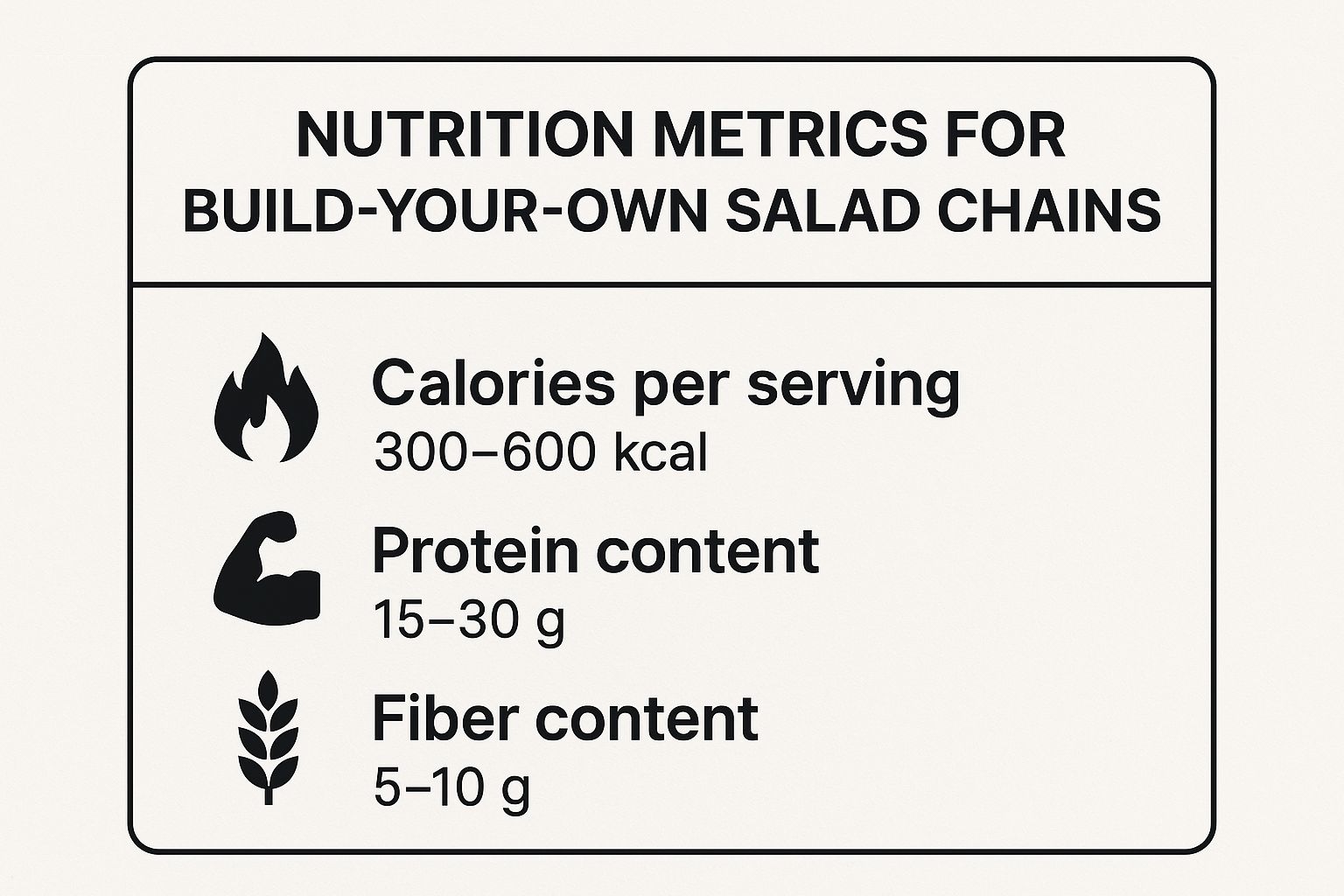
The infographic below summarises the typical nutritional profile you can achieve when building a smart salad.

Infographic showing key data about Build-Your-Own Salad Chains

These metrics show that a well-constructed salad can easily fit into a balanced diet, providing substantial protein and fibre for a moderate calorie count.

For a deeper look into how these chains operate and innovate, this video explores the journey of one of the industry's pioneers.

2. Mediterranean Fast-Casual Restaurants

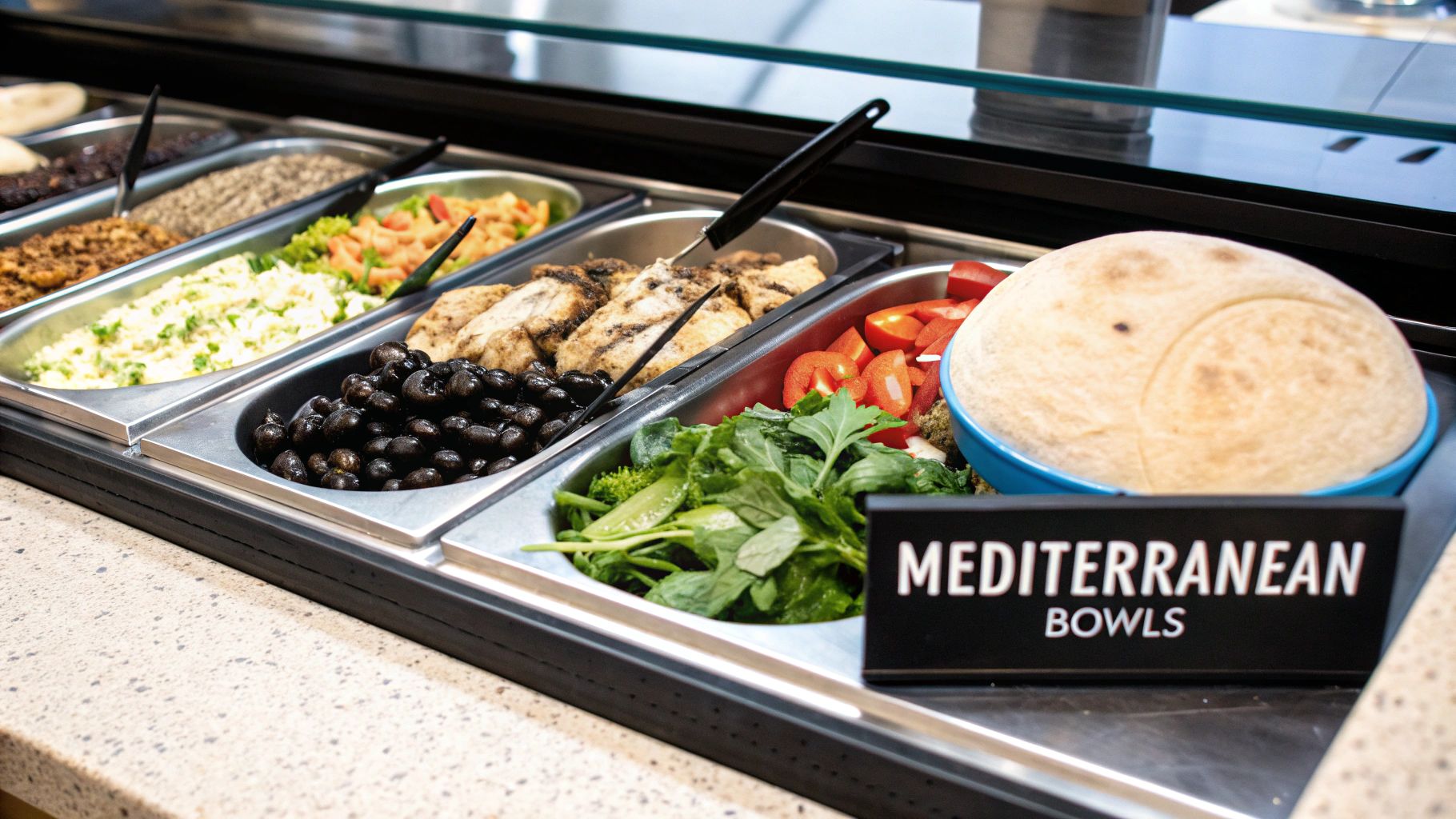
Mediterranean fast-casual restaurants have brought the heart-healthy principles of Mediterranean cuisine into the quick-service world, offering a delicious and nutritious healthy fast food alternative. Eateries like Cava Grill and Pita Pit have successfully adapted this diet, which centres on grilled meats, fresh vegetables, whole grains, and healthy fats. The model allows you to build bowls, pitas, or plates with a flavourful mix of nutrient-dense ingredients.

A delicious-looking Mediterranean bowl with various fresh ingredients

This style of dining is celebrated for its emphasis on plant-based foods and healthy fats like olive oil. Customers can enjoy the rich flavours of dishes inspired by Greek, Middle Eastern, and North African traditions without the heavy processing found in typical fast food. This makes it an excellent choice for a quick, satisfying meal that supports long-term health and wellbeing.

Smart Ordering Strategies

To get the most out of your Mediterranean meal, keep these simple ordering tips in mind:

  • Choose Lean Proteins: Opt for grilled chicken, fish, or plant-based options like falafel or lentils to build a filling and balanced meal.
  • Load Up on Vegetables: Fill at least half your bowl or plate with a colourful variety of vegetables like cucumbers, tomatoes, and leafy greens for fibre and essential nutrients.
  • Pick Whole Grains: Select brown rice or a whole grain pita as your base to increase your fibre intake and promote sustained energy.
  • Use Lighter Sauces: Instead of creamy, high-calorie dressings, flavour your meal with hummus, tzatziki, or a simple vinaigrette for a healthier yet tasty finish.

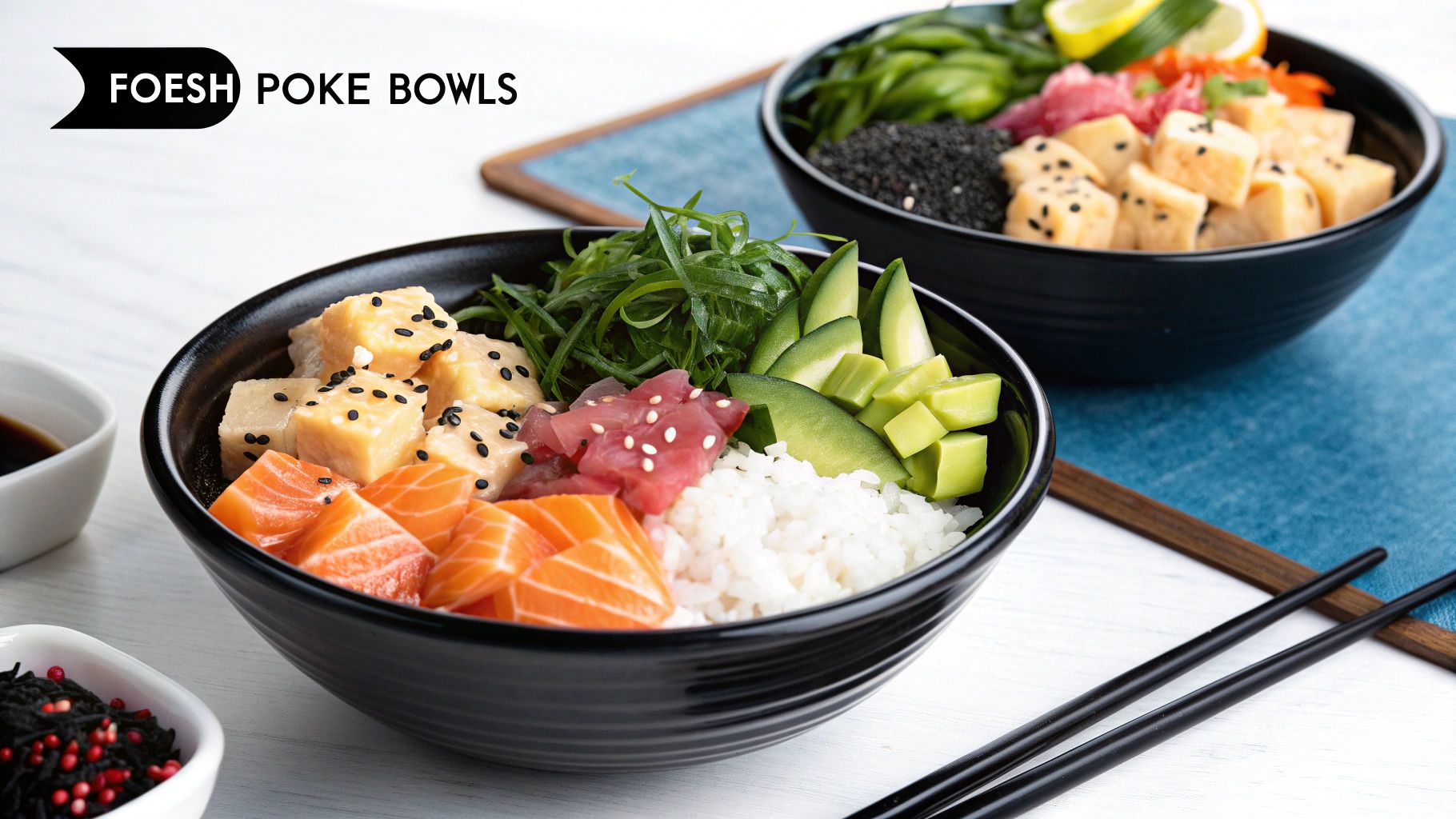
3. Poke Bowl Restaurants

Poke bowl restaurants have brought a taste of Hawaiian tradition to the fast-casual scene, offering a vibrant and nutritious healthy fast food alternative. These eateries, popularised by brands like Pokeworks and Aloha Poke Co., centre on poke (pronounced ‘poh-kay’), a dish of cubed raw fish. Customers build their own bowls, starting with a base and adding fresh fish, a variety of vegetable toppings, and flavourful sauces.

Poke Bowl Restaurants

This customisable format allows you to create a meal rich in omega-3 fatty acids, lean protein, and vitamins. The concept combines the health benefits of raw, high-quality fish with the satisfying textures of fresh vegetables and whole grains. It’s an ideal choice when you crave something light yet filling, offering a refreshing departure from typical heavy fast food options.

Smart Ordering Strategies

To ensure your poke bowl is as healthy as it is delicious, keep these tips in mind:

  • Choose a Nutrient-Rich Base: Opt for brown rice for added fibre or mixed greens to keep the calorie count lower.
  • Pick Your Protein Wisely: Select salmon or tuna for the highest concentration of beneficial omega-3s.
  • Load Up on Veggies: Add toppings like edamame, cucumber, and seaweed salad for extra vitamins, minerals, and fibre.
  • Be Mindful of Sauces: Many sauces are high in sodium and sugar. Ask for sauces like ponzu or light soy sauce on the side to control how much you use.

4. Healthy Mexican Fast-Casual Chains

Mexican-inspired fast-casual chains have surged in popularity, offering a vibrant and healthy fast food alternative that puts you in control. Eateries like Chipotle, Qdoba, and Moe's Southwest Grill champion fresh ingredients and customisation, proving that Mexican food can be both delicious and nutritious. The concept revolves around building your meal from a visible line of fresh components, allowing you to sidestep the heavy cheese, sour cream, and deep-fried elements of traditional fast-food Mexican fare.

This build-your-own model is ideal for crafting a meal that fits specific health goals. By choosing your base, protein, and toppings, you can easily manage macronutrients, increase fibre, and reduce refined carbohydrates. The transparency of seeing your food prepared in front of you ensures you know exactly what you’re eating, from the grilled meats and fresh salsas to the hand-mashed guacamole, making it a reliable choice for a wholesome, flavour-packed meal on the go.

Smart Ordering Strategies

To build a healthier Mexican-inspired meal, keep these simple guidelines in mind:

  • Build a Bowl, Not a Burrito: Skip the large flour tortilla to significantly cut down on refined carbs and calories. A burrito bowl gives you all the flavour without the wrap.
  • Load Up on Veggies: Add generous portions of fajita vegetables (grilled peppers and onions) and fresh salsas for a boost of fibre and vitamins with minimal calories.
  • Choose Healthy Fats: Opt for guacamole over sour cream and cheese. Guacamole provides heart-healthy monounsaturated fats and adds a creamy texture.
  • Pick Lean Protein: Stick with grilled chicken, steak, barbacoa, or plant-based sofritas to ensure you get a satisfying protein source without excess saturated fat.
  • Portion Your Grains: Ask for "light" or "half" rice and beans to manage your carbohydrate intake while still enjoying these classic components.

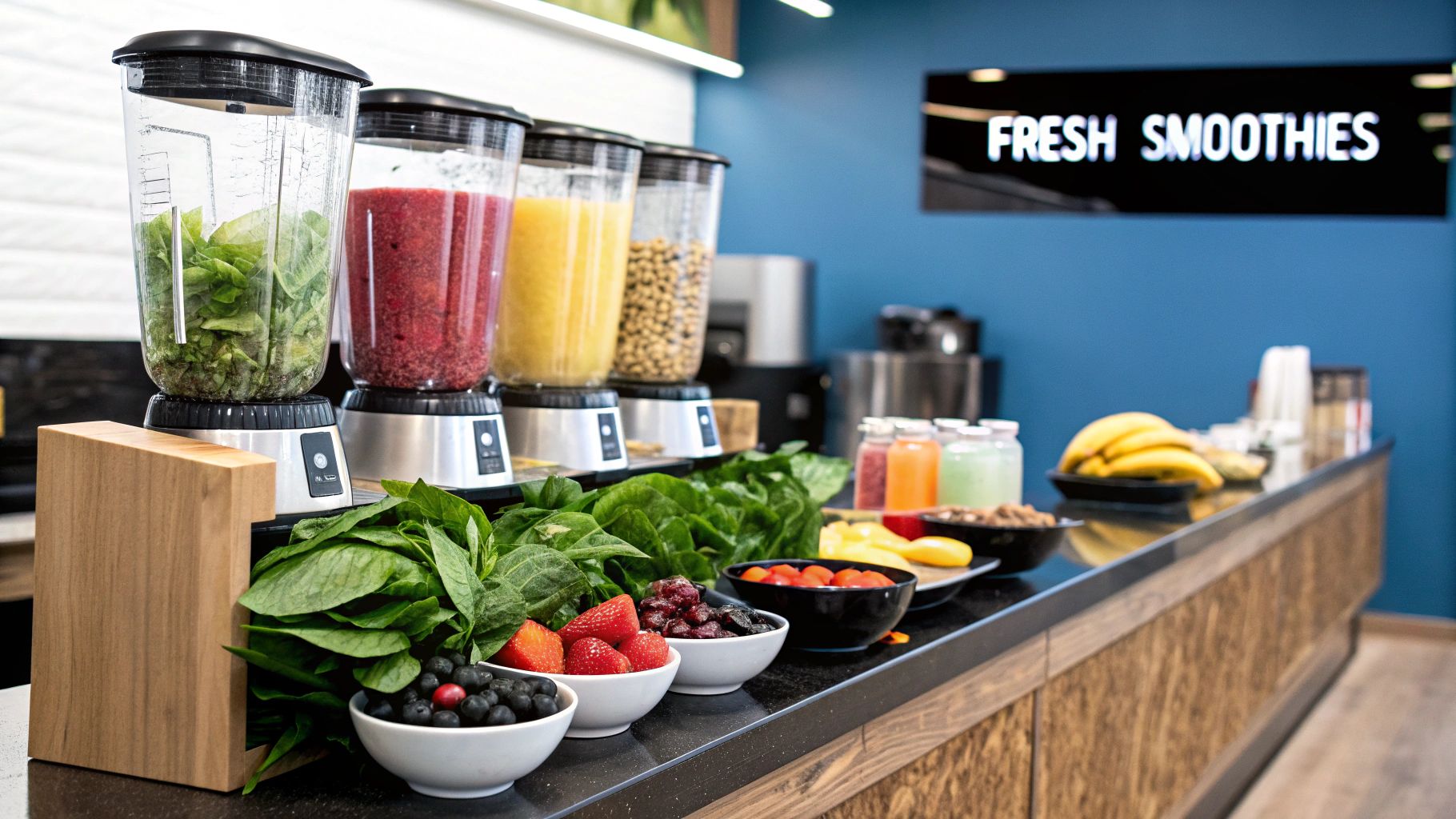
5. Smoothie and Juice Bars

Smoothie and juice bars have emerged as a popular healthy fast food alternative, offering a convenient way to consume multiple servings of fruits and vegetables in one go. Establishments like Jamba Juice and Juice Generation provide made-to-order smoothies, cold-pressed juices, and bowls that can be packed with nutrients. The central concept involves blending whole fruits and vegetables, often with added superfoods and protein, to create a quick, drinkable meal.

This grab-and-go model is perfect for busy individuals seeking a nutritious boost without the prep time. Unlike sugar-laden soft drinks or milkshakes from traditional fast-food outlets, a well-made smoothie can deliver vitamins, minerals, and fibre. By choosing the right ingredients, you can customise a beverage that aligns perfectly with your health goals, whether you need a light snack or a substantial meal replacement.

Smoothie and Juice Bars

Smart Ordering Strategies

Navigating the menu at a smoothie bar is key to ensuring your drink is genuinely healthy. Follow these tips to order a more nutritious beverage:

  • Go Green: Ask for a base of vegetables like spinach or kale to boost the vitamin and mineral content without significantly increasing the sugar.
  • Avoid Added Sugars: Request your smoothie with no added sweeteners, sorbets, or sugary fruit purees. Let the whole fruit provide the natural sweetness.
  • Boost the Protein: Incorporate protein powder, Greek yoghurt, or nuts to increase satiety and create a more balanced meal. For inspiration, you can find a variety of high-protein smoothie recipes to try at home.
  • Include Healthy Fats: Add a source of healthy fat, such as avocado, almond butter, or chia seeds, to help you stay full longer.
  • Watch Your Portion Size: Opt for a smaller size to keep the overall calorie and sugar count in check, especially if you’re having it as a snack rather than a meal.

6. Asian Fusion Healthy Bowls

Asian fusion bowls have emerged as a flavourful and nutritious healthy fast food alternative, offering a satisfying meal that is both quick and customisable. Fast-casual eateries like Panda Express and Pei Wei Asian Kitchen adapt traditional Asian recipes into health-conscious formats, focusing on fresh vegetables, lean proteins, and lighter cooking methods. The concept centres on building a bowl with a base of rice or noodles, topped with grilled proteins and vibrant, steamed vegetables.

This model allows you to enjoy the complex flavours of Asian cuisine without the excess fat and sodium often found in traditional takeaway versions. By choosing steamed or grilled preparations over fried options, you can create a balanced meal that is rich in nutrients and supports your health goals. Establishments like P.F. Chang's To Go and Pick Up Stix have popularised this by featuring lighter menu options and customisable stir-fries, making it easy to build a meal that aligns with your dietary needs.

Smart Ordering Strategies

To ensure your Asian-inspired bowl is as healthy as possible, keep these tips in mind:

  • Choose Steamed or Grilled: Always opt for proteins like chicken, beef, or tofu that are steamed or grilled, not deep-fried or battered.
  • Request Sauce on the Side: Many Asian sauces are high in sugar and sodium. Asking for sauce on the side gives you control over how much you add.
  • Opt for Brown Rice: If available, choose brown rice over white rice for an extra boost of fibre and nutrients.
  • Load Up on Vegetables: Ask for extra steamed vegetables like broccoli, carrots, and snow peas to increase the vitamin and mineral content of your meal.

7. Plant-Based Fast-Casual Restaurants

Plant-based fast-casual restaurants are rapidly gaining popularity, offering a vibrant and healthy fast food alternative centred on meals free from animal products. Pioneers like Veggie Grill and Native Foods have demonstrated that vegan food can be both convenient and delicious, creating menus that appeal to everyone, not just committed vegans. These eateries focus on whole foods, using vegetables, legumes, grains, and nuts to craft satisfying dishes.

This approach results in meals that are naturally lower in saturated fat and cholesterol while being rich in fibre, vitamins, and antioxidants. Whether it’s a hearty grain bowl, a flavourful veggie burger, or a colourful salad, plant-based restaurants provide a quick and nutritious option that supports both personal health and environmental sustainability. They prove that you don't need meat to create a fulfilling and flavour-packed meal.

Smart Ordering Strategies

Making mindful choices at a plant-based restaurant can elevate your meal from good to great. Here’s how to order for maximum nutritional benefit:

  • Prioritise Whole Foods: Opt for dishes that feature whole ingredients like roasted vegetables, quinoa, and beans over heavily processed vegan meat substitutes.
  • Create Complete Proteins: Combine legumes (like lentils or chickpeas) with whole grains (such as brown rice or quinoa) to ensure you’re getting all essential amino acids.
  • Add Colour and Healthy Fats: Look for meals with a diverse array of colourful vegetables and include sources of healthy fats like avocado, seeds, or nuts.
  • Watch the Sauces: Many sauces can add significant sugar and sodium. Ask for them on the side to control your portion sizes.

Exploring the benefits of a plant-based diet can be a delicious journey. For more insights into nutritious and appealing vegan options, learn more about sourcing great vegan food in Townsville.

8. Soup and Broth-Based Restaurants

Soup and broth-based restaurants have emerged as a comforting and genuinely healthy fast food alternative, particularly for those seeking warm, nutrient-rich meals on the go. Establishments like Zoup! and even mainstream options like Panera Bread showcase how soup can be both fast and nourishing. These eateries specialise in offering a rotating menu of soups, from hearty, vegetable-packed broths to lean protein-filled options, providing a lighter yet satisfying meal.

The core appeal lies in soup's ability to deliver significant nutritional value and promote satiety with fewer calories. A well-made soup is packed with vitamins and minerals from vegetables and the nourishing qualities of a good broth. This makes it an excellent choice for a light lunch or a restorative meal, moving far beyond the processed, high-sodium canned varieties and into the realm of fresh, thoughtfully prepared food.

Smart Ordering Strategies

To ensure you get the most out of your soup selection, a few simple guidelines can make all the difference. Keep these tips in mind to order a healthier, more balanced meal:

  • Choose Broth Over Cream: Opt for clear, broth-based soups like minestrone or chicken noodle instead of cream-based options like bisques, which are often high in calories and saturated fat.
  • Look for Lean Protein and Veggies: Select soups that are loaded with vegetables, beans, lentils, or lean proteins like chicken or fish to boost fibre and protein content, keeping you fuller for longer.
  • Be Mindful of Sodium: Restaurant soups can be high in salt. If possible, check nutritional information or ask for lower-sodium choices.
  • Pair Wisely: Complement your soup with a side salad or a small piece of whole-grain bread to create a more complete and balanced meal.

9. Healthy Sandwich and Wrap Chains

Healthy sandwich and wrap chains have redefined the classic takeaway lunch, offering a customisable and nutritious healthy fast food alternative. Establishments like Subway and Jersey Mike's give customers control over their meal, moving away from pre-made options to a model where you choose every component, from the bread to the protein and fresh fillings. This transparency allows you to build a meal that aligns with your specific health goals.

The core advantage lies in the ability to prioritise fresh ingredients. You can opt for whole grain breads, load up on an array of fresh vegetables, and select lean proteins over processed meats. This approach makes it simple to construct a balanced meal that is rich in fibre and nutrients while managing calories, fats, and sodium, making it a far superior choice to traditional fast-food burgers and fries.

Smart Ordering Strategies

Making mindful choices is key to crafting a genuinely healthy sandwich or wrap. Use these tips to build a better meal:

  • Choose a Whole Grain Base: Opt for whole wheat or multigrain bread or a wholemeal wrap for added fibre, which aids digestion and promotes satiety.
  • Load Up on Vegetables: Don't be shy with the salads. Add extra lettuce, tomatoes, cucumbers, capsicum, and onions for a nutrient and antioxidant boost with minimal calories.
  • Select Lean Proteins: Prioritise grilled chicken, turkey, or plant-based options like falafel or veggie patties over processed meats like salami or bacon.
  • Be Smart with Sauces: Swap creamy, high-fat dressings like mayonnaise or aioli for lighter choices like mustard, vinegar, or a small amount of avocado for healthy fats.

10. Meal Prep and Grab-n-Go Healthy Retailers

Meal prep and grab-n-go healthy retailers offer the ultimate convenience for those seeking healthy fast food alternatives without the effort of cooking. These establishments, from dedicated meal prep companies to the expanding prepared food sections in major grocery chains, provide nutritionist-designed meals that are ready to eat or require minimal heating. They effectively bridge the gap between time-consuming home cooking and less nutritious traditional fast food.

This approach gives you access to a diverse range of balanced meals, often with detailed nutritional information readily available. You can easily find options that cater to specific dietary needs like low-carb, high-protein, or plant-based diets. The core benefit is having a wholesome, portion-controlled meal on hand, which removes the guesswork and temptation associated with last-minute food decisions. For those who want to take their planning a step further, AI-powered meal planning services can offer structured, personalised plans to simplify healthy eating even more.

Smart Ordering Strategies

To ensure you're making the best choice from the fridge, keep these tips in mind:

  • Read the Ingredient List: Scan for whole-food ingredients and avoid meals with excessive additives, preservatives, or unrecognisable components.
  • Check the Sodium Content: Prepared meals can be high in sodium. Aim for options that keep sodium levels in a reasonable range to support cardiovascular health.
  • Look for Balanced Macronutrients: A good grab-n-go meal should contain a healthy balance of lean protein, complex carbohydrates, and healthy fats to keep you full and energised.
  • Rotate Your Selections: To ensure a wide variety of nutrients, try not to eat the same meal every day. Explore different options to diversify your vitamin and mineral intake.

By choosing wisely, you can leverage the convenience of these services to consistently eat well. If you're inspired to try it yourself, our guide offers tips on how to master meal prep for a healthy week.

Top 10 Healthy Fast Food Alternatives Comparison

Item Implementation Complexity 🔄 Resource Requirements ⚡ Expected Outcomes 📊 Ideal Use Cases 💡 Key Advantages ⭐
Build-Your-Own Salad Chains Moderate – assembly line model Fresh vegetables, proteins, dressings Nutrient-dense, customizable meals (300-600 cal) Fast, healthy meals with control over ingredients High customization and fresh daily ingredients
Mediterranean Fast-Casual Moderate – focus on grilling and fresh prep Grilled proteins, olive oil, whole grains Heart-healthy, rich in antioxidants and healthy fats Quick Mediterranean diet adaptation Proven health benefits and flavorful options
Poke Bowl Restaurants Moderate – requires sushi-grade fish handling Sushi-grade fish, fresh veggies, rice/quinoa High omega-3, lean protein rich (400-700 cal) Raw fish enthusiasts and nutrient-rich fast meals High omega-3 content and fresh customization
Healthy Mexican Fast-Casual Chains Moderate – grilled proteins and fresh salsas Grilled meats, beans, whole grains High fiber and vitamin-rich, approx. 630 cal meal Flavorful, nutritious Mexican-style fast food High fiber content and dietary accommodations
Smoothie and Juice Bars Low to moderate – blending and juicing equipment Fresh/frozen fruits, vegetables, supplements Quick vitamin boost, 200-400 cal typical Convenient fruit/veggie servings and post-workout Easy intake of multiple produce servings
Asian Fusion Healthy Bowls Moderate – steamed/grilled proteins Lean proteins, fresh vegetables, whole grains Lower saturated fat, complex flavors (400-500 cal) Healthy Asian-inspired meals Balanced, flavorful, and lower fat options
Plant-Based Fast-Casual Moderate – all plant-based preparation Legumes, grains, vegetables, whole foods High fiber, low saturated fat, rich antioxidants Vegan/plant-based quick meals High fiber and environmentally sustainable
Soup and Broth-Based Restaurants Low to moderate – broth preparation and soup rotations Vegetables, bone broth, lean proteins Satiety with low calories (150-400 cal) Warming, hydrating, lower-calorie options High satiety, hydrating, mineral-rich broths
Healthy Sandwich and Wrap Chains Low – sandwich assembly Whole grain breads, lean proteins, fresh veggies Portable, fiber-rich meals (350-450 cal typical) Convenient, customizable sandwiches Familiar, customizable, and portable
Meal Prep and Grab-n-Go Retailers Moderate – nutritionist-designed pre-made meals Balanced ingredients, refrigerated storage Precise portion control (400-600 cal typical) Busy lifestyles needing ready-to-eat healthy meals Convenience with nutritionist-formulated meals

Making Healthy Choices a Convenient Habit

Navigating the world of fast food doesn't have to mean compromising your health goals. As we've explored, the landscape of quick-service dining has evolved dramatically, offering a vibrant and diverse array of healthy fast food alternatives that are both delicious and nourishing. The journey from traditional fast food to healthier, more mindful eating is less about deprivation and more about discovery and smart customisation.

The key takeaway is that control is firmly in your hands. Whether you're building a custom salad, personalising a poke bowl, or choosing a wholemeal wrap, you have the power to prioritise lean proteins, complex carbohydrates, and an abundance of fresh vegetables. This shift empowers you to move beyond the one-size-fits-all menus of the past and curate meals that align perfectly with your unique dietary needs and taste preferences.

From Awareness to Action: Your Next Steps

Embracing these alternatives is a lifestyle adjustment, not a one-time decision. The real value lies in integrating these healthier choices into your regular routine, transforming them from an occasional option into a convenient, go-to habit. Here’s how you can start today:

  • Plan Ahead: Before hunger strikes, identify a few healthy spots near your home or workplace from the categories we've discussed. Having a pre-vetted list, including local gems like Townsville's Absolute Cravings, removes the guesswork when you're short on time.
  • Master the Menu: Spend a few minutes looking at menus online before you go. Learn to spot the healthier bases (quinoa, brown rice, mixed greens), lean proteins (grilled chicken, tofu, fish), and nutrient-dense toppings.
  • Don't Fear Customisation: Never hesitate to ask for dressing on the side, extra vegetables, or grilled instead of fried options. Most modern fast-casual restaurants are designed to accommodate these requests.

Making these small, consistent changes redefines convenience. It proves that you can fuel your body with high-quality, flavourful food without sacrificing precious time. This approach not only supports your physical well-being but also enhances your energy levels and mental clarity, allowing you to perform at your best in a busy world. The ultimate benefit is achieving a sustainable balance where healthy eating and convenience coexist, proving that you never have to choose between nourishing your body and keeping up with the demands of your life.


Ready to experience just how delicious and convenient healthy eating can be in Townsville? Explore the menu at Absolute Cravings, where every dish is crafted with fresh, local ingredients to provide a perfect alternative to traditional fast food. Visit us online at Absolute Cravings to see our range of nourishing meals, smoothies, and coffee today

Discover the Benefits of Organic Food for Better Living

Choosing organic food isn't just about what you're eating; it's a conscious decision that benefits your health and the planet. By avoiding synthetic pesticides and supporting sustainable farming, many people find they’re enjoying cleaner food, richer flavours, and a genuine sense of well-being.

Why Australians Are Embracing Organic Food

Walk down any supermarket aisle in Australia these days, and you'll see it. The organic section isn't some tiny, overlooked corner anymore—it's a bustling hub. This isn't just another passing fad; it's a real shift in how we think about our food, where it comes from, and the ripple effect our choices have.

Image

This movement is driven by a few key things that are really resonating with Aussies. More and more of us are actively looking for food grown without the usual cocktail of synthetic pesticides, herbicides, or genetically modified organisms (GMOs).

And the numbers back this up. The Australian organic food and beverage market was valued at around USD 819.48 million in 2024. It's expected to jump to nearly USD 1.37 billion by 2034, all thanks to a growing awareness of health. You can dig deeper into this trend on marketresearch.com.

Core Motivations Driving the Shift

It's not just about personal health, though. There's a powerful commitment to environmental sustainability behind this shift. Picture an organic farm not as a factory, but as a massive, well-tended garden. Instead of fighting nature with chemicals, it works with it. The focus is on building up rich, healthy soil that supports a whole ecosystem, which in turn nurtures biodiversity and keeps our waterways clean.

And finally, there's the simple pursuit of better-tasting food. Many people swear that organic produce has a more vibrant, authentic flavour. This makes sense—it’s a direct result of being grown in nutrient-dense soil and picked when it's perfectly ripe.

The switch to organic is a thoughtful choice for personal and planetary health, driven by:

  • A search for cleaner food free from synthetic chemical residues.
  • A commitment to environmental sustainability and healthier farming methods.
  • The pursuit of superior taste and higher-quality, nutrient-rich produce.

This guide will dive into these benefits, giving you a clear picture of why going organic is becoming the go-to choice for so many households across the country.

How Organic Food Impacts Your Health

When we talk about the benefits of organic food, the first thing that usually comes to mind is our own health. It’s not so much about adding a magical ingredient to your diet, but more about what you're consciously deciding to leave out. The biggest win here is drastically cutting down your exposure to synthetic pesticides and herbicides.

Conventional farming leans heavily on these chemicals to keep pests and weeds at bay, which can leave behind residues on the fruit and veggies we bring home. While official bodies set "safe" limits for these residues, the long-term, cumulative effect of this exposure is a genuine concern for many of us trying to eat better. Going organic is a direct, straightforward way to minimise that intake.

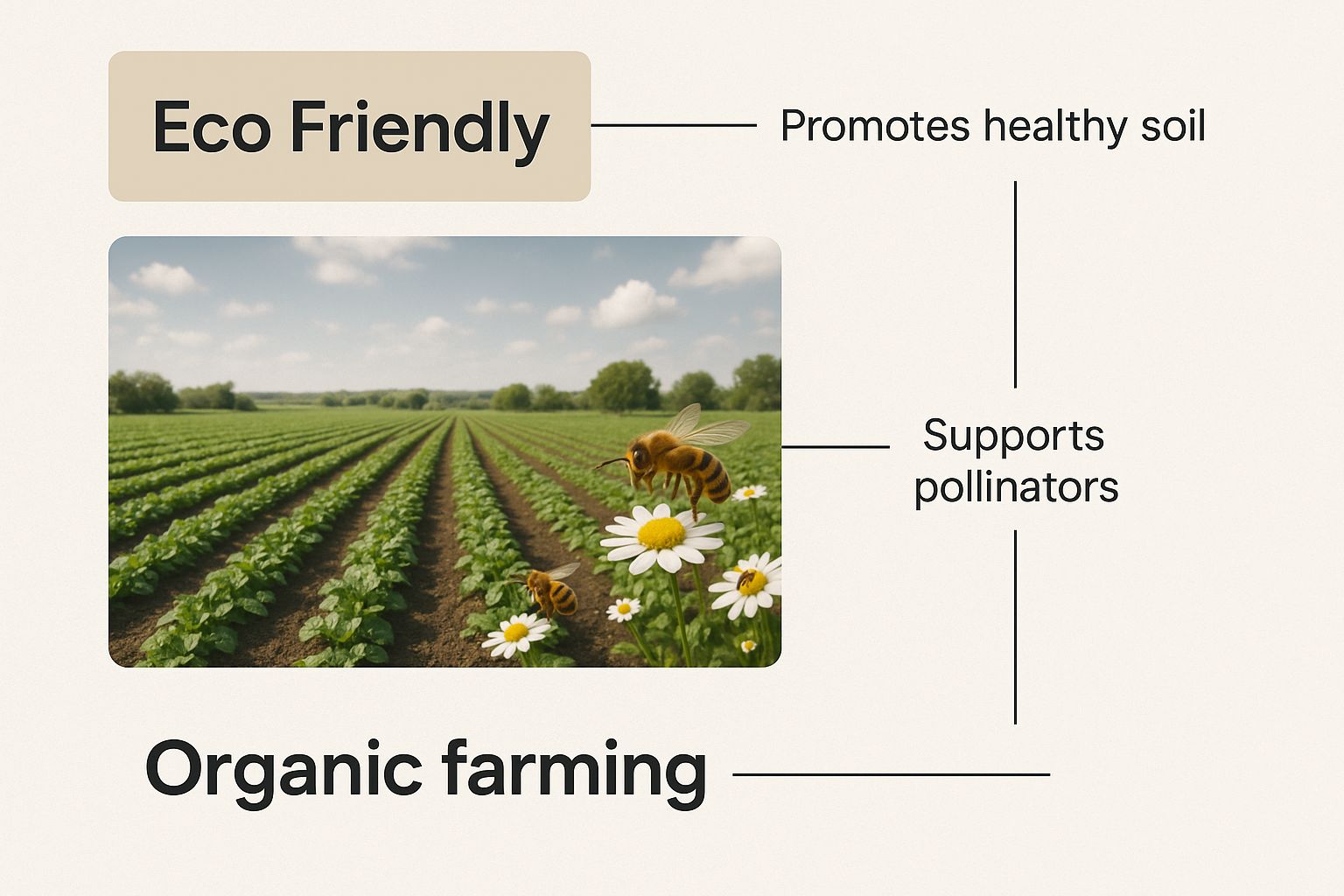
This image really captures the heart of organic farming's eco-friendly principles, which are the very foundation of cleaner, healthier food.

Image

As you can see, the focus on healthy soil and natural ecosystems has a direct payoff in the quality of the food on our plates, completely free from synthetic chemical interference.

Beyond Pesticide Reduction

The goodness of organic food goes deeper than just sidestepping unwanted chemicals. The intense focus on nurturing rich, fertile soil can lead to produce that packs a bigger nutritional punch. In fact, several studies suggest organically grown crops often contain higher levels of certain antioxidants and other beneficial nutrients.

A key piece of research found that organic fruits and vegetables can contain up to 69% more antioxidants, like phenolic acids and flavonoids, compared to their conventional counterparts. These are the powerful compounds known for helping our bodies fight off cellular damage.

It’s a similar story for organic meat and dairy. These products frequently have a much better fatty acid profile. Because organically raised animals must have access to pasture, their grass-rich diet can lead to higher levels of heart-healthy omega-3 fatty acids in their milk and meat. This commitment to natural living conditions and diets is right at the core of the organic philosophy.

Conventional vs Organic Food A Quick Comparison

To make things a bit clearer, let's break down the key differences. This table gives a simple, side-by-side look at how conventional and organic approaches stack up against each other, from the farm to your kitchen.

Attribute Conventional Food Organic Food
Pesticides Synthetic pesticides are commonly used. Prohibited; natural methods are used instead.
Herbicides Synthetic herbicides are used for weed control. Natural strategies like crop rotation and mulching.
Fertilisers Relies on synthetic, chemical-based fertilisers. Uses natural fertilisers like compost and manure.
GMOs Genetically Modified Organisms are permitted. Strictly prohibited.
Antibiotics Can be used preventatively in livestock. Only used to treat illness, never for prevention.
Growth Hormones Permitted in livestock to speed up growth. Banned.
Soil Health Can lead to soil degradation over time. Focuses on building and maintaining healthy, rich soil.

Seeing it all laid out like this really highlights the fundamental differences in philosophy and practice. Choosing organic is a vote for a system that prioritises natural processes and long-term sustainability.

What Organic Certification Guarantees

When you spot a certified organic label, it's not just a fancy sticker—it's a promise. It guarantees that specific farming and production standards have been met, which directly impacts the food you're about to eat. This entire approach is a cornerstone of the lifestyle many of us know as clean eating. If you want to dive deeper into this, our guide on what is clean eating is a fantastic starting point.

Here’s what that "certified organic" seal really means for your health:

  • No Genetically Modified Organisms (GMOs): Organic standards have a zero-tolerance policy for genetically modified seeds or ingredients.
  • No Synthetic Growth Hormones: In organic livestock farming, using synthetic hormones to push for faster growth is completely banned.
  • No Prophylactic Antibiotics: Antibiotics are reserved for treating sick animals. They are never used as a routine, preventative measure to make up for crowded or unclean living conditions.

And while you might be focused on fresh organic produce, it's also worth looking into specific products, like the health benefits of organic instant coffee, to see how the benefits carry through. It’s a holistic approach that ensures you get food that's as close to its natural state as possible, supporting your wellness all the way from the farm to your fork.

The Environmental Benefits of Organic Farming

Choosing organic food is so much more than a personal health decision; it’s a powerful vote for a healthier planet. Every time you pick up organic produce, you're backing a way of farming that's designed to work in harmony with nature, not against it. This simple choice creates a ripple effect of positive environmental change, starting right from the ground up.

At the very heart of organic farming is a deep respect for the soil. Instead of relying on synthetic chemical fertilisers, organic farmers focus on building rich, living soil through natural methods like composting, cover crops, and crop rotation.

Think of healthy organic soil as a resilient, natural sponge. It’s absolutely teeming with microbial life that helps it hold onto water more effectively, which is a massive deal when it comes to fighting erosion and conserving water, especially in a dry climate like Australia’s.

This commitment to natural soil health leads directly to another huge benefit—cleaner waterways.

Protecting Our Water and Wildlife

Conventional farming often relies heavily on synthetic fertilisers and pesticides. When it rains, these chemicals can easily run off the fields and seep into nearby rivers, lakes, and our groundwater. This chemical runoff can disrupt delicate aquatic ecosystems, harming fish and other precious wildlife.

Organic farming, on the other hand, completely bans these synthetic inputs. By avoiding them, organic farms massively reduce agricultural pollution, helping to keep our waterways clean and safe for the life that depends on them. This method isn't just about preventing harm; it's about actively nurturing the environment.

The core principle of organic farming is to build a self-sustaining system. By fostering healthy soil and avoiding synthetic chemicals, it creates a sanctuary where nature can thrive, proving that agriculture can be a solution for environmental health, not just a cause of its problems.

This philosophy of working with nature doesn't stop at the soil and water.

A Haven for Biodiversity

An organic farm is a vibrant, bustling ecosystem. The absence of synthetic pesticides means that beneficial insects, birds, and other wildlife can truly flourish. This is especially vital for pollinators like bees and butterflies, whose populations are under threat worldwide but are essential for pollinating roughly one-third of the food we eat.

Organic farms provide these crucial species with a safe habitat, rich with a diverse range of plants. This biodiversity creates a more balanced and resilient ecosystem, where natural predators can help manage pests, reducing the need for any interventions at all.

This consumer shift towards environmentally sustainable choices is fuelling some serious growth in Australia's organic industry. Revenue has grown at a compound annual rate of 10.1% over the past five years and is projected to reach an estimated AUD 3.8 billion by 2025. You can discover more insights about the growth of Australia's organic farming industry on ibisworld.com.

This growth shows a clear public demand for food that is not only good for us but also good for the Earth.

Exploring the True Taste of Organic Food

Beyond the clear health and environmental upsides, one of the most immediate and enjoyable reasons to choose organic food often comes down to one thing: its incredible flavour. So many people will tell you that organic produce just tastes better, and it’s not just in their heads—it’s a difference rooted in the very soil and philosophy of organic farming.

Conventional farming is often a numbers game. The focus is on producing high yields, creating produce that looks perfectly uniform, and ensuring it has a long shelf life for distribution across the country. This can mean that fruits and vegetables are picked long before they’re truly ripe and are specifically bred for durability, not taste. Organic farming, on the other hand, plays by a different set of rules.

The heart of this flavour difference begins in the soil. Organic farmers are obsessed with creating nutrient-dense, living soil that’s teeming with microorganisms. This healthy soil is like a gourmet kitchen for the plant, providing a full menu of minerals and nutrients that translate directly into more complex and vibrant flavours.

Why Healthier Soil Creates Better Flavour

Think of it this way: a plant grown in depleted soil is like an artist working with only a few basic colours. They can create a picture, sure, but it will lack depth and complexity. Now, imagine a plant grown in rich, organic soil. It has a full palette of nutrients to draw from, allowing it to develop the nuanced sugars and aromatic compounds that make for a truly memorable taste.

The superior flavour of organic food is a direct result of more thoughtful and natural farming. When the primary goal is nurturing the plant and its environment, a richer taste is a natural and delicious outcome.

This focus on quality over sheer quantity means organic produce is often allowed to ripen naturally on the vine or tree, soaking up sunlight and developing its full flavour potential right up until it’s picked.

The Homegrown Tomato Test

The classic "homegrown tomato" test is a perfect way to understand this. Just compare a sun-ripened tomato, still warm from the vine in a backyard garden, with a standard-issue one from the supermarket. The homegrown version almost always bursts with a sweet, tangy flavour and a rich aroma, while the other can be watery and disappointingly bland.

This incredible difference comes down to how it was grown. The backyard tomato has all the advantages:

  • Rich Soil: A well-tended garden is usually full of fantastic organic matter.
  • Natural Ripening: It’s picked at its absolute peak, when its natural sugars and flavours are at their best.
  • Variety Selection: It’s often a variety chosen for amazing taste, not for its ability to survive a long truck journey.

Organic farming is essentially this same garden-style approach, just on a larger scale. The result is food that tastes the way nature intended—full of life, vitality, and genuine flavour. It’s one of the most compelling benefits of going organic, and you can experience it with every single bite.

How to Read Organic Labels in Australia

Ever feel a bit lost in the supermarket aisle, trying to work out what labels like ‘natural’ or ‘eco-friendly’ actually mean? You’re not alone. These terms can be incredibly confusing, but getting to know the official organic certifications is your best bet for making confident choices and ensuring you get the genuine benefits you’re paying for.

Image

Unlike those vague marketing buzzwords, a ‘certified organic’ label is a legally protected and regulated guarantee. It means the product has been grown, handled, and produced according to strict national standards, all verified by independent, third-party organisations.

This level of detail is so important for making informed choices. If you're keen to decode food packaging even further, check out our handy guide on how to read nutrition labels for more practical tips.

The Gold Standard: The ACO Bud Logo

Here in Australia, the most recognised and trusted certification is the Australian Certified Organic (ACO) ‘bud’ logo. Think of this little green symbol as your assurance of integrity. When you spot it on a product, you know that rigorous standards have been met every step of the way, from the farm right through to the shop shelf.

This certification is a solid guarantee that the product is free from:

  • Synthetic pesticides and herbicides
  • Genetically Modified Organisms (GMOs)
  • Growth-promoting hormones and antibiotics (in livestock)

The ACO bud logo isn't just a sticker; it's a promise. It represents a deep commitment to soil health, animal welfare, biodiversity, and a food system that works in harmony with nature, offering complete transparency for shoppers.

What Other Certifications Mean

While the ACO bud is the most common one you'll see, you might come across other official logos in stores and at farmers' markets. Each one signifies that the producer has followed stringent organic principles, covering everything from sustainable farming practices to ethical animal treatment.

To be certified, a product must contain at least 95% certified organic ingredients. If a product has between 70-95% organic ingredients, it can state it’s ‘made with organic ingredients’ but can’t use the official certification logo on the front of the pack.

This distinction is key to understanding exactly what you’re buying. By looking for these official symbols, you can confidently navigate the shelves and choose genuinely organic products every single time.

Making Organic Food Work for Your Budget

Let's be honest, the higher price tag on organic food can feel like a major hurdle. But embracing all the good stuff organic has to offer doesn't mean you have to empty your wallet. It’s all about being a bit strategic.

With a few smart moves, you can easily make organic options a regular part of your grocery shop without stretching the budget too thin. It really just comes down to being selective and knowing where to focus your dollars for the biggest impact.

One of the best ways to do this is to get familiar with which conventionally grown fruits and veggies tend to have the highest pesticide residues. Prioritising your organic spend on these items is a fantastic way to start.

Prioritise Your Purchases

To shop smarter, a lot of people turn to guides like the 'Dirty Dozen' and 'Clean Fifteen'. These handy lists rank produce based on pesticide levels, helping you decide what's truly worth buying organic and where you can safely opt for conventional.

  • The Dirty Dozen: This list flags items like strawberries, spinach, and apples, which often show higher levels of pesticide residue. It's a wise move to choose the organic versions of these.
  • The Clean Fifteen: On the flip side, this list features produce with thick, inedible skins like avocados, pineapples, and onions. These typically have very low pesticide residues, making the conventional options a great budget-friendly choice.

It helps to reframe the cost of organic food as a long-term investment in your personal health and the well-being of our environment. When you think of it that way, it feels less like an expense and more like a proactive step towards a healthier life.

Savvy Shopping Tips for Organic Deals

Beyond just prioritising, there are other great ways to save. Buying produce when it's in season is a classic tip for a reason—it’s fresher, packed with more flavour, and almost always cheaper. Don't forget to explore your local farmers' markets either; you can often find great deals when you're buying directly from the growers themselves.

Supermarket home-brand organic products are another thing to look out for. Major grocers are expanding their own organic lines, which are often much more affordable than the premium brands. Planning your meals is also a game-changer. Our guide on how to meal prep can help you use every ingredient efficiently, cutting down on waste and saving money in the long run.

The growing demand for organic is also expanding local production here in Australia. Take rice farming, for example, where the organic market is projected to reach AUD 49 million by 2025. You can learn more about Australia's organic rice farming trends on farmonaut.com.

Common Questions About Organic Food

Dipping your toes into the world of organic food can bring up a few questions. That's completely normal. Getting clear, straightforward answers is the best way to feel good about the choices you're making for yourself and your family. Let's walk through some of the most common things people wonder about when they start looking into organic.

One of the first questions is always about nutrition. Are organic foods really healthier? The biggest, most immediate health benefit is simply cutting down on the synthetic chemicals you're consuming. But it goes deeper than that. Some research shows that certain organic foods pack in higher levels of specific antioxidants and even beneficial omega-3 fatty acids, which makes sense when you think about the healthier, nutrient-rich soil they grow in.

Is It Genuinely Organic?

So, you're at the shop, looking at a product that claims to be organic. How can you be sure you're getting the real deal? In Australia, your best friend is the official certification logo.

  • Look for the Symbol: Always keep an eye out for a recognised certification mark on the packaging, like the Australian Certified Organic (ACO) ‘bud’ logo.
  • What It Guarantees: This little symbol is your assurance that the product has met incredibly strict national standards for every part of its journey, from the way the soil is managed right through to processing. It’s a promise of integrity.

Checking for that logo takes the guesswork out of it and confirms you're buying the quality you expect.

It's so important to understand the difference between a catchy marketing term and a properly regulated standard. Labels can be confusing, but a certified organic logo is a legally protected guarantee that what you're buying adheres to a very specific, high standard of agricultural practice.

Finally, a lot of people wonder what the difference is between 'natural' and 'organic'. The distinction is huge: ‘organic’ is a legally protected and regulated term that's backed by a tough certification process. On the other hand, ‘natural’ is often just a vague marketing claim with no official definition or standards behind it. This means it can be slapped on almost anything. Choosing certified organic means you’re getting a product that meets a transparent, verifiable set of rules.


Ready to enjoy fresh, delicious, and healthy meals without the fuss? Visit Absolute Cravings in Townsville or check out our menu online for delivery. Find your next favourite healthy dish at https://www.absolutecravings.com.au.

A Guide to Pet Grooming at Home for Aussies

Taking care of your pet’s grooming at home is one of the most rewarding things you can do. It's more than just a way to save a bit of cash on salon trips; it’s a chance to build a real connection with your furry mate. With a bit of patience and the right approach, you can handle everything from a simple brush and bath to trimming their nails, keeping them happy, healthy, and comfortable. Think of this as your guide to creating a positive, stress-free grooming routine right in your own home.

Why Aussies Are Embracing At-Home Pet Grooming

Across Australia, more and more pet owners are swapping the salon for the living room, and it’s not just about the budget. For many, it's about strengthening that special bond and skipping the stress some pets feel in a noisy, unfamiliar grooming shop. When you're the one doing the grooming, you build a foundation of trust and show them they're in safe hands.

You can see this shift just by looking at the market. The Australian pet grooming products industry was valued at USD 168.22 million in 2024 and is expected to jump to over USD 306 million by 2030. What’s driving this? Simple. Aussies treat their pets like family and are happy to invest in quality shampoos, brushes, and clippers to give them the best. You can read more about it in this pet grooming market report.

The Core Benefits of DIY Grooming

Taking grooming into your own hands has some fantastic perks for both you and your pet:

  • Less Stress: A professional grooming salon can be full-on for some animals with all the strange sounds, smells, and other pets. Your home is their safe space, making the whole experience much calmer.
  • A Stronger Bond: Gentle, regular grooming is a wonderful way to interact. This quality time deepens the trust and affection you share.
  • Early Health Checks: When you're grooming your pet, you're also giving them a hands-on check-up. You’re much more likely to spot things like lumps, skin irritations, ticks, or ear infections before they become bigger problems.

By turning grooming into a routine, you're not just maintaining their coat; you're actively participating in their preventative health care. It's a proactive step towards a longer, happier life together.

This move towards home grooming is all part of a bigger picture where our pets are truly part of the family. It's the same lifestyle that has us searching for dog-friendly restaurants near you so we can include them in every part of our lives.

Creating Your Home Grooming Sanctuary

Image

A successful groom starts long before you even pick up a brush. The secret to a stress-free session is creating a space where your pet feels safe and relaxed. Think of it as their own little grooming sanctuary.

This doesn't need to be a custom-built salon; a quiet bathroom, the laundry, or even a sectioned-off corner of the garage will do just fine. The real key is consistency. By using the same spot every time, you build a predictable routine that helps your pet understand what's happening, turning a potentially scary event into something familiar.

Setting Up Your Space for Safety and Calm

First things first: make the area safe. Slippery floors are a recipe for disaster, so putting down a non-slip mat in the tub or on the floor is an absolute must. It gives your pet solid footing, which goes a long way in preventing panic and potential slips.

Next, get all your tools organised and within arm's reach before you bring your pet in. Fumbling around for the shampoo or clippers mid-bath is a surefire way to dial up the stress for both of you.

Before you even think about starting, it’s a good idea to have your at-home grooming toolkit ready to go. Having everything in one place makes the whole process smoother and less stressful. Here’s a quick checklist of the essentials every pet owner should have on hand.

Your Essential At-Home Grooming Toolkit

Tool Category Essential Items Best For
Bathing Pet-specific shampoo & conditioner, non-slip mat, towels Safely washing your pet's coat without irritating their skin.
Brushing Slicker brush, undercoat rake, bristle brush Removing loose fur, preventing mats, and distributing natural oils.
Trimming Nail clippers/grinder, safety-tip scissors, electric clippers Keeping nails at a healthy length and tidying up fur around the face/paws.
Comfort & Safety Styptic powder, high-value treats, grooming table/restraint Managing minor nicks, rewarding good behaviour, and keeping your pet secure.

Having these items ready transforms grooming from a chaotic chore into a manageable routine. It shows your pet that you're prepared, which in turn helps them feel more secure.

A well-prepared space is the foundation of a positive grooming experience. When you're calm and organised, your pet picks up on that energy and is more likely to remain relaxed throughout the process.

This idea of thoughtful preparation is crucial for making any environment feel safe and welcoming. It's the same principle we apply in our café, which you can read more about in our guide on creating a welcoming and safe environment.

Introducing Your Pet to the Sanctuary

With your space all set up, it’s time to introduce your pet to it—gently. The goal here is to build positive associations before any actual grooming takes place.

Let them wander in and explore on their own terms. Give them a chance to sniff the clippers (while they’re off!), check out the brush, and just get used to being in the room. This isn't a one-and-done deal; plan for a few short, casual visits in the days leading up to the grooming session.

During these meet-and-greets, be generous with high-value treats and praise. You want your pet to learn that amazing things happen in this spot. This simple, proactive approach helps turn grooming from a scary ambush into a cooperative activity built on trust.

Mastering Brushing and Bathing Fundamentals

Brushing and bathing are easily the two most important parts of at-home grooming. When you get them right, they keep your pet’s coat healthy, stop painful mats from forming, and can actually be a great way to bond. But if you get them wrong, it can turn into a stressful tug-of-war that your pet learns to hate.

The secret is to really understand what your specific pet needs. For example, a slicker brush is fantastic for getting through a Golden Retriever's thick undercoat, but it would be far too harsh for a short-haired Vizsla. For a dog like that, a soft bristle brush is a much better fit, helping to spread their natural oils and give their coat a lovely shine.

This visual guide shows just how you can turn brushing into a calm, soothing routine.

Image

The image really drives home that a calm approach and having the right gear can make brushing a positive experience instead of just another chore.

The Art of Effective Brushing

Brushing isn't just about appearances; it's a vital health check. As you run the brush through their fur, you’re much more likely to find any lumps, ticks, or skin issues that could easily go unnoticed otherwise.

When you start, always use gentle but effective strokes. If you hit a tangle or a mat, never yank it. This is painful and will quickly make your pet fear the brush. Instead, gently pick at the edges of the mat with your fingers or a comb, making sure to hold the fur at the base so you’re not pulling on their skin.

For dogs with those dense double coats, it’s much easier to brush them in sections. Start near the bottom and work your way up, making sure you get right down to the undercoat—that’s where most of the troublemaking mats hide. To really get your routine down pat, it’s worth looking into specialised tools and finding the best brushes for specific breeds like Labrador Retrievers.

A consistent brushing schedule—even just five minutes a day—is far more effective than a long, difficult session once a month. It prevents mats from forming in the first place and keeps the experience low-stress for your pet.

Making Bath Time a Breeze

When it comes to bath time, being prepared is everything. Before your pet even gets a paw wet, have everything you need laid out and within arm's reach. This should include:

  • Gentle, soap-free pet shampoo: Human shampoos have the wrong pH balance and can seriously irritate your pet’s skin.
  • Plenty of old towels: You can never have too many on hand.
  • A non-slip mat: This is a non-negotiable for preventing slips and helping your pet feel secure in the tub.
  • High-value treats or a distraction: A lick mat smeared with peanut butter or a pet-safe pate and stuck to the shower wall is an absolute game-changer.

Once you're all set up, take a moment to protect their sensitive ears by placing a cotton ball in each one (not too deep!). This simple trick helps stop water from getting into the ear canal, which can lead to nasty infections. Always use lukewarm water to wet their coat thoroughly before you even think about adding shampoo.

Lather the shampoo in gently, massaging it right into their coat and skin. This is another great chance to give them a quick once-over for any skin problems. The rinse is, without a doubt, the most important part. Leftover shampoo residue is one of the most common causes of skin irritation and itchiness, so rinse, rinse, and then rinse again until the water runs completely clear. This will also help you avoid that lingering "wet dog" smell, which is often just bacteria feeding on leftover soap.

A Confident Approach to Nail Trims and Paw Care

Image

You know the sound. That unmistakable click-clack of long nails on the floorboards. It’s more than just an annoying noise; it's a clear signal that it's time for a trim. For many pet owners, this is easily the most nerve-wracking part of pet grooming at home.

The fear of causing them pain is very real. But with a bit of know-how, you can tackle this task calmly and with confidence.

The secret to a safe trim is knowing where the quick is—that's the little bundle of nerves and blood vessels inside the nail. If your pet has light-coloured nails, you're in luck; you can see the pink part quite easily.

For those with dark nails, the trick is to go slow. Make tiny little snips at a time and look at the cut surface of the nail. When you see a small, dark oval appear in the centre, that's your cue to stop.

Choosing Your Nail Trimming Tool

When it comes to the tools of the trade, you've got two main options. The best one for you really comes down to what you're comfortable with and how your pet feels about the whole process.

  • Scissor-style clippers are a classic choice for a reason. They give you fantastic control and make a quick, clean cut. They're ideal for pets who are generally pretty patient.
  • Nail grinders are an amazing alternative, especially for anxious animals. They file the nail down gradually, which seriously lowers the risk of cutting the quick. As a bonus, you can smooth out any rough edges. The noise can take some getting used to, so introduce it slowly with plenty of praise and treats.

If you're looking to make the whole experience as calm as possible, it's worth checking out this detailed guide to a stress-free nail trim.

Here's a pro tip: don't try to get the perfect length in one go. It's so much better to trim a tiny amount every week or two. This helps the quick recede over time and makes the entire process less of a big deal for everyone.

Complete Paw Maintenance Beyond the Trim

Proper paw care is about more than just the nails; it’s a crucial part of your pet's overall health, especially with our Aussie climate. Getting into the habit of checking between their paw pads can help you spot little issues before they turn into big problems.

Try to inspect their paws after every walk, particularly during the hot summer months. You're on the lookout for a few common culprits that can cause some serious pain and even infection:

  1. Grass Seeds: These pesky little things are notorious for getting embedded in the fur between pads. If left, they can burrow into the skin and cause painful abscesses.
  2. Overgrown Fur: For our long-haired mates, the fur between their paw pads can easily become matted and collect dirt and debris. Carefully trimming this hair with a pair of safety-tip scissors keeps their paws clean and actually improves their grip on slippery floors.
  3. Cracked Pads: Hot pavement, rough trails, and dry weather can really do a number on your pet's paw pads, leaving them dry and cracked. A high-quality, pet-safe paw balm is a game-changer here. It provides a protective barrier and soothes any irritation.

When you build these simple checks into your grooming routine, a nail trim becomes a full health check. It ensures your furry friend stays comfortable, happy, and ready for all your adventures together.

Checking In on Ears and Teeth

A great at-home groom is about so much more than a fluffy, shiny coat. It's about looking after your pet's total wellbeing, from the tip of their nose to the end of their tail. Two areas that often get missed, but are so important, are the ears and teeth. Giving these spots some regular, gentle attention can head off painful infections and serious dental problems down the line.

Let's start with the ears. A healthy pet ear should look pale pink and clean, with no funny smells. When you're having a cuddle, make it a habit to just gently flip the ear flap up and have a quick peek inside. If you're seeing constant redness, a bit of a pong, or a lot of dark gunk, that's a sign something's not right, and it's time for a chat with your vet.

A Gentle Approach to Ear Cleaning

For a routine clean, all you need is a good vet-approved ear solution and some cotton balls or soft gauze. Never use cotton buds—it’s just too easy to accidentally push them too far and damage the delicate ear canal.

  1. Gently hold your pet’s head steady and lift their ear flap so you can see into the canal.
  2. Pop a few drops of the cleaning solution right into the ear. Don't stress, this is exactly how it's designed to work!
  3. Now, massage the base of the ear for about 20-30 seconds. You'll probably hear a squishy sound, which is just the solution breaking down all the wax and gunk.
  4. Let your pet shake their head! This is a crucial step that helps bring all the loosened debris up to the surface.
  5. Finally, grab a cotton ball and gently wipe away any visible grime you can see on the outer parts of the ear.

This simple routine is a lifesaver for keeping ears healthy, especially for those floppy-eared breeds that are prone to trapping moisture.

Making Dental Care a Daily Habit

Now, onto teeth. When it comes to dental health, consistency is everything. Introducing a toothbrush might feel a bit weird for your pet at first, but turning it into a quick, positive daily habit is one of the best things you can do for them. The goal here is to make it a normal part of their day, not a wrestling match.

A fantastic way to ease into it is by letting them lick some pet-specific toothpaste off your finger. These toothpastes come in flavours they’ll love, like chicken or beef, so they’ll just think it’s a new treat. After a few days of this, you can move on to rubbing the toothpaste on their gums with your finger, and then finally bring in a soft-bristled pet toothbrush.

Making dental care a quick, daily ritual with a pet-safe toothpaste can prevent the buildup of plaque and tartar, which is linked to serious health problems like kidney and heart disease.

With Australia having one of the highest pet ownership rates in the world, keeping our furry family members healthy is a huge priority for millions. The total pet population is around 30 million, with dogs making up about 6.33 million of that figure. As a nation, we spend billions on their care, and weaving dental hygiene into your routine is a simple but incredibly powerful part of that commitment. You can find more fascinating insights into Australia's pet industry statistics on dogster.com.

Your At-Home Grooming Questions Answered

Even when you've got all the right gear and the best intentions, diving into pet grooming at home for the first time can feel a little daunting. A lot of questions pop up, and it's good to know you're not alone in wondering about them. Let’s tackle some of the most common worries pet owners have.

One of the biggest hurdles is figuring out how to groom a pet who absolutely hates it. If your dog bolts the moment they see a brush, it’s a clear sign that you need to go back to basics and rebuild their trust around grooming tools.

The trick is to break the process down into tiny, positive experiences. Start with super short sessions—we’re talking 30 seconds to one minute at most. Just have the brush nearby while you offer them some high-value treats. The aim is to slowly change their association from fear to something they look forward to. Never, ever force a grooming session on an anxious pet; it will only make their fear worse.

What If I Accidentally Hurt My Pet?

It's a genuine fear, and it can happen to even the most cautious of us. The most common mishap is cutting a nail a little too short and nicking the quick. It looks scary, and there might be a bit of blood, but staying calm is the most important thing you can do. Your panic will only stress your pet out more.

This is exactly why having styptic powder in your grooming kit is non-negotiable. It’s a lifesaver that stops the bleeding almost instantly.

If this happens:

  • Take a deep breath and don't panic. Gently apply the styptic powder with a bit of pressure.
  • Once the bleeding stops, shower your pet with praise and a special treat.
  • End the session right there on a positive note. You can always try again another day.

Mistakes are just part of the learning curve. How you react is what truly matters, as you can turn a negative moment into one that actually strengthens the trust you've been working so hard to build.

When to Call in a Professional

Doing it yourself is fantastic for keeping your pet tidy between professional appointments, but it’s just as important to know when to throw in the towel. Some jobs are simply best left to experienced groomers who have the right training and equipment to handle tricky situations safely.

You should definitely book an appointment with a professional groomer if you come across:

  • Heavy Matting: Severe mats are more than just tangled fur; they pull tightly on the skin and can be very painful. A professional can shave them out without causing your pet distress.
  • Behavioural Challenges: If your pet shows any signs of aggression or extreme fear despite your calm and patient efforts, a pro will have the experience to handle them safely.
  • Breed-Specific Cuts: If you're hoping for that perfect Poodle pouf or a traditional Terrier hand-strip, those are specialised skills that take years to master.

Knowing when to step back and ask for help is the mark of a truly responsible pet owner. Your pet's safety and comfort should always be the number one priority.

Think of professional groomers as your partners in keeping your pet happy and healthy. Just like you might take your furry friend out for a special treat, sometimes they need a special kind of pampering, too. For a little inspiration on treating your pet, have a look at our top reasons to visit a pet-friendly cafe. This ensures all their needs are met without adding any unnecessary stress to their (or your) day.


At Absolute Cravings, we believe that caring for our pets is one of life’s greatest joys. Swing by our pet-friendly cafe for a post-grooming treat you can both enjoy. Visit us today

What Is Clean Eating An Australian Guide

So, what exactly is "clean eating"? You hear the term thrown around a lot, but what does it actually mean?

Simply put, clean eating is a way of life that revolves around eating whole, minimally processed foods. It’s about choosing foods that are as close to their natural state as possible. Think a crisp, juicy apple straight from the tree versus a squeezy pouch of sweetened applesauce, or a beautifully grilled piece of fish instead of a crumbed fish finger from the freezer aisle.

Defining Clean Eating Beyond The Hype

Image

When people hear "clean eating," their minds often jump to super restrictive diets, eye-watering grocery bills filled with only organic produce, or saying goodbye to all their favourite comfort foods. But honestly, the real philosophy is much simpler and way more flexible than that. It's an approach that champions nourishment over deprivation.

Think of it as choosing foods that look like they did when they came from the farm, the ground, or the sea. This means they’ve gone through very little processing, refining, or handling, which helps keep all their good-for-you nutrients intact. The focus is less on what you’re cutting out and more on what you’re adding to your plate—things like vibrant fruits, fresh veggies, quality proteins, and wholesome grains.

The Foundation Of Clean Choices

Getting your head around clean eating is less about following a strict set of rules and more about building mindful, positive habits. The real goal is to fill your diet with foods that genuinely fuel your body and make you feel fantastic. This approach naturally encourages you to become more aware of what’s in your food, prompting you to read labels and recognise what you're actually eating.

A few key ideas are at the heart of this lifestyle:

  • Prioritising Whole Foods: Building your meals around ingredients that don't even need a label, like vegetables, fruits, and lean meats.
  • Limiting Processed Items: Cutting back on foods that come packed with added sugars, unhealthy fats, and a long list of artificial additives you can't pronounce.
  • Mindful Preparation: Opting for healthier cooking methods that let the ingredients shine, like grilling, steaming, or baking instead of deep-frying.

This isn't about being perfect 100% of the time. It’s about consistently making better choices that help you feel your best, one meal at a time.

A Quick Look at Clean vs Processed Choices

To make this crystal clear, here’s a simple table that shows the kind of swaps you might make when you start eating clean. It really just comes down to choosing the less-messed-with option.

Choose This (Clean) Limit This (Processed)
Whole apple Apple juice from concentrate
Grilled chicken breast Chicken nuggets
Baked sweet potato Packaged potato crisps
Plain Greek yoghurt Flavoured, sweetened yoghurt
Brown rice Instant white rice
Water with lemon Sugary soft drinks

See the pattern? It’s all about getting back to basics and enjoying food in its most wholesome, flavourful form.

The Core Principles of a Clean Eating Lifestyle

Image

Jumping into a clean eating lifestyle feels incredibly empowering once you get the hang of its core pillars. It’s not about obsessing over a long list of "bad" foods. Instead, it’s about a handful of simple, guiding principles that completely reframe how you think about what you eat.

Think of these concepts as your trusty compass, whether you're navigating the grocery store aisles or mapping out your meals for the week.

The absolute foundation of it all is to prioritise whole foods. This just means building your plate around ingredients that look a lot like they did in nature. We’re talking vibrant vegetables, fresh fruits, lean proteins like chicken and fish, and whole grains such as brown rice and quinoa. These are the foods absolutely packed with the good stuff your body is craving.

Reading Labels and Limiting Processed Items

Another huge part of clean eating is becoming a bit of a detective at the shops. Start thinking of a food label as the product's "recipe." If the ingredients list is short and you can actually pronounce everything on it, you're on the right track.

On the flip side, if it reads like a science experiment filled with artificial colours, preservatives, and a heap of added sugar, it’s probably best to give it a miss. The goal here is to cut back on those ultra-processed items that bring very little to the table nutritionally.

A simple rule of thumb for clean eating is this: If it came from a plant, eat it. If it was made in a plant, reconsider. This little mantra makes it so much easier to tell the difference between nourishing whole foods and heavily processed products.

Hydration and Mindful Choices

Finally, clean eating isn't just about what you chew—it's also about what you drink. Making water your go-to beverage is such a simple change, but it makes a massive difference.

Sugary drinks like soft drinks and most fruit juices are often loaded with empty calories and added sugars that can easily sabotage your health goals.

Embracing these core ideas gives you a solid framework for making better choices, day in and day out. It shifts your focus from restriction to nourishment, turning it into a sustainable and enjoyable way of life, not just another diet.

The Reality of Modern Australian Diets

Image

While the idea of clean eating is catching on, it helps to take a moment and look at where most of us are starting from. Getting a clear picture of Australia’s current eating habits really puts into perspective why making a shift towards whole, natural foods is so incredibly powerful.

Let’s be honest, this isn’t about making anyone feel guilty. The simple fact is that the average modern Australian diet often misses the mark when it comes to national dietary guidelines. There’s a pretty big gap between how we should be eating and what we’re actually putting on our plates.

The main reason? We're leaning a bit too heavily on what experts call discretionary foods. These are the usual suspects: biscuits, cakes, processed meats, sugary drinks, and takeaways. They're packed with kilojoules, saturated fat, added sugars, and salt, but they offer very little in the way of real nutrition.

The Growing Gap Between Guidelines and Habits

This isn't a small problem—it's a massive trend across the country. For so many of us, these discretionary foods have shifted from being an occasional treat to a daily habit. This makes it a real struggle to get enough of the good, nutrient-dense foods our bodies are crying out for and creates some serious challenges for our nation's health.

In fact, predictive modelling from the CSIRO paints a fairly bleak picture of where we're headed. Their research suggests that between 2023 and 2030, our consumption of discretionary foods is set to jump by 18%. At the same time, our fruit intake is expected to drop by nearly 10%, down to just 1.3 serves a day – a long way from the recommended two serves. You can dive into the full study on the CSIRO website.

This data shows that making conscious, cleaner choices isn’t just some wellness fad; it's a genuine way to push back against a growing national health concern.

Understanding this context is the first step toward positive change. By recognising that many of us are in the same boat, the idea of shifting towards clean eating becomes less about perfection and more about making small, impactful improvements to our daily routines.

Every time you choose a whole food, you're not just doing something amazing for your own wellbeing; you're actively stepping away from a pattern that affects millions of Australians.

How Discretionary Foods Sabotage Healthy Habits

So, what's getting in the way of our best intentions for healthy eating? More often than not, the main culprit is what we call discretionary foods. These are the items packed with calories, unhealthy fats, and sugars, but seriously lacking in the good stuff our bodies actually need to function well.

Think of them as the total opposite of what "clean eating" is all about. We're talking about the processed snacks, sugary drinks, and fast-food meals that give you a quick hit of flavour but leave you feeling tired and hungry again soon after. They actively work against the goal of fuelling your body with whole, real ingredients.

The Hidden Impact on Your Diet

Here's the really surprising part: these foods make up a huge chunk of what we eat. Even with all the growing interest in clean eating, the reality is that a lot of Aussies still get a massive portion of their daily energy from these less-than-ideal choices.

The latest stats show that discretionary foods provide an average of 38.5% of the total dietary energy for the average Australian. That's a staggering number. It means almost two-fifths of our daily intake offers very little nutritional benefit. You can dig into the specifics in the Australian Bureau of Statistics report.

This really highlights the core challenge when you're starting a clean eating journey. It isn't just about adding a few more veggies to your plate; it's about making a conscious effort to cut back on the huge role these highly processed, low-nutrient foods play in our lives.

Learning to spot these items is your first big step. A great skill to develop is learning how to read nutrition labels properly. It's the best way to uncover hidden sugars and artificial nasties.

This handy chart gives you a great visual for what a clean, balanced grocery shop should look like.

Image

As you can see, the plan is to fill most of your trolley with fresh produce, quality proteins, and whole grains. When you do that, there's naturally much less room left for those discretionary items.

Health Benefits You Can Actually Feel

Switching to a diet centred around whole foods isn't just some abstract health goal; it's about making changes you can genuinely notice in your day-to-day life. The real "what's in it for me?" is perhaps the most powerful reason to give this way of eating a try. When you consistently fuel your body with nutrient-rich foods, the results are tangible and often pop up faster than you'd expect.

You can look forward to more steady energy levels throughout the day, finally ditching those afternoon slumps that have you reaching for a sugary fix. One of the most profound effects people notice is on their digestive system, leading to improved gut health and overall well-being. Many also find that cleaner eating habits naturally help with weight management, without having to obsessively count calories.

Long-Term Rewards and a Healthier Future

Beyond the immediate perks, the long-term benefits are where things get really exciting. Consistently choosing whole foods over their highly processed counterparts is one of the best things you can do to lower your risk of chronic diseases down the track.

A landmark Australian study highlights this beautifully. Researchers followed more than 9,500 Australian women for 17 years and found something incredible. The women whose diets most closely resembled a 'clean eating' model had a 40% greater chance of living well into their later years compared to those with poorer diets. It's a powerful reminder of the direct link between what we put on our plates and our long-term health.

Adopting a cleaner diet isn't just about adding years to your life; it’s about adding life to your years. The focus is on boosting your daily energy, mental clarity, and overall sense of wellness.

Making small, sustainable changes can feel much more achievable. For a bit of inspiration, have a look at our guide to creating healthy family meal ideas that everyone will actually enjoy.

Simple Steps to Start Eating Clean Today

Feeling inspired and ready to make a change? The best part about clean eating is that you don’t need to flip your life upside down to get started. It’s all about taking small, manageable steps that build on each other over time. Forget about perfection—just focus on making one better choice today.

One of the easiest places to begin is by simply drinking more water. Try swapping just one sugary soft drink or juice for a glass of water. Another simple switch is to add one extra serving of vegetables to your dinner each night. These tiny adjustments are surprisingly powerful.

Build Sustainable Habits

To make these new, healthier choices stick, consistency is your best friend. Planning just a few clean meals for the week ahead can make a huge difference, taking the guesswork out of what to eat when you’re tired and busy.

Here are a few practical ideas to get you going:

  • Swap Your Snacks: Instead of grabbing a packet of crisps, try a piece of fresh fruit, a small handful of nuts, or some crunchy veggie sticks with hummus.
  • Cook One More Meal at Home: Restaurant and takeaway meals can be a minefield of hidden processed ingredients. Cooking at home puts you back in the driver's seat.
  • Prioritise Whole Foods: When you’re at the supermarket, aim to spend most of your time in the fresh produce section.

The key is progress, not immediate perfection. Celebrate the small wins, like choosing a whole-grain bread or trying a new vegetable. Every positive choice is a step forward on your journey.

For a deeper dive into getting organised, our guide on how to meal prep has some fantastic strategies to make your week smoother. To make clean eating truly sustainable, a practical meal prepping beginners guide can also be an incredible help for managing your week's meals.

Got Questions About Clean Eating?

When you first start thinking about eating cleaner, it's natural for a few practical questions to pop up. Let's clear the air and tackle some of the most common ones you might be pondering.

Is Clean Eating Expensive?

Not at all, or at least, it doesn't have to be. While you can find some pricey specialty health foods out there, the heart and soul of clean eating—things like seasonal fruits and veggies, oats, and beans—are often some of the most affordable items in the supermarket.

Getting back to basics by cooking more at home is one of the best ways to keep your food budget in check.

Do I Have to Buy Organic?

Nope! Going organic is a personal choice, not a hard-and-fast rule of clean eating. The main goal is simply to eat more whole, unprocessed foods.

If your budget has room for organic produce, that's fantastic. But if it doesn't, just giving your conventional fruits and vegetables a good wash is a brilliant step towards a healthier diet.

Remember, the goal of clean eating is progress, not perfection. It’s about making better, more mindful choices that fit your lifestyle and budget, one meal at a time. It should reduce stress, not add to it.

Even eating out is totally doable. Most restaurants have grilled or steamed dishes on the menu. Just look for simple preparations and ask for dressings or sauces on the side—that way, you’re in control.


At Absolute Cravings, we believe healthy eating should be delicious and easy. Visit us in Townsville for fresh, clean meals that nourish your body and soul. Explore our menu at https://www.absolutecravings.com.au.

How to Read Nutrition Labels in Australia

Ever feel a bit lost staring at a wall of boxes in the cereal aisle? With all the bright packaging and bold health claims, it’s easy to get overwhelmed. Learning to decipher a food label is one of the most practical skills you can have for navigating a modern supermarket. It’s your ticket to moving beyond generic ‘eat healthy’ advice and gaining the confidence to make choices that truly line up with your personal health goals.

This skill lets you see right past the clever marketing slogans and understand a product's real nutritional value. Think of it as your personal map to understanding what’s really in your food.

Why Reading Food Labels Is a Supermarket Superpower

Image

Decoding the Australian Food Package

Here in Australia, every packaged food product gives you a few key tools to work with. To get the full story, you really need to look at three main components, with each one telling a different part of the tale:

  • The Nutrition Information Panel (NIP): This is that detailed grid of numbers you see on the back. It breaks down everything from energy (kilojoules) and protein to fats and sodium.
  • The Ingredients List: I often find this is the most revealing part. It shows you what the product is actually made of, listed in order from the largest amount to the smallest.
  • The Health Star Rating: This is the quick, at-a-glance guide on the front of the pack. It's designed to make comparing similar products a bit faster when you're in a hurry.

Getting your head around these labels is a massive part of any https://www.absolutecravings.com.au/tag/healthy-eating/. The system we have today has evolved over time, driven by a big push for greater consumer awareness. Back in 2009, the National Preventative Health Taskforce recommended front-of-pack labelling to help Aussies make healthier choices on the fly.

By mastering these three elements, you can take back control of your grocery shop. You'll be able to quickly spot products that are hiding a lot of sugar or salt and choose options that genuinely nourish your body. It turns a confusing task into an empowering habit.

Breaking Down the Nutrition Information Panel

Alright, let's get into the numbers. This is where the real story of your food is told, but don't worry, I'll make it simple. The Nutrition Information Panel (NIP) is that grid on the back of the pack that lays out a product's nutritional DNA. It's your single best tool for cutting through the flashy marketing claims to see what you're really putting in your body.

First, let's get a bird's-eye view of how to approach a typical label, from the energy it provides to the macros and how it all fits into your day.

Image

This gives you a clear path: start with the energy, dig into the nutrient breakdown, and then see how it stacks up against your daily needs. It’s a complete picture.

The Serving Size Deception

The very first thing you need to eyeball is the serving size. This one number dictates everything else on the panel, and believe me, manufacturers can be pretty sneaky here. A small bag of chips might look innocent enough until you realise the packet actually contains three servings, not one.

Always ask yourself, "Is this serving size realistic for how much I'm actually going to eat?" If the answer is no, you’ll need to do some quick mental maths to figure out the true nutritional cost of your portion.

Per Serve vs Per 100g

Every Australian NIP has two columns that matter: ‘Per Serve’ and ‘Per 100g’ (or 100mL for liquids). The ‘Per Serve’ column is based on the manufacturer's suggested portion—which, as we've just seen, can be a bit of a trap.

The ‘Per 100g’ column is your secret weapon. It standardises the information, giving you a fair, apples-to-apples way to compare any two similar products, no matter what their serving sizes are.

This is the absolute key to becoming a savvy shopper. By ignoring the serving sizes and jumping straight to the ‘Per 100g’ columns, you can instantly tell which product is genuinely higher in sugar, sodium, or saturated fat.

To see this in action, let's compare two breakfast cereals. At a glance, they might seem similar, but the 'Per 100g' column reveals the truth.

Comparing Two Breakfast Cereals Using the Per 100g Column

Nutrient (per 100g) Cereal A ('Fruity Puffs') Cereal B ('Oat Bran Flakes')
Energy (kJ) 1650 kJ 1450 kJ
Protein 5.2g 12.5g
Fat, Total 3.1g 6.8g
Saturated 0.8g 1.2g
Carbohydrate 85.3g 58.5g
Sugars 42.5g 15.1g
Fibre 2.5g 14.8g
Sodium 380mg 295mg

Side-by-side, it's clear. Cereal A is packed with nearly three times the sugar and has very little fibre, while Cereal B offers more protein and a huge fibre boost, making it the far superior choice for a nutritious start to the day.

Understanding the Key Nutrients

The panel lists a handful of key nutrients. Here’s a quick rundown of what to focus on:

  • Energy (kJ): This is the fuel your body gets from the food. If you're managing your weight, keeping an eye on energy-dense foods is a smart move.
  • Protein: Essential for building and repairing tissues, from your muscles to your hair. Higher protein foods also tend to keep you feeling fuller for longer.
  • Fat (Total and Saturated): Total fat is the overall amount, but pay close attention to saturated fat. A high intake is linked to health problems, so aim for products that are low in saturated fat per 100g.
  • Carbohydrate (Total and Sugars): This includes starches, fibre, and sugars. The 'sugars' number lumps natural and added sugars together, so you'll need to glance at the ingredients list to see if sugar is one of the main components.
  • Sodium: This is basically salt, and processed foods are often loaded with it. Try to choose products with less than 400mg per 100g, and if you can find options under 120mg per 100g, even better.

The introduction of these panels was a huge step forward for consumer health in Australia. Over the years, our NIPs have evolved to become a powerful tool, providing mandatory information to help us all become more aware of what we eat.

Of course, just understanding the parts is one thing; using them effectively is another. For example, a well-designed ultimate nutrition plan for athletes depends entirely on being able to interpret these labels to hit very specific macro and micronutrient targets.

Reading the Ingredients List Like a Pro

Image

While the nutrition panel gives you the hard numbers, the ingredients list is where you discover a food's true character. I always think of it as the most honest part of the packaging, telling you what something is actually made from, beyond the kilojoules and grams of fat. This is where you switch from a numbers game to a quality check.

The most powerful rule to remember is this: ingredients are always listed in descending order by weight. Simple, but incredibly revealing. The first ingredient is the most prominent, and the last is the least.

So, if "oats" is the first thing you see on your muesli bar's list, you're off to a good start. But if "glucose syrup" or "sugar" is at the top? You know you're essentially buying a lolly bar, no matter what healthy claims are splashed across the front of the box.

The First Three Ingredients Rule

Here’s a fantastic shortcut I use for a quick quality assessment: just focus on the first three ingredients. These make up the bulk of the product, so they give you a brilliant snapshot of its nutritional foundation.

If those first three are whole foods like wholegrain wheat, brown rice, or a lean protein, it's probably a solid choice.

On the flip side, if sugar, refined flours, or various oils are hogging the top spots, that’s a big red flag. This simple check helps you quickly sift through the options without getting bogged down in every tiny detail.

Uncovering Hidden Sugars and Fats

Food manufacturers have become masters of disguise, especially when it comes to sugar. It can hide under all sorts of different names, making it tricky to spot if you're only looking for the word "sugar."

Keep an eye out for these common aliases:

  • Syrups: corn syrup, high-fructose corn syrup, golden syrup, rice malt syrup
  • Words ending in "-ose": dextrose, fructose, glucose, lactose, maltose, sucrose
  • Other names: fruit juice concentrate, maltodextrin, cane juice, agave nectar

Similarly, watch out for "partially hydrogenated oils," which are a source of unhealthy trans fats. Spotting these helps you understand the true nature of what you’re eating. Funnily enough, these skills are transferable! To really master the art, you can even apply them to your pet's food by learning how to compare cat food ingredients and decode labels for their optimal nutrition.

Key Takeaway: The ingredients list shows you the quality of the food. If the first few ingredients are wholesome and recognisable, you're on the right track. If they're a collection of sugars, refined grains, and additives, it might be best to put it back on the shelf.

Decoding Additives and Allergens

Towards the end of the list, you'll find additives like preservatives, colours, and flavours. In Australia, these are often listed by their code numbers (e.g., Colour (102)). While most are considered safe, some people simply prefer to avoid them where they can.

The good news is that by law, major allergens must be clearly declared. You'll often see them in bold text within the list (e.g., wheat, milk, soy) or in a separate "Contains" statement below it. This makes it much easier to identify them, turning a label check into a critical safety step for many families.

Navigating the Health Star Rating System

Image

Those stars on the front of the pack can be a handy shortcut, but they certainly don't tell the whole story. The Health Star Rating (HSR) system is designed to give you a quick, at-a-glance comparison of similar packaged foods, making it easier to pick a healthier option when you're in a rush.

The system is pretty clever, really. It uses an algorithm that balances the "good stuff" against the "not-so-good stuff." It tallies up beneficial components like fibre, protein, and the amount of fruit, veggies, nuts, and legumes. Then, it weighs these against what are called 'risk nutrients'—think saturated fat, sugar, and sodium—to come up with a score from half a star all the way up to five.

Using the HSR System Smartly

The real magic of the Health Star Rating comes alive when you're making a direct comparison. It’s your best friend when you’re standing in the aisle, trying to decide between two brands of yoghurt, a couple of muesli bars, or different frozen meals.

If one yoghurt has 4.5 stars and the one next to it has 3 stars, the HSR is telling you the 4.5-star option is likely lower in things like sugar or saturated fat, or perhaps higher in protein. It cuts through all the marketing noise and gives you a simple, effective tie-breaker.

The HSR is a fantastic tool for comparing like-for-like products. Use it to quickly decide between two similar items, but don't rely on it as the only measure of a food's overall healthiness.

Despite how useful it can be, the HSR isn't mandatory. A 2019 look at its usage found that only 41% of eligible products carried the rating. This shows its adoption has been a bit selective, often favouring products that already have higher ratings. While it might become mandatory if uptake doesn't hit 70% by 2025, for now, you just won't see it on a lot of products. You can discover more insights about the state of Health Star Rating adoption in Australia if you're curious.

Recognising the Blind Spots

It’s crucial to understand what the Health Star Rating doesn't do. The system has some pretty significant blind spots that can be misleading if you take the stars as gospel.

One of the biggest limitations is that the HSR only compares products within the same category. This can lead to some really strange outcomes:

  • A heavily processed snack food might get a high rating simply because it’s slightly "better" than other processed snacks in its category.
  • A bag of plain, unsalted nuts might get a lower rating than a diet soft drink because of its natural (and healthy!) fat content.

This is exactly why you can't just rely on the stars. The best approach is to use the HSR as your starting point, then flip the pack over and take a quick look at the ingredients list. Whole foods like fresh fruit, vegetables, and lean meats—which often have no label at all—are almost always a healthier choice than a highly processed five-star ready meal.

Use the stars as a guide, not an absolute rule.

Your Supermarket Game Plan for Healthier Choices

Alright, you’ve got the theory down on how to read nutrition labels. Now it's time to take that knowledge and put it into action where it really counts: the supermarket aisle. This is where you turn information into habit, transforming what can feel like a chore into a quick, confident, and healthy shopping routine.

Think of your next grocery trip as a practice run. You don’t need to get bogged down analysing every single package. Instead, a few smart shortcuts are all you need to make better choices without the headache.

The Five-Second Scan

When you're standing in front of the shelf, trying to decide between two similar products—say, two jars of pasta sauce or two boxes of crackers—the five-second scan is your best friend. It’s my go-to trick for a quick, no-fuss comparison.

Just pick up both items and flip them over to the Nutrition Information Panel. Let your eyes jump straight to the ‘Per 100g’ column. This gives you a true side-by-side comparison.

In just a few seconds, you can check:

  • Sugars: Which one is lower?
  • Sodium: Is one option way higher than the other? A good rule of thumb is to aim for less than 400mg per 100g.
  • Saturated Fat: Can you spot the one with less saturated fat?

This simple check cuts right through the clever marketing claims on the front of the box and shows you the real numbers.

Focus on the First Three Ingredients

Here’s another incredibly powerful shortcut: ignore the massive ingredients list for a moment and just read the first three. Ingredients are listed by weight, so these three make up the biggest portion of what you’re about to eat.

What do you see? Are they whole foods you actually recognise, like wholegrain oats, tomatoes, or chicken? Or are they different forms of sugar, refined flour, or mysterious vegetable oils? This one little check will give you a surprisingly clear picture of a product's overall quality.

Ignore the buzzwords on the front of the pack. Claims like "all natural," "light," or "real fruit" are often just marketing fluff. The real truth is always found in the nutrition panel and the ingredients list on the back.

Shop the Perimeter First

One of the easiest ways to build a healthier trolley has nothing to do with labels at all. Get into the habit of shopping the perimeter of the supermarket first. This is where you’ll almost always find the fresh, whole foods—fruits, vegetables, lean meats, fish, and dairy.

These items rarely have complicated labels because they are the ingredients. By filling your trolley with these foods first, you naturally prioritise nutrient-dense, less-processed options. It’s a simple strategy that also makes planning your meals much easier. And if you need a little help turning all that fresh produce into amazing meals, our guide on how to meal prep is a great place to start. Making small shifts like this in your shopping routine is a fantastic way to build a healthier pantry and, ultimately, a healthier you.

Got Questions About Nutrition Labels? We've Got Answers

Even after you get the hang of reading nutrition labels, it's completely normal for a few tricky questions to pop up while you're standing in the middle of a supermarket aisle. It happens to all of us!

Let's walk through some of the most common queries. Think of this as your go-to guide for those confusing moments that can make you second-guess what you’re putting in your trolley.

Sugars vs. Added Sugars: What’s the Difference?

Right now, Australian food labels lump all sugars together under one heading: ‘Sugars’. This total includes both the good stuff, like naturally occurring sugars from fruit (fructose) or milk (lactose), and the added sugars that are thrown in during manufacturing.

This makes it tough to tell if a product's sweetness comes from whole ingredients or just empty kilojoules.

Your best bet? Put on your detective hat and scan the ingredients list. If you see sugar, glucose syrup, or other sweeteners listed near the top, you can be sure it’s packed with added sugar. There's a push to get 'added sugars' listed separately, which would be a massive help for everyone trying to make healthier choices.

Is a Five-Star Health Rating Always Best?

Not necessarily. The Health Star Rating system is a fantastic tool when you're making quick comparisons between very similar packaged items. For instance, if you’re choosing between two muesli bars, picking the one with more stars is generally a smart move.

But it definitely has its limits. A processed ready-meal might score four stars, while a simple bag of almonds only gets three because of their natural fat content—even though the nuts are a far less processed, whole-food option.

The Health Star Rating is a useful guide for packaged goods, but don't stop there. Always pair it with a quick check of the ingredients list to get the full picture of the food's quality.

What’s a Good Rule for Sodium Levels?

Sodium can be incredibly sneaky, especially in processed foods like sauces, bread, and tinned soups. The easiest way to keep tabs on it is by using the ‘Per 100g’ column on the nutrition panel for a fair, apples-to-apples comparison.

Here are a couple of simple benchmarks to keep in mind:

  • Low Sodium: Anything under 120mg of sodium per 100g is considered low. This is a great target to aim for.
  • High Sodium: A product with more than 400mg of sodium per 100g is high in sodium. It’s wise to limit these foods where you can.

Just checking the sodium on these common pantry items is a simple but effective way to lower your overall intake and support better heart health. Using these skills helps you put together nourishing meals, and you can find more inspiration in our guide to healthy family meal ideas.


At Absolute Cravings, we believe that healthy food should be delicious and easy. Visit us in Townsville or check out our menu online at https://www.absolutecravings.com.au to discover your next favourite healthy meal.

Best Vegan Food Townsville: Top 7 Spots for 2025

Finding delicious and satisfying plant-based meals in Townsville has never been easier. Whether you're a long-time vegan, just starting your plant-based journey, or simply curious about the vibrant flavours of vegan cuisine, our city offers a growing number of fantastic options. This guide is your definitive resource for discovering the best vegan food Townsville has to offer, eliminating the guesswork and saving you time. We've curated a list of the top cafes, delivery platforms, and grocers that cater specifically to your plant-based needs.

This comprehensive roundup moves beyond simple mentions, providing a detailed look into what makes each spot unique. We'll explore standout menu items at local favourites like Absolute Cravings, compare the convenience of major delivery services such as Uber Eats and DoorDash, and highlight the specialty products available at grocers like Family Life Organics. For each entry, you'll find practical details, direct links, and insights to help you decide where to get your next meal or shop for ingredients. This list is designed to be your go-to reference, ensuring you can confidently navigate and enjoy Townsville’s thriving vegan scene, whether you're dining out, ordering in, or cooking at home.

1. Absolute Cravings: Your Go-To for Wholesome Vegan Delights

Absolute Cravings has firmly established itself as a cornerstone of the vegan food Townsville scene, offering a sophisticated yet accessible experience for health-conscious diners. Situated beside the tranquil Palmetum Gardens, this vibrant cafe distinguishes itself with a clear commitment to nutritious, flavourful, and high-quality ingredients, making it a standout choice for anyone seeking wholesome plant-based meals. Its menu is a testament to this philosophy, thoughtfully designed with a wide array of dedicated vegan options that go far beyond the standard cafe fare.

Absolute Cravings: Your Go-To for Wholesome Vegan Delights

Core Strengths and Unique Offerings

What sets Absolute Cravings apart is its holistic approach to dining. It isn't just a place to eat; it’s a destination that caters to a modern, health-oriented lifestyle. The pet-friendly atmosphere is a significant drawcard, allowing patrons to enjoy a post-walk coffee or a leisurely lunch with their furry companions in a welcoming outdoor setting. This thoughtful touch enhances the overall community-focused feel of the cafe.

The menu is a highlight, featuring an impressive selection of dedicated vegan meals. From energising acai bowls and vibrant salads to more substantial hot meals, every dish is crafted with fresh, locally sourced ingredients where possible. Their beverage selection is equally compelling, boasting an extensive range of fresh juices, superfood smoothies, and expertly brewed coffee, providing the perfect accompaniment to any meal.

Seamless Online and Delivery Experience

Absolute Cravings excels in bridging the gap between a high-quality cafe experience and at-home convenience. Their website is clean, user-friendly, and provides clear access to their full menu, making it easy to browse options and plan your visit or order.

For those days when dining out isn't an option, their dedicated food delivery service is a game-changer. It brings their nourishing creations directly to your home or office, ensuring you don't have to compromise on healthy eating, even on your busiest days. While the delivery area is primarily focused on Townsville and its immediate suburbs, the service is reliable and efficient.


Key Information at a Glance:

Feature Details
Vegan Menu Extensive dedicated vegan options, including meals, snacks, smoothies, and juices.
Location Next to Palmetum Gardens, offering a scenic and relaxed environment.
Specialty Healthy, whole-food-focused cuisine with high-quality, fresh ingredients.
Services Dine-in, takeaway, and a convenient local food delivery service.
Unique Trait Pet-friendly outdoor seating area.

Website: Visit Absolute Cravings

2. Uber Eats – Vegan delivery in Townsville

For those evenings when you want to explore the best vegan food Townsville has to offer without leaving your home, Uber Eats is the ultimate digital gateway. This platform aggregates dozens of local restaurants, cafes, and even fast-food chains into a single, user-friendly app, allowing you to browse, compare, and order from a vast array of plant-based menus for delivery straight to your door. Its primary advantage is convenience and breadth of choice, transforming a potentially time-consuming search into a few simple taps.

Uber Eats – Vegan delivery in Townsville

Uber Eats excels by providing a dedicated "Vegan" category filter specific to Townsville, which instantly narrows down your options. This feature saves you from scrolling through non-vegan menus and lets you discover hidden gems you might not have known offered plant-based dishes. The platform's real-time order tracking and estimated delivery times also add a layer of transparency, so you know exactly when your meal will arrive.

Key Features and User Experience

The user interface is intuitive, making it simple to find what you're looking for. You can filter by cuisine type (like Thai, Indian, or Italian), price range, and dietary requirements. While pricing is set by individual restaurants, delivery fees can vary based on distance and demand. An Uber One membership offers a solution for frequent users, providing zero delivery fees on eligible orders for a monthly subscription.

However, a key tip is to always double-check the item descriptions. While the "vegan" filter is helpful, the accuracy of labelling ultimately depends on the restaurant. Look for specific notes or ingredient lists to ensure a dish is fully plant-based.

Pro Tip: Use the "pickup" option to bypass delivery fees entirely. If you're nearby, you can order ahead and have your food ready and waiting when you arrive, combining the convenience of the app with the cost savings of collecting it yourself.

Website: https://www.ubereats.com/au/category/townsville-qld/vegan

3. DoorDash – Vegan delivery in Townsville

Another major player in the food delivery scene, DoorDash provides an excellent platform for discovering vegan food Townsville residents can get delivered right to their doorstep. Similar to its competitors, DoorDash consolidates numerous local eateries into one convenient app, but it differentiates itself with features like advanced delivery scheduling and the DashPass membership program. This makes it a strong contender for those who value planning and want to compare options across different services.

DoorDash simplifies the search with dedicated "Vegan" and "Vegan Friendly" categories specific to Townsville, helping you quickly find plant-based meals. Its interface allows you to sort restaurants by price, rating, or estimated delivery time, giving you control over your ordering experience. The platform often lists different restaurants compared to its rivals, expanding your potential choices and making it a worthwhile app to check when looking for variety. As you can learn in our guide to the best food delivery apps, comparing platforms can uncover unique deals and exclusive restaurant partners.

Key Features and User Experience

The app is user-friendly, with clear navigation and filtering options. A standout feature is the ability to schedule orders in advance, which is perfect for planning a future lunch or dinner without the last-minute rush. While restaurant prices are standard, delivery and service fees can fluctuate. The DashPass subscription offers a cost-effective solution for frequent users, eliminating delivery fees on eligible orders for a flat monthly rate.

It’s important to note that menu labelling can vary. While filters are a great starting point, always read item descriptions carefully, as some dishes may be marked "vegan-friendly" and require customisation. Check for specific notes from the restaurant to confirm all ingredients align with your dietary needs.

Pro Tip: Keep an eye out for special promotions and "Offers For You" within the app. DoorDash frequently provides percentage-based discounts or reduced delivery fees for specific restaurants, offering a great way to save money on your favourite vegan meals.

Website: https://www.doordash.com/en-AU/food-delivery/townsville-qld-restaurants/vegan/

4. Family Life Organics (Currajong)

For those who love to cook and create their own vegan culinary delights at home, Family Life Organics is a foundational resource for sourcing high-quality, plant-based ingredients. As a locally owned organic supermarket, it serves as a central hub for anyone searching for vegan food in Townsville, from certified-organic fresh produce to specialty grocery items that are often absent from major supermarket shelves. Its primary strength lies in its carefully curated selection of health-conscious products, making it the go-to destination for stocking a vegan pantry.

Family Life Organics (Currajong)

Family Life Organics stands out due to its strong local community reputation and its dedication to stocking Australian vegan brands. The store is meticulously organised, with clear labelling that makes it simple to find vegan, gluten-free, and other specialty products. The knowledgeable staff are another key advantage, always on hand to answer questions about ingredients, sourcing, or allergen information, providing a level of personalised service you won't find in a larger chain.

Key Features and User Experience

The store offers a fantastic in-person shopping experience, with long opening hours seven days a week to accommodate various schedules. While their website provides useful information about their philosophy and product range, the business model is centred on in-store shopping rather than extensive online ordering. Pricing for specialty organic items is generally higher than conventional supermarkets, but the quality and ethical sourcing justify the cost for many conscious consumers.

A loyalty program is available in-store, offering rewards for regular shoppers. The selection includes everything from fresh fruit and vegetables to niche vegan cheeses, plant-based meats, pantry staples, and eco-friendly household products, making it a comprehensive one-stop shop for a vegan lifestyle.

Pro Tip: Before visiting, check their website or call ahead if you're searching for a specific specialty product. The staff can confirm stock availability, saving you a trip and helping you discover new Australian vegan brands they recommend.

Website: https://familylifeorganics.com.au/

5. Sprout Grocers (Hyde Park)

For those who prefer to create their own culinary masterpieces at home, Sprout Grocers in Hyde Park is an indispensable local resource. As Townsville’s premier health food store, its website serves as a vital hub for discovering the extensive range of specialty vegan food Townsville residents can access. The platform is perfect for planning a grocery shop, stocking up on hard-to-find plant-based ingredients, or organising a pickup order for everything from chilled mock meats and dairy-free cheeses to pantry staples and organic produce. It bridges the gap between a traditional grocer and modern convenience.

Sprout Grocers (Hyde Park)

What makes Sprout Grocers stand out is its curated selection of specialty vegan products that go far beyond what mainstream supermarkets offer. Their website provides clear contact information and business hours, making it easy to plan a visit or a phone call. While not a full e-commerce site, it features an online order form, allowing you to list your desired items for the team to pack for a convenient store pickup. This locally owned business offers a personalised service that larger chains simply can't match.

Key Features and User Experience

The Sprout Grocers website is straightforward, prioritising essential information over complex features. Users can find location details, opening hours, and contact numbers with ease. The primary online function is its order form, which, while basic, provides a practical way to secure your groceries ahead of time. For specific items or to arrange a local delivery, a quick phone call is the most effective method, reflecting its community-focused approach.

A major advantage is the sheer variety available in-store, including an impressive array of chilled and frozen vegan products. From gourmet plant-based sausages to artisanal vegan cheeses, it’s the go-to place for ingredients that can elevate your home cooking. If you're looking for inspiration on how to use these fantastic ingredients, you can explore some healthy family meal ideas.

Pro Tip: Since the online inventory isn't exhaustive, call ahead to confirm the availability of specific or niche vegan products. The staff are knowledgeable and can often recommend excellent alternatives if your first choice isn't in stock.

Website: https://www.sproutonline.net.au/

6. Woolworths Online – Your Vegan Pantry Staples Sorted

For those planning meals ahead or stocking up on essentials, Woolworths Online is an indispensable resource for accessing a wide range of vegan food in Townsville right from your computer or phone. While not a restaurant, this supermarket platform is a foundational tool for any home cook, offering everything from plant-based milks and cheeses to vegan meats and pantry staples. Its primary advantage is providing a one-stop-shop for all your weekly grocery needs, delivered directly to your door or available for convenient Click&Collect.

Woolworths Online makes finding vegan products incredibly easy with its well-organised categories and search filters. The platform features its own dedicated plant-based brands like Plantitude and the health-focused Macro range, which offer affordable and accessible vegan alternatives. This makes it simple to find everything from vegan-friendly snacks and frozen meals to cooking ingredients, removing the guesswork from your grocery shopping.

Key Features and User Experience

The website and app are designed for efficiency, allowing you to create and save shopping lists, browse weekly specials, and easily reorder your favourite items. You can search specifically for "vegan" products, and items are generally well-labelled, helping you make informed choices. Delivery and Click&Collect time slots are available across Townsville suburbs, though booking in advance is recommended during peak periods.

While the convenience is undeniable, it's worth noting that product availability can sometimes vary based on the local store's stock, and substitutions may occasionally occur. The platform’s robust selection of plant-based products often extends to other dietary needs as well, which is great for households with multiple requirements. In fact, many vegan items also cater to other diets, a topic further explored in our guide to the best gluten-free options in Townsville.

Pro Tip: Look for the "Plant-Based" and "Free From" sections in the online catalogue. This is often the quickest way to discover new vegan products and see what's on special without having to search for individual items.

Website: https://www.woolworths.com.au/

7. Coles Online

Another major player in the grocery delivery scene, Coles Online offers a robust platform for stocking your pantry with all the essentials needed to create delicious vegan food in Townsville. As a direct competitor to Woolworths, Coles provides a comprehensive online shopping experience, allowing you to order everything from fresh produce to specialty plant-based products for delivery or convenient Click&Collect. Its key differentiator is the Coles-exclusive Nature’s Kitchen range, which offers affordable and accessible vegan meals, cheeses, and meat alternatives.

For those planning their weekly meals or looking for specific ingredients, Coles Online is an indispensable resource. The platform’s layout makes it easy to browse aisles digitally, discover new products, and take advantage of weekly specials that can make a plant-based lifestyle more budget-friendly. This service is perfect for busy professionals, families, and anyone who prefers the convenience of having their groceries brought directly to them.

Key Features and User Experience

The Coles Online website is straightforward, with clear categories and a powerful search function that allows you to filter for "vegan" or "plant-based" products. You can choose from multiple fulfilment options, including standard home delivery, same-day delivery, and free Click&Collect at your local Townsville store. For frequent shoppers, the Coles Plus subscription service offers free delivery on orders over $50, double Flybuys points, and other exclusive benefits for a monthly fee.

While the selection is extensive, it's worth noting that the availability of certain vegan specialty items can vary depending on your local store's stock levels. Delivery slots, especially during peak evening and weekend times, can also fill up quickly, so booking in advance is recommended.

Pro Tip: Keep an eye on the weekly catalogue specials directly on the website. Coles frequently discounts items from its Nature’s Kitchen range and other popular vegan brands, allowing you to stock up on your favourites for a fraction of the regular price.

Website: https://shop.coles.com.au/

Top 7 Vegan Food Options in Townsville Comparison

Service Implementation Complexity 🔄 Resource Requirements ⚡ Expected Outcomes 📊 Ideal Use Cases 💡 Key Advantages ⭐
Absolute Cravings Café Food Delivery Low – Direct café operation Moderate – Quality ingredients High satisfaction with healthy, fresh meals Health-focused deliveries, pet-friendly Diverse vegan menu, fresh ingredients
Uber Eats – Vegan delivery Moderate – Platform-based app High – Multiple restaurants Wide vegan options, fast delivery Sampling multiple vegan eateries Real-time tracking, broad coverage
DoorDash – Vegan delivery Moderate – Platform service High – Numerous restaurants Good price comparison and scheduling Meal planning, diverse venue choices Delivery scheduling, diversified options
Family Life Organics (Currajong) Low – Organic supermarket Moderate – Certified organic stock Reliable access to specialty vegan groceries Weekly vegan grocery shopping Certified organic, knowledgeable staff
Sprout Grocers (Hyde Park) Low – Local specialty store Moderate – Vegan specialty stock Extensive vegan inventory, flexible pickup Specialty product sourcing, local delivery Wide assortment, flexible pickup/delivery
Woolworths Online Moderate – Large supermarket system High – Broad product range Convenient, competitive shopping experience Bulk weekly vegan grocery shopping Wide range, frequent promotions
Coles Online Moderate – Large supermarket system High – Broad product range Access to plant-based staples with specials Value-focused vegan shopping Multiple fulfillment options, competitive pricing

Embracing the Plant-Based Lifestyle in Townsville

Townsville's plant-based scene is more vibrant and accessible than ever before, proving that delicious vegan food is a cornerstone of the local culinary landscape. This guide has showcased the diverse array of tools and services available, confirming that whether you’re a lifelong vegan, a curious foodie, or someone seeking convenient, healthy options, the city has you covered. The journey through the best vegan food Townsville has to offer reveals a clear pattern: convenience, variety, and quality are paramount.

From the dedicated, health-focused menu at Absolute Cravings to the expansive digital marketplaces of Uber Eats and DoorDash, getting a satisfying plant-based meal delivered to your doorstep is incredibly straightforward. For those who love to cook, local gems like Family Life Organics and Sprout Grocers provide the specialised, high-quality ingredients that can elevate any home-cooked meal. And for everyday essentials, the robust online platforms of Coles and Woolworths make stocking a vegan pantry easier than ever.

Key Takeaways for Your Vegan Journey

The primary takeaway is that embracing a plant-based lifestyle in Townsville doesn't require compromise. You can enjoy everything from gourmet cafe meals and quick takeaways to artisanal grocery items and weekly staples, all with minimal fuss.

  • For Ultimate Convenience: Delivery apps like Uber Eats and DoorDash are your best friends. They offer the widest selection from multiple venues, perfect for those nights when you want to explore different cuisines without leaving home. Remember to use the filters to narrow down your search efficiently.
  • For Specialised Ingredients: When your recipe calls for nutritional yeast, organic tempeh, or a specific dairy-free cheese, head to dedicated grocers like Family Life Organics or Sprout Grocers. Their curated selections are unmatched.
  • For Everyday Needs: For your weekly shop, leveraging the online platforms of Coles and Woolworths is a game-changer. Use their "vegan" or "plant-based" filters and save shopping lists to streamline the process for future orders.
  • For a Guaranteed Delicious Meal: When you want a meal that is thoughtfully crafted with health and flavour in mind, a specialist cafe like Absolute Cravings is the perfect choice. Their dedicated vegan options remove the guesswork and guarantee a satisfying experience.

Your Next Steps

Now that you're equipped with this knowledge, it's time to take action. Start by identifying your immediate need. Are you planning your meals for the week, or are you looking for a quick, delicious dinner tonight?

If you're meal prepping, explore the online catalogues of Sprout Grocers or Coles Online to build your shopping list. If you're craving a hassle-free meal right now, open up Uber Eats or DoorDash and see what's nearby. Better yet, if you're looking for a reliable, go-to option that combines flavour, nutrition, and convenience, consider ordering directly from a specialist. Exploring the diverse options for vegan food in Townsville is an exciting culinary adventure, and with these tools at your disposal, you're perfectly prepared to dive in and discover your new favourites.


Ready to experience a menu where every vegan option is crafted with passion and fresh, local ingredients? Discover the delicious, health-conscious meals at Absolute Cravings. Visit their website to explore the menu and place your next order for a truly satisfying plant-based meal in Townsville. Absolute Cravings

12 Best Food Delivery Apps in Townsville (2025 Guide)

In a fast-paced world, getting your favourite meal delivered is a modern luxury we can all appreciate. For residents and visitors in Townsville, the choices can seem overwhelming. Which service offers the best value? Who has the widest selection of local gems, from The Strand to the suburbs? And how do you navigate the maze of fees, subscriptions, and delivery times to ensure your meal arrives hot and fresh?

This guide cuts through the noise. We're diving deep into the best food delivery apps available in our region, offering a practical, comprehensive comparison that goes beyond marketing slogans. We'll analyse everything from fee structures and restaurant availability to user experience and niche specialities. Our goal is to provide the insights needed to make an informed choice for your next craving.

This resource is designed to be your go-to reference for ordering food in Townsville. We will break down the key players, such as Uber Eats, DoorDash, and Menulog, giving you a clear picture of their strengths and weaknesses. We will also explore platforms like HungryPanda for specific cuisines and look at aggregated user reviews to see what real customers are saying.

Throughout this listicle, you will find direct links to download the apps from both the Apple App Store and Google Play, alongside helpful screenshots to guide you. Whether you're a busy professional needing a quick lunch, a family organising a weekend dinner, or a tourist exploring local flavours, this detailed breakdown will help you order with confidence and find the perfect service for your specific needs.

1. Uber Eats

As one of the most established players in the food delivery market, Uber Eats offers Townsville residents an extensive and reliable platform for ordering meals, groceries, and more. Its strength lies in its sheer scale, boasting the largest selection of restaurant partners in the area, from local favourites to national chains. The platform leverages the existing Uber driver network, ensuring wide coverage and generally dependable delivery times across the city.

Uber Eats

The app experience is mature and intuitive, featuring real-time order tracking that lets you follow your delivery from the restaurant to your doorstep. For busy professionals or families, the convenience of bundling a restaurant order with groceries from partners like Coles is a significant advantage. The integration with your existing Uber account simplifies the sign-up process, making it one of the best food delivery apps for immediate use.

Platform Breakdown

  • Best For: Users seeking the widest variety of restaurants and integrated grocery options.
  • Key Features: Reliable in-app order tracking, integration with Uber ride account, group ordering functionality, and regular promotions.
  • Pricing: Delivery fees vary based on distance. A service fee (typically 10% of the subtotal) also applies. Watch for price markups on menu items compared to in-store prices.
  • Tip for Townsville Users: Keep an eye out for "two-for-one" deals and local restaurant promotions frequently featured on the app's main page. Combining orders with neighbours can also help split delivery costs.

While the fees can accumulate, the platform's reliability and unparalleled selection secure its top spot. For those wanting a deeper dive, you can explore more details on delivery and ordering with Uber Eats.

Visit Uber Eats

2. DoorDash

DoorDash has rapidly become a major contender in Townsville's food delivery scene, differentiating itself with aggressive promotions and a diverse range of non-restaurant delivery options. While it features many of the city's beloved cafes and restaurants, its true strength lies in its partnerships with retailers like IGA, The Reject Shop, and various convenience and alcohol stores. This makes it a one-stop-shop for a weeknight dinner, last-minute groceries, and household essentials.

The platform is particularly known for its DashPass subscription service, which offers $0 delivery fees on eligible orders for a monthly fee, a feature that frequent users find highly valuable. The app's interface is user-friendly, with live tracking and easy navigation. For those looking for more than just a meal, DoorDash is one of the best food delivery apps for its sheer convenience and variety, even extending to pet supplies and flowers.

Platform Breakdown

  • Best For: Frequent users who can benefit from the DashPass subscription and those wanting a wide variety of retail delivery options.
  • Key Features: DashPass membership for reduced fees, live order tracking, scheduled deliveries, and a broad selection of grocery and convenience partners.
  • Pricing: Delivery and service fees vary. The DashPass subscription ($12.99/month) eliminates delivery fees on orders over a certain minimum from eligible merchants.
  • Tip for Townsville Users: New users should take advantage of the generous introductory offers, which often provide significant discounts on the first few orders. Check the "Offers" tab regularly for local deals.

While some users report varied customer service experiences, the platform's constant promotions and extensive merchant list make it a compelling choice.

Visit DoorDash

3. Menulog

As an Australian-founded platform, Menulog holds a longstanding presence in the local food delivery scene, offering a familiar and straightforward service for Townsville residents. It distinguishes itself with a broad network of over 35,000 partners nationwide, encompassing local eateries, major chains, and an expanding selection of grocery and retail stores. Its dual-platform availability, with both a user-friendly app and a robust website, makes ordering accessible from any device.

The Menulog app provides essential features like its "Food Tracker" for real-time order status updates, ensuring you know exactly when to expect your delivery. While its restaurant selection may sometimes overlap with competitors, its key appeal often lies in competitive delivery pricing and a steady stream of vouchers and special offers, making it one of the best food delivery apps for budget-conscious users. The platform’s interface is clean and simple, focusing on getting you from selection to checkout efficiently.

Platform Breakdown

  • Best For: Value-seekers and users who prefer ordering from a desktop or web browser.
  • Key Features: Web and app ordering, Food Tracker for status updates, frequent discount vouchers, and a wide range of local restaurant partners.
  • Pricing: Delivery fees are variable, often determined by the restaurant itself, and can sometimes be lower than competitors. A service fee also applies to orders.
  • Tip for Townsville Users: Always check the "For You" or "Special Offers" tab before ordering. Menulog frequently offers percentage-based discounts or free delivery from specific local restaurants. Filtering options also make it easier to find places catering to specific needs; you can discover more about dietary-friendly options in Townsville.

While service consistency can vary depending on the delivery area, its strong local roots and focus on value secure Menulog's spot as a go-to choice for many.

Visit Menulog

4. HungryPanda

For those craving authentic Asian cuisine, HungryPanda stands out as a specialist platform dedicated to connecting users with a vast array of Asian restaurants and grocery stores. While its presence in Townsville is still growing compared to larger metropolitan areas, its unique focus makes it an indispensable service for accessing dishes that may not be available on mainstream apps. The platform's multi-lingual support, catering to both English and Mandarin speakers, creates a more accessible and tailored user experience.

HungryPanda

The app is not just about restaurant takeaways; its Panda Fresh feature allows users to order specialty groceries, ingredients, and snacks directly from Asian supermarkets. This dual functionality is a significant advantage for those looking to cook authentic meals at home. For anyone seeking a dedicated portal to the best local Chinese, Japanese, Korean, and other Asian eateries, HungryPanda is one of the best food delivery apps available for that specific niche.

Platform Breakdown

  • Best For: Users specifically seeking authentic Asian food, groceries, and a multi-lingual app interface.
  • Key Features: Specialised focus on Asian cuisine, multi-lingual support (English/Mandarin), integrated Asian grocery delivery (Panda Fresh), and payment options like Alipay and WeChat Pay.
  • Pricing: Delivery and service fees are comparable to other platforms but can vary. In-app coupons and a VIP membership program offer potential savings.
  • Tip for Townsville Users: Check the app frequently for exclusive deals with local Asian restaurants that you won't find on other platforms. Exploring the grocery section can also uncover unique ingredients for your own healthy family meal ideas.

While customer service reports can be inconsistent, the platform’s specialised selection provides access to a culinary world that other apps often overlook.

Visit HungryPanda

5. Fantuan

For those craving authentic Asian cuisine, Fantuan is a specialised delivery service that has carved out a significant niche. While its Townsville presence is still growing compared to the major players, it excels by connecting users with an extensive network of Asian restaurants, from regional Chinese specialities and Japanese sushi to Vietnamese pho and popular bubble tea brands. The platform is designed as a discovery tool for those looking to explore beyond the usual takeaway options.

Fantuan

The user experience is straightforward, with real-time map tracking and status updates keeping you informed on your order's progress. Its key differentiator is the curated selection, often featuring smaller, family-run eateries that might not be available on larger platforms. This focus makes it one of the best food delivery apps for anyone specifically seeking authentic Asian food experiences and supporting local speciality restaurants.

Platform Breakdown

  • Best For: Discovering authentic and niche Asian regional cuisines and bubble tea.
  • Key Features: Specialised network of Asian restaurants, real-time order tracking, and generous new-user coupon bundles.
  • Pricing: Delivery fees are distance-based. Fantuan supports various payment methods including cash, card, and popular Asian e-wallets, offering greater flexibility.
  • Tip for Townsville Users: Download the app and check for the new-user promotional coupons, which often provide significant discounts on the first few orders. As its coverage can be more concentrated, check which suburbs have the best restaurant density before ordering.

While its overall restaurant selection is narrower than competitors, Fantuan's dedication to quality Asian cuisine makes it an indispensable service for foodies with a specific craving.

Visit Fantuan

6. Apple App Store (Uber Eats iOS listing)

For Townsville residents using an iPhone or iPad, the Apple App Store is the official and most secure gateway to accessing one of the best food delivery apps available. It serves as the primary portal for downloading the Uber Eats application, ensuring you get the legitimate, latest version directly from the developer. The platform provides a comprehensive overview before you even install, detailing new features, version updates, and app permissions.

Apple App Store (Uber Eats iOS listing)

Beyond a simple download link, the App Store listing is a valuable resource for potential users. You can read up-to-date reviews from other Australian users, which often provide candid feedback on the app's performance and service quality in local areas. It also clearly outlines in-app purchases, such as the Uber One subscription, allowing you to understand the cost structure before committing. This transparency makes it an essential first stop for any iOS user looking to start ordering.

Platform Breakdown

  • Best For: iPhone and iPad users wanting a secure, one-tap installation of the Uber Eats app.
  • Key Features: Verified app downloads, access to user ratings and reviews, detailed version history, and clear information on in-app purchases.
  • Pricing: The Uber Eats app is free to download from the App Store. Any costs are related to food orders and subscriptions made within the app itself.
  • Tip for Townsville Users: Before downloading, scroll through the "What's New" section to see if recent updates have added new Townsville restaurants or improved app functionality.

While its utility is limited to Apple device owners, it remains the non-negotiable and safest starting point for them.

Visit Apple App Store (Uber Eats iOS listing)

7. Apple App Store (DoorDash iOS listing)

For iPhone users in Townsville, the official Apple App Store listing for DoorDash is the most secure and direct starting point. This platform serves as more than just a download link; it's a valuable resource for verifying app legitimacy, checking recent updates, and gauging community feedback before installation. It provides a transparent overview of what to expect from the service, showcasing screenshots, version history, and compatibility requirements for your device.

Apple App Store (DoorDash iOS listing)

The primary benefit of using the App Store is the access to unfiltered user ratings and reviews from fellow Australians. This feedback often contains practical insights into the app's performance, customer service experiences, and the reliability of promotions in the local area. By reviewing this information, potential users can make an informed decision and set realistic expectations, making it a crucial preliminary step in choosing one of the best food delivery apps for their needs.

Platform Breakdown

  • Best For: iPhone and iPad users wanting a secure download source and access to authentic user reviews.
  • Key Features: Secure and verified app installation, up-to-date version history, Australian user ratings and reviews, and device compatibility information.
  • Pricing: The app is free to download. In-app purchases and delivery service fees are part of the DoorDash platform itself.
  • Tip for Townsville Users: Before downloading, scroll through the most recent reviews to check for comments specific to the Townsville region. This can offer clues about restaurant availability and recent app performance locally.

While not a delivery service itself, the App Store is the essential and safest gateway for iOS users to access the DoorDash network.

Visit Apple App Store (DoorDash iOS listing)

8. Apple App Store (Menulog iOS listing)

For Townsville's iPhone and iPad users, the official Apple App Store listing for Menulog serves as the direct gateway to one of Australia's most recognised food delivery services. This platform is not a delivery service itself, but rather the essential first step for iOS users to download, install, and stay updated with the Menulog app. It provides a centralised and secure hub for app management, ensuring users have the latest version with new features and security patches.

Apple App Store (Menulog iOS listing)

The App Store page is particularly useful for pre-download research. Prospective users can check compatibility with their device, read detailed "What's New" logs for recent updates, and, most importantly, scan through thousands of user ratings and reviews. This feedback offers genuine insight into the current app experience, from ordering convenience to delivery reliability in different areas, helping you decide if it’s one of the best food delivery apps for your needs before committing to a download.

Platform Breakdown

  • Best For: iPhone and iPad users wanting to securely download Menulog and check recent user feedback.
  • Key Features: Secure and direct app installation, access to user ratings and reviews, detailed version history, and push notifications for app updates.
  • Pricing: The app itself is free to download from the App Store. Menulog's delivery and service fees apply once you start placing orders.
  • Tip for Townsville Users: Before downloading, sort the user reviews by "Most Recent" to get an up-to-date picture of the app's performance and restaurant availability in the Townsville area.

This official listing provides the trust and security of Apple's ecosystem, ensuring you are downloading the legitimate Menulog application directly onto your device.

Visit Apple App Store (Menulog iOS listing)

9. Google Play (Uber Eats Android listing)

For Android users in Townsville, the official Google Play listing for Uber Eats serves as the most secure and direct starting point. While not a delivery service itself, it’s the gateway to accessing one of the most popular platforms. This page provides crucial pre-installation information, offering transparency on app permissions, data safety policies, developer contact details, and what’s new in the latest version. It's an essential resource for verifying you are downloading the legitimate application.

Google Play (Uber Eats Android listing)

The platform allows users to see genuine user reviews and app ratings, which can highlight recent bugs or performance issues before you commit to downloading. For those managing their device storage, the listed app size and compatibility requirements are clearly displayed. This initial step ensures a safe and informed entry into the world of food delivery, making it a vital part of the ecosystem for anyone searching for the best food delivery apps on an Android device.

Platform Breakdown

  • Best For: Android users wanting to safely install the official Uber Eats app and check for updates or data safety information.
  • Key Features: Secure one-tap installation, access to update history and version notes, transparent display of required app permissions, and user reviews.
  • Pricing: The listing and app download are free. All service fees, delivery charges, and menu prices are handled within the Uber Eats app itself.
  • Tip for Townsville Users: Before installing, check the "What's New" section to see if recent updates mention bug fixes or new features specific to the Australian market. This can sometimes give you a heads-up on upcoming promotions.

This platform's primary role is as a trusted distributor, ensuring users download the correct and latest version of the app without risk.

Visit Google Play (Uber Eats Android listing)

10. Canstar Blue – Where to Buy Food Online (Australia)

While not a direct delivery service itself, Canstar Blue earns its spot on this list as an invaluable research tool for Townsville residents looking to make informed decisions. It functions as an independent Australian consumer comparison site, offering clear, plain-English guides that break down the major players in the food delivery market. The platform provides detailed comparisons of services like Uber Eats, Menulog, and DoorDash, offering critical insights into their fee structures, grocery partnerships, and average user spending.

Canstar Blue – Where to Buy Food Online (Australia)

For anyone new to food delivery or feeling overwhelmed by the options, this resource is one of the best ways to understand the nuances between platforms. Instead of downloading multiple apps, you can use their research to identify which service best aligns with your budget and needs. It helps you look past the marketing and understand the real-world costs and benefits, making it a crucial first step before committing to a platform.

Platform Breakdown

  • Best For: New users or budget-conscious consumers wanting to compare the best food delivery apps before choosing one.
  • Key Features: Side-by-side comparisons of major platforms, Australian-specific cost analysis, and research on average weekly spending habits.
  • Pricing: Free to access and use. The site serves as an informational resource that directs you to the actual delivery platforms for ordering.
  • Tip for Townsville Users: Use their guides to understand the true cost of convenience. Check their analysis on subscription models versus pay-as-you-go fees to see which app makes the most financial sense for your ordering frequency.

Ultimately, Canstar Blue empowers you to choose a service with your eyes open, armed with unbiased data rather than just app store ratings.

Visit Canstar Blue – Where to Buy Food Online (Australia)

11. ProductReview.com.au – Uber Eats reviews

While not a food delivery platform itself, ProductReview.com.au serves as an essential research tool for anyone deciding which service to use regularly in Townsville. This major Australian consumer review website hosts thousands of real-world user reviews for platforms like Uber Eats. It offers unfiltered insights into common experiences, covering everything from delivery times and driver interactions to the effectiveness of customer support when an order goes wrong.

ProductReview.com.au – Uber Eats reviews

Navigating this resource before committing to an app can help set realistic expectations. By filtering reviews, you can identify recurring issues such as refund processing or communication problems, and learn from other users' experiences. It’s a powerful way to understand the potential pitfalls of a service, making it a valuable companion when choosing the best food delivery app for your needs. The platform allows you to see how a company responds to public feedback, which is often a strong indicator of its customer service quality.

Platform Breakdown

  • Best For: Users conducting due diligence before choosing a primary food delivery app.
  • Key Features: Thousands of user-submitted reviews, company response tracking, rating filters, and direct comparison to competing services.
  • Pricing: Free to access and browse all reviews.
  • Tip for Townsville Users: Use the search and filter functions to look for reviews mentioning specific suburbs or restaurant types. While reviews are national, this can sometimes highlight region-specific trends or issues that might affect your local experience. Remember that users are more likely to post about negative experiences, so consider the overall volume and nature of complaints.

This resource provides a layer of transparency you won't find on the apps themselves, offering a raw look at customer satisfaction.

Visit ProductReview.com.au

12. ProductReview.com.au – DoorDash reviews

While not a delivery app itself, ProductReview.com.au is an essential resource for Townsville residents wanting to gauge the real-world performance of platforms like DoorDash. This independent review site provides a transparent look into other users' experiences, offering unfiltered feedback on everything from delivery times and driver professionalism to the effectiveness of customer support. It serves as a valuable tool for due diligence before committing to a platform or a subscription service.

ProductReview.com.au – DoorDash reviews

By aggregating a large volume of recent Australian feedback, the site helps you identify common issues, such as refund handling or app glitches, that might not be apparent from marketing materials. For anyone considering the value of a DashPass membership, reading through these reviews can provide crucial insight into whether the service consistently delivers on its promises in the local area. This makes it a key stop for anyone researching the best food delivery apps.

Platform Breakdown

  • Best For: Prospective users wanting to research real customer satisfaction and common issues with DoorDash before signing up.
  • Key Features: Large collection of current Australian user reviews, detailed star ratings for different service aspects, and the ability to filter and search for specific problems.
  • Pricing: Free to access and browse all public reviews.
  • Tip for Townsville Users: Use the search function within the DoorDash reviews to look for mentions of "Townsville" or "North Queensland" to find feedback that is more geographically relevant to your potential experience.

Visit ProductReview.com.au

Top 12 Food Delivery Apps & Reviews Comparison

Delivery Platform Core Features & Coverage User Experience ★ Value & Pricing 💰 Target Audience 👥 Unique Selling Points ✨
Uber Eats Broad restaurant & grocery selection; app tracking ★★★★☆ Moderate fees, price markups Urban & regional diners Integrated Uber account; reliable tracking 🏆
DoorDash Restaurants, groceries, alcohol; DashPass membership ★★★★☆ Frequent promos & DashPass Major cities & expanding regions Wide non-restaurant offerings ✨
Menulog 35,000+ local partners; web & app ordering ★★★☆☆ Competitive pricing, vouchers Australia-wide local diners Strong local presence; regular specials
HungryPanda Asian cuisine focus; multi-lingual support ★★★☆☆ App coupons & VIP discounts Asian cuisine lovers in major cities Supports Alipay/WeChat Pay; authentic Asian eats ✨
Fantuan Asian restaurant & bubble tea network ★★★☆☆ Coupon bundles for new users Metro areas, Asian food fans Niche Asian regional cuisines; multiple payment options

Choosing Your Perfect Delivery Partner

Navigating the vibrant, and sometimes overwhelming, landscape of food delivery apps in Townsville can feel like a mission in itself. After breaking down the major players like Uber Eats, DoorDash, and Menulog, and even delving into specialised services like HungryPanda, it’s clear that there isn’t a single definitive winner. Instead, the quest for the best food delivery apps is about finding the right service for the right moment, matching your specific cravings, budget, and priorities with the platform that best delivers on them.

The journey doesn't end with simply downloading an app. The true power lies in becoming a savvy consumer, one who strategically leverages the unique strengths of each service. Our deep dive has illuminated a path forward, revealing that the optimal strategy is often a multi-app approach.

Key Takeaways for Townsville Foodies

Reflecting on our comprehensive analysis, several core principles emerge for making smarter delivery decisions:

  • No Single App Reigns Supreme: Uber Eats may offer the most extensive restaurant selection and a polished user interface, but DoorDash frequently counters with aggressive promotions and its valuable DashPass subscription. Menulog, meanwhile, often holds the key to discovering those beloved, local-only gems that haven't branched out to other platforms.
  • Promotions are Your Best Friend: The delivery market is fiercely competitive, and the primary beneficiary is you, the customer. Always check for first-time user discounts, special deals, or restaurant-specific promotions before placing an order. Switching between apps based on who has the best offer for your chosen restaurant can lead to significant savings.
  • Subscription Services Offer Real Value (for Frequent Users): If you find yourself ordering more than a few times a month, the maths on services like Uber One or DoorDash’s DashPass almost always works out in your favour. The waived delivery fees alone can quickly surpass the monthly subscription cost, making these a must-have for regular delivery enthusiasts.

Putting It All into Practice: Your Action Plan

So, how do you translate these insights into your next meal order? The process is simpler than you might think. Before you commit to a service, run through a quick mental checklist based on what matters most to you in that moment.

If your priority is…

  • Maximum Restaurant Choice: Start your search on Uber Eats. Its large network, particularly in Townsville, gives you the highest probability of finding exactly what you’re craving, from major chains to popular local eateries.
  • Finding the Best Deal: Open DoorDash and Menulog simultaneously. Compare their active promotions and delivery fees for the same restaurant. DoorDash is known for its percentage-off deals, while Menulog sometimes offers free delivery from specific local partners.
  • Supporting Local Businesses: Menulog is often a great place to start, as it has a strong history of partnering with smaller, independent restaurants. However, the ultimate way to support local is to check if the restaurant offers direct ordering, which allows them to keep a much larger portion of the revenue.
  • Authentic Asian Cuisine: For specific cravings, niche apps are invaluable. Dive into HungryPanda or Fantuan to discover authentic dishes and restaurants that you simply won't find on the mainstream platforms.

Remember to leverage the external resources we've discussed. Before committing to a subscription or trusting a new service, cross-reference user experiences on sites like ProductReview.com.au. These platforms provide unfiltered, real-world feedback that can help you avoid potential pitfalls and validate your choices. By arming yourself with this knowledge, you transform from a passive customer into an empowered user, ensuring every delivery is a delicious and well-calculated decision.


Tired of scrolling through endless options and want a guaranteed fresh, healthy, and locally made meal? Sometimes the best delivery app is no app at all. For wholesome salads, wraps, and catering made with passion right here in Townsville, consider ordering directly from Absolute Cravings. Supporting them directly ensures you get the freshest food while also supporting a fantastic local business. Find your next healthy and delicious meal at Absolute Cravings.

How to Froth Milk for Perfect Coffee Drinks

Ever wondered how baristas create that perfect, creamy foam for your cappuccino? It's simpler than you think. Frothing milk is really just about introducing tiny air bubbles into cold milk, which expands to create that velvety texture we all love. You can do this with anything from a high-end espresso machine steam wand to a simple handheld frother, or even a French press you already have in the cupboard. It's all about mastering the technique for the tool you've got.

Your Guide to Cafe-Quality Milk Froth

Ready to take your home coffee game to the next level? This guide will show you exactly what you need to know to get that silky, perfect milk froth every single time. We'll start with the basics, breaking down why choosing the right milk and the right tool is the secret to a great coffee.

You'll get a quick peek into how the protein and fat in milk work together to create that incredible texture. We'll also walk through the most common ways to froth milk at home so you can figure out what works best for your kitchen and your budget. Think of this as your crash course in frothing with confidence.

Image

Getting that cafe quality at home is so rewarding. It reminds us of how our local suppliers pour their heart into sourcing the best beans. To see what we mean, you can read more about one of our amazing local partners here: https://www.absolutecravings.com.au/celebrating-our-local-supplier-long-shot-coffee/

Here's a little secret: amazing frothed milk isn't about having the most expensive gear. It’s about understanding the simple science behind it and getting your technique down.

And for any cafe owners reading this, knowing what your customers love is everything. If you're looking for ways to really understand what your patrons think about your coffee, learning about gathering customer feedback in a cafe setting can give you some incredible insights.

Choosing The Best Milk For Frothing

The secret to that luscious, stable foam you get at your favourite cafe isn't just in the barista's technique—it starts long before that, with the milk you choose. If you're chasing that cafe-quality result at home, the magic lies in the perfect combination of protein and fat. This duo is what creates the silky, velvety texture we all crave in a flat white or cappuccino.

Full-cream dairy milk is the gold standard for a very good reason. Its higher fat content gives it that rich flavour and creamy mouthfeel, while the proteins are absolutely essential for building and holding the foam's structure. When you introduce air, these proteins unravel and form a strong, stable network around the tiny air bubbles, creating what the pros call microfoam.

Image

It's interesting to note that milk quality isn't always the same year-round. Here in Australia, seasonal changes can really affect how well milk froths. During periods of heat stress, for instance, dairy cows can produce milk with a protein structure that just doesn't want to hold foam. It's a real challenge that cafes in regions like the Sunshine Coast hinterland sometimes have to navigate. You can actually find more insights on how climate affects milk over on rnz.co.nz.

Plant-Based Milk Options

If you're more of a non-dairy person, don't worry—you can still achieve a fantastic froth. The trick is to look for "barista blend" versions of your favourite plant-based milks. These are specially formulated, often with added proteins or stabilisers, to mimic the frothing performance of dairy.

  • Oat Milk: This is a huge crowd favourite, and for good reason. It has a beautifully creamy texture and a neutral flavour that pairs perfectly with coffee. Barista-style oat milk froths reliably and creates a smooth, durable foam that’s even great for latte art.
  • Soy Milk: Another excellent performer. Soy milk is naturally high in protein and produces a dense, thick foam. It’s a super dependable choice for creating those pillowy, cloud-like cappuccinos.
  • Almond Milk: Standard almond milk can be a bit tricky, often resulting in large, unstable bubbles that disappear quickly. A barista blend is an absolute must here to get a finer, more consistent texture.

No matter which milk you go for, always start with it fresh and cold, straight from the fridge. This gives you more time to introduce air and create that perfect swirling vortex before the milk gets too hot.

For anyone exploring healthy cafe options in Townsville, finding a spot that truly understands the nuances of both dairy and plant-based milks is a game-changer. You can learn more about where health meets taste in our local guide.

How to Use a Steam Wand Like a Pro

If your espresso machine is equipped with a steam wand, you're holding the secret to that cafe-quality microfoam we all crave. It’s not just about heating the milk; it’s a two-part art form. First, you stretch the milk to introduce air, then you texture it to create that silky, polished finish. This is how you turn a splash of cold milk into liquid gold for the perfect flat white.

Image

Before you do anything, give the steam wand a quick blast to purge any trapped water. Now, with your pitcher of cold milk, lower the steam tip so it’s just sitting beneath the surface. Listen closely. You’re after a gentle, consistent hissing or tearing sound. That’s the magic sound of air being perfectly folded in. If you hear a loud, bubbly gurgle, you’re on the fast track to big, soapy bubbles instead of that glorious microfoam.

Once the milk has grown in volume by about 20-30% and the pitcher starts to feel lukewarm, it’s time to move on to the next, crucial phase.

The Art of the Vortex

This next part is all about creating a powerful whirlpool. You’ll want to sink the steam wand a bit deeper into the milk and position it slightly off-centre. This will get the milk spinning into a vortex, which is absolutely essential for breaking down any larger bubbles and blending everything into a uniform, glossy texture. The milk should be swirling smoothly, almost silently, with no splashing.

Keep that vortex rolling until the outside of the jug becomes too hot to comfortably touch for more than a second or two. For most people, that’s right around 60-65°C. Go hotter, and you’ll scorch the milk, killing its natural sweetness and causing your beautiful foam to collapse.

Remember this: The stretching phase creates the volume, but the texturing phase creates the quality. A good vortex is non-negotiable for achieving that wet-paint finish that defines a cafe-quality coffee.

Down here in Australia, baristas are notoriously particular about their gear and technique. Many swear by smaller 360ml pitchers for single coffees, as they give you far better control over the vortex and cut down on waste. Using just enough milk for the drink you’re making isn’t just good business sense; it ensures the final product keeps its sweet, protein-rich flavour. You can read more about how milk management impacts cafes on home-barista.com.

As soon as you hit your target temperature, turn the steam off before pulling the wand out. Give the pitcher a solid tap on the counter to eliminate any lingering big bubbles, then give it a gentle swirl to polish the milk into a glossy, seamless liquid. Now, you’re ready to pour.

Frothing Milk Without an Espresso Machine

You really don't need a fancy espresso machine with a steam wand to create that beautiful, creamy frothed milk we all love. In fact, you can get fantastic results with a few clever, low-cost methods using tools you’ve probably already got in your kitchen.

Whether it’s a simple handheld whisk or your trusty French press, achieving cafe-quality foam at home is much easier than you might think.

Image

The trick is to start with cold milk and warm it up gently. You're aiming for that sweet spot of around 60-65°C before you start frothing. This temperature is perfect for helping the milk proteins trap air, which is how you create a stable, delicious foam. Let's look at a few of my favourite ways to do it.

Quick and Easy Handheld Frothers

A battery-operated handheld frother is an absolute gem for anyone on a budget. These little whisks are incredibly easy to use, and cleaning them is a breeze.

Once your milk is warmed up in a mug or a small jug, just dip the frother's springy tip right below the surface and flick it on. Hold it near the top for a few seconds to pull in some air and build volume, then push it a little deeper to create a gentle vortex. This simple motion breaks down the big bubbles, leaving you with silky microfoam that's perfect for lattes. The whole thing takes less than a minute.

The Surprisingly Effective French Press Method

Your humble French press isn't just for brewing a weekend coffee; it’s a bit of a secret weapon for frothing milk. The fine mesh of the plunger is brilliant at aerating the milk evenly, creating a dense, luxurious foam that’s surprisingly close to what a real steam wand can do.

Just pour your warm milk into the cafetiere, making sure not to fill it more than halfway. From there, it's all in the wrist—pump the plunger up and down vigorously for about 30-60 seconds. If you want that velvety texture for a flat white, keep the plunger just below the surface to create smaller bubbles.

The French press gives you amazing control over the foam's density. For a thick, cappuccino-style foam, use full pumps that break the surface. For a smoother texture, stick to shorter, quicker pumps that stay within the milk.

The Classic Mason Jar Technique

If you're in a real pinch, a simple glass jar with a good, tight lid can save the day. Just fill the jar about halfway with cold milk, screw the lid on tight, and give it a really good shake for about a minute. You're looking for the milk to roughly double in size.

Once you’ve got it frothy, take the lid off and pop it in the microwave for around 30 seconds. This little heat blast helps to stabilise the foam, giving it a much better texture and helping it hold up in your coffee. It’s a beautifully simple trick that works every time.

Crafting Silky Microfoam for Lattes and Flat Whites

When you move past the big, airy bubbles of a classic cappuccino, you discover microfoam – the real signature of a premium coffee. This is what gives drinks like the flat white and latte their velvety, liquid-paint texture, allowing the milk to blend seamlessly with the espresso instead of just sitting on top.

Getting this right is all about a specific technique that focuses on minimal aeration. You want to introduce just a tiny bit of air right at the beginning, then spend the rest of the time spinning the milk into a silky vortex. This motion breaks down any larger bubbles into microscopic ones, creating a gorgeous, glossy finish that feels incredibly rich and creamy.

The Iconic Australian Flat White

The quest for perfect microfoam has deep roots in Australian coffee culture. Our local coffee scene is one of the most developed in the world, and it was here that the flat white emerged as a signature drink back in the 1980s. This Aussie icon shifted the focus from stiff, dry foam to a smoother, more integrated texture that truly enhances the espresso’s flavour.

Control is everything. By carefully managing the steam wand, you create a beautiful swirl that polishes the milk until it shines. When you've nailed it, the foam will have no visible bubbles and pour like warmed honey, giving you the perfect canvas for latte art.

The ultimate goal is texture, not just air. When you get it right, the microfoam enhances the natural sweetness of the milk and creates a balanced, flavourful sip from start to finish.

Once you’ve mastered the art of creating silky microfoam, you’ll be able to prepare a variety of espresso drinks with the confidence of a seasoned barista.

Common Milk Frothing Questions Answered

Even when you follow all the steps, getting milk just right can sometimes throw you a curveball. From milk that just won't foam up to getting the temperature perfect, let's troubleshoot some of the common hurdles you might run into on your way to cafe-quality coffee at home.

Why Is My Milk Not Frothing Properly?

There are a few usual suspects when your milk stubbornly refuses to cooperate. First up, check its freshness. As milk gets older, the proteins start to break down, which makes it much harder to create and hold that lovely, stable foam. For the best results, always start with the freshest milk you can get your hands on.

Temperature is another massive factor. You absolutely must start with cold milk, straight from the fridge. This gives you a much longer window to work air into it before it gets too hot. If you're using plant-based milk, make sure you've grabbed a ‘barista blend’. These are specifically formulated with stabilisers that help create that silky, delicious microfoam we're all chasing.

The sweet spot for frothed milk is between 60-65°C. Go any hotter, and the proteins break down, the foam collapses, and the milk gets a burnt flavour. Any cooler, and you won't unlock its natural sweetness.

Can I Froth Milk That Has Already Been Heated?

It’s really best not to. The whole magic of frothing milk is in how it changes the milk's protein structure to trap air, and this works best when you start cold. Trying to reheat and froth milk that’s already been warmed up will almost always leave you with a flat, disappointing texture.

The proteins have already been changed and simply won't hold air a second time around. For that creamy, delicious foam, it’s a one-shot deal—always start fresh.

Watching the pros can be a great way to pick up new tricks. For some inspiration, see how the experts do it by checking out our guide to finding a great coffee shop where you can observe their techniques firsthand. It's a fantastic way to appreciate the art of a perfectly made drink.


At Absolute Cravings, we believe a great coffee is the perfect start to any day. Swing by our Townsville cafe to enjoy a delicious, expertly made coffee crafted with care. Visit us at https://www.absolutecravings.com.au to see our menu.