

Choosing organic food isn't just about what you're eating; it's a conscious decision that benefits your health and the planet. By avoiding synthetic pesticides and supporting sustainable farming, many people find they’re enjoying cleaner food, richer flavours, and a genuine sense of well-being.
Why Australians Are Embracing Organic Food
Walk down any supermarket aisle in Australia these days, and you'll see it. The organic section isn't some tiny, overlooked corner anymore—it's a bustling hub. This isn't just another passing fad; it's a real shift in how we think about our food, where it comes from, and the ripple effect our choices have.
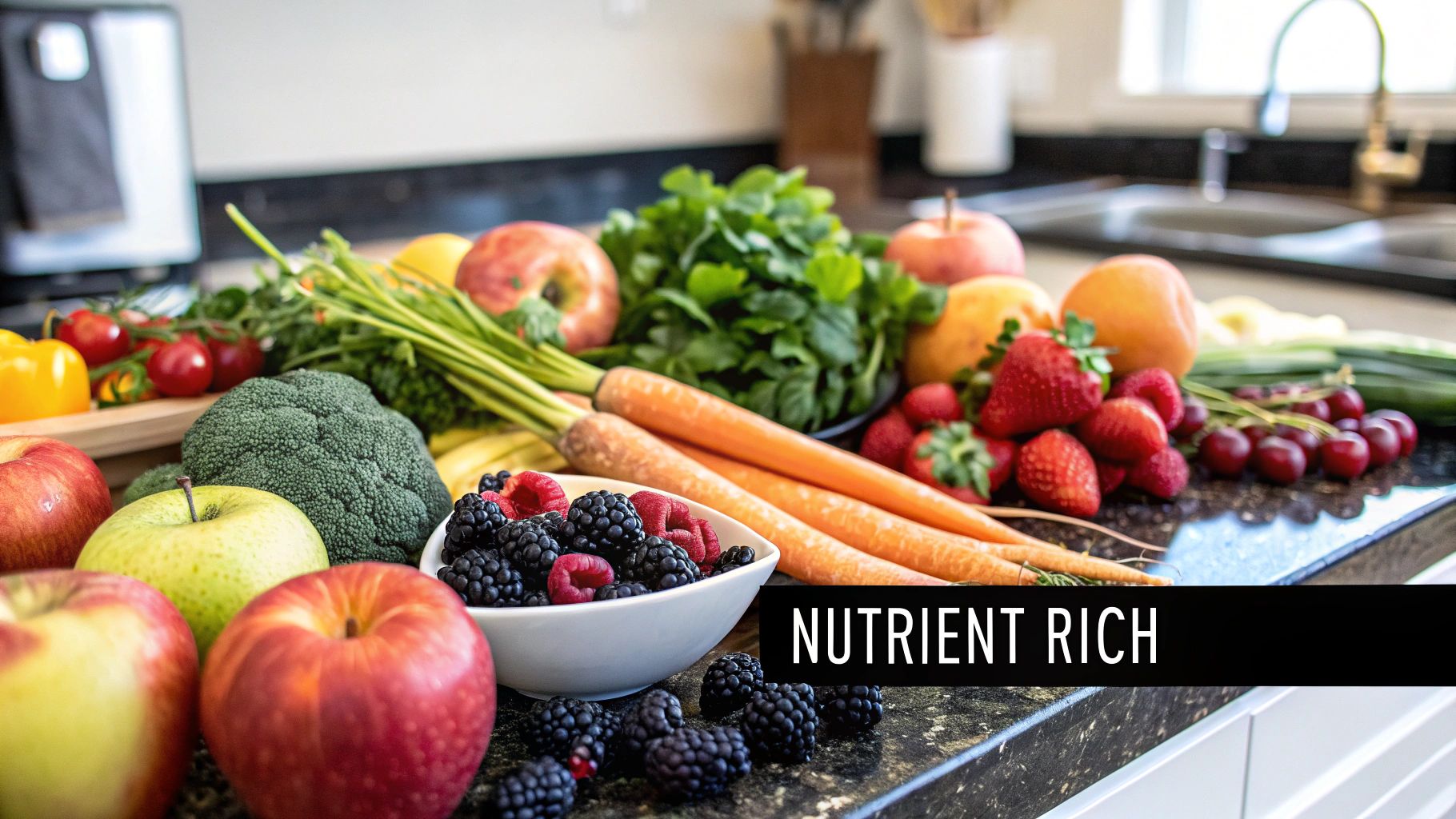
This movement is driven by a few key things that are really resonating with Aussies. More and more of us are actively looking for food grown without the usual cocktail of synthetic pesticides, herbicides, or genetically modified organisms (GMOs).
And the numbers back this up. The Australian organic food and beverage market was valued at around USD 819.48 million in 2024. It's expected to jump to nearly USD 1.37 billion by 2034, all thanks to a growing awareness of health. You can dig deeper into this trend on marketresearch.com.
Core Motivations Driving the Shift
It's not just about personal health, though. There's a powerful commitment to environmental sustainability behind this shift. Picture an organic farm not as a factory, but as a massive, well-tended garden. Instead of fighting nature with chemicals, it works with it. The focus is on building up rich, healthy soil that supports a whole ecosystem, which in turn nurtures biodiversity and keeps our waterways clean.
And finally, there's the simple pursuit of better-tasting food. Many people swear that organic produce has a more vibrant, authentic flavour. This makes sense—it’s a direct result of being grown in nutrient-dense soil and picked when it's perfectly ripe.
The switch to organic is a thoughtful choice for personal and planetary health, driven by:
- A search for cleaner food free from synthetic chemical residues.
- A commitment to environmental sustainability and healthier farming methods.
- The pursuit of superior taste and higher-quality, nutrient-rich produce.
This guide will dive into these benefits, giving you a clear picture of why going organic is becoming the go-to choice for so many households across the country.
How Organic Food Impacts Your Health
When we talk about the benefits of organic food, the first thing that usually comes to mind is our own health. It’s not so much about adding a magical ingredient to your diet, but more about what you're consciously deciding to leave out. The biggest win here is drastically cutting down your exposure to synthetic pesticides and herbicides.
Conventional farming leans heavily on these chemicals to keep pests and weeds at bay, which can leave behind residues on the fruit and veggies we bring home. While official bodies set "safe" limits for these residues, the long-term, cumulative effect of this exposure is a genuine concern for many of us trying to eat better. Going organic is a direct, straightforward way to minimise that intake.
This image really captures the heart of organic farming's eco-friendly principles, which are the very foundation of cleaner, healthier food.
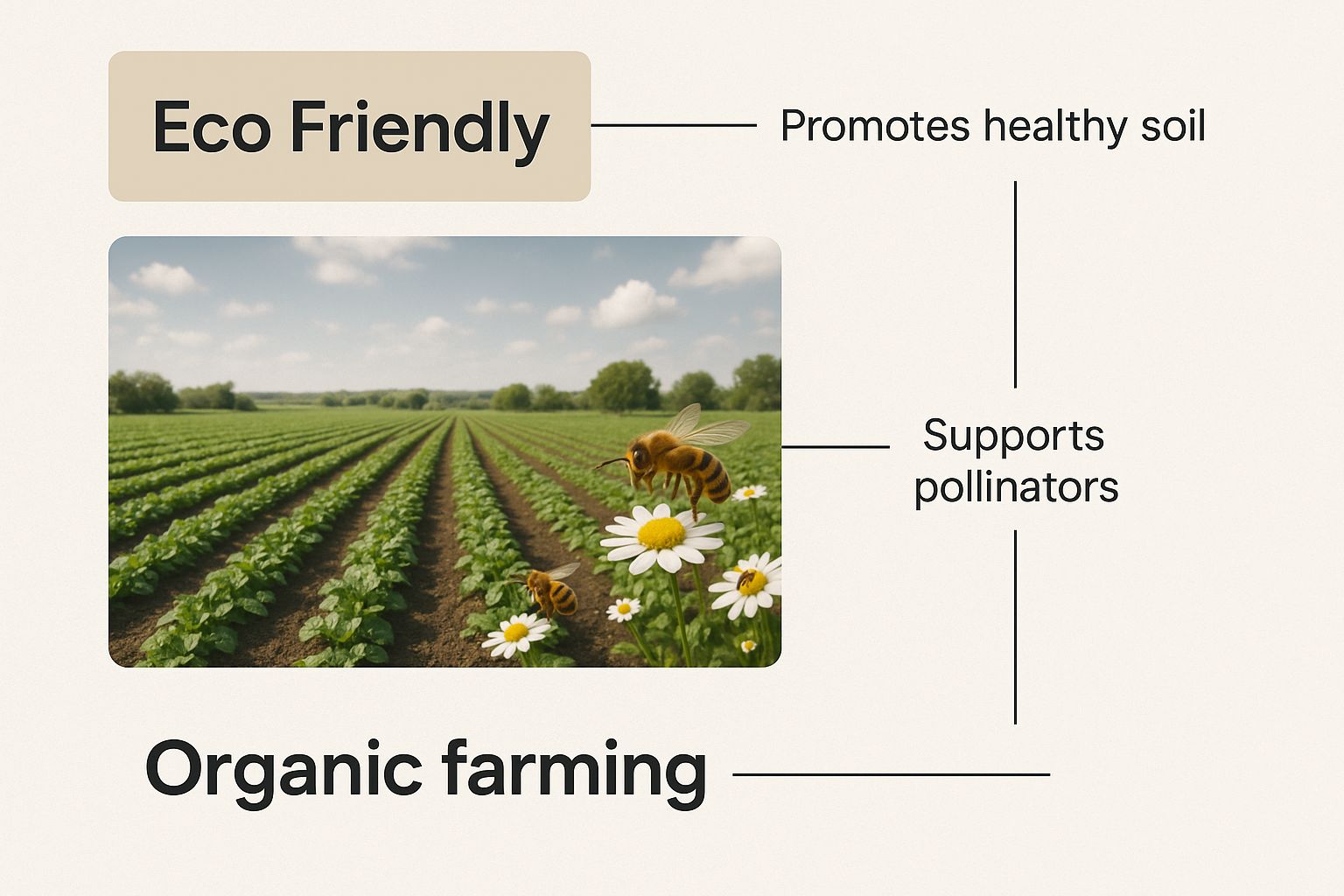
As you can see, the focus on healthy soil and natural ecosystems has a direct payoff in the quality of the food on our plates, completely free from synthetic chemical interference.
Beyond Pesticide Reduction
The goodness of organic food goes deeper than just sidestepping unwanted chemicals. The intense focus on nurturing rich, fertile soil can lead to produce that packs a bigger nutritional punch. In fact, several studies suggest organically grown crops often contain higher levels of certain antioxidants and other beneficial nutrients.
A key piece of research found that organic fruits and vegetables can contain up to 69% more antioxidants, like phenolic acids and flavonoids, compared to their conventional counterparts. These are the powerful compounds known for helping our bodies fight off cellular damage.
It’s a similar story for organic meat and dairy. These products frequently have a much better fatty acid profile. Because organically raised animals must have access to pasture, their grass-rich diet can lead to higher levels of heart-healthy omega-3 fatty acids in their milk and meat. This commitment to natural living conditions and diets is right at the core of the organic philosophy.
Conventional vs Organic Food A Quick Comparison
To make things a bit clearer, let's break down the key differences. This table gives a simple, side-by-side look at how conventional and organic approaches stack up against each other, from the farm to your kitchen.
| Attribute | Conventional Food | Organic Food |
|---|---|---|
| Pesticides | Synthetic pesticides are commonly used. | Prohibited; natural methods are used instead. |
| Herbicides | Synthetic herbicides are used for weed control. | Natural strategies like crop rotation and mulching. |
| Fertilisers | Relies on synthetic, chemical-based fertilisers. | Uses natural fertilisers like compost and manure. |
| GMOs | Genetically Modified Organisms are permitted. | Strictly prohibited. |
| Antibiotics | Can be used preventatively in livestock. | Only used to treat illness, never for prevention. |
| Growth Hormones | Permitted in livestock to speed up growth. | Banned. |
| Soil Health | Can lead to soil degradation over time. | Focuses on building and maintaining healthy, rich soil. |
Seeing it all laid out like this really highlights the fundamental differences in philosophy and practice. Choosing organic is a vote for a system that prioritises natural processes and long-term sustainability.
What Organic Certification Guarantees
When you spot a certified organic label, it's not just a fancy sticker—it's a promise. It guarantees that specific farming and production standards have been met, which directly impacts the food you're about to eat. This entire approach is a cornerstone of the lifestyle many of us know as clean eating. If you want to dive deeper into this, our guide on what is clean eating is a fantastic starting point.
Here’s what that "certified organic" seal really means for your health:
- No Genetically Modified Organisms (GMOs): Organic standards have a zero-tolerance policy for genetically modified seeds or ingredients.
- No Synthetic Growth Hormones: In organic livestock farming, using synthetic hormones to push for faster growth is completely banned.
- No Prophylactic Antibiotics: Antibiotics are reserved for treating sick animals. They are never used as a routine, preventative measure to make up for crowded or unclean living conditions.
And while you might be focused on fresh organic produce, it's also worth looking into specific products, like the health benefits of organic instant coffee, to see how the benefits carry through. It’s a holistic approach that ensures you get food that's as close to its natural state as possible, supporting your wellness all the way from the farm to your fork.
The Environmental Benefits of Organic Farming
Choosing organic food is so much more than a personal health decision; it’s a powerful vote for a healthier planet. Every time you pick up organic produce, you're backing a way of farming that's designed to work in harmony with nature, not against it. This simple choice creates a ripple effect of positive environmental change, starting right from the ground up.
At the very heart of organic farming is a deep respect for the soil. Instead of relying on synthetic chemical fertilisers, organic farmers focus on building rich, living soil through natural methods like composting, cover crops, and crop rotation.
Think of healthy organic soil as a resilient, natural sponge. It’s absolutely teeming with microbial life that helps it hold onto water more effectively, which is a massive deal when it comes to fighting erosion and conserving water, especially in a dry climate like Australia’s.
This commitment to natural soil health leads directly to another huge benefit—cleaner waterways.
Protecting Our Water and Wildlife
Conventional farming often relies heavily on synthetic fertilisers and pesticides. When it rains, these chemicals can easily run off the fields and seep into nearby rivers, lakes, and our groundwater. This chemical runoff can disrupt delicate aquatic ecosystems, harming fish and other precious wildlife.
Organic farming, on the other hand, completely bans these synthetic inputs. By avoiding them, organic farms massively reduce agricultural pollution, helping to keep our waterways clean and safe for the life that depends on them. This method isn't just about preventing harm; it's about actively nurturing the environment.
The core principle of organic farming is to build a self-sustaining system. By fostering healthy soil and avoiding synthetic chemicals, it creates a sanctuary where nature can thrive, proving that agriculture can be a solution for environmental health, not just a cause of its problems.
This philosophy of working with nature doesn't stop at the soil and water.
A Haven for Biodiversity
An organic farm is a vibrant, bustling ecosystem. The absence of synthetic pesticides means that beneficial insects, birds, and other wildlife can truly flourish. This is especially vital for pollinators like bees and butterflies, whose populations are under threat worldwide but are essential for pollinating roughly one-third of the food we eat.
Organic farms provide these crucial species with a safe habitat, rich with a diverse range of plants. This biodiversity creates a more balanced and resilient ecosystem, where natural predators can help manage pests, reducing the need for any interventions at all.
This consumer shift towards environmentally sustainable choices is fuelling some serious growth in Australia's organic industry. Revenue has grown at a compound annual rate of 10.1% over the past five years and is projected to reach an estimated AUD 3.8 billion by 2025. You can discover more insights about the growth of Australia's organic farming industry on ibisworld.com.
This growth shows a clear public demand for food that is not only good for us but also good for the Earth.
Exploring the True Taste of Organic Food
Beyond the clear health and environmental upsides, one of the most immediate and enjoyable reasons to choose organic food often comes down to one thing: its incredible flavour. So many people will tell you that organic produce just tastes better, and it’s not just in their heads—it’s a difference rooted in the very soil and philosophy of organic farming.
Conventional farming is often a numbers game. The focus is on producing high yields, creating produce that looks perfectly uniform, and ensuring it has a long shelf life for distribution across the country. This can mean that fruits and vegetables are picked long before they’re truly ripe and are specifically bred for durability, not taste. Organic farming, on the other hand, plays by a different set of rules.
The heart of this flavour difference begins in the soil. Organic farmers are obsessed with creating nutrient-dense, living soil that’s teeming with microorganisms. This healthy soil is like a gourmet kitchen for the plant, providing a full menu of minerals and nutrients that translate directly into more complex and vibrant flavours.
Why Healthier Soil Creates Better Flavour
Think of it this way: a plant grown in depleted soil is like an artist working with only a few basic colours. They can create a picture, sure, but it will lack depth and complexity. Now, imagine a plant grown in rich, organic soil. It has a full palette of nutrients to draw from, allowing it to develop the nuanced sugars and aromatic compounds that make for a truly memorable taste.
The superior flavour of organic food is a direct result of more thoughtful and natural farming. When the primary goal is nurturing the plant and its environment, a richer taste is a natural and delicious outcome.
This focus on quality over sheer quantity means organic produce is often allowed to ripen naturally on the vine or tree, soaking up sunlight and developing its full flavour potential right up until it’s picked.
The Homegrown Tomato Test
The classic "homegrown tomato" test is a perfect way to understand this. Just compare a sun-ripened tomato, still warm from the vine in a backyard garden, with a standard-issue one from the supermarket. The homegrown version almost always bursts with a sweet, tangy flavour and a rich aroma, while the other can be watery and disappointingly bland.
This incredible difference comes down to how it was grown. The backyard tomato has all the advantages:
- Rich Soil: A well-tended garden is usually full of fantastic organic matter.
- Natural Ripening: It’s picked at its absolute peak, when its natural sugars and flavours are at their best.
- Variety Selection: It’s often a variety chosen for amazing taste, not for its ability to survive a long truck journey.
Organic farming is essentially this same garden-style approach, just on a larger scale. The result is food that tastes the way nature intended—full of life, vitality, and genuine flavour. It’s one of the most compelling benefits of going organic, and you can experience it with every single bite.
How to Read Organic Labels in Australia
Ever feel a bit lost in the supermarket aisle, trying to work out what labels like ‘natural’ or ‘eco-friendly’ actually mean? You’re not alone. These terms can be incredibly confusing, but getting to know the official organic certifications is your best bet for making confident choices and ensuring you get the genuine benefits you’re paying for.

Unlike those vague marketing buzzwords, a ‘certified organic’ label is a legally protected and regulated guarantee. It means the product has been grown, handled, and produced according to strict national standards, all verified by independent, third-party organisations.
This level of detail is so important for making informed choices. If you're keen to decode food packaging even further, check out our handy guide on how to read nutrition labels for more practical tips.
The Gold Standard: The ACO Bud Logo
Here in Australia, the most recognised and trusted certification is the Australian Certified Organic (ACO) ‘bud’ logo. Think of this little green symbol as your assurance of integrity. When you spot it on a product, you know that rigorous standards have been met every step of the way, from the farm right through to the shop shelf.
This certification is a solid guarantee that the product is free from:
- Synthetic pesticides and herbicides
- Genetically Modified Organisms (GMOs)
- Growth-promoting hormones and antibiotics (in livestock)
The ACO bud logo isn't just a sticker; it's a promise. It represents a deep commitment to soil health, animal welfare, biodiversity, and a food system that works in harmony with nature, offering complete transparency for shoppers.
What Other Certifications Mean
While the ACO bud is the most common one you'll see, you might come across other official logos in stores and at farmers' markets. Each one signifies that the producer has followed stringent organic principles, covering everything from sustainable farming practices to ethical animal treatment.
To be certified, a product must contain at least 95% certified organic ingredients. If a product has between 70-95% organic ingredients, it can state it’s ‘made with organic ingredients’ but can’t use the official certification logo on the front of the pack.
This distinction is key to understanding exactly what you’re buying. By looking for these official symbols, you can confidently navigate the shelves and choose genuinely organic products every single time.
Making Organic Food Work for Your Budget
Let's be honest, the higher price tag on organic food can feel like a major hurdle. But embracing all the good stuff organic has to offer doesn't mean you have to empty your wallet. It’s all about being a bit strategic.
With a few smart moves, you can easily make organic options a regular part of your grocery shop without stretching the budget too thin. It really just comes down to being selective and knowing where to focus your dollars for the biggest impact.
One of the best ways to do this is to get familiar with which conventionally grown fruits and veggies tend to have the highest pesticide residues. Prioritising your organic spend on these items is a fantastic way to start.
Prioritise Your Purchases
To shop smarter, a lot of people turn to guides like the 'Dirty Dozen' and 'Clean Fifteen'. These handy lists rank produce based on pesticide levels, helping you decide what's truly worth buying organic and where you can safely opt for conventional.
- The Dirty Dozen: This list flags items like strawberries, spinach, and apples, which often show higher levels of pesticide residue. It's a wise move to choose the organic versions of these.
- The Clean Fifteen: On the flip side, this list features produce with thick, inedible skins like avocados, pineapples, and onions. These typically have very low pesticide residues, making the conventional options a great budget-friendly choice.
It helps to reframe the cost of organic food as a long-term investment in your personal health and the well-being of our environment. When you think of it that way, it feels less like an expense and more like a proactive step towards a healthier life.
Savvy Shopping Tips for Organic Deals
Beyond just prioritising, there are other great ways to save. Buying produce when it's in season is a classic tip for a reason—it’s fresher, packed with more flavour, and almost always cheaper. Don't forget to explore your local farmers' markets either; you can often find great deals when you're buying directly from the growers themselves.
Supermarket home-brand organic products are another thing to look out for. Major grocers are expanding their own organic lines, which are often much more affordable than the premium brands. Planning your meals is also a game-changer. Our guide on how to meal prep can help you use every ingredient efficiently, cutting down on waste and saving money in the long run.
The growing demand for organic is also expanding local production here in Australia. Take rice farming, for example, where the organic market is projected to reach AUD 49 million by 2025. You can learn more about Australia's organic rice farming trends on farmonaut.com.
Common Questions About Organic Food
Dipping your toes into the world of organic food can bring up a few questions. That's completely normal. Getting clear, straightforward answers is the best way to feel good about the choices you're making for yourself and your family. Let's walk through some of the most common things people wonder about when they start looking into organic.
One of the first questions is always about nutrition. Are organic foods really healthier? The biggest, most immediate health benefit is simply cutting down on the synthetic chemicals you're consuming. But it goes deeper than that. Some research shows that certain organic foods pack in higher levels of specific antioxidants and even beneficial omega-3 fatty acids, which makes sense when you think about the healthier, nutrient-rich soil they grow in.
Is It Genuinely Organic?
So, you're at the shop, looking at a product that claims to be organic. How can you be sure you're getting the real deal? In Australia, your best friend is the official certification logo.
- Look for the Symbol: Always keep an eye out for a recognised certification mark on the packaging, like the Australian Certified Organic (ACO) ‘bud’ logo.
- What It Guarantees: This little symbol is your assurance that the product has met incredibly strict national standards for every part of its journey, from the way the soil is managed right through to processing. It’s a promise of integrity.
Checking for that logo takes the guesswork out of it and confirms you're buying the quality you expect.
It's so important to understand the difference between a catchy marketing term and a properly regulated standard. Labels can be confusing, but a certified organic logo is a legally protected guarantee that what you're buying adheres to a very specific, high standard of agricultural practice.
Finally, a lot of people wonder what the difference is between 'natural' and 'organic'. The distinction is huge: ‘organic’ is a legally protected and regulated term that's backed by a tough certification process. On the other hand, ‘natural’ is often just a vague marketing claim with no official definition or standards behind it. This means it can be slapped on almost anything. Choosing certified organic means you’re getting a product that meets a transparent, verifiable set of rules.
Ready to enjoy fresh, delicious, and healthy meals without the fuss? Visit Absolute Cravings in Townsville or check out our menu online for delivery. Find your next favourite healthy dish at https://www.absolutecravings.com.au.