Learning how to slash your food waste really boils down to a few key habits: planning your meals with a bit of care, getting smart about how you shop and store food, and getting creative with leftovers. When you start to shift how you think about the food you bring into your home, you can make a huge dent in what ends up in the bin. It's a win for your wallet and a win for the planet.
The True Cost of Wasting Food in Australia
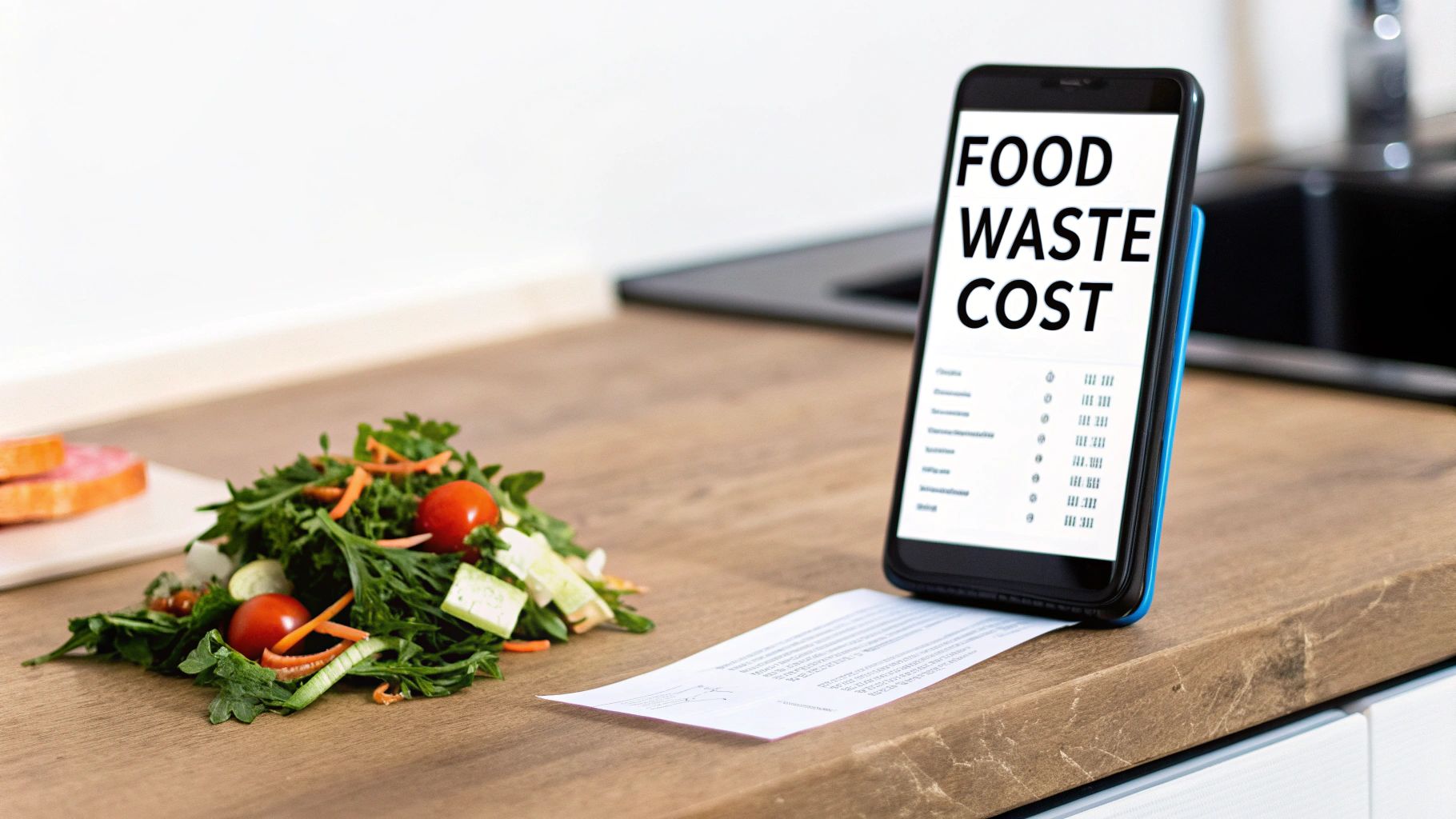
Before we jump into the "how-to," let's take a moment to understand why this is so important. The scale of food waste in Australia is genuinely staggering. This isn't just about that bag of soggy lettuce you forgot at the back of the crisper; it's a massive chain reaction of wasted resources, from the water and labour on the farm right through to the fuel used for transport.
Every single item we throw away carries the invisible cost of its journey to our kitchen. When that food hits a landfill, it starts to decompose and release methane, a greenhouse gas that's far more potent than carbon dioxide. The real cost of food waste goes way beyond our household budget, contributing to the broader environmental impact of landfills where so much of it ends up.
The Scale of the Problem
Here in Australia, we have a massive challenge on our hands. An estimated 7.6 million tonnes of food is chucked out every year. If you break that down, it works out to about 312 kilograms per person.
To tackle this head-on, the National Food Waste Strategy has set a goal to halve this figure by 2030, which lines up with global sustainability targets.
This problem hits you directly in the wallet, too. For the average Aussie household, wasted food adds up to thousands of dollars lost each year. Just think about that for a second—that's money that could go towards savings, a family holiday, or just taking a bit of financial pressure off. Our guide on healthy eating on a budget actually shares some great tips that tie in perfectly with cutting down on waste.
By making a few small, conscious changes, you become part of a much bigger solution. It's all about valuing our food and the precious resources that go into producing it.
Your Path to a Waste-Free Kitchen
Reducing your food waste doesn't mean you need to completely overhaul your life. It’s more about weaving a few powerful habits into your routine across four key areas of your kitchen. We'll walk you through each one, giving you simple and effective techniques that make a real difference.
Understanding the 'why' behind food waste provides the motivation to change the 'how.' Every carrot peel you save or leftover meal you eat is a small victory for both your budget and the planet.
To give you a clear roadmap of what we'll cover, here are the main areas we’ll focus on.
Four Key Areas to Reduce Household Food Waste
| Strategy Area | Key Action | Primary Benefit |
|---|---|---|
| Mindful Meal Planning | Plan meals for the week before you shop, and create a precise shopping list. | Prevents impulse buys and ensures you only purchase what you need. |
| Smart Shopping & Storage | Buy only what’s on your list and learn proper storage techniques for different foods. | Maximises freshness, extends the life of your groceries, and reduces spoilage. |
| Creative Leftover Use | Transform leftovers into new meals, like frittatas, soups, or stir-fries. | Saves money, reduces cooking time, and stops perfectly good food from being binned. |
| Responsible Disposal | Compost food scraps instead of sending them to landfill. | Reduces methane emissions and creates nutrient-rich soil for your garden. |
We’re going to explore how you can become a more mindful consumer, a smarter cook, and a seriously resourceful kitchen manager. The journey starts right here, and by the end, you'll feel empowered and in control of your food.
Plan and Shop Smarter, Not Harder
Let's be honest, cutting down on food waste starts long before you even think about stepping into a grocery store. It all begins with a simple shift in how we approach our food—moving from a last-minute, "what's for dinner?" panic to a more thoughtful, intentional way of planning. This doesn't mean you need a rigid, colour-coded spreadsheet for every meal. It’s about creating a flexible system that works for your life and makes sure the food you buy actually gets eaten.
The very first, and maybe most important, habit to build is the quick ‘pantry audit’. Before you even dream of writing a shopping list, take a quick peek at what you’ve already got. What veggies are hiding in the crisper? What's lurking in the back of the freezer? Any half-used bags of pasta or rice in the cupboard? This one simple action stops you from buying duplicates—a massive and completely avoidable source of household waste.
From there, you can build your shopping list around what you already own. Found half a jar of pasta sauce and some mushrooms that have seen better days? Great. Your list might just need some mince and pasta to create a brilliant bolognese, rather than the ingredients for an entirely new, unrelated meal.
Master Your Meal Planning
Once you’ve got a handle on your inventory, you can map out a few meals for the week ahead. Again, this isn't about restriction; it's about having a loose roadmap. I find planning for just four or five dinners is the sweet spot. It gives you structure but leaves enough wiggle room for leftovers or a spontaneous takeaway.
A fun way to make it even easier is to theme your nights:
- Meatless Monday is perfect for using up leftover veggies and pantry staples like lentils or beans.
- Taco Tuesday is a champion at clearing out small bits of leftover salad, cheese, and salsa.
- "Use-It-Up" Thursday is my personal favourite. The challenge is to create a meal from whatever is left before the next grocery run. Think frittatas, stir-fries, or a big, hearty soup.
If you want to really get into the nitty-gritty of getting organised, our guide on how to meal prep is packed with practical systems that save both time and food.
Decode Food Labels Correctly
A staggering amount of perfectly good food gets tossed simply because of confusion over date labels. Here in Australia, it’s crucial to understand the difference between the two main dates you'll see on your food.
Understanding food labels is one of the quickest ways to stop unnecessary waste. A ‘best before’ date is about quality, not safety. Trust your senses—if it looks, smells, and tastes fine, it's usually okay to eat.
Knowing this distinction empowers you to make informed decisions instead of automatically binning items that are still perfectly edible.
"Best Before" vs. "Use-By" Dates Explained
| Label Type | Meaning | Common Foods | What to Do |
|---|---|---|---|
| Best Before | This is a suggestion for peak quality, not a safety deadline. The food is safe to eat after this date, but its flavour or texture might have changed a little. | Tinned goods, pasta, biscuits, cereal, sauces, frozen foods. | Use your senses. Check for any signs of spoilage. If it seems fine, it is. |
| Use-By | This is a safety instruction. You should not eat food after this date as it could pose a health risk. | Fresh meat, poultry, fish, pre-made salads, dairy products. | Do not eat after this date. Plan to eat or freeze these items well before they expire. |
When you shop with a clear plan built around the food you already have and truly understand what those date labels mean, you take back control. You'll not only reduce food waste in a big way but also save a surprising amount of money on your grocery bill each week.
Extend Food Life with Proper Storage
We’ve all been there. You open the fridge, excited to make a fresh salad, only to find a bag of limp, sad-looking herbs and fruit that's seen better days. It's a common frustration for so many Australian households, but it doesn't have to be this way. I'm going to walk you through some proven tactics I've learned over the years to make fresh produce last so much longer. With just a few simple changes to how you store your groceries, you can keep them crisp, tasty, and out of the bin.
Every food item, from leafy greens to root vegetables, has its own ideal environment to thrive in. Once you understand these little nuances, you’re well on your way to mastering how to reduce food waste at home. A classic example is potatoes – keep them in a cool, dark spot, and you'll stop them from sprouting for weeks.
It’s genuinely surprising to learn that a staggering 30% of household vegetables are thrown out simply because they weren't stored correctly. By tweaking where and how you keep things, you can slash this waste dramatically. These aren't complicated changes, just quick fixes that save you money and keep food out of landfill. A great habit to get into is rotating your stock—put the older items at the front of the fridge or pantry and the new stuff at the back. It's a simple "first in, first out" system that ensures you use up what's about to expire first.
Understanding Ethylene and Separation
Here’s a little food science trick that makes a huge difference: some fruits and veggies release ethylene gas as they ripen, which can cause other nearby produce to spoil much faster. Storing your bananas next to a head of lettuce is a recipe for a slimy salad overnight. A bit of simple separation can extend the crispness of your greens by days.
For instance, apples, avocados, and pears are big ethylene producers. On the other side, things like mushrooms and carrots are really sensitive to it. All you need to do is keep these two groups in different spots to maximise their lifespan.
A good way to manage this is by creating distinct zones in your crisper drawers for each group.
- Ethylene Producers: This group includes apples, bananas, and pears.
- Sensitive Items: Think lettuce, broccoli, and cucumbers.
Most modern fridges come with humidity-controlled drawers, which are fantastic tools. I like to set one drawer to high humidity for my leafy greens (they love the moisture) and the other to low for fruit. This creates the perfect microclimate for each and seriously reduces spoilage.
Key Insight: Simply adjusting the humidity levels in your crisper drawers can cut spoilage on leafy greens by over 25%. It's a small tweak with a big impact.
Another easy tip is to label your storage bags with the date you opened them using a dry-erase marker. It takes the guesswork out of dinner time and helps you keep track of what needs to be eaten first.
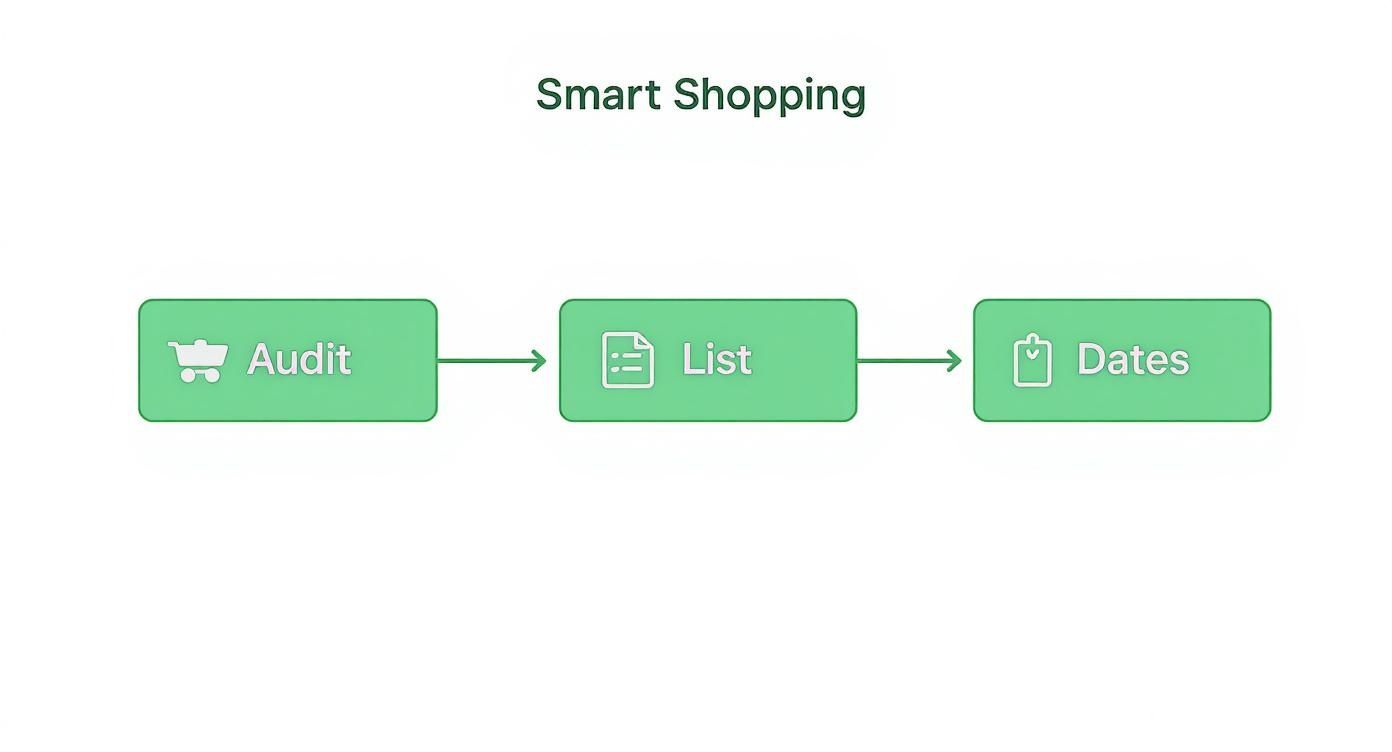
As this shows, taking a moment to audit what you have and track dates is really central to cutting down on spoilage and saving a bit of cash.
Freezer Tricks to Avoid Burn
The freezer can feel like a black hole where food goes to get freezer-burned and forgotten. But with the right approach, it’s an incredible tool for preserving food. The secret is choosing the right container and sealing it properly. Vacuum-sealed bags are amazing, but any sturdy, airtight container that keeps moisture and air out will do the trick.
Always, always label everything you freeze with the date and what it is. Trust me, you don't want to be dealing with mystery meals six months from now. I use simple plastic bins or a chest freezer organiser to group similar items together, so I can find what I need in a flash.
Here's one of my favourite freezer hacks: freeze leftover herbs and citrus zest. Finely chop fresh herbs, pop them into ice cube trays with a little oil or water, and freeze. Once solid, you can transfer the cubes to a labelled bag. They’re perfect for adding a burst of flavour to dishes all year round.
Where to Store Common Groceries for Longevity
Knowing exactly where to put everyday groceries can feel like a bit of a guessing game. To make it easier, here’s a quick-reference table that breaks down the ideal storage spots for some common items.
| Food Item | Best Storage Location | Helpful Tip |
|---|---|---|
| Leafy Greens | High-humidity drawer | Wrap them in a slightly damp paper towel to keep them crisp. |
| Tomatoes | Counter at room temperature | Keep them stem-side down to prevent moisture loss. |
| Potatoes | Dark, cool pantry | Use a breathable bag (like paper or mesh) to prevent sprouting. |
| Berries | Fridge shelf | Store them in a single layer on a paper towel to absorb excess moisture. |
| Onions | Dry pantry | Hang them in a mesh bag for good air circulation. |
These little storage tweaks might seem minor, but they genuinely add up, extending the freshness of your food and slashing spoilage. They are simple, effective ways to start making a difference in your own kitchen.
Simple Fridge Hacks
Just a couple more quick tips for your fridge.
Keep things like sauces and drinks on the door shelves. They can handle the temperature fluctuations better than perishables like milk or eggs.
Most importantly, try to stay organised. A tidy fridge means you can see everything you have, which makes it much less likely that something will get lost at the back and go off.
When you get these habits down, you'll find you're enjoying fresher food for much longer.
Transform Scraps into Kitchen Gold
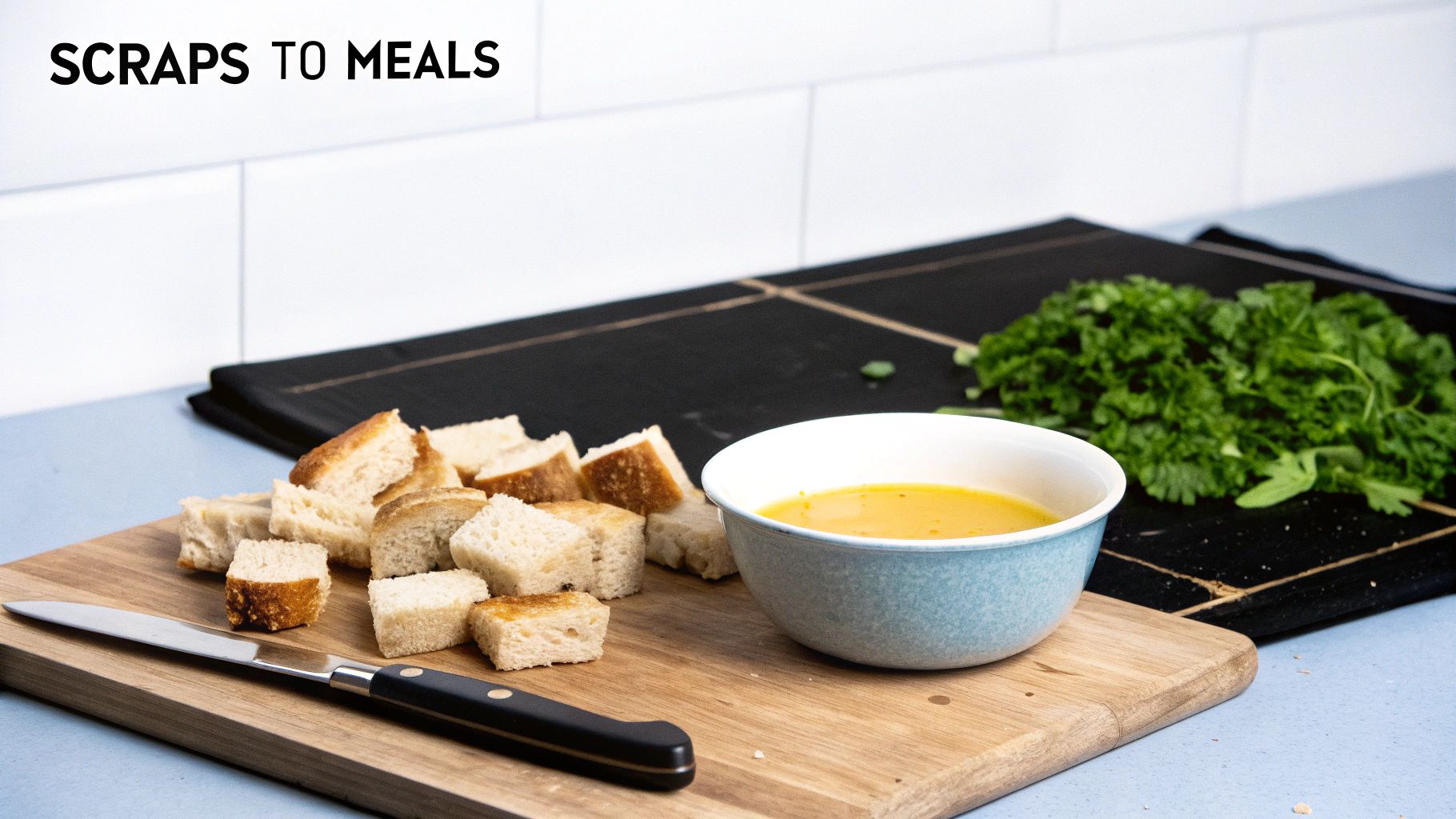
Learning how to reduce food waste really comes down to a simple, powerful shift in how you see things. Instead of seeing a limp carrot or a handful of wilted herbs as rubbish, start seeing them as ingredients in disguise. This is where your kitchen creativity can truly come to life, turning what most people would bin into something genuinely delicious.
It's all about being resourceful, not restrictive. That stale loaf of bread isn't destined for the bin; it’s just a few steps away from becoming crunchy, golden croutons for your next soup or salad. And those onion skins and veggie peels you usually toss? They’re the secret foundation of a rich, flavourful stock that will elevate your next risotto. This perspective transforms your kitchen from a place of waste to one of opportunity.
The Use-It-Up Framework
The best way I’ve found to tackle leftovers is with a flexible game plan rather than a rigid set of recipes. Think of it as a template you can adapt based on whatever you happen to have on hand. This approach empowers you to cook with confidence, knowing you can whip up a fantastic meal from the odds and ends in your fridge.
This framework is built on a few core meal types that are incredibly forgiving and versatile. They are your secret weapons for clearing out the crisper before your next grocery shop.
Here are a few of my go-to ideas:
- Frittatas and Quiches: An egg-based dish is the perfect home for leftover cooked vegetables, small bits of cheese, and any random herbs you have lying around.
- Soups and Stews: Almost any vegetable, whether it's perfectly fresh or slightly past its prime, can be simmered into a hearty, nourishing soup. So simple.
- Stir-fries and Fried Rice: These dishes are absolute champions of using up small amounts of various veggies, leftover rice, and protein.
- Pestos and Sauces: Don't just think basil! You can blend wilted spinach, rocket, or even carrot tops with nuts, garlic, oil, and cheese for a vibrant sauce.
By having these ideas in your back pocket, you can quickly look at your leftovers and decide on a delicious path forward. It’s a simple, effective strategy that ensures good food gets eaten, not wasted.
From Scraps to Staples
Let’s get specific. Thinking creatively about individual items can unlock a huge amount of potential and stop you from throwing away perfectly good food. It’s all about finding a new purpose for things you might have previously considered rubbish.
A resourceful kitchen isn't about perfection; it's about seeing the potential in every ingredient. That slightly bruised apple can become applesauce, and those Parmesan rinds can add incredible depth to your next soup.
Consider these simple transformations:
- Citrus Peels: Steep them in hot water for a fragrant tea, or candy them for a sweet treat to sprinkle over desserts.
- Broccoli Stalks: Please don't throw these out! Just peel the tough outer layer, then slice the tender core for stir-fries or slaws. They’re delicious.
- Stale Biscuits or Crackers: Crush them up to create a flavourful crust for a pie or a crunchy topping for a baked pasta dish.
Embracing these small, creative habits will fundamentally change your relationship with food. You’ll find yourself saving money, discovering new flavours, and making a tangible difference, one delicious, repurposed meal at a time.
Closing the Loop with Smart Composting
Even when you’ve mastered meal planning and clever storage, some food scraps are just part of life. Think coffee grounds, eggshells, and the tops and tails of veggies. This is where we close the loop, making sure these organic odds and ends don't end up in a landfill, where they release harmful methane gas.
Responsible disposal is a huge part of learning how to reduce food waste, and the good news is, there are fantastic options for every living situation. Think of this as the final, rewarding stage in your home's food cycle, turning unavoidable scraps into something genuinely valuable.
The opportunity here is massive. In Australia, food makes up the biggest chunk of organic material in our household bins. When you consider that our nation's waste generation has shot up by 20% in the last 15 years, getting this food out of landfill is one of the most powerful actions we can take. You can dive deeper into the numbers with these Australian waste statistics and trends on ausrubbishremovals.com.au.
Find Your Perfect Composting Match
You don't need a sprawling backyard to get into composting. These days, there are brilliant solutions designed for every kind of home, from a house with a big garden to a tiny apartment balcony.
Here’s a quick look at the most popular methods:
- Traditional Compost Bins: The classic choice if you have a bit of outdoor space. These are perfect for handling a good mix of kitchen scraps and garden waste, slowly turning it all into rich, dark soil for your plants.
- Worm Farms (Vermicomposting): A fantastic and fascinating option for smaller yards, balconies, or even a sheltered spot in the laundry. Worms are incredibly efficient, breaking down fruit and veggie scraps into nutrient-dense castings (worm poo!) and a liquid fertiliser often called "worm tea."
- Bokashi Bins: This is the ultimate indoor solution. It's a compact system that uses fermentation to pre-compost all your food waste—including meat, dairy, and oily foods—right in your kitchen, with no bad smells.
The best composting system is the one you'll actually use. Whether it's a worm farm on your balcony or a bokashi bin under the sink, the goal is the same: keep organic matter out of landfill and create something valuable from it.
Using Your Council’s Green Waste Service
Don’t forget about your local council’s FOGO (Food Organics and Garden Organics) bin. This is probably the easiest and most effective way to deal with the scraps you can't compost at home, like cooked food, meat, bones, and dairy.
It's such a simple way to make a huge difference. Just check your local council’s website for the specific guidelines on what they accept in your area.
By pairing a home composting system with your council's FOGO bin, you can build a powerful, two-pronged strategy to get food waste out of your general rubbish bin for good.
Your Top Food Waste Questions, Answered
As you start making changes in the kitchen to cut down on waste, a few practical questions always seem to pop up. It's totally normal to wonder if you're doing things the "right" way or how to juggle new habits without feeling overwhelmed.
Let's walk through some of the most common hurdles people run into. Getting clear, practical answers is the key to building the confidence you need to make these positive changes stick.
How Can I Meal Plan For a Busy Family Without It Taking Hours?
This is a big one. The trick is to forget rigid, minute-by-minute schedules and instead create a flexible framework. I always suggest starting with a rotating list of 10-15 family-favourite meals you can practically cook in your sleep.
Each week, just pick four or five from that master list.
To make it even easier, try theme nights like "Pasta Monday" or "Taco Tuesday". This takes the guesswork out of the equation. Most importantly, always pencil in a "use-it-up" night right before your next grocery run. This simple system gives you just enough structure to stop food from being wasted, without the pressure of a super-detailed plan.
What Is the Single Most Effective Habit to Reduce Food Waste?
If I had to pick just one thing, it would be this: consistently take a "shelfie" before you go shopping. That's just a quick photo or even a mental scan of your fridge, freezer, and pantry before you write your list.
This one tiny action is a game-changer.
It forces you to build your meals around what you already have, making sure those ingredients get used instead of being forgotten at the back of a shelf. It’s the most direct way to stop buying duplicates, which is one of the biggest and easiest-to-fix causes of household food waste.
The 'shelfie' bridges the gap between what you have and what you think you need. It’s a simple act of mindfulness that saves money and stops good food from being binned, connecting directly with the principles of mindful eating and consumption.
My Fruits and Vegetables Spoil So Quickly, What Am I Doing Wrong?
I hear this all the time, and it's almost always an issue of improper storage. Two common mistakes are washing produce way before you plan to use it (moisture is the enemy of freshness!) and storing ethylene-producing fruits next to ethylene-sensitive veggies.
Fruits like apples, bananas, and pears release ethylene gas, which is a natural ripening agent.
When you store them next to sensitive items like broccoli, leafy greens, or carrots, that gas makes them spoil so much faster. Just separating these items can dramatically extend how long they stay fresh and crisp. For a great overview of other ways to tackle food waste, check out these 10 effective food waste reduction strategies.
Is It Better to Compost at Home or Use the Council Green Bin?
Honestly, both are brilliant alternatives to landfill, so the "best" option really comes down to your lifestyle and what you have access to.
Home composting, whether it’s a classic bin or a worm farm, is fantastic because you get that amazing, nutrient-rich fertiliser for your garden. It does, however, require a little bit of hands-on management.
Council FOGO (Food Organics and Garden Organics) bins are often more convenient and can take things you can't compost at home, like meat, bones, and dairy. A lot of people find a hybrid approach works perfectly—compost your fruit and veggie scraps at home, and pop everything else in the FOGO bin.
At Absolute Cravings, we believe in nourishing the community with fresh, healthy food that tastes incredible. Stop by our Townsville cafe for a delicious meal, smoothie, or coffee. Explore our menu and delivery options at https://www.absolutecravings.com.au.


