In our fast-paced world, the convenience of the drive-thru is a powerful magnet. It promises a quick, easy, and predictable meal when time is short and energy is low. However, this convenience often comes with hidden costs to our health, well-being, and even our budgets. A diet high in conventional fast food is frequently linked to a variety of health issues, leaving many of us feeling sluggish, uninspired, and nutritionally depleted. But what if you could achieve that same level of speed and simplicity without sacrificing your health?
This guide serves as your definitive roadmap to discovering genuinely healthy alternatives to fast food. We've compiled 10 practical, flavourful, and sustainable strategies meticulously designed to fit into a hectic modern lifestyle. Our goal is to demonstrate that nourishing your body doesn't need to be a complicated or time-consuming chore. Forget the notion that healthy eating requires hours in the kitchen; these solutions are built for real life.
From mastering the art of the 20-minute sheet pan dinner to leveraging the efficiency of smart meal preparation and batch cooking, each alternative empowers you to take back control of your meals. We will explore everything from vibrant Mediterranean diet bowls and protein-packed homemade salads to effortless slow cooker recipes and versatile whole grain wraps. This comprehensive list provides actionable steps to help you eat well, feel energised, and finally break free from the fast-food cycle for good. Let’s dive into a world of food that is both quick and truly satisfying.
1. Meal Prep and Batch Cooking
Meal prepping is the practice of planning, cooking, and portioning your meals in advance. This systematic approach transforms a few hours of work, typically over the weekend, into a full week of ready-to-eat, healthy alternatives to fast food. By having nutritious meals waiting in the fridge or freezer, you eliminate the temptation to grab a greasy takeaway when hunger strikes and time is short.
This method is incredibly effective because it removes decision fatigue from your daily routine. Instead of wondering what to cook after a long day, your meal is already prepared, portioned, and just needs reheating. It's a game-changer for maintaining consistent, healthy eating habits.
How to Implement Meal Prepping
Getting started is simpler than it seems. The core idea is to cook in bulk and assemble later.
- Batch Cook Components: Rather than making five identical chicken salads, cook versatile base ingredients. For example, prepare a large batch of quinoa, roast a tray of mixed vegetables (like capsicum, zucchini, and sweet potato), and grill several chicken breasts. You can then mix and match these components throughout the week to create different meals, such as a quinoa bowl, a chicken wrap, or a hearty salad.
- Plan Your Menu: Dedicate a small amount of time to plan what you'll eat for the week. This ensures your grocery shop is efficient and you have all the necessary ingredients on hand.
- Invest in Quality Containers: Good quality, airtight glass containers are ideal. They are durable, microwave-safe, and don't absorb flavours or odours like plastic can. For meals you plan to eat later in the week, use freezer-safe containers and label them with the date and contents.
Pro-Tip: Start small by prepping just your lunches for the week or by making a large batch of soup or chilli to freeze in individual portions. This makes the process feel less overwhelming as you build the habit.
For those new to this powerful technique, understanding the fundamentals is key to success. You can explore a more detailed guide and discover how to master this skill by reading our complete guide on how to meal prep.
2. Mediterranean Diet Bowls
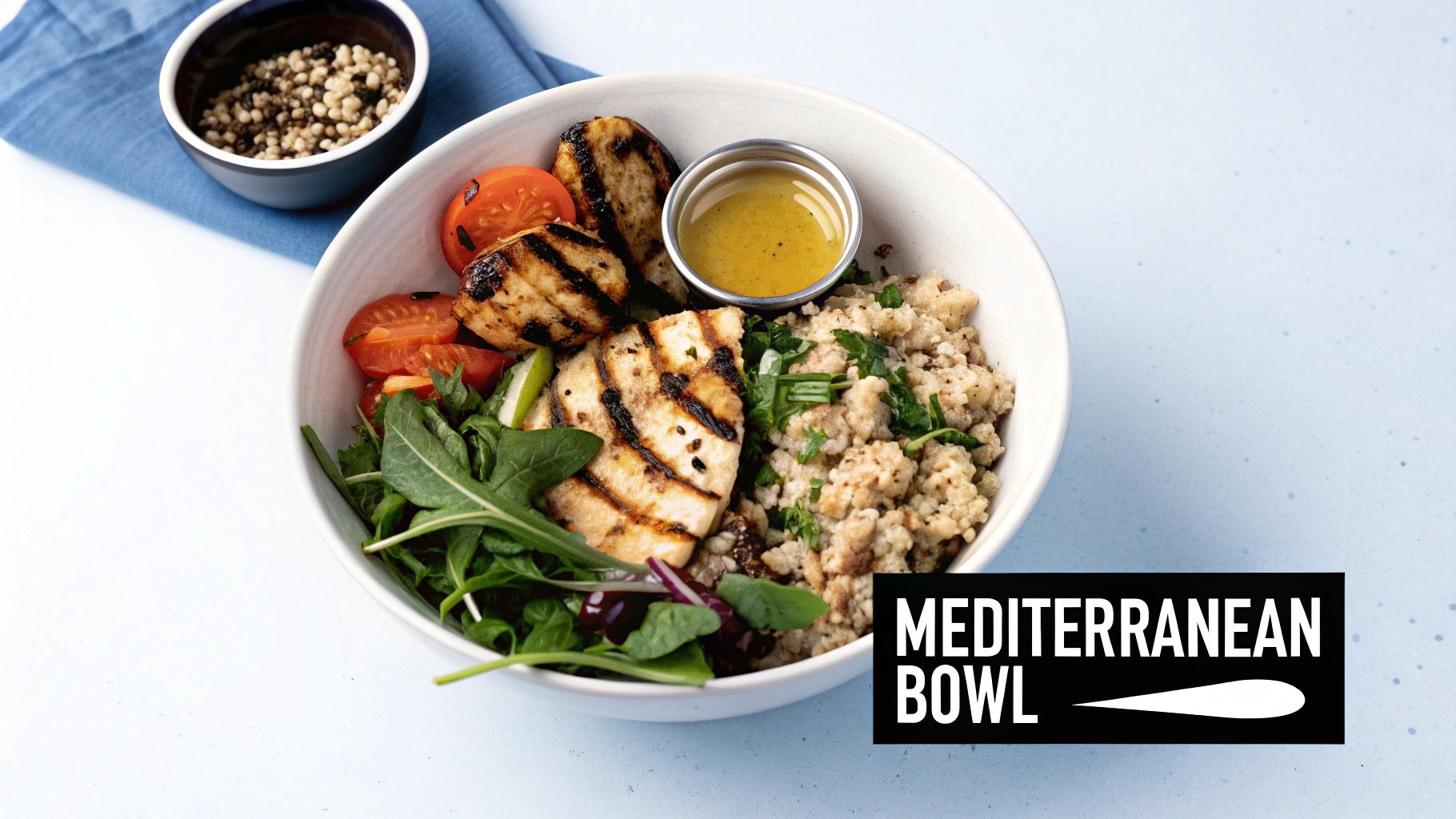
Mediterranean Diet Bowls are a vibrant and delicious way to pack nutrient-dense, whole foods into a single meal. Inspired by the traditional eating patterns of countries bordering the Mediterranean Sea, these bowls combine whole grains, lean proteins, fresh vegetables, legumes, and healthy fats like olive oil. This approach, which emphasises unprocessed foods, is one of the most well-researched dietary patterns for promoting long-term health and is an excellent healthy alternative to fast food.
These bowls are not just food; they are a celebration of fresh, flavourful ingredients that work in harmony. To truly embrace this concept, our Mediterranean Diet Bowls exemplify principles found in The Olive Oil Mediterranean Diet, a timeless secret to a longer, healthier life. They offer a satisfying and customisable meal that keeps you full and energised without the post-takeaway slump.
How to Implement Mediterranean Diet Bowls
Building your own Mediterranean bowl is an easy and creative process. The key is to balance textures, colours, and flavours with wholesome components.
- Build Your Base: Start with a foundation of whole grains like quinoa, farro, or brown rice. These provide complex carbohydrates for sustained energy.
- Add Lean Protein and Legumes: Incorporate sources like grilled chicken, salmon, or chickpeas. These are essential for muscle repair and satiety.
- Load Up on Vegetables: Fill your bowl with a colourful mix of fresh or roasted vegetables. Think cherry tomatoes, cucumber, capsicum, and leafy greens.
- Finish with Healthy Fats: Drizzle with extra virgin olive oil or a tahini-based dressing. Add a sprinkle of feta cheese, olives, or nuts for extra flavour and texture.
Pro-Tip: Make your own dressing in a jar by combining extra virgin olive oil, lemon juice, a touch of Dijon mustard, and herbs. Shake well and it will last in the fridge for up to a week, making meal assembly even faster.
3. Sheet Pan Dinners
Sheet pan dinners are a brilliantly simple concept where an entire meal, typically a protein and vegetables, is cooked together on a single baking sheet. This method is the ultimate solution for busy weeknights, offering a flavourful and nutritious meal with minimal effort and cleanup. It’s one of the most effective healthy alternatives to fast food because it uses whole ingredients and roasting techniques to develop deep, satisfying flavours without excess fats or complicated steps.
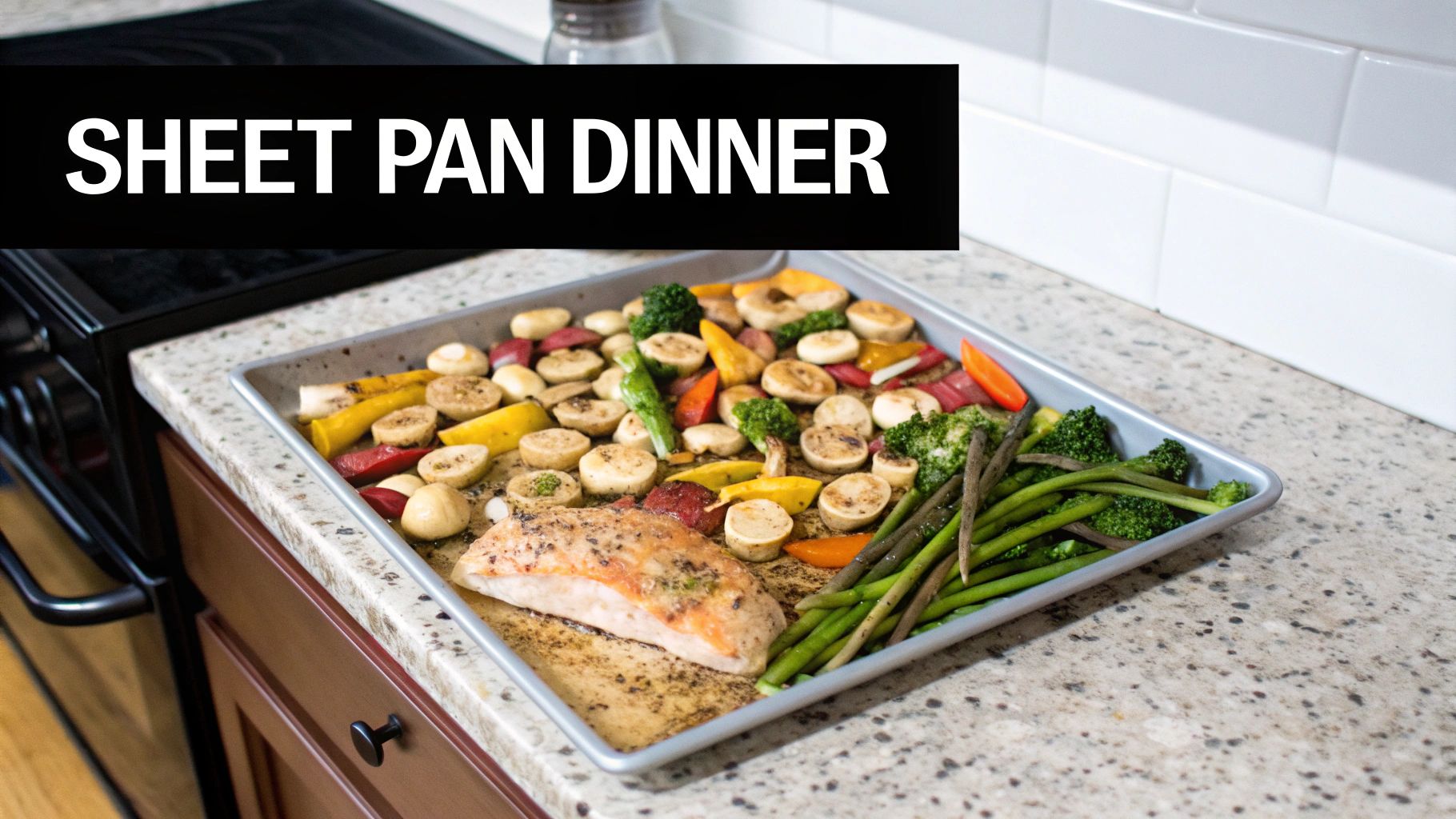
The beauty of this approach is its "set it and forget it" nature. Once you’ve prepped your ingredients and put the pan in the oven, you’re free until the timer goes off. This hands-off cooking time allows you to unwind after a long day while a wholesome dinner practically makes itself, preventing that last-minute pivot to a takeaway menu.
How to Implement Sheet Pan Dinners
Mastering this technique is all about timing and preparation. The goal is to have everything finish cooking at the same time.
- Choose Your Components: Combine a protein with a variety of vegetables. Great examples include salmon with broccoli and sweet potato chunks, chicken thighs with Brussels sprouts and carrots, or even sheet pan fajitas with sliced chicken, capsicum, and onions. For a plant-based option, try chickpeas with root vegetables like parsnips and beetroot.
- Prepare for Even Cooking: Cut harder vegetables like potatoes and carrots into smaller pieces than softer ones like zucchini or capsicum. You can also give heartier vegetables a head start in the oven for 10-15 minutes before adding the protein and quicker-cooking vegetables to the pan.
- Season Generously: Toss all your ingredients in a bowl with a healthy oil (like olive or avocado oil) and your chosen seasonings before spreading them on the pan. This ensures every piece is evenly coated and flavourful. Don't overcrowd the pan, as this will steam the ingredients instead of roasting them.
Pro-Tip: Line your baking sheet with parchment paper before you begin. This small step makes cleanup incredibly fast, as you can simply discard the paper, leaving you with a virtually clean pan.
This method transforms simple, fresh ingredients into a restaurant-quality meal with very little fuss. It’s a perfect strategy for anyone looking to eat healthily without spending hours in the kitchen, proving that a home-cooked dinner can be just as quick as fast food.
4. Homemade Smoothie Bowls and Drinks
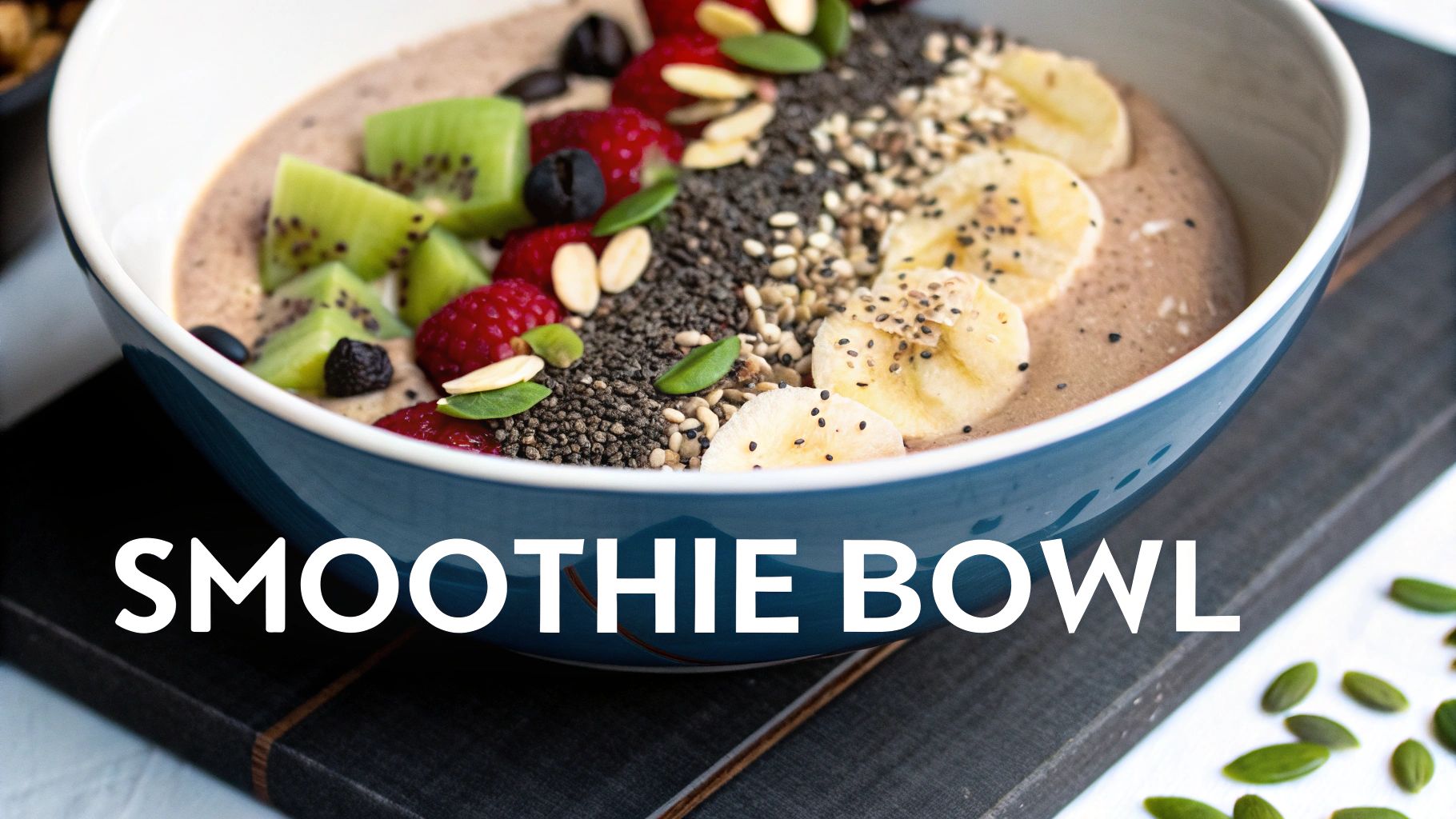
Homemade smoothies and smoothie bowls are a fantastic fast-food alternative, providing a nutrient-dense meal or snack that's quick to prepare and highly customisable. Instead of opting for sugar-laden fast-food milkshakes or commercially prepared smoothies, blending your own with whole fruits, vegetables, protein sources, and healthy fats gives you complete control over the ingredients, ensuring a truly healthy and satisfying option.
This method is incredibly efficient for a quick breakfast or a post-workout refuel. It allows you to pack a significant amount of vitamins, minerals, fibre, and protein into a single, easily digestible serving, making it one of the most convenient healthy alternatives to fast food when you're short on time.
How to Implement Homemade Smoothies
Crafting the perfect smoothie is about balancing flavour, texture, and nutrition. A simple formula can help you get started.
- Follow a Simple Ratio: For a consistently great smoothie, aim for a balance of components. A good starting point is 1 cup of frozen fruit (like berries or mango), ½ cup of liquid (such as almond milk or water), and 1 scoop of a protein source (like protein powder or Greek yoghurt). Add a handful of greens and a spoonful of healthy fats like chia seeds or almond butter for a complete meal.
- Prepare Smoothie Packs: To make your mornings even faster, assemble individual smoothie packs in freezer-safe bags. Portion out your chosen fruits, vegetables (like spinach or kale), and protein powder. When you're ready, just empty the contents into your blender, add liquid, and blend.
- Build a Better Bowl: For a smoothie bowl, use less liquid to create a thicker, creamier base. Frozen bananas or avocado work wonderfully for this. Top your bowl with textures and nutrients like granola, fresh berries, coconut flakes, and a drizzle of honey or maple syrup for a more substantial meal.
Pro-Tip: Freeze your own ripe bananas and berries. This is often more cost-effective than buying pre-frozen fruit and ensures a thick, creamy texture without needing to add ice, which can water down the flavour.
For those looking to perfect their blending technique, you can find more tips in our guide on how to make healthy smoothies. To elevate your blended creations, discover delicious low-sugar high-protein smoothies that are both satisfying and nutritious.
5. Grilled Chicken Breast with Roasted Vegetables
A timeless classic in the world of healthy eating, grilled chicken breast paired with roasted vegetables is a simple, powerful, and delicious alternative to fast food. This combination provides lean protein for muscle repair and satiety, alongside fibre-rich vegetables packed with essential vitamins and minerals. It’s a foundational meal that is both incredibly nutritious and easy to customise to your taste.
This meal is effective because it’s a complete, balanced plate that avoids the excessive fats, sodium, and processed carbohydrates found in typical fast food chicken meals. Instead of a deep-fried coating and salty chips, you get wholesome, flavourful ingredients that fuel your body efficiently, making it a go-to for anyone looking for reliable and healthy alternatives to fast food.
How to Implement Grilled Chicken and Roasted Vegetables
Mastering this meal is about technique and flavour. It’s one of the most accessible healthy meals you can make.
- Customise Your Flavours: The beauty of this meal lies in its versatility. Try a lemon and herb marinade for the chicken with roasted broccoli and carrots, or a Cajun spice rub with roasted sweet potatoes and green beans. An Asian-inspired marinade with sesame seeds and soy sauce pairs perfectly with roasted capsicum and broccoli.
- Perfect the Cook: For juicy, evenly cooked chicken, pound the breast to an even thickness before grilling. A quick 30-minute brine in salt water can also dramatically improve moisture. Use a meat thermometer to ensure it reaches an internal temperature of 75°C (165°F) and let it rest for five minutes before slicing.
- Roast Vegetables Right: For the best results, toss your chopped vegetables (like zucchini, sweet potato, and capsicum) in a light coating of olive oil and your favourite seasonings before spreading them in a single layer on a baking tray. This ensures they roast evenly and develop a delicious caramelised flavour.
Pro-Tip: Buy chicken breast in bulk when it's on sale and freeze it in individual portions. This makes it a highly affordable option, ensuring you always have a healthy meal base ready to go.
This meal is a cornerstone of a healthy diet and a staple in meal prepping routines. For those looking for a perfectly prepared version without the cooking, our menu often features grilled chicken options designed for a nutritious and convenient meal. You can explore our current offerings and find your next healthy favourite by checking out the Absolute Cravings menu.
6. Homemade Buddha Bowls and Nourish Bowls
Buddha bowls, often called nourish bowls, are a vibrant and visually appealing meal-in-a-bowl. They are built on a foundation of grains, layered with a colourful variety of vegetables, a lean protein source, healthy fats, and topped with a delicious dressing. This complete meal provides a powerhouse of nutrients and sustained energy, making it one of the most satisfying and healthy alternatives to fast food.
The beauty of a Buddha bowl lies in its customisation and balance. By combining multiple food groups, you create a meal that is not only nutritionally dense but also incredibly satisfying. It’s an easy way to ensure you're getting a wide range of vitamins, minerals, fibre, and macronutrients in a single, convenient dish.
How to Implement Buddha Bowls
Building the perfect bowl is a creative process focused on combining textures and flavours.
- Choose a Base: Start with a wholesome grain like quinoa, brown rice, farro, or even leafy greens for a lighter option. This provides complex carbohydrates for lasting energy.
- Add Protein and Veggies: Layer on your choice of protein, such as grilled chicken, chickpeas, black beans, or tofu. Pile on a variety of fresh or roasted vegetables like sweet potato, broccoli, capsicum, and cucumber for fibre and micronutrients.
- Finish with Healthy Fats and Dressing: Drizzle with a flavourful dressing, such as a tahini-lemon sauce or a simple vinaigrette. Top with healthy fats like avocado, a sprinkle of seeds (hemp, chia, or pumpkin), or a handful of nuts for added texture and nutrients.
Pro-Tip: Keep the dressing in a separate small container and add it just before eating. This ensures your greens and other ingredients stay crisp and fresh, preventing a soggy lunch.
These versatile bowls are an excellent way to use up leftover ingredients and can be adapted for any meal of the day. For more inspiration on creating balanced and delicious meals, explore our guide to healthy family meal ideas.
7. Slow Cooker and Instant Pot Meals
Slow cookers and Instant Pots are powerful kitchen allies for creating flavourful, tender meals with minimal active preparation time. These appliances do the heavy lifting, simmering ingredients for hours (slow cooker) or cooking them under pressure in minutes (Instant Pot). This "set it and forget it" approach makes them perfect for busy schedules, offering a wholesome, home-cooked meal that rivals the convenience of a drive-through.
The magic of these devices lies in their ability to transform simple, whole-food ingredients into deeply satisfying dishes. By cooking low and slow or fast and hot, they break down tougher cuts of meat into melt-in-your-mouth perfection and meld flavours beautifully. This makes them an outstanding healthy alternative to fast food, delivering comfort and nutrition with very little effort.
How to Implement Slow Cooker and Instant Pot Meals
Getting started is as simple as layering ingredients and pressing a button. These appliances are designed for ease and efficiency.
- Prep in Advance: To make your mornings even smoother, chop your vegetables and measure your spices the night before. You can store everything in a container or a freezer bag in the fridge. In the morning, simply dump the contents into the cooker, turn it on, and head out the door.
- Layer Ingredients Strategically: When using a slow cooker, place tougher, root vegetables like potatoes and carrots at the bottom, closest to the heat source. Place your meat on top, followed by more delicate ingredients. This ensures everything cooks evenly.
- Brown Your Meat First: While not essential, searing meat in a pan before adding it to the slow cooker or using the sauté function on an Instant Pot can dramatically deepen the flavour of your final dish. This caramelisation adds a rich, savoury dimension.
Pro-Tip: Fill your slow cooker between one-half and three-quarters full for the best results. An underfilled cooker may burn your food, while an overfilled one may not cook it through properly. For the Instant Pot, always ensure you have enough liquid to allow it to build pressure.
These appliances are incredibly versatile, perfect for everything from pulled pork and hearty beef stews to flavourful chicken curries and vegetarian chilli. By embracing these tools, you can consistently have a delicious, healthy meal waiting for you after a long day.
8. Stir-Fry and Sauté Meals
Stir-frying is a high-heat cooking technique that quickly combines proteins, vegetables, and aromatic flavours in a wok or large pan. This method allows you to create a restaurant-quality meal at home in under 20 minutes, making it one of the fastest and healthiest alternatives to fast food. By controlling the ingredients, you can pack your meal with fresh vegetables and lean protein while avoiding the excessive sodium and oil often found in takeaway versions.
The beauty of a stir-fry lies in its speed and versatility. A quick sauté preserves the crispness and nutritional value of the vegetables, resulting in a vibrant, flavourful, and satisfying dish. It’s the perfect solution for busy weeknights when you crave something delicious but don't want to compromise on your health goals.
How to Implement Stir-Fry and Sauté Meals
Mastering the stir-fry is all about preparation and timing. Having everything ready to go is the key to success.
- Prepare Your Ingredients (Mise en Place): Before you even turn on the heat, chop all your vegetables, cube your protein, and mix your sauce. Popular combinations include beef and broccoli with a garlic-ginger sauce, chicken with mixed vegetables and teriyaki, or a tofu stir-fry with snap peas and coconut aminos.
- Cook in Order: Start by searing your protein (like chicken, beef, or shrimp) over high heat until browned, then remove it from the pan. Add your vegetables in order of cooking time, starting with harder veggies like carrots and broccoli before adding softer ones like capsicum and mushrooms.
- Combine and Serve: Once the vegetables are tender-crisp, return the protein to the pan, add your pre-made sauce, and toss everything together to coat. Serve immediately over brown rice, quinoa, or noodles for a complete, nutritious meal.
Pro-Tip: Ensure your protein is patted dry with a paper towel before cooking to achieve a perfect sear. Also, avoid overcrowding the pan, as this will steam the ingredients instead of frying them. Cook in batches if necessary.
9. Homemade Salads with Protein and Healthy Fats
Reimagining the salad as a substantial, complete meal is one of the most effective healthy alternatives to fast food. Unlike the often disappointing, dressing-drenched side salads from takeaway chains, a homemade power salad is packed with leafy greens, a variety of colourful vegetables, quality protein, and sources of healthy fats to keep you full and energised for hours.
This approach transforms the humble salad into a nutritional powerhouse. By carefully selecting your components, you create a balanced meal that delivers complex carbohydrates, lean protein, and essential fatty acids, completely sidestepping the empty calories and high sodium typical of fast-food options.
How to Implement Homemade Salads
Building a satisfying salad that works as a full meal is about layering flavours, textures, and nutrients.
- Build a Balanced Bowl: A successful meal-worthy salad needs more than just lettuce. Start with a base of dark leafy greens (like rocket, spinach, or kale), add a variety of chopped vegetables (such as capsicum, cucumber, and cherry tomatoes), include a significant protein source (grilled chicken, chickpeas, salmon, or a hard-boiled egg), and finish with a healthy fat (avocado, nuts, or seeds).
- Keep Components Separate: To avoid a soggy mess, especially when packing for lunch, store your ingredients separately. Use a container with dividers or pack the dressing in a small, separate jar. Add the dressing and any crunchy toppings like seeds or croutons just before you're ready to eat.
- Batch Prep Ingredients: Streamline your salad assembly by preparing components in advance. Wash and chop your veggies, cook a batch of protein like chicken or quinoa, and mix a jar of homemade vinaigrette. With these ready to go, you can assemble a fresh salad in minutes.
Pro-Tip: To keep your greens crisp, wash and dry them thoroughly before storing them in the fridge. Placing a paper towel in the container or bag can help absorb excess moisture, extending their freshness for several days.
Creating these salads at home gives you complete control over the quality of ingredients and portion sizes, making them a superior choice for a quick, healthy meal. It's a simple yet powerful way to nourish your body without compromise.
10. Whole Grain Bread-Based Meals: Sandwiches and Wraps
The classic sandwich or wrap, when thoughtfully constructed, is a powerful and convenient healthy alternative to fast food. By using whole grain bread or tortillas as a foundation and filling them with nutrient-dense ingredients like lean proteins, fresh vegetables, and flavourful spreads, you can create a satisfying, portable meal that far surpasses its fast-food counterparts in nutritional value.
This approach offers the same handheld convenience as a drive-through burger but delivers a balanced mix of complex carbohydrates, protein, and fibre. It's the perfect solution for busy workdays, school lunches, or any time you need a quick, no-fuss meal that keeps you energised and full without the post-meal slump associated with processed options.
How to Implement Healthy Sandwiches and Wraps
Building a better sandwich or wrap is all about smart layering and fresh ingredients.
- Choose a Quality Base: Opt for 100% whole grain or wholemeal bread, sprouted grain bread, or whole wheat tortillas. These provide more fibre and nutrients than refined white bread, supporting sustained energy release.
- Layer Lean Proteins and Veggies: Load your creation with ingredients like grilled chicken, turkey breast, tinned tuna in springwater, or plant-based options like chickpeas or hummus. Pile on the veggies for crunch, flavour, and vitamins. Think lettuce, spinach, capsicum, cucumber, tomato, and avocado.
- Assemble for Freshness: To avoid a soggy meal, toast the bread slightly. Apply spreads like hummus, mustard, or avocado first to create a moisture barrier between the bread and wetter ingredients. Pack moisture-rich items like sliced tomatoes separately if you're not eating it right away.
Pro-Tip: Prepare your fillings the night before. Chop vegetables, mix your tuna or egg salad, and have your protein ready to go. This makes morning assembly take just a couple of minutes, ensuring you never have to leave home without a healthy lunch.
By taking control of the ingredients, you turn a simple sandwich into a delicious and wholesome meal. This method proves that healthy alternatives to fast food can be both incredibly easy and genuinely satisfying.
Comparison of 10 Healthy Alternatives to Fast Food
| Option | 🔄 Complexity | ⚡ Speed & Resources | 📊 Expected Outcomes | 💡 Ideal Use Cases | ⭐ Key Advantages |
|---|---|---|---|---|---|
| Meal Prep and Batch Cooking | Moderate upfront planning; 2–3 hr prep | High initial resource use (time, containers); low weekday effort (15–30 min) | Consistent healthy meals; lower cost; less waste | Busy weeks, fitness meal plans, budget-conscious households | Saves weekly time; portion control; cost-effective |
| Mediterranean Diet Bowls | Moderate (multiple components) | Medium prep; fresh ingredients can be costly | Heart-healthy, high-fiber, balanced macros | Long-term health, weight management, nutrient-focused meals | Scientifically backed; nutrient-dense; flavorful |
| Sheet Pan Dinners | Low (simple assembly; timing coordination) | Fast assembly (10–15 min); oven time 25–40 min; minimal cleanup | Balanced, whole-food meals with minimal dishes | Weeknight dinners, beginners, low-cleanup needs | Quick to assemble; customizable; minimal cleanup |
| Homemade Smoothie Bowls & Drinks | Low (blender required) | Very fast (3–5 min); needs blender and frozen produce | Portable, nutrient-dense snacks; potential for high sugar if not managed | On-the-go breakfasts, post-workout, quick snacks | Extremely quick; portable; highly customizable |
| Grilled Chicken Breast + Roasted Vegetables | Low (basic cooking skills) | Moderate cook time (20–30 min); affordable ingredients | High-protein, satiating, low-calorie meals | Fitness meals, simple weeknights, meal prep | Affordable; high protein; versatile seasonings |
| Buddha / Nourish Bowls | Moderate–High (many components) | Requires multiple prepped ingredients; more costly | Nutritionally complete, satisfying, visually varied | Plant-forward diets, balanced single-meal solutions, variety seekers | Complete nutrition; highly customizable |
| Slow Cooker & Instant Pot Meals | Low active complexity; appliance required | Low active time; longer hands-off cook; energy-efficient | Tender, flavorful batch meals ready on demand | Busy schedules, batch cooking, set-and-forget dinners | Hands-off cooking; budget-friendly; one-pot cleanup |
| Stir-Fry & Sauté Meals | Moderate (high-heat technique) | Very fast (15–20 min); stovetop and minimal oil | Nutrient-retaining, fresh-tasting meals | Quick dinners, using up vegetables, high-flavor needs | Fast; preserves vegetable texture; restaurant-quality results |
| Homemade Salads with Protein & Healthy Fats | Moderate (multiple components) | Quick assembly if prepped; refrigerated transport may be needed | Nutrient-dense, low-calorie, portable meals | Lunches, light dinners, nutrient-focused eating | High micronutrient density; customizable; quick to assemble |
| Whole Grain Sandwiches & Wraps | Low (simple assembly) | Very fast (5–10 min); needs quality bread and fillings | Portable, balanced meals; cost-effective per serving | On-the-go lunches, packed meals, quick breakfasts | Portable; fast to make; versatile and budget-friendly |
Your Next Meal: Healthy, Delicious, and On Your Terms
Navigating the world of food choices can often feel like a compromise between what's quick, what's healthy, and what's delicious. For too long, the convenience of fast food has come at the cost of nutrition, leaving many of us feeling sluggish and unsatisfied. However, as we've explored throughout this guide, the landscape of quick meals is vast and vibrant, filled with nourishing possibilities that put you firmly in control of your health and well-being. The journey away from the drive-through isn't about restriction; it's about empowerment and rediscovery.
The ten healthy alternatives to fast food we've detailed-from the strategic efficiency of meal prepping and sheet pan dinners to the creative freedom of Buddha bowls and homemade salads-are more than just recipes. They represent a fundamental shift in how we approach our meals. They are frameworks for building a sustainable, enjoyable, and health-forward lifestyle that fits seamlessly into the busiest of schedules. By embracing these strategies, you are not just changing what you eat; you are changing your relationship with food itself.
Key Takeaways: Redefining "Fast" Food
Let's distill the core principles that tie all these fantastic alternatives together. Mastering these concepts is the key to making lasting changes that feel effortless rather than burdensome.
- Convenience is What You Create: True convenience isn't found in a paper bag. It’s found in a well-stocked pantry, a strategically prepped fridge, and a repertoire of go-to 20-minute meals. The initial investment of time in batch cooking or organising your kitchen pays dividends all week long, saving you from last-minute decisions you might later regret.
- Nutrient Density is the Goal: Unlike the empty calories common in traditional fast food, each alternative we've discussed focuses on nutrient density. This means packing your meals with vitamins, minerals, fibre, lean protein, and healthy fats. This approach not only fuels your body effectively but also provides greater satiety, keeping cravings at bay.
- Flavour Comes from Whole Foods: Forget artificial flavours and excessive sodium. The rich, complex tastes in a Mediterranean bowl, the caramelised goodness of roasted vegetables, or the fresh zest of a homemade stir-fry all come from real, whole ingredients. You are training your palate to appreciate authentic flavour, making processed options seem far less appealing over time.
Your Actionable Path Forward
Moving from inspiration to implementation is the most crucial step. You don't need to overhaul your entire diet overnight. The most sustainable changes are built incrementally, one delicious meal at a time.
- Choose One New Habit: Don't try to master all ten alternatives at once. This week, pick just one that genuinely excites you. Is it the "set it and forget it" appeal of a slow cooker meal? Or the colourful, Instagram-worthy allure of a smoothie bowl? Focus your energy there.
- Schedule Your "Cook" Time: Look at your calendar and block out a specific time to shop and prepare your chosen meal. Treating it with the same importance as any other appointment makes it far more likely to happen.
- Embrace Imperfection: Your first homemade Buddha bowl might not look perfect. Your initial attempt at a sheet pan dinner might have one slightly overcooked vegetable. That's perfectly fine. The goal is progress, not perfection. Every attempt is a learning opportunity that makes the next one even better.
Ultimately, choosing healthy alternatives to fast food is an act of self-care. It's a declaration that your energy, your health, and your long-term vitality are worth the small effort it takes to plan and prepare a nourishing meal. Whether you’re a busy professional in Townsville, a tourist exploring our beautiful region, or simply someone looking to feel their best, these strategies provide the toolkit you need. And for those days when even a simple stir-fry feels out of reach, remember that healthy, convenient help is always available.
When your schedule is tight but your commitment to health is strong, let Absolute Cravings be your go-to solution in Townsville. We craft delicious, wholesome meals, smoothies, and juices that serve as the perfect healthy alternative to fast food, available for pickup at our pet-friendly cafe or delivered right to your door. Explore our menu and reclaim your time without compromising on nutrition at Absolute Cravings.


