You've crushed your workout, pushed your limits, and now the real work begins: recovery. What you eat in the hours after training can make the difference between achieving your fitness goals and feeling perpetually sore and fatigued. Effective muscle recovery isn't just about downing a protein shake; it's a strategic process of replenishing energy stores, repairing damaged muscle fibres, and reducing inflammation.
The right combination of macronutrients and micronutrients acts as the construction crew for your body, rebuilding tissues stronger than before. This process relies heavily on key nutrients to synthesise new muscle protein. Understanding the building blocks of this repair, such as essential amino acids for muscle recovery, deepens your appreciation for post-workout nutrition and why specific foods are so effective.
This guide will explore the top 10 best foods for muscle recovery, moving beyond generic advice to provide a detailed roadmap for optimising your nutrition. We'll break down the science behind each food, offer practical tips, and show you how to build the perfect recovery meal. We will transform your post-workout refuel from an afterthought into a powerful tool for progress. Whether you're a seasoned athlete or just starting your fitness journey, understanding these nutritional powerhouses is key to unlocking your full potential.
1. Greek Yogurt
Greek yogurt is a powerhouse for muscle repair and one of the best foods for muscle recovery available. Its thick, creamy texture is a result of straining out excess whey, which concentrates its protein content significantly. This process results in a product packed with both fast-digesting whey and slow-digesting casein proteins, providing a sustained release of amino acids to your tired muscles.
This dual-protein action is crucial post-exercise. Whey gets to work quickly, kick-starting the muscle repair process, while casein provides a steady stream of nutrients for several hours, preventing muscle breakdown. This combination effectively supports muscle protein synthesis and aids in rebuilding damaged fibres.
How to Use Greek Yogurt for Recovery
To maximise its benefits, aim for a serving within 30-60 minutes after your workout. This timing helps replenish depleted glycogen stores and delivers protein when your muscles are most receptive to nutrient uptake.
- Serving Size: A typical serving of 150-200 grams provides an impressive 15-20 grams of high-quality protein.
- Optimal Pairing: Combine plain, unsweetened Greek yogurt with a source of carbohydrates, like fresh berries or a sprinkle of granola. This pairing replenishes muscle glycogen and enhances protein absorption.
- Quick Meal Idea: For a fast and effective recovery meal, blend Greek yogurt into a smoothie. It adds a creamy texture and a significant protein boost. For inspiration on creating the perfect post-workout blend, check out these delicious protein smoothie recipes.
The live probiotics found in Greek yogurt also support gut health, which is essential for efficiently absorbing all the vital nutrients your body needs to recover.
2. Chicken Breast
Chicken breast is a foundational food for muscle recovery, celebrated for its incredibly lean and high-quality protein profile. It stands out by providing a complete spectrum of essential amino acids, the fundamental building blocks your body needs to repair and synthesise new muscle tissue after strenuous exercise. With approximately 31 grams of protein per 100-gram serving and minimal fat, it's an efficient and powerful choice for post-workout nutrition.
Its lean nature makes it one of the best foods for muscle recovery because it delivers pure protein without excess calories. This allows for targeted muscle repair and growth while making it easier to manage overall body composition, a key reason it is a staple for athletes and fitness professionals worldwide.
How to Use Chicken Breast for Recovery
For optimal results, consume a portion of chicken breast within a couple of hours following your workout to supply your muscles with the necessary amino acids for repair. Cooking in advance makes it a convenient option. For more tips on preparing meals ahead of time, check out our guide on how to meal prep effectively.
- Serving Size: A 100-150 gram serving provides a substantial 30-45 grams of protein, hitting the ideal post-workout target.
- Optimal Pairing: Combine grilled or baked chicken with a complex carbohydrate like sweet potato or brown rice. This combination replenishes depleted glycogen stores and supports protein uptake.
- Quick Meal Idea: A simple chicken and vegetable stir-fry is a fast and nutrient-dense recovery meal. Use a variety of colourful vegetables to boost your intake of vitamins and antioxidants, which help reduce inflammation.
To keep it healthy, opt for cooking methods like grilling, baking, or poaching instead of frying. Marinating the chicken beforehand not only adds flavour but also helps to keep it moist and tender.
3. Salmon
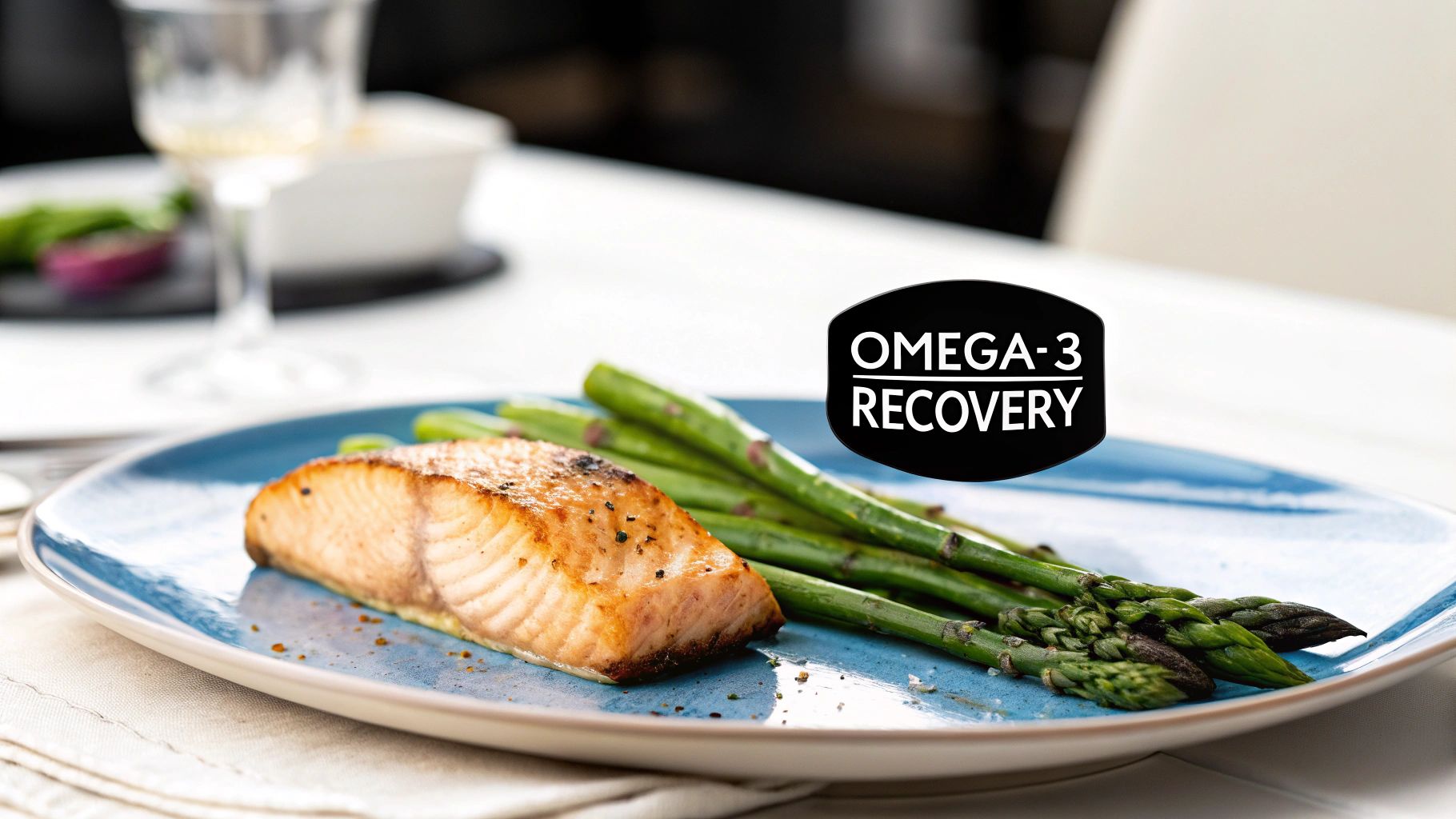
Salmon is a formidable choice when considering the best foods for muscle recovery, celebrated for its potent combination of high-quality protein and powerful anti-inflammatory fats. A single 100-gram serving delivers around 25 grams of complete protein, providing all the essential amino acids your body needs to repair and rebuild muscle fibres that have been broken down during exercise.
Beyond its protein content, salmon is rich in omega-3 fatty acids, specifically EPA and DHA. These healthy fats are crucial for combating exercise-induced inflammation, which can help reduce delayed onset muscle soreness (DOMS) and speed up your recovery time. This unique nutrient profile makes salmon a favourite among Olympic athletes and a cornerstone of recovery-focused nutrition plans.
How to Use Salmon for Recovery
Incorporating salmon into your post-workout meal can significantly enhance recovery by addressing both muscle repair and inflammation. For optimal benefits, aim to consume it within a few hours of finishing your training session.
- Serving Size: A 150-gram fillet is an ideal portion, providing a substantial dose of protein and omega-3s.
- Optimal Pairing: Pair your salmon with a complex carbohydrate like sweet potato or quinoa and a generous serving of green vegetables, such as asparagus or broccoli. This creates a balanced meal that replenishes glycogen stores while delivering essential micronutrients.
- Quick Meal Idea: For a simple yet effective recovery meal, flake a baked salmon fillet over a bed of mixed greens with a lemon-dill vinaigrette. For those needing a convenient and delicious option, our chefs at Absolute Cravings prepare stunning salmon dishes, perfect for a nourishing post-exercise refuel. Explore our catering menu for healthy, chef-prepared meals.
Choosing wild-caught salmon when possible can offer a superior nutrient profile, and preparing it by baking or grilling helps to preserve its delicate omega-3 fats.
4. Eggs
Eggs are a complete protein powerhouse and one of the most cost-effective and best foods for muscle recovery. A single whole egg provides around 6 grams of high-quality protein, containing all nine essential amino acids necessary for repairing and rebuilding muscle tissue. This makes them an incredibly efficient choice for kick-starting the recovery process after a strenuous workout.
The whole egg is a nutritional goldmine. The yolk contains healthy fats, vitamins, and beneficial compounds like choline, which supports brain function, while the white offers pure protein. This combination ensures your body receives a comprehensive nutrient profile, aiding not just muscle repair but overall bodily function. Their versatility makes them a staple for everyone from elite athletes to casual gym-goers.
How to Use Eggs for Recovery
For optimal results, consume eggs within an hour or two following your exercise session. This timing helps to rapidly deliver essential amino acids to your muscles when they are primed for nutrient absorption, maximising repair and growth.
- Serving Size: Two to three whole eggs are an ideal serving, providing a solid 12-18 grams of complete protein to support muscle protein synthesis.
- Optimal Pairing: Combine eggs with a source of complex carbohydrates, such as whole-grain toast or a side of roasted vegetables. This pairing helps replenish glycogen stores and provides sustained energy.
- Quick Meal Idea: A simple vegetable omelette is a fantastic recovery meal. For a quick and delicious option, try our Ham, Cheese, and Tomato Omelette, which can be delivered right to your door when you need a fast, nutritious post-workout refuel.
5. Sweet Potatoes
Sweet potatoes are a fundamental carbohydrate source for muscle recovery, prized for their ability to efficiently replenish depleted muscle glycogen stores after strenuous exercise. Their complex carbohydrates provide a sustained energy release thanks to a lower glycaemic index compared to white potatoes, preventing energy spikes and crashes. This makes them one of the best foods for muscle recovery.
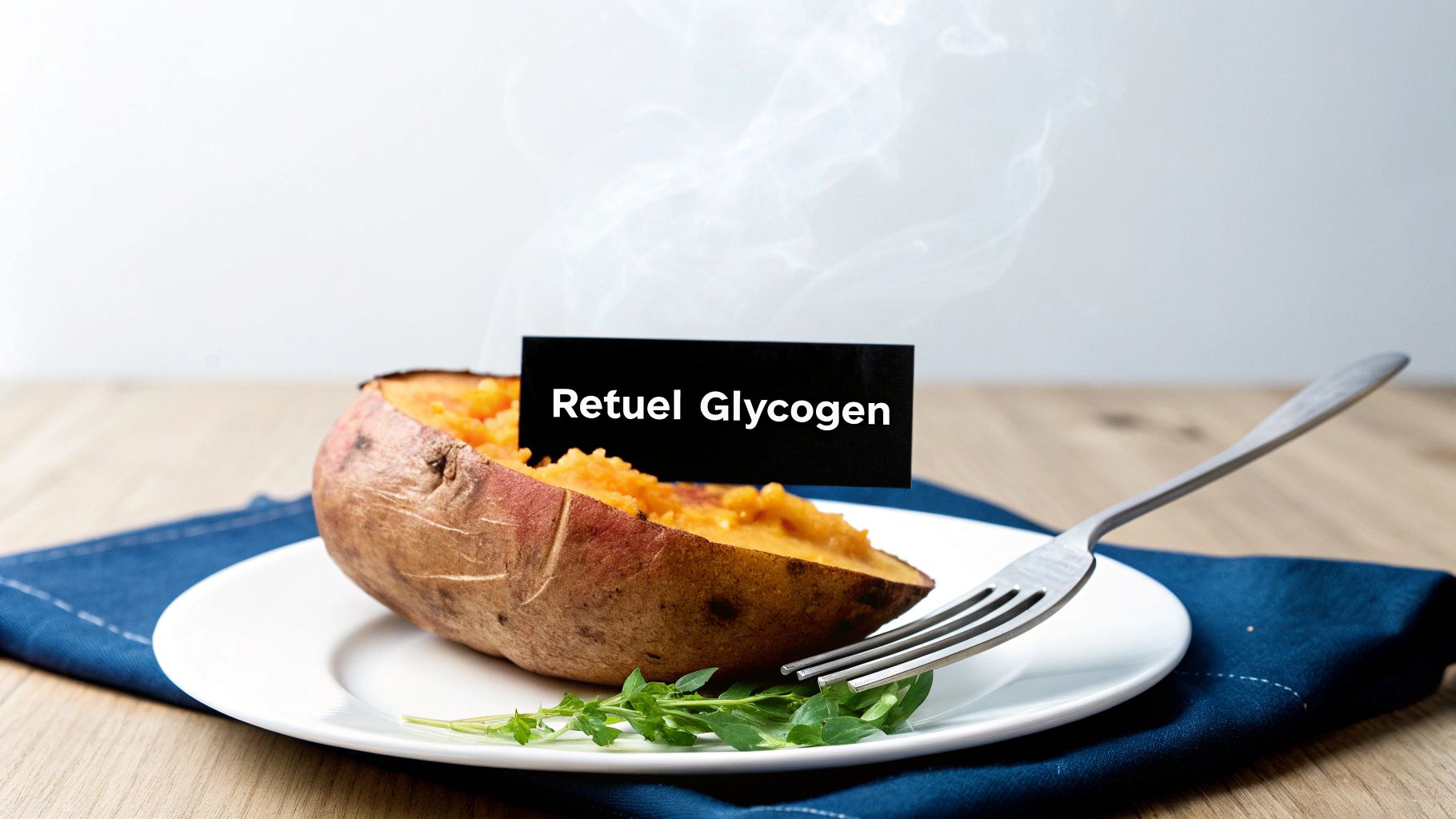
Beyond just carbohydrates, sweet potatoes are rich in nutrients that aid the recovery process. They are packed with beta-carotene, a powerful antioxidant that helps combat exercise-induced oxidative stress. Additionally, they are an excellent source of potassium, an electrolyte crucial for proper muscle function and hydration, as well as manganese, which plays a role in bone health and metabolism.
How to Use Sweet Potatoes for Recovery
To effectively restock your energy reserves, consume sweet potatoes within 30-60 minutes post-workout. This is the optimal window when your muscles are primed to absorb nutrients and begin the glycogen resynthesis process, which is vital for preparing your body for the next training session.
- Serving Size: A medium-sized sweet potato (around 150-200 grams) provides a substantial portion of the complex carbohydrates needed for recovery.
- Optimal Pairing: Combine sweet potatoes with a high-quality protein source to create a complete recovery meal. The protein aids in muscle repair, while the carbohydrates from the sweet potato enhance protein absorption.
- Quick Meal Idea: For a simple and satisfying meal, pair a baked sweet potato with grilled chicken breast or fish. You could also create a nutritious sweet potato and black bean bowl for a plant-based option.
6. Blueberries
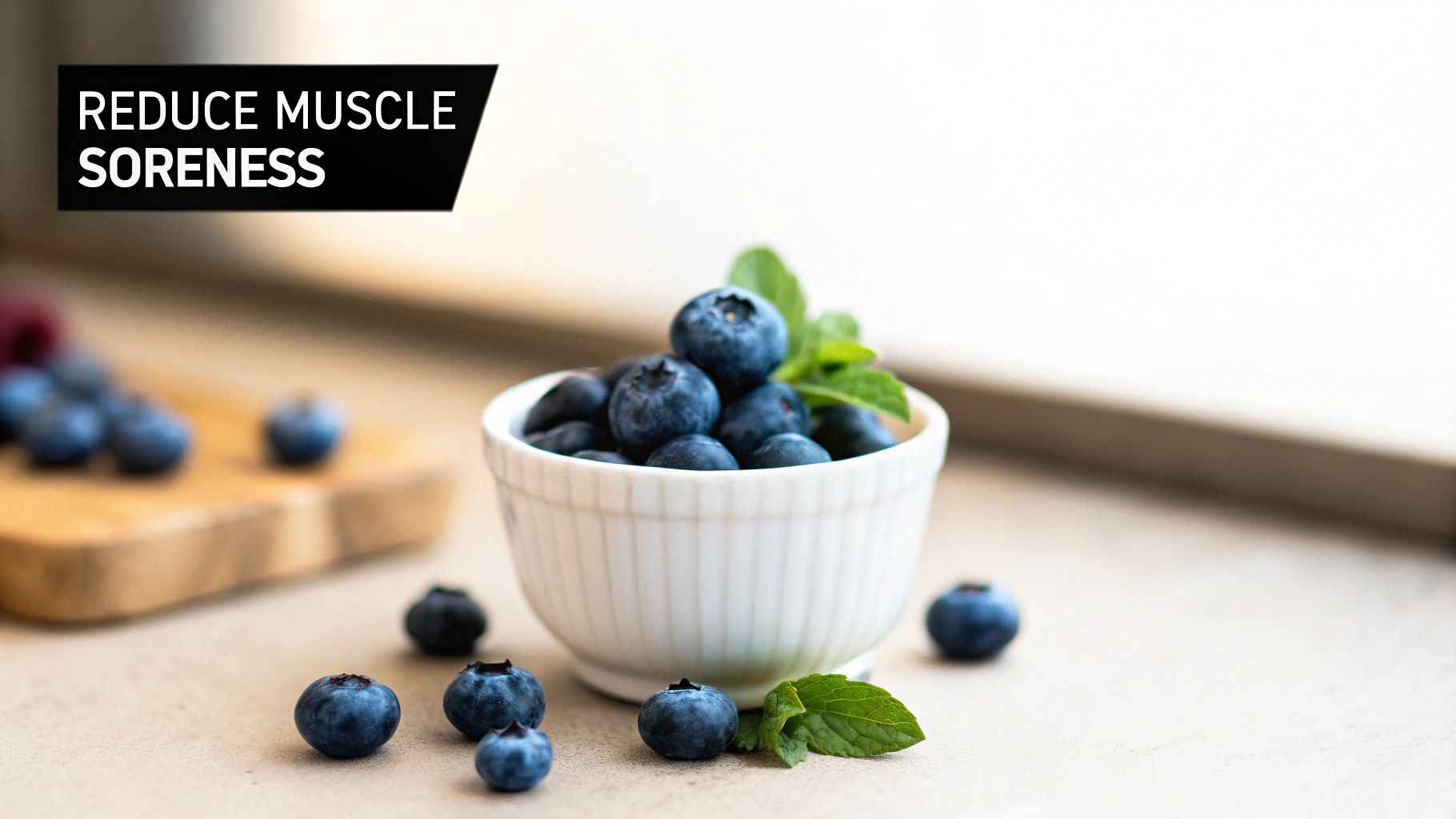
Blueberries are more than just a sweet treat; they are a superfruit that ranks among the best foods for muscle recovery. Their vibrant colour comes from anthocyanins, powerful antioxidants that are key to their recovery benefits. These compounds combat exercise-induced oxidative stress and inflammation, directly targeting the cellular damage that occurs during intense physical activity.
This antioxidant action helps to significantly reduce muscle soreness and inflammation. Research has shown that consuming blueberries can accelerate the repair of muscle tissue and lessen the severity of delayed onset muscle soreness (DOMS), allowing you to return to your training sooner and with less discomfort.
How to Use Blueberries for Recovery
Incorporate blueberries into your post-workout meal or snack to take full advantage of their anti-inflammatory properties. Consuming them within an hour of finishing your exercise helps your body start the recovery process on the right foot.
- Serving Size: Aim for about 1 to 1.5 cups (around 150-225 grams) post-workout to get an effective dose of anthocyanins.
- Optimal Pairing: Combine blueberries with a high-quality protein source like Greek yogurt or protein powder. The carbohydrates in the berries will help drive the protein into your muscles.
- Quick Meal Idea: Blueberries are a perfect addition to a recovery smoothie. Their natural sweetness and nutrient profile make them a staple ingredient. For tips on creating a balanced post-workout drink, you can explore how to make delicious and healthy smoothies.
A practical tip is to buy frozen blueberries. They retain their nutritional value, are often more affordable, and are ideal for blending into a cold, refreshing smoothie.
7. Brown Rice
Brown rice is a stellar whole-grain carbohydrate and an excellent food for muscle recovery, particularly for replenishing energy stores. As a complex carbohydrate, it provides a slow and steady release of energy, which is crucial for restoring the muscle glycogen depleted during intense exercise. This sustained energy supply helps prevent post-workout energy crashes and supports the overall recovery process.
Unlike its refined counterpart, white rice, brown rice retains its bran and germ, making it richer in fibre, vitamins, and minerals. It is a fantastic source of magnesium, which plays a key role in muscle function and protein synthesis, and B vitamins, which are essential for energy metabolism. This nutrient density makes it a superior choice for athletes and fitness enthusiasts looking to optimise their recovery nutrition.
How to Use Brown Rice for Recovery
Consuming carbohydrates alongside protein after a workout is vital for effective recovery. Brown rice serves as the perfect carbohydrate component to refuel your muscles and support repair. To get the most out of your brown rice as a key carbohydrate source for recovery, learn how to cook rice perfectly every time.
- Serving Size: Aim for 1-2 cups (cooked) post-workout, providing a substantial 45-90 grams of carbohydrates to kick-start glycogen replenishment.
- Optimal Pairing: Pair brown rice with a lean protein source like grilled chicken, salmon, or tofu. This combination creates a complete meal that provides both the energy and the amino acids needed for muscle repair.
- Quick Meal Idea: Prepare a large batch of brown rice at the start of the week. For a quick recovery meal, simply reheat a portion and top it with a can of tuna, some steamed vegetables, and a drizzle of soy sauce.
8. Cottage Cheese
Cottage cheese is a classic among athletes and a secret weapon for overnight muscle repair. Its unique composition, primarily made of slow-digesting casein protein, makes it one of the best foods for muscle recovery while you sleep. This protein forms a gel in the stomach, leading to a gradual and sustained release of amino acids into the bloodstream over several hours.
This slow-drip feed of nutrients is perfect for preventing muscle protein breakdown during the long fasting period of sleep. By consuming cottage cheese before bed, you provide your body with a steady supply of building blocks to repair and grow muscle tissue, ensuring you wake up feeling more recovered and less sore. It's also a fantastic source of calcium, crucial for bone health and muscle function.
How to Use Cottage Cheese for Recovery
Timing is key with cottage cheese. Consuming it 30-60 minutes before bedtime capitalises on its slow-release properties, fuelling your muscles throughout the night.
- Serving Size: A 150-200 gram serving typically delivers a substantial 15-25 grams of high-quality casein protein.
- Optimal Pairing: For a balanced pre-sleep snack, mix it with a handful of almonds or walnuts. The healthy fats can further slow digestion and enhance nutrient absorption. A small amount of fruit like berries can also be added.
- Quick Meal Idea: Simply top a bowl of cottage cheese with a drizzle of honey and some sliced fruit for a delicious and effective recovery snack. For a more substantial option, it can be blended into high-protein pancakes.
9. Tart Cherry Juice
Tart cherry juice has emerged as a specialised recovery aid, celebrated for its potent anti-inflammatory properties. Its power lies in a high concentration of anthocyanins, powerful antioxidants that help combat exercise-induced oxidative stress and inflammation. This makes it one of the most effective foods for muscle recovery, particularly after strenuous or high-impact activities.
Scientific studies have consistently shown that consuming tart cherry juice can significantly reduce the severity of delayed onset muscle soreness (DOMS). It works by mitigating muscle damage and speeding up the repair process, allowing athletes to return to training faster and with less discomfort. This benefit is particularly valuable for endurance athletes like runners and cyclists who undergo repetitive muscle strain.
How to Use Tart Cherry Juice for Recovery
For maximum effect, integrate tart cherry juice into your routine both before and after intense exercise sessions. Consistent consumption over several days surrounding a major event or workout period yields the best results.
- Serving Size: Aim for one to two servings of 240-350 ml per day.
- Optimal Pairing: Since it's primarily a source of carbohydrates and antioxidants, consider consuming it alongside a protein source, like a handful of almonds or a scoop of protein powder, to support muscle protein synthesis.
- Quick Meal Idea: Blend tart cherry juice with Greek yogurt, a banana, and a touch of honey for a comprehensive recovery smoothie that tackles inflammation, replenishes glycogen, and provides essential protein for muscle repair.
10. Lean Ground Turkey
Lean ground turkey is an exceptional choice for muscle recovery, offering a powerful protein punch with significantly less fat than many other ground meats. It's a favourite among athletes and fitness enthusiasts looking to build and repair muscle tissue while maintaining a lean physique. This makes it one of the best foods for muscle recovery, especially for those mindful of their caloric intake.
The high protein content, approximately 29 grams per 100g serving, provides the essential amino acids needed to rebuild muscle fibres that have been broken down during exercise. Beyond protein, it is also a fantastic source of B vitamins, selenium, and phosphorus. These micronutrients play a vital role in energy production and cellular repair, directly supporting the body's recovery processes after a tough training session.
How to Use Lean Ground Turkey for Recovery
For optimal results, incorporate lean ground turkey into a meal within a few hours post-workout to supply your muscles with the building blocks they need. Its versatility makes it easy to add to your meal prep routine.
- Serving Size: A 100-150 gram portion is ideal for a post-workout meal, providing a substantial amount of high-quality protein to kickstart recovery.
- Optimal Pairing: Combine it with a complex carbohydrate like brown rice or sweet potato and a serving of green vegetables. This balanced meal will replenish glycogen stores, provide fibre, and deliver sustained energy.
- Quick Meal Idea: For a simple and effective recovery meal, prepare turkey meatballs ahead of time. Serve them with a side of steamed vegetables for a nutrient-dense option that’s ready in minutes. You can also brown the mince with minimal oil to preserve its lean qualities.
Top 10 Muscle-Recovery Foods Comparison
| Item | Preparation Complexity 🔄 | Resources & Cost ⚡ | Expected Recovery Impact 📊 | Ideal Use Cases 💡 | Key Advantages ⭐ |
|---|---|---|---|---|---|
| Greek Yogurt | Low 🔄 | Low cost, portable ⚡⚡ | High protein + gut support 📊📊 | Quick post-workout snack; smoothies | ⭐ High protein; probiotics; versatile |
| Chicken Breast | Medium 🔄🔄 | Low cost, widely available ⚡⚡⚡ | Very high protein for muscle repair 📊📊📊 | Main meal, meal prep, bodybuilding | ⭐ Highest protein-to-calorie; versatile |
| Salmon | Medium 🔄🔄 | Moderate–high cost, perishable ⚡⚠ | High protein + anti-inflammatory ω-3s 📊📊📊 | Recovery meals to reduce DOMS; joint support | ⭐ Omega-3s; antioxidant-rich; nutrient-dense |
| Eggs | Low 🔄 | Very low cost, widely available ⚡⚡⚡ | Good bioavailable complete protein 📊📊 | Quick post-workout or breakfast; meal prep | ⭐ Complete amino acids; affordable |
| Sweet Potatoes | Medium 🔄🔄 | Low cost, requires cooking ⚡⚡ | Excellent glycogen replenishment 📊📊📊 | Post-workout carb source; pair with protein | ⭐ Complex carbs; beta‑carotene; potassium |
| Blueberries | Low 🔄 | Moderate cost, fresh/frozen options ⚡⚡ | Strong antioxidant effect; reduces DOMS 📊📊 | Smoothies; with yogurt; anti-inflammatory snack | ⭐ High anthocyanins; reduces muscle soreness |
| Brown Rice | Medium 🔄🔄 | Low cost, pantry staple ⚡⚡⚡ | Sustained carbs & stable blood sugar 📊📊 | Post-workout bowls; endurance recovery | ⭐ Complex carbs; more micronutrients than white rice |
| Cottage Cheese | Low 🔄 | Low–moderate cost, perishable ⚡⚡ | Slow-digesting casein for overnight recovery 📊📊 | Pre-sleep protein; snack; meal add-on | ⭐ Casein-rich; satiety; cost-effective |
| Tart Cherry Juice | Low 🔄 | Higher cost, ready-to-drink ⚡⚠ | Clinically shown to reduce DOMS 20–50% 📊📊📊 | Endurance events; 24–48h post-exercise protocols | ⭐ Anthocyanins + melatonin; improves sleep/recovery |
| Lean Ground Turkey | Medium 🔄🔄 | Low cost, widely available ⚡⚡⚡ | High protein for lean muscle maintenance 📊📊 | Meal prep; quick high-protein meals | ⭐ High protein-to-fat ratio; quick cooking |
Building Your Ultimate Recovery Plate
Navigating the world of post-workout nutrition can feel complex, but the foundation of effective recovery is remarkably straightforward. As we've explored, the journey back to peak performance is paved with smart, intentional food choices. The power lies not in a single "superfood," but in the strategic combination of high-quality protein, complex carbohydrates, and potent anti-inflammatory compounds. Mastering this synergy is the key to unlocking faster, more efficient muscle repair.
The list of best foods for muscle recovery we've detailed, from protein-packed chicken breast and salmon to carbohydrate-rich sweet potatoes and brown rice, provides the essential building blocks. Think of each food as a tool in your recovery toolkit. Your goal is to assemble them into a comprehensive system that supports your body's needs after strenuous activity. This means looking beyond individual ingredients and focusing on creating complete, balanced recovery plates.
Key Takeaways for Optimal Recovery
To truly harness the benefits of these foods, shift your mindset from simply eating to actively refuelling. Here are the core principles to remember:
- Prioritise Protein: Protein is non-negotiable for repairing the microscopic muscle tears caused by exercise. Aim to include a high-quality source like eggs, Greek yogurt, or lean turkey in your post-workout meal to kickstart the muscle protein synthesis process.
- Replenish with Complex Carbs: Your muscles' primary fuel source, glycogen, is depleted during a workout. Consuming complex carbohydrates like sweet potatoes or brown rice within a few hours of training is crucial for restocking these energy stores.
- Fight Inflammation Naturally: Intense exercise creates inflammation. Incorporating foods rich in antioxidants and anti-inflammatory compounds, such as blueberries, salmon, and tart cherry juice, can help manage this response, reduce soreness, and speed up recovery time.
Building Your Action Plan
The real transformation happens when you consistently apply this knowledge. Start by planning one or two post-workout meals for the week ahead. A simple yet powerful combination could be a bowl of cottage cheese mixed with blueberries or a grilled chicken breast served alongside a baked sweet potato. The goal is to make these choices a seamless part of your routine.
By consistently fuelling your body with these top-tier recovery foods, you are doing more than just alleviating post-workout aches. You are investing in your long-term athletic performance, building a more resilient physique, and ensuring your body is always primed and ready for the next challenge you set for it. Your plate is your primary tool for building strength, one well-planned meal at a time.
Ready to put these principles into practice without the hassle of meal prep? The team at Absolute Cravings has expertly crafted a menu full of nutrient-dense meals and smoothies designed to support your active lifestyle in Townsville. Order a delicious, recovery-focused meal today and let us handle the refuelling for you. Find your perfect post-workout meal at Absolute Cravings.


