Hormones are the body's chemical messengers, orchestrating everything from mood and metabolism to energy and reproduction. When they fall out of sync, the effects can ripple through your entire well-being, leading to fatigue, irritability, weight fluctuations, and persistent health challenges. The good news is that the key to recalibrating this delicate system is often found right on your plate. Nutrition provides a powerful lever for influencing hormonal health, delivering the essential building blocks your body needs to produce, metabolise, and balance these critical signals effectively.
This guide moves beyond generic advice to explore the best foods for hormonal balance, focusing on the specific nutrients and compounds that support key pathways. We'll examine how certain foods aid estrogen detoxification, support thyroid function, and stabilise blood sugar, which is crucial for managing stress hormones like cortisol. Controlling sugar intake is paramount; finding effective strategies for managing sugar cravings is a foundational step in supporting your wellness journey.
Forget restrictive diets. Instead, this listicle offers a practical roadmap to incorporating delicious, nutrient-dense foods that work with your body's natural rhythms. We will detail the 'why' and 'how' for each item, providing actionable steps to help you harness the power of nutrition. For our Townsville readers, we'll also highlight how you can find these hormone-supportive meals at Absolute Cravings, making healthy eating both simple and accessible.
1. Fatty Fish (Salmon, Mackerel, Sardines)
Fatty fish like wild-caught salmon, mackerel, and sardines are powerhouses for hormonal health, making them one of the best foods for hormonal balance. They are exceptionally rich in omega-3 fatty acids, specifically eicosapentaenoic acid (EPA) and docosahexaenoic acid (DHA). These essential fats are the building blocks for many hormones that regulate inflammation and blood clotting.
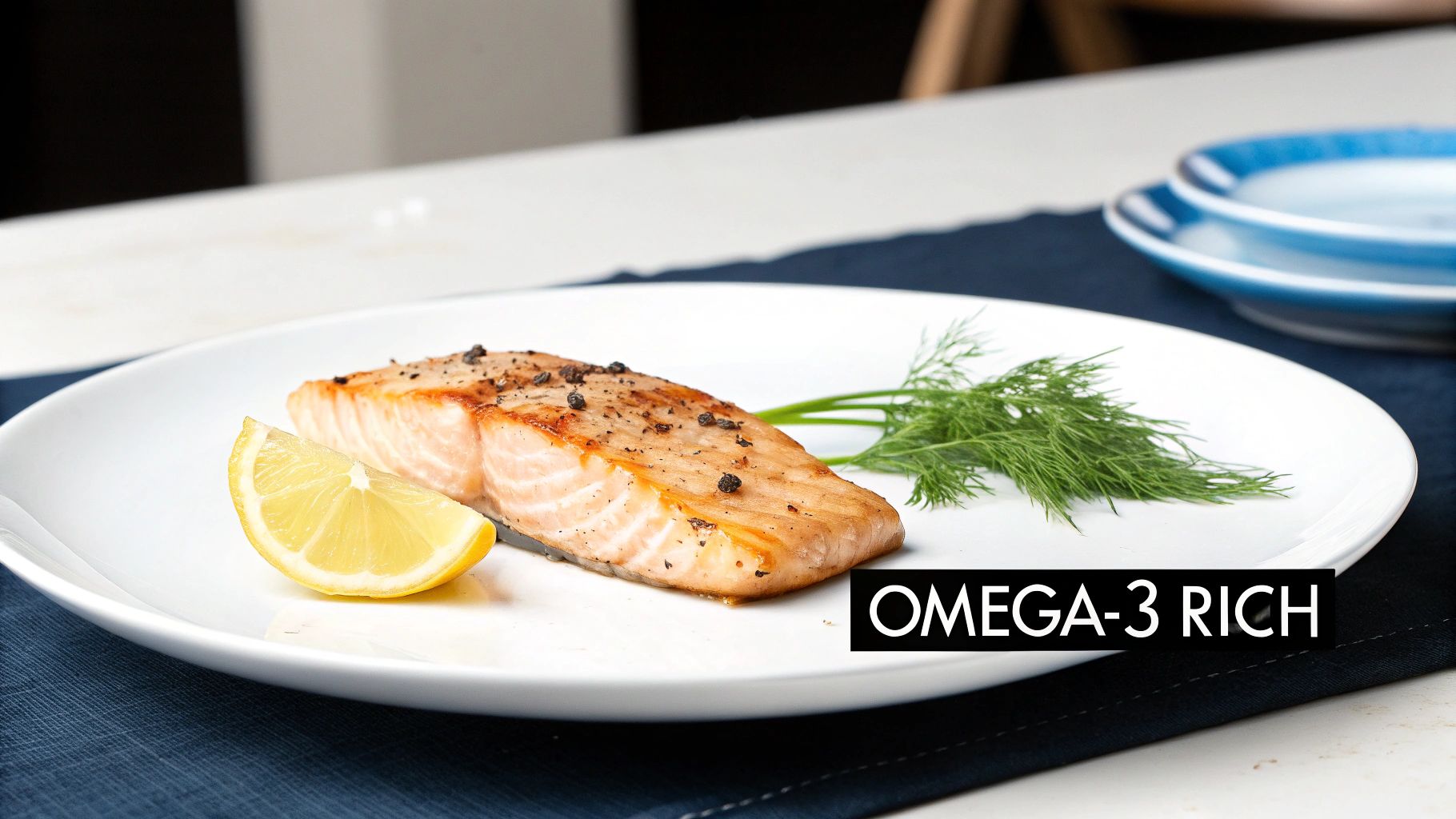
Beyond reducing inflammation, omega-3s are crucial for optimising insulin sensitivity, which helps manage blood sugar and prevent hormonal imbalances linked to conditions like PCOS. These fish also provide a healthy dose of vitamin D and selenium, two micronutrients vital for thyroid function and reproductive hormone health.
How to Incorporate Fatty Fish
- Serving Size: Aim for two to three servings (around 100-150 grams each) of fatty fish per week to reap the benefits.
- Smart Choices: Opt for wild-caught varieties like Alaskan salmon over farm-raised when possible, as they typically contain a better omega-3 to omega-6 ratio. Canned sardines in olive oil are a convenient and cost-effective option.
- Meal Ideas: To incorporate more of these beneficial omega-3 fatty acids into your diet, exploring a guide to a delicious and healthy fish stir fry recipes can provide excellent inspiration for quick, flavourful meals. Pair grilled salmon with a large leafy green salad or add sardines to wholegrain toast with avocado.
Townsville Tip
For a nutritious and convenient meal, try the Grilled Barramundi from Absolute Cravings. While not a classic fatty fish, barramundi is still a great local source of omega-3s, and their perfectly prepared dish saves you the cooking time.
2. Cruciferous Vegetables (Broccoli, Cauliflower, Brussels Sprouts)
Cruciferous vegetables like broccoli, cauliflower, and Brussels sprouts are champions among the best foods for hormonal balance, particularly when it comes to oestrogen. They contain powerful compounds, including indole-3-carbinol (I3C) and sulforaphane, which play a critical role in supporting the liver’s detoxification pathways. This process helps the body efficiently metabolise and excrete excess oestrogen, preventing the hormonal imbalances associated with oestrogen dominance.
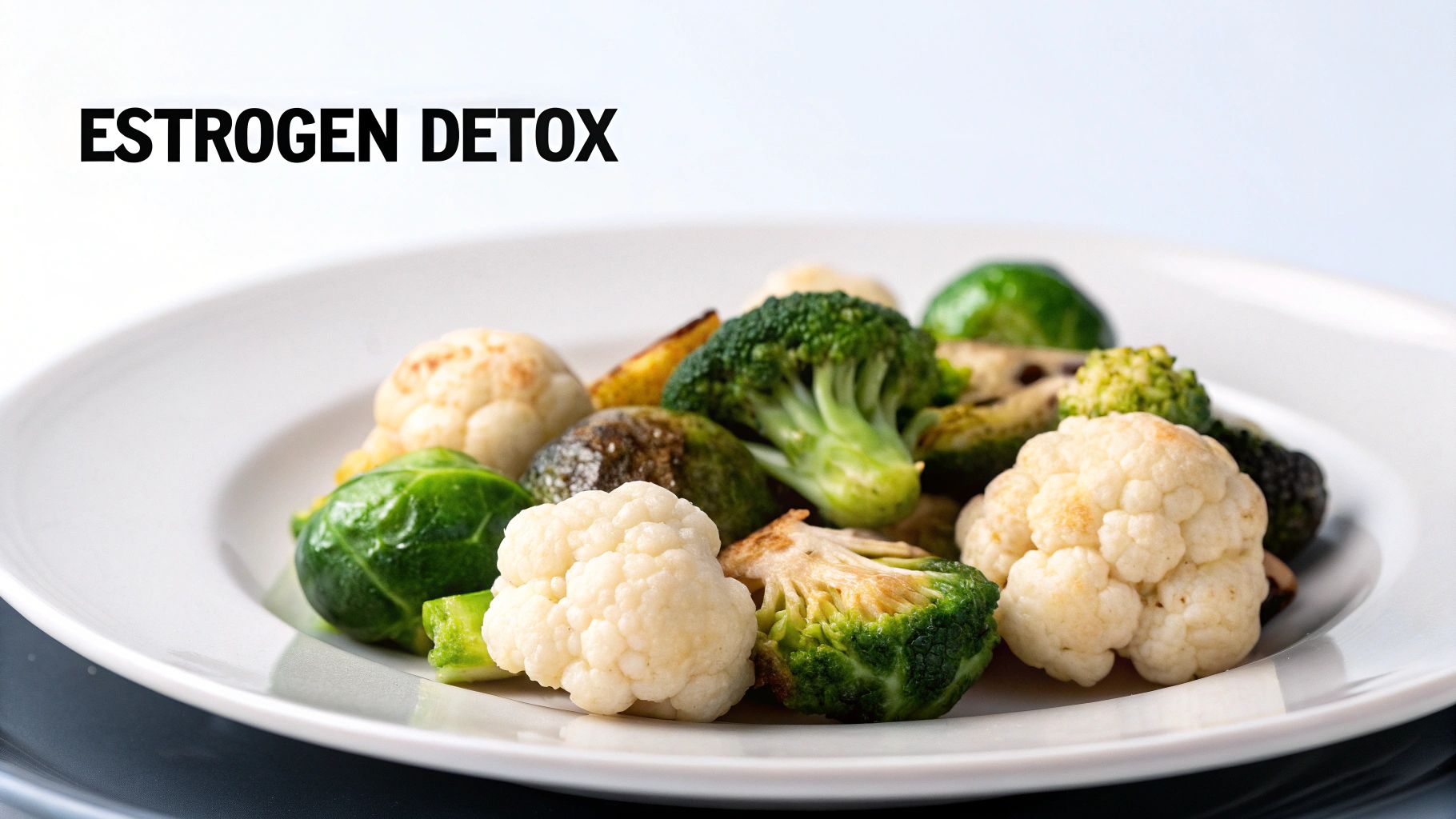
Furthermore, these vegetables are packed with fibre, which is vital for a healthy gut microbiome. A well-functioning gut is essential for the "estrobolome", a collection of gut bacteria that helps regulate oestrogen levels. By promoting gut health, cruciferous vegetables provide a dual-action approach to oestrogen management, making them a non-negotiable part of a hormone-balancing diet.
How to Incorporate Cruciferous Vegetables
- Serving Size: Aim for at least three to four servings per week to support your body's natural detoxification processes.
- Smart Choices: Lightly steam or roast these vegetables to preserve their beneficial compounds, as overcooking can diminish their potency. Including fermented versions like sauerkraut or kimchi adds a probiotic boost for enhanced gut health.
- Meal Ideas: Add steamed broccoli to salads and stir-fries, use cauliflower rice as a low-carb grain substitute, or roast Brussels sprouts with a drizzle of olive oil and herbs for a delicious side dish.
Townsville Tip
Many of the healthy, fresh salads at Absolute Cravings incorporate cruciferous vegetables. Ask to add a side of steamed greens to your meal for an extra dose of hormone-supporting goodness, ensuring you get your weekly intake without any hassle.
3. Flaxseeds and Chia Seeds
Flaxseeds and chia seeds are small but mighty additions to any diet, earning their spot among the best foods for hormonal balance. Flaxseeds are particularly renowned for their high concentration of lignans, a type of phytoestrogen. These plant compounds can help modulate estrogen levels in the body, binding to estrogen receptors and promoting the healthy elimination of excess hormones, which is especially beneficial for managing symptoms related to estrogen dominance.
Both seeds are fantastic sources of dietary fibre, which is crucial for gut health and regular bowel movements, a primary pathway for excreting metabolised hormones. Chia seeds also deliver a plant-based source of omega-3 fatty acids (ALA) and protein, supporting stable blood sugar and overall metabolic function. Their combined benefits for gut health and hormone metabolism make them an invaluable dietary tool.
How to Incorporate Flaxseeds and Chia Seeds
- Serving Size: Start with one to two tablespoons daily to allow your digestive system to adapt to the high fibre content.
- Smart Choices: Always use ground flaxseeds, as the body cannot break down the whole seeds to access their nutrients. Store ground flaxseed in the fridge to prevent oxidation.
- Meal Ideas: Add a tablespoon of ground flaxseed to your morning smoothie or oatmeal. Prepare a simple chia seed pudding by mixing the seeds with plant milk and letting it sit overnight. Both are excellent plant-based protein sources, which you can explore further in a guide to the best plant-based proteins.
Townsville Tip
Enhance your favourite meal from Absolute Cravings by sprinkling some ground flax or chia seeds on top. Their Acai Bowl is a perfect candidate, adding a fibre and omega-3 boost to an already nutrient-dense breakfast.
4. Grass-Fed Beef and Organ Meats (Liver, Heart)
Grass-fed beef and nutrient-dense organ meats are exceptional additions to a diet aimed at hormonal wellness. Compared to its grain-fed counterpart, grass-fed beef offers a superior profile of anti-inflammatory omega-3 fatty acids and conjugated linoleic acid (CLA). Organ meats, especially liver, are true superfoods, packed with bioavailable nutrients like iron, zinc, selenium, and a spectrum of B vitamins, all of which are critical for hormone production, detoxification, and energy metabolism.
These foods provide the foundational components for robust thyroid function, help regulate stress hormones like cortisol, and support overall endocrine health. Including them in your diet can be a powerful way to address nutrient deficiencies that often underlie hormonal imbalances, making them one of the best foods for hormonal balance.
How to Incorporate Grass-Fed Meats
- Serving Size: Enjoy grass-fed beef a few times a week. For nutrient-rich liver, start with a small portion of 85-115 grams once per week.
- Smart Choices: Look for "grass-fed" or "grass-finished" on the label to ensure the best nutritional profile. Source from local butchers or farmers where possible.
- Meal Ideas: Create a nourishing steak dinner with roasted vegetables, or blend a small amount of beef liver into mince for meatballs or bolognese to mask its strong flavour. A homemade bone broth is another excellent way to extract collagen and essential minerals.
Townsville Tip
For a hearty and hormonally supportive meal without the prep, consider the Roast Beef with Roast Veggies & Gravy from Absolute Cravings. It's a convenient, protein-rich option that aligns with the principles of incorporating quality animal products into your diet.
5. Avocados
Avocados are a creamy, nutrient-dense fruit that stands out as one of the best foods for hormonal balance. They are loaded with healthy monounsaturated fats, which are fundamental for producing and maintaining healthy cholesterol levels, a precursor to steroid hormones like oestrogen and testosterone. This makes them essential for reproductive health and overall hormonal equilibrium.
Beyond their fat content, avocados are packed with potassium, magnesium, and B vitamins, particularly B6, which helps regulate progesterone levels. They also contain vitamin E, a potent antioxidant that protects cells from oxidative damage and supports a healthy endocrine system. Their fibre content also aids in blood sugar regulation, preventing insulin spikes that can disrupt hormonal harmony.
How to Incorporate Avocados
- Serving Size: Aim for half to one whole avocado daily to harness its hormone-balancing benefits without overdoing the calories.
- Smart Choices: Choose avocados that yield to gentle pressure but are not mushy. To slow the ripening process, store them in the refrigerator. A splash of lemon or lime juice can prevent browning after slicing.
- Meal Ideas: Add sliced avocado to wholegrain toast for a classic breakfast, blend it into smoothies for a creamy texture, or mash it into a simple guacamole to serve with vegetable sticks. It’s also a perfect addition to salads and grain bowls.
Townsville Tip
Enjoy the benefits of avocado without the prep work by ordering the Breakfast Bruschetta from Absolute Cravings. Their version features smashed avocado on toasted sourdough, providing a delicious and convenient way to support your hormonal health.
6. Leafy Greens (Spinach, Kale, Collards)
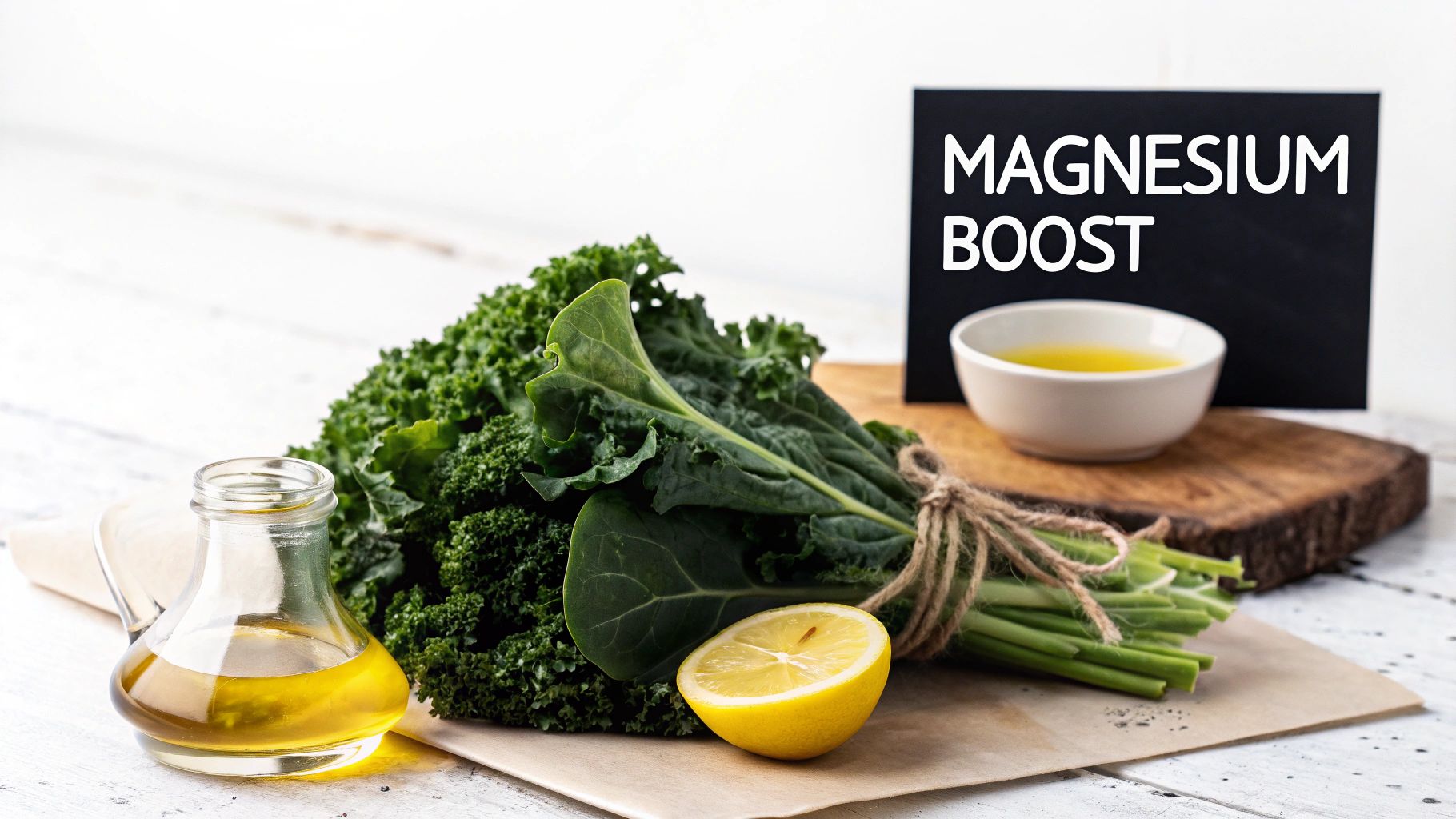
Leafy greens like spinach, kale, and collards are fundamental to a diet that supports hormonal wellness, making them some of the best foods for hormonal balance. They are packed with essential micronutrients, including magnesium, calcium, iron, and folate, which are crucial for hormone synthesis and regulation. Magnesium is particularly important for supporting progesterone function and helping to manage the stress hormone, cortisol.
The rich chlorophyll content in these greens aids liver detoxification, a vital process for clearing out excess hormones from the body. Furthermore, their high fibre content nourishes the beneficial gut bacteria responsible for metabolising oestrogen, ensuring it stays at healthy levels. A well-functioning gut is a cornerstone of balanced hormones.
How to Incorporate Leafy Greens
- Serving Size: Aim for at least two to three cups of leafy greens daily, spread across your meals.
- Smart Choices: Consume a mix of raw and lightly cooked greens to maximise nutrient intake, as some vitamins are best absorbed raw while others become more available after cooking. Pair them with a source of vitamin C, like lemon juice, to enhance iron absorption.
- Meal Ideas: Add a large handful of spinach to your morning smoothie, create a kale salad for lunch, or serve sautéed collard greens with garlic and olive oil as a dinner side. Use large lettuce or collard leaves as a wrap instead of bread.
Townsville Tip
For a quick and delicious nutrient boost, add a side of Wilted Spinach to your breakfast order at Absolute Cravings. It’s a simple, flavourful way to start your day with a serving of hormone-supporting greens without any prep work.
7. Berries (Blueberries, Raspberries, Strawberries)
Berries like vibrant blueberries, raspberries, and strawberries are antioxidant-rich gems that stand out as some of the best foods for hormonal balance. They are loaded with powerful compounds such as anthocyanins and resveratrol, which combat oxidative stress and inflammation, two major culprits behind hormonal disruptions. Their low glycaemic index is a key benefit, helping to prevent the sharp blood sugar spikes that can dysregulate insulin and throw other hormones out of sync.
These colourful fruits also contain unique phytonutrients that support the body's natural detoxification pathways, particularly for oestrogen, which is vital for maintaining a healthy balance. By protecting hormone-sensitive tissues from damage and supporting stable blood sugar, berries offer a delicious and effective way to promote overall hormonal harmony.
How to Incorporate Berries
- Serving Size: Aim for about 1 cup of fresh or frozen mixed berries daily to get a broad spectrum of antioxidants.
- Smart Choices: Opt for organic berries when possible to minimise pesticide exposure. Buying frozen berries is a fantastic, cost-effective way to enjoy them year-round without sacrificing nutritional value.
- Meal Ideas: Berries are incredibly versatile. For a powerhouse breakfast, blending them into a vibrant drink is a great option, and you can get creative by exploring different ways on how to make healthy smoothies. You can also add them to oatmeal, top Greek yoghurt with them, or toss them into a salad with leafy greens and a light vinaigrette.
Townsville Tip
For a quick and delicious antioxidant boost, grab the Berry Goodness smoothie from Absolute Cravings. It’s packed with mixed berries and expertly blended, giving you all the hormonal benefits without any of the prep work.
8. Nuts and Seeds (Almonds, Pumpkin Seeds, Sunflower Seeds)
Nuts and seeds are nutrient-dense powerhouses, packed with vitamins and minerals essential for hormone production and regulation, making them one of the best foods for hormonal balance. They provide a rich source of magnesium, zinc, selenium, and vitamin E, all of which play critical roles in reproductive health, thyroid function, and stress response. Their healthy fats and fibre content also help stabilise blood sugar levels, preventing insulin spikes that can disrupt the entire hormonal cascade.
Furthermore, specific seeds offer targeted benefits. For instance, pumpkin seeds are a fantastic source of zinc, which supports progesterone production, while sunflower seeds provide ample vitamin E, an antioxidant crucial for reproductive health. These small but mighty foods are an easy and versatile addition to any diet aimed at achieving better hormonal equilibrium.
How to Incorporate Nuts and Seeds
- Serving Size: A daily serving of around 28 grams (a small handful) is a great target. Be mindful of portions as they are calorie-dense.
- Smart Choices: Opt for raw or lightly roasted, unsalted varieties to avoid excess sodium and damaged fats. Soaking nuts and seeds overnight can help reduce phytic acid, improving nutrient absorption.
- Meal Ideas: Sprinkle a mix of pumpkin and sunflower seeds over your morning yoghurt or salad, blend almond butter into a smoothie, or make your own trail mix for a healthy on-the-go snack.
Townsville Tip
For a delicious and satisfying option that incorporates these healthy ingredients, consider the Paleo Granola Bowl from Absolute Cravings. It's packed with a variety of nuts and seeds, offering a convenient and flavourful way to get your daily dose of hormone-supporting nutrients without any prep work.
9. Bone Broth and Collagen
Bone broth and collagen are restorative powerhouses, making them some of the best foods for hormonal balance. This nutrient-dense liquid provides easily absorbable minerals and crucial amino acids, especially glycine and proline. These amino acids are essential for gut health, which is directly linked to hormonal regulation. A healthy gut lining ensures proper nutrient absorption and supports the estrobolome, the gut bacteria responsible for metabolising oestrogen.
Glycine, abundant in bone broth, also supports liver detoxification pathways and aids in producing glutathione, the body's master antioxidant. This process is vital for clearing out excess hormones and reducing the body's inflammatory load, creating a more stable internal environment. Including bone broth or collagen peptides regularly can soothe inflammation, heal the gut, and provide the building blocks for healthy hormone synthesis.
How to Incorporate Bone Broth and Collagen
- Serving Size: Aim for one to two cups of bone broth daily or one to two scoops of quality collagen peptides mixed into beverages like coffee, tea, or smoothies.
- Smart Choices: Opt for broth made from grass-fed, pasture-raised, or organic animal bones to ensure the highest nutrient quality. When choosing a supplement, look for pure, hydrolysed collagen peptides for better absorption.
- Meal Ideas: Use bone broth as a base for soups, stews, and sauces. You can simply warm and sip it on its own with a pinch of sea salt. For a convenient option, add tasteless collagen powder to your morning coffee or yoghurt bowl.
Townsville Tip
Making bone broth can be time-consuming. For a delicious and hassle-free alternative, enjoy the Slow-Cooked Beef Brisket from Absolute Cravings. While not a broth itself, it utilises a slow-cooking method with high-quality beef, providing some of the same beneficial amino acids in a hearty, satisfying meal.
10. Whole Grains and Complex Carbohydrates (Quinoa, Oats, Farro)
Complex carbohydrates from whole grains like quinoa, oats, and farro are fundamental to any diet focused on hormonal health, making them one of the best foods for hormonal balance. Unlike refined carbs that cause sharp blood sugar spikes, these grains provide a slow, steady release of energy. This stabilises insulin levels, which is crucial for preventing the hormonal chaos linked to insulin resistance and conditions like PCOS.
Whole grains are also rich sources of B vitamins, including B6, folate, and pantothenic acid. These vitamins are co-factors in the synthesis of hormones and neurotransmitters like serotonin, helping to regulate mood and stress responses. Furthermore, the high fibre content feeds beneficial gut bacteria that play a vital role in metabolising and balancing estrogen levels in the body.
How to Incorporate Whole Grains
- Serving Size: Aim for approximately 1/2 to 1 cup of cooked grains per meal, adjusting based on your activity level and energy needs.
- Smart Choices: Choose whole, unprocessed forms such as steel-cut oats, quinoa, brown rice, and farro over processed cereals and white bread. Soaking or sprouting grains can help reduce phytic acid and improve nutrient absorption.
- Meal Ideas: Start your day with a bowl of steel-cut oats topped with berries and nuts. For lunch or dinner, build a nourishing bowl with a quinoa base, roasted vegetables, and a lean protein source. Integrating these into a philosophy of what is clean eating can greatly amplify their benefits.
Townsville Tip
For a wholesome and satisfying meal that incorporates quality complex carbs, try the Nourish Bowl from Absolute Cravings. It often features ingredients like quinoa, providing a perfect, ready-made option to support your hormonal health goals without the meal prep.
Top 10 Hormone-Balancing Foods Comparison
| Item | 🔄 Implementation complexity | ⚡ Resource requirements & sourcing | 📊 Expected outcomes (hormonal effects) | 💡 Ideal use cases | ⭐ Key advantages |
|---|---|---|---|---|---|
| Fatty Fish (Salmon, Mackerel, Sardines) | Low–Moderate: simple cooking; monitor intake for contaminants | Moderate cost; prefer wild-caught; watch sustainability/mercury | Reduces inflammation, improves insulin sensitivity, supports cortisol & estrogen balance | Weekly omega-3 boost, stress or inflammation-driven hormonal issues | ⭐ High EPA/DHA, vitamin D & selenium for thyroid and reproductive health |
| Cruciferous Vegetables (Broccoli, Cauliflower, Brussels Sprouts) | Low: raw or lightly cooked; best with basic prep to reduce goitrogens | Low cost, widely available; best fresh or lightly steamed | Enhances estrogen detoxification, supports liver clearance and gut estrobolome | Estrogen-dominance protocols, liver-support phases | ⭐ I3C & sulforaphane for estrogen metabolism and anti-inflammatory effects |
| Flaxseeds and Chia Seeds | Low: require grinding (flax) and adequate hydration | Low–Moderate cost; store ground seeds refrigerated | Regulates estrogen via lignans, improves bowel elimination and blood sugar stability | PMS/menstrual irregularity support, daily fiber/phytoestrogen source | ⭐ Lignans (phytoestrogens), soluble fiber, ALA omega-3s |
| Grass-Fed Beef & Organ Meats (Liver, Heart) | Moderate: sourcing and palatability considerations; cook properly | Higher cost; need reliable grass-fed/regenerative sources | Supports thyroid hormone production, progesterone precursors, improves iron status | Nutrient repletion, anemia, low progesterone or adrenal support | ⭐ Nutrient-dense (B vitamins, heme iron, zinc, choline, CLA) |
| Avocados | Very low: ready-to-eat, minimal prep | Moderate cost; environmental/water-use considerations | Provides monounsaturated fats that support progesterone synthesis and blood sugar stability | Daily healthy-fat addition, improve absorption of fat-soluble vitamins | ⭐ High MUFAs, potassium, magnesium, vitamin E for inflammation and hormone synthesis |
| Leafy Greens (Spinach, Kale, Collards) | Low: raw or lightly cooked; frequent procurement needed | Low cost but perishable; best organic if possible | Supplies magnesium/folate for progesterone and cortisol regulation; supports estrogen detox | Daily nutrient baseline, PMS and stress resilience | ⭐ Rich in magnesium, folate, chlorophyll and fiber for detox and hormone support |
| Berries (Blueberries, Raspberries, Strawberries) | Very low: eat fresh or use frozen; minimal prep | Moderate cost fresh; frozen is cost-effective year-round | Low-GI antioxidants reduce inflammation, stabilize blood sugar, support estrogen metabolism | Antioxidant boost, blood-sugar control, mood support | ⭐ High anthocyanins and polyphenols; low glycemic impact |
| Nuts & Seeds (Almonds, Pumpkin, Sunflower) | Low: simple to add; portion control recommended | Moderate cost; calorie-dense; soaking/sprouting optional | Provide magnesium, zinc, selenium to support thyroid and reproductive hormones; stabilize glucose | Portable snacks, seed-cycling, mineral repletion | ⭐ Concentrated minerals and healthy fats for hormone synthesis |
| Bone Broth & Collagen | Moderate–High: long simmer time or buy concentrates | Time-intensive or higher cost for quality; sourcing matters | Promotes gut healing, supplies glycine for glutathione and hormone detoxification | Gut-repair protocols, collagen support, detox phases | ⭐ Collagen/glycine-rich, supports intestinal integrity and detox pathways |
| Whole Grains & Complex Carbs (Quinoa, Oats, Farro) | Low–Moderate: benefit from soaking/sprouting; basic cooking | Affordable and widely available; choose whole forms | Stabilizes insulin, supplies B vitamins for neurotransmitter/hormone synthesis, feeds estrobolome | Sustained-energy meals, blood-sugar stabilization, mood support | ⭐ B-vitamin dense, fiber-rich for gut and insulin regulation |
Your Plate, Your Power: Taking the Next Step Towards Hormonal Wellness in Townsville
Navigating the path to hormonal equilibrium can feel complex, but as we've explored, the power to create profound change lies right on your plate. This journey isn't about restrictive dieting or pursuing perfection; it's about making consistent, nourishing choices that provide your body with the fundamental building blocks it needs to function optimally. From the omega-3s in fatty fish that build healthy cell membranes to the DIM in cruciferous vegetables that supports oestrogen metabolism, each food on this list plays a crucial role in the intricate dance of your endocrine system.
The core principle is clear: whole, nutrient-dense foods are your greatest allies. Think of your daily meals as opportunities to either support or disrupt your hormonal harmony. By intentionally incorporating items like fibre-rich flaxseeds, mineral-packed leafy greens, and healthy fats from avocados and nuts, you are actively participating in your own wellness. You're giving your body the raw materials to produce, regulate, and detoxify hormones effectively, leading to more stable energy, improved mood, and better overall health.
Key Takeaways for Lasting Balance
The most sustainable approach is to start small and build momentum. Don't feel pressured to overhaul your entire diet overnight. Instead, focus on these actionable steps:
- Focus on Addition, Not Subtraction: Rather than focusing on what to cut out, concentrate on adding one or two of these hormone-supportive foods into your meals this week. Could you add a handful of spinach to your smoothie or swap a refined snack for a handful of almonds?
- Prioritise Nutrient Density: Aim for a colourful plate at every meal. The vibrant pigments in berries, leafy greens, and vegetables are indicators of the powerful antioxidants and phytonutrients they contain, which help combat the inflammation that can disrupt hormonal function.
- Embrace Healthy Fats and Proteins: Remember that cholesterol from sources like grass-fed beef and healthy fats from avocados are precursors to many of our essential hormones. Adequate protein is also vital for blood sugar balance, a cornerstone of hormonal health.
Your Path Forward
Mastering the art of eating for hormonal wellness is an empowering act of self-care. It’s a way to reclaim your energy, sharpen your mental clarity, and cultivate resilience against the stressors of modern life. When you consistently choose the best foods for hormonal balance, you're not just eating for today; you're investing in your long-term vitality. The benefits extend beyond the physical, fostering a deeper connection and understanding of your body's unique needs.
This list is your toolkit. Use it to experiment, listen to your body's feedback, and discover the combinations that make you feel your absolute best. And for those days when life in Townsville gets busy, remember that nourishing yourself doesn't have to be complicated.
Ready to put these principles into delicious action? The chefs at Absolute Cravings are passionate about creating meals that are as nourishing as they are delightful. Explore our menu to discover flavourful, hormone-friendly options, from our vibrant salads to our wholesome wraps, conveniently located next to the Palmetum Gardens or available for delivery right to your door. Let us help you take the guesswork out of healthy eating so you can focus on feeling incredible.


