

In our fast-paced world, maintaining mental clarity and a sharp memory is more crucial than ever. While puzzles and learning new skills play a role, the foundation of a high-performing brain is built on nutrition. The right foods can protect against cognitive decline, enhance focus, and even improve your mood. But which ingredients truly make a difference? This guide cuts through the noise to reveal the top 10 scientifically-backed best foods for brain health.
We'll explore the specific nutrients that fuel your mind, from the omega-3s in fatty fish to the powerful antioxidants in blueberries, providing you with actionable strategies to incorporate these powerhouses into your daily diet. This isn't just a list; it's a practical toolkit filled with serving suggestions and simple recipe ideas designed for your busy life. While our focus is on cognitive excellence, remember that overall health contributes to a sharper mind. For instance, discover how to support another vital organ by exploring these six great foods that support healthy eyes.
Whether you're a student aiming for better concentration, a professional seeking peak performance, or an adult focused on long-term cognitive vitality, this list is your roadmap to a healthier, sharper brain. Let's dive into the essential foods that will nourish your neurons.
1. Fatty Fish (Salmon, Mackerel, Sardines)
Fatty fish consistently rank among the best foods for brain health, and for good reason. They are the premier source of omega-3 fatty acids, specifically docosahexaenoic acid (DHA) and eicosapentaenoic acid (EPA). Your brain is comprised of nearly 60% fat, and about half of that fat is DHA, making this nutrient essential for building and maintaining brain cell membranes and facilitating swift communication between neurons.
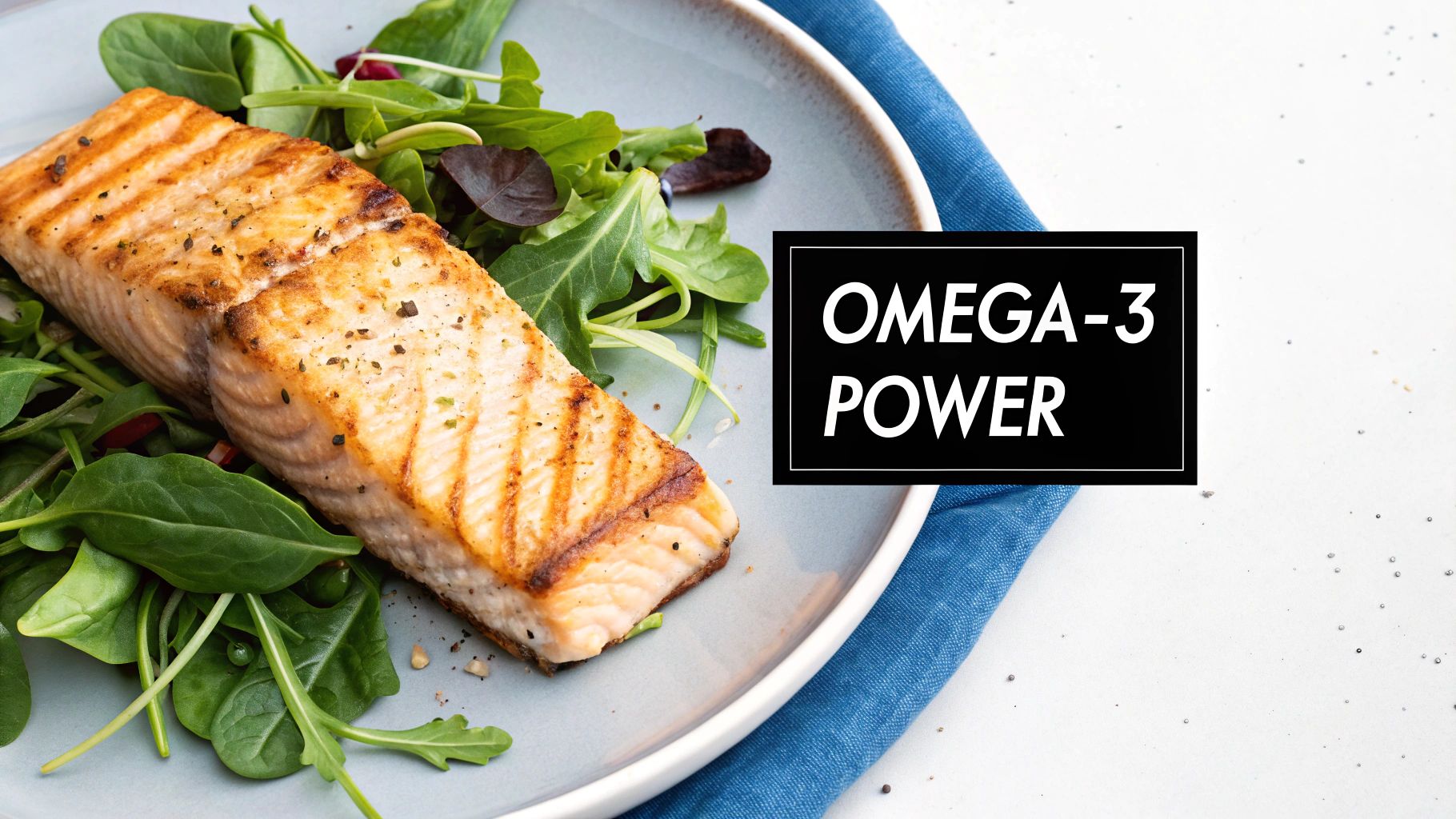
The benefits are well-documented. Research consistently links higher omega-3 consumption to improved memory, enhanced learning capabilities, and a reduced risk of age-related cognitive decline and neurodegenerative diseases like Alzheimer's. For example, populations in Mediterranean and Japanese cultures, known for their fish-rich diets, often exhibit superior cognitive longevity. A consistent intake of these healthy fats helps lower levels of beta-amyloid, the protein that forms damaging clumps in the brains of people with Alzheimer's disease.
How to Implement:
To harness these cognitive benefits, aim to consume fatty fish two to three times per week. A single serving is typically around 100-115 grams, about the size of a deck of cards.
- Choose wisely: Opt for smaller, oil-rich fish like wild-caught salmon, mackerel, herring, and sardines to maximise your omega-3 intake while minimising potential exposure to mercury.
- Preparation matters: Preserve the delicate omega-3s by baking, grilling, or steaming your fish instead of deep-frying, which can damage the healthy fats.
- Create a powerful pairing: Serve your fish alongside leafy green vegetables like spinach or kale. The vitamins and antioxidants in the greens work synergistically with omega-3s to support overall brain function.
2. Blueberries
Blueberries are true nutritional powerhouses, frequently celebrated as one of the best foods for brain health. Their vibrant colour comes from anthocyanins, a class of flavonoids that possess potent antioxidant and anti-inflammatory properties. These powerful compounds can cross the blood-brain barrier, accumulating in brain regions crucial for learning and memory, like the hippocampus. They work by combating oxidative stress and inflammation, two primary drivers of brain ageing and neurodegenerative diseases.
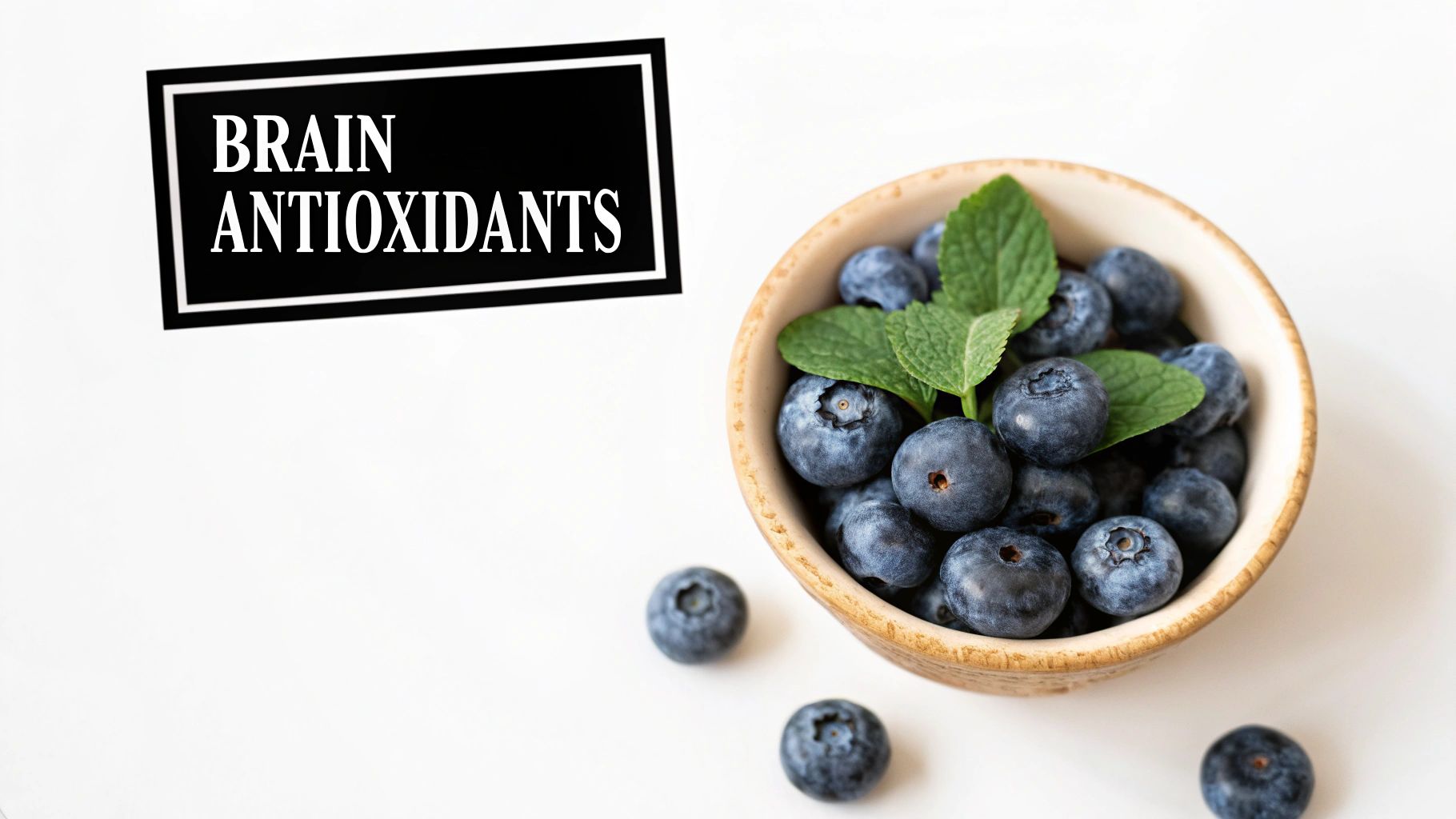
The scientific backing for blueberries is strong. A notable Harvard study involving over 16,000 women found that regular berry consumption was linked to a slower rate of cognitive decline. Similarly, research from the University of Reading demonstrated improved memory function in participants after just 12 weeks of daily blueberry consumption. These benefits stem from the ability of anthocyanins to improve communication between brain cells and enhance neuroplasticity, which is the brain's capacity to reorganise itself by forming new neural connections. Their positive impact on mental health and cognition is undeniable.
How to Implement:
Incorporating these brain-boosting berries into your diet is simple and delicious. Aim for about a half to one cup daily to reap the cognitive rewards.
- Fresh or frozen: Don't hesitate to buy frozen blueberries. They retain nearly all of their nutritional value, are available year-round, and are often more affordable. Opt for organic when possible to minimise pesticide exposure.
- Easy additions: Add a handful to your morning smoothie, stir them into oatmeal or yogurt, or simply enjoy them as a snack. While blueberries are a superstar, exploring the broader nutritional benefits of mixed berries can introduce even more brain-boosting compounds into your diet.
- Smart snacking: Combine blueberries with a source of healthy fat, like a handful of walnuts or almonds. This can help enhance your body's absorption of certain fat-soluble antioxidants present in the berries.
3. Turmeric (Curcumin)
This vibrant golden spice, a cornerstone of Ayurvedic medicine, contains a powerful compound called curcumin. Curcumin is celebrated for its potent anti-inflammatory and antioxidant properties, and uniquely, it can cross the blood-brain barrier to directly benefit brain cells. This makes turmeric one of the most effective foods for brain health, protecting neurons from damage and encouraging new growth.
The benefits of curcumin are extensive. It has been shown to boost levels of Brain-Derived Neurotrophic Factor (BDNF), a crucial growth hormone that helps brain cells survive, thrive, and form new connections. Research, including a notable UCLA study, has linked curcumin supplementation to improved memory and mood in adults. Furthermore, its ability to help clear the amyloid plaques associated with Alzheimer's disease is a key reason why populations with high turmeric consumption, such as in India, historically show lower rates of the condition.
How to Implement:
Incorporating turmeric daily can offer significant neuroprotective benefits. The key is ensuring your body can absorb the curcumin effectively.
- Pair with pepper: The most critical tip is to always consume turmeric with a pinch of black pepper. The piperine in pepper has been shown to increase curcumin's bioavailability by an incredible 2,000%.
- Add a healthy fat: Curcumin is fat-soluble, so mixing it with olive oil, coconut oil, or avocado helps your body absorb it more efficiently. Try adding it to salad dressings or when sautéing vegetables.
- Enjoy a golden milk latte: A warm, comforting, and easy way to get a daily dose is by making "golden milk." Simply whisk a teaspoon of turmeric powder with your choice of milk, a pinch of black pepper, and other spices like ginger or cinnamon.
4. Broccoli and Cruciferous Vegetables
Broccoli and its cruciferous relatives (like kale, cauliflower, and Brussels sprouts) are powerhouses of brain-protective compounds. They are exceptionally rich in vitamin K, a fat-soluble vitamin essential for forming sphingolipids, a type of fat densely packed into brain cell membranes that plays a crucial role in cell signalling. Just one cup of broccoli provides well over 100% of the recommended daily intake of this vital nutrient.
Beyond vitamin K, these vegetables contain sulforaphane, a compound with powerful anti-inflammatory and antioxidant effects that help defend the brain against oxidative stress. Research links a higher intake of cruciferous vegetables to a slower rate of age-related cognitive decline, and studies have shown that lower vitamin K levels often correlate with memory issues in older adults. Sulforaphane is even being investigated for its potential to support brain health in the context of neurodegenerative conditions. Making these vegetables a regular part of your diet is a key strategy for maintaining long-term cognitive function.
How to Implement:
Incorporate one to two cups of cruciferous vegetables into your daily meals to tap into their cognitive benefits. Proper preparation is key to unlocking their full potential.
- Maximise sulforaphane: Lightly steam broccoli for just three to four minutes. Overcooking can destroy the enzyme needed to form sulforaphane. Eating it raw also preserves this compound.
- Boost absorption: Combine broccoli with a food containing the myrosinase enzyme, such as mustard seeds, wasabi, or horseradish. This can significantly increase sulforaphane availability.
- Embrace variety: Don't just stick to broccoli. Rotate through other cruciferous options like kale, cabbage, bok choy, and cauliflower to get a wider array of brain-supporting phytonutrients.
5. Pumpkin Seeds
Often overlooked, pumpkin seeds are nutritional powerhouses packed with micronutrients crucial for cognitive function. These small seeds are an excellent source of essential minerals like zinc, magnesium, copper, and iron, each playing a vital role in maintaining brain health. Zinc is fundamental for nerve signalling, while magnesium is involved in learning and memory. Iron deficiency is notoriously linked to brain fog and impaired cognitive function, making these seeds one of the best foods for brain health.
The benefits of these minerals are significant. For instance, studies have consistently linked zinc deficiency to conditions like depression and cognitive impairment. Magnesium, another key component, has been shown in animal studies to improve memory and protect against age-related cognitive decline. Beyond minerals, pumpkin seeds offer potent antioxidants that protect the brain from free radical damage, alongside healthy fats and protein that support overall neurological processes.
How to Implement:
Incorporating these nutrient-dense seeds into your diet is simple and effective. Aim for a small handful, roughly 28 grams (one ounce), daily to reap the cognitive rewards.
- Choose wisely: Opt for raw or lightly roasted, unsalted pumpkin seeds to avoid excess sodium and preserve their nutritional integrity. Pepitas, the shell-free version, are often easier to eat and cook with.
- Easy additions: Sprinkle them over salads, add them to your morning oatmeal or yoghurt, or blend them into smoothies for a mineral boost. Including them in your meal prep routine can ensure you have a healthy snack ready to go. Learn more about how to meal prep with nutritious ingredients.
- Proper storage: Keep your pumpkin seeds in an airtight container in a cool, dark place to prevent the healthy oils from going rancid, which can diminish their flavour and benefits.
6. Dark Chocolate (70%+ Cacao)
Dark chocolate is a powerful and delicious food for brain health, packed with flavonoids, caffeine, and antioxidants. The key compounds, cocoa flavonoids, are known to accumulate in brain regions responsible for learning and memory. These potent antioxidants help protect brain cells from oxidative stress, reduce inflammation, and enhance neuroplasticity, which is the brain's ability to reorganise itself by forming new neural connections.
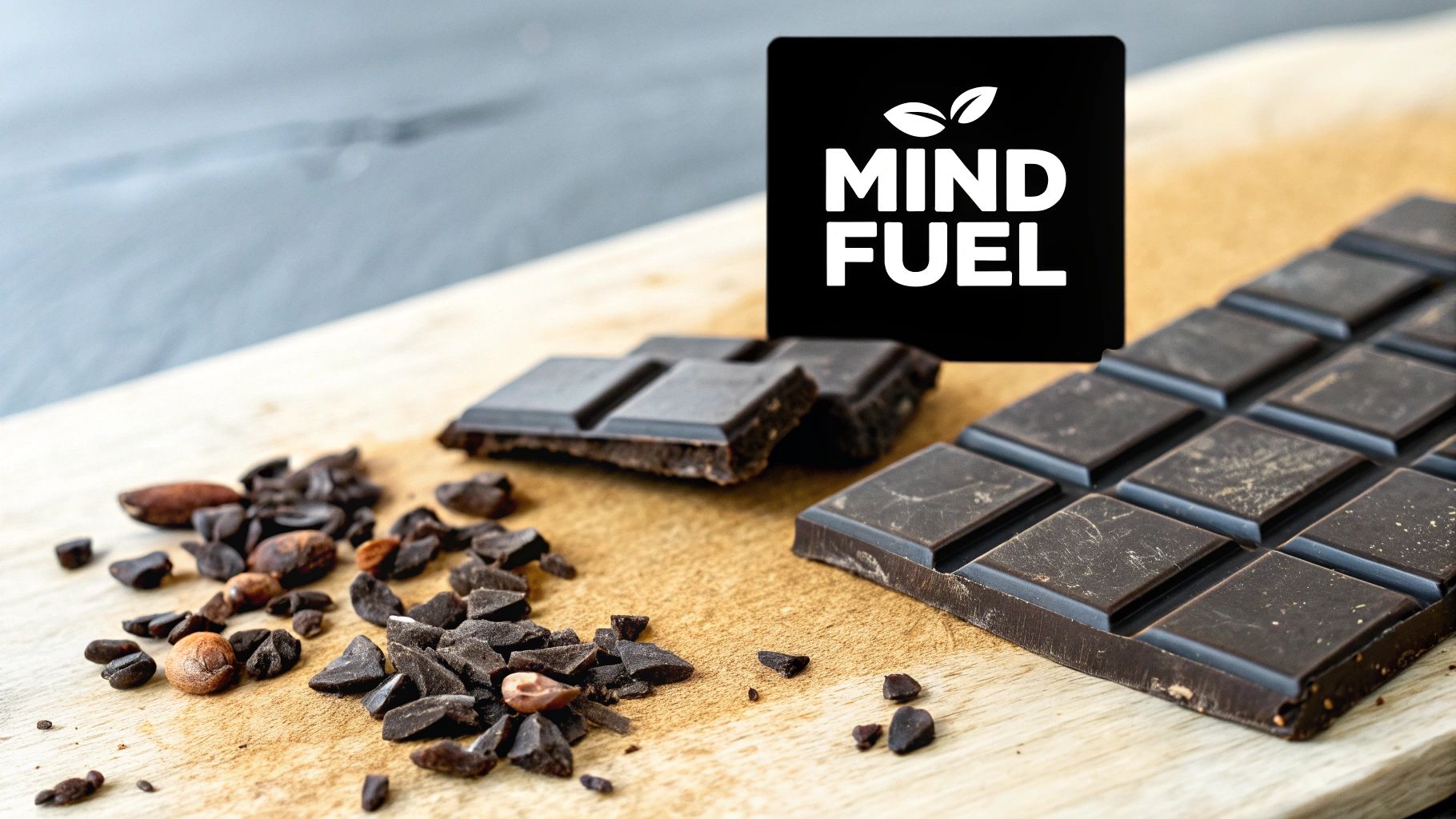
The benefits of high-cacao chocolate are significant. Research shows it can improve blood flow to the brain, which in turn enhances memory, attention span, and problem-solving skills. A notable study from Columbia University demonstrated memory improvements in older adults who consumed a high-flavonol diet. It also boosts mood by stimulating the production of endorphins and serotonin, creating a feeling of well-being that further supports cognitive function. This is why it’s considered one of the best foods for brain health you can enjoy.
How to Implement:
To reap the cognitive rewards without overindulging, a small, mindful portion is all you need. Think of it as a functional treat rather than a confectionery binge.
- Choose high-cacao: Opt for dark chocolate with a cacao content of 70% or higher. The higher the percentage, the more flavonoids and the less sugar it contains.
- Portion control: Limit your daily intake to about 25-40 grams (or 1-1.5 ounces). This helps you get the benefits while managing calorie intake.
- Smart pairings: Combine a square of dark chocolate with a handful of almonds or walnuts for a synergistic brain boost, adding healthy fats and vitamin E to the mix.
7. Walnuts
Walnuts are often noted for their remarkable resemblance to a human brain, and fittingly, they stand out as one of the best foods for brain health. They possess a unique nutritional profile, being exceptionally rich in a plant-based omega-3 fatty acid called alpha-linolenic acid (ALA). Walnuts also provide a potent combination of antioxidants, vitamin E, and polyphenols, which work together to combat oxidative stress and inflammation, two key drivers of cognitive decline.
The cognitive benefits of walnuts are supported by significant research. A notable study from UCLA linked higher walnut consumption to improved scores on cognitive tests, regardless of age or gender. Other research suggests that the nutrients in walnuts can enhance memory, processing speed, and mental flexibility. Health-focused dietary patterns like the Mediterranean and MIND diets specifically recommend including walnuts to help protect against neurodegenerative diseases and slow age-related cognitive decline.
How to Implement:
Incorporating walnuts into your daily routine is simple. Aim for a serving of about 28 grams (or one small handful, roughly 7 whole walnuts) per day to reap their brain-boosting rewards.
- Proper storage is key: Walnuts' high fat content can cause them to go rancid quickly. Store them in an airtight container in the refrigerator or freezer to preserve their freshness and nutritional value.
- Enhance your meals: Add chopped walnuts to your morning oatmeal, sprinkle them over salads for a satisfying crunch, or mix them into yoghurt for a nutritious snack.
- Choose wisely: Opt for raw or dry-roasted walnuts without added oils, sugar, or excessive salt to ensure you're getting the maximum health benefits.
8. Green Tea
Green tea is more than just a soothing beverage; it's a powerful elixir for cognitive function. It contains a unique synergistic combination of caffeine and the amino acid L-theanine. While caffeine provides a gentle boost in alertness, L-theanine promotes a state of calm, focused relaxation without drowsiness. This powerful duo enhances attention, improves memory, and sharpens focus, making green tea one of the best foods for brain health.
Beyond its immediate effects, green tea is packed with antioxidants like polyphenols and catechins, particularly epigallocatechin gallate (EGCG). These compounds protect brain cells from oxidative stress, a key factor in neurodegenerative diseases. Research points to populations with high green tea consumption, such as in Japan, exhibiting lower rates of cognitive decline and dementia. Its historical use by Buddhist monks to maintain focus during long periods of meditation further underscores its brain-enhancing properties.
How to Implement:
To integrate green tea into your routine for optimal brain benefits, aim for two to three cups per day. How you prepare it can significantly impact its potency.
- Brew with care: To preserve the delicate L-theanine and other beneficial compounds, brew your tea with water that is around 70-80°C, not boiling. Steep for just two to three minutes.
- Choose quality: Opt for high-quality Japanese green teas like sencha, gyokuro, or matcha. Matcha, a powdered green tea, is particularly potent as you consume the entire leaf.
- Time it right: Drink your green tea between meals. Consuming it with food can interfere with the absorption of non-heme iron from plant-based sources.
9. Eggs (Especially Egg Yolks)
Eggs are a nutritional powerhouse often celebrated as one of the best foods for brain health, with the yolk being the true star. They are among the richest dietary sources of choline, an essential nutrient your body uses to create acetylcholine. This neurotransmitter is vital for regulating mood, memory, and muscle control, making it fundamental for sharp cognitive function and learning processes.
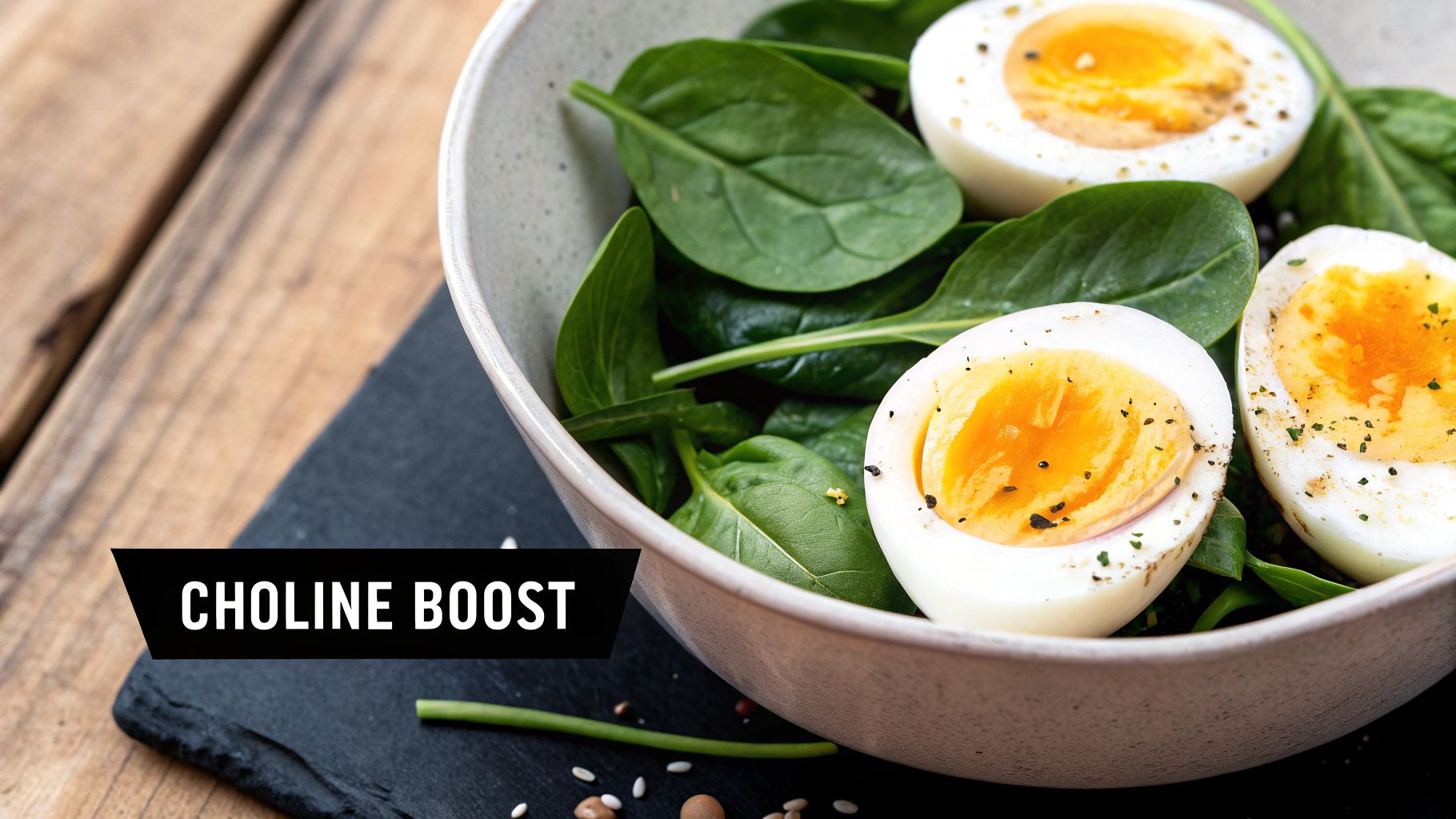
The cognitive benefits of choline are backed by significant research. For example, the long-term Framingham Offspring Study linked higher dietary choline intake to better memory performance and a lower risk of brain changes associated with dementia. Additionally, eggs provide a complete package of B vitamins (B6, B12, and folate), which are known to slow the progression of age-related cognitive decline by lowering levels of homocysteine, an amino acid linked to brain atrophy. The lutein found in yolks also plays a role in protecting the brain from oxidative stress.
How to Implement:
To incorporate these brain-boosting benefits, aim to include whole eggs in your diet several times a week. Starting your day with eggs can provide sustained energy and mental clarity.
- Don't discard the yolk: The yolk contains the vast majority of the choline, B vitamins, and healthy fats, so always eat the whole egg.
- Choose quality: Opt for pasture-raised eggs when possible, as they often contain higher levels of omega-3 fatty acids and other key nutrients compared to conventionally raised eggs.
- Cook gently: Poaching or soft-boiling eggs can help preserve their delicate nutrients more effectively than high-heat methods like frying.
- Create a powerful pairing: Serve eggs with a side of spinach or avocado. The healthy fats and vitamins in these foods work synergistically to support overall brain health.
10. Leafy Green Vegetables (Kale, Spinach, Collards)
Leafy green vegetables are nutritional powerhouses that stand out among the best foods for brain health. They are packed with essential brain-protective nutrients, including vitamin K, lutein, folate, and beta-carotene. These compounds act as potent antioxidants and anti-inflammatories, safeguarding the brain from oxidative stress and cellular damage that can accelerate cognitive decline.
The cognitive benefits of daily green consumption are significant. Groundbreaking research from the Rush University Memory and Aging Project revealed that individuals who consumed just one to two servings of leafy greens daily exhibited the cognitive abilities of a person 11 years younger than those who rarely ate them. Diets celebrated for their brain-protective effects, such as the Mediterranean and MIND diets, consistently emphasise daily intake of greens. These findings correlate with studies showing that regular consumption helps preserve brain volume and slow age-related cognitive decline.
How to Implement:
To tap into these brain-boosting benefits, aim for at least one to two servings (about 1-2 cups raw or ½ cup cooked) of leafy greens each day. Incorporating these vegetables into your routine can be a simple and effective step toward a healthier brain.
- Diversify your greens: Rotate between varieties like spinach, kale, collard greens, and rocket (arugula) to benefit from a broader spectrum of nutrients.
- Boost bioavailability: Lightly steaming or sautéing greens can make some nutrients, like beta-carotene, more available for absorption. A drizzle of olive oil also helps your body absorb fat-soluble vitamins like vitamin K. For more tips on incorporating nutrient-dense foods, explore these ideas on how to eat healthier.
- Make it easy: Blend a handful of spinach or kale into your morning smoothie, add chopped greens to soups and pasta sauces, or use large collard leaves as a wrap for sandwiches. This makes meeting your daily goal effortless.
Top 10 Brain-Boosting Foods Comparison
| Item | Implementation Complexity 🔄 | Resource Requirements ⚡ | Expected Outcomes 📊 | Ideal Use Cases 💡 | Key Advantages ⭐ |
|---|---|---|---|---|---|
| Fatty Fish (Salmon, Mackerel, Sardines) | Moderate – Requires proper storage/preparation | Moderate – Can be expensive, some risk of mercury | Improved memory, cognitive performance, neuroprotection | Regular dietary inclusion for brain and mood support | High omega-3 content, reduces inflammation, supports neural signaling |
| Blueberries | Low – Easy to consume raw or frozen | Low to Moderate – Seasonal cost, prefer organic | Delayed brain aging, improved memory and executive function | Daily antioxidant boost, gut-brain axis support | High antioxidants, accessible, improves neuroplasticity |
| Turmeric (Curcumin) | Moderate – Requires combination with black pepper or fats for absorption | Low – Affordable as spice or supplement | Improved memory, reduced brain inflammation, mood regulation | Supplement or dietary spice for cognitive and mood support | Strong anti-inflammatory, boosts BDNF, neuroprotective |
| Broccoli and Cruciferous Vegetables | Low to Moderate – Best lightly cooked or raw | Low – Widely available and inexpensive | Supports memory, cognitive processing, slows decline | Daily vegetable variety for brain and detoxification benefits | High vitamin K, sulforaphane for neuroprotection |
| Pumpkin Seeds | Low – Easy snack, portion control advised | Low – Affordable and shelf-stable | Supports neurotransmitter function, mood, and memory | Convenient snack or salad addition | Rich in zinc, magnesium, iron; portable and nutrient-dense |
| Dark Chocolate (70%+ Cacao) | Low – Ready to eat | Moderate – Quality varies, calorie dense | Enhances memory, attention, blood flow, and mood | Treat or daily brain boost, mindful portion control | Rich flavonoids, improves blood flow, mood-enhancing |
| Walnuts | Low – Easy to eat directly or added to meals | Low – Readily available, needs proper storage | Improves memory and cognitive speed, reduces inflammation | Daily nut inclusion for cognitive and mood support | Highest plant-based omega-3, antioxidants, vitamin E |
| Green Tea | Low – Simple brewing process | Low – Widely available, requires quality selection | Improved focus, memory, relaxed alertness | Regular beverage for cognitive and mood enhancement | Synergistic caffeine & L-theanine, neuroprotective antioxidants |
| Eggs (Especially Egg Yolks) | Low to Moderate – Cooking required | Low – Affordable, widely available | Supports memory, cognitive performance, neurotransmitter synthesis | Daily protein and choline source | High choline, B vitamins, lutein; supports brain structure |
| Leafy Green Vegetables (Kale, Spinach, Collards) | Low to Moderate – Washing and prep required | Low – Widely available, occasional organic preference | Slows cognitive decline, supports memory and processing speed | Daily vegetable intake for long-term brain health | High vitamin K, folate, lutein; powerful antioxidant profile |
From Your Plate to Your Brain: Building a Smarter Diet
Navigating the path to optimal cognitive function can feel complex, but as we've explored, the journey begins on your plate. This list of the best foods for brain health isn't a restrictive set of rules but rather a powerful toolkit. Each food, from the omega-3-rich fatty fish to the antioxidant-packed blueberries and the neuroprotective curcumin in turmeric, offers a unique pathway to support memory, focus, and long-term cognitive resilience.
The real power lies not in a single "superfood" but in the synergy of a varied, nutrient-dense diet. By consistently incorporating these items, you are actively combating oxidative stress, reducing inflammation, and providing the essential building blocks your brain needs to build new neural pathways and protect existing cells. The goal is progress, not perfection.
Making It a Lifestyle
Embracing these foods is about making small, sustainable shifts rather than a complete dietary overhaul. Think of it as a series of strategic upgrades to your daily routine.
- Start Small: Don't try to add everything at once. This week, focus on adding leafy greens to your lunch and dinner. Next week, swap your usual afternoon snack for a handful of walnuts or a small piece of dark chocolate.
- Plan Ahead: When you do your weekly shop, consciously add salmon, broccoli, and eggs to your list. Having these brain-boosting ingredients on hand makes it significantly easier to incorporate them into your meals without extra effort.
- Combine for Impact: Create meals that feature multiple brain-healthy foods. A breakfast scramble with spinach and eggs, a lunch salad topped with salmon and pumpkin seeds, or a blueberry and walnut smoothie are all simple ways to stack the benefits.
The Long-Term Investment in Your Mind
Prioritising your cognitive health through nutrition is one of the most profound investments you can make in your future well-being. A sharp, clear, and resilient mind impacts every facet of your life, from professional success and personal relationships to your ability to learn new skills and enjoy your passions as you age. The dietary choices you make today are actively shaping the brain you will have tomorrow and for decades to come.
By fuelling your brain with the best foods for brain health, you are not just nourishing your body; you are championing a future of mental clarity, vitality, and enduring cognitive strength. It’s an empowering approach that places the control for a healthier, sharper mind firmly in your hands.
Ready to fuel your mind without the fuss? At Absolute Cravings, we believe that healthy eating should be delicious and convenient. Explore our menu of chef-prepared meals, smoothies, and snacks in Townsville, crafted with fresh, wholesome ingredients designed to nourish your body and brain. Visit us online at Absolute Cravings to see how easy it is to enjoy brain-boosting food every day.