When it comes to safeguarding your cardiovascular system, the food on your plate plays a leading role. Making conscious, heart-healthy food choices is one of the most powerful and proactive steps you can take to manage blood pressure, reduce harmful cholesterol, and lower your risk of heart disease. But this doesn't mean your meals have to be bland or restrictive. In fact, a heart-smart diet is rich in flavour, colour, and satisfying nutrients.
This guide moves beyond generic advice to provide a clear, actionable roundup of the best foods for heart health. We will explore ten powerhouse ingredients, from fatty fish and vibrant berries to rich dark chocolate and wholesome grains. For each item, you'll discover precisely why it benefits your heart, practical serving suggestions, and simple ways to incorporate it into your daily meals. We’ll also share menu ideas available right here in Townsville, perfect for busy professionals and health-conscious food lovers alike. The goal is to make heart-healthy eating both understandable and genuinely enjoyable.
Many of these foods work by actively managing cholesterol levels, a key factor in cardiovascular wellness. For further ideas on specific ingredients that actively reduce cardiovascular risk, explore these 8 expert-recommended cholesterol-lowering foods that can significantly benefit your heart. By understanding the science behind these foods and learning how to prepare them, you can build a delicious and sustainable eating pattern that nourishes your body and protects its most vital organ for years to come. Let's dive into the delicious world of heart-healthy eating.
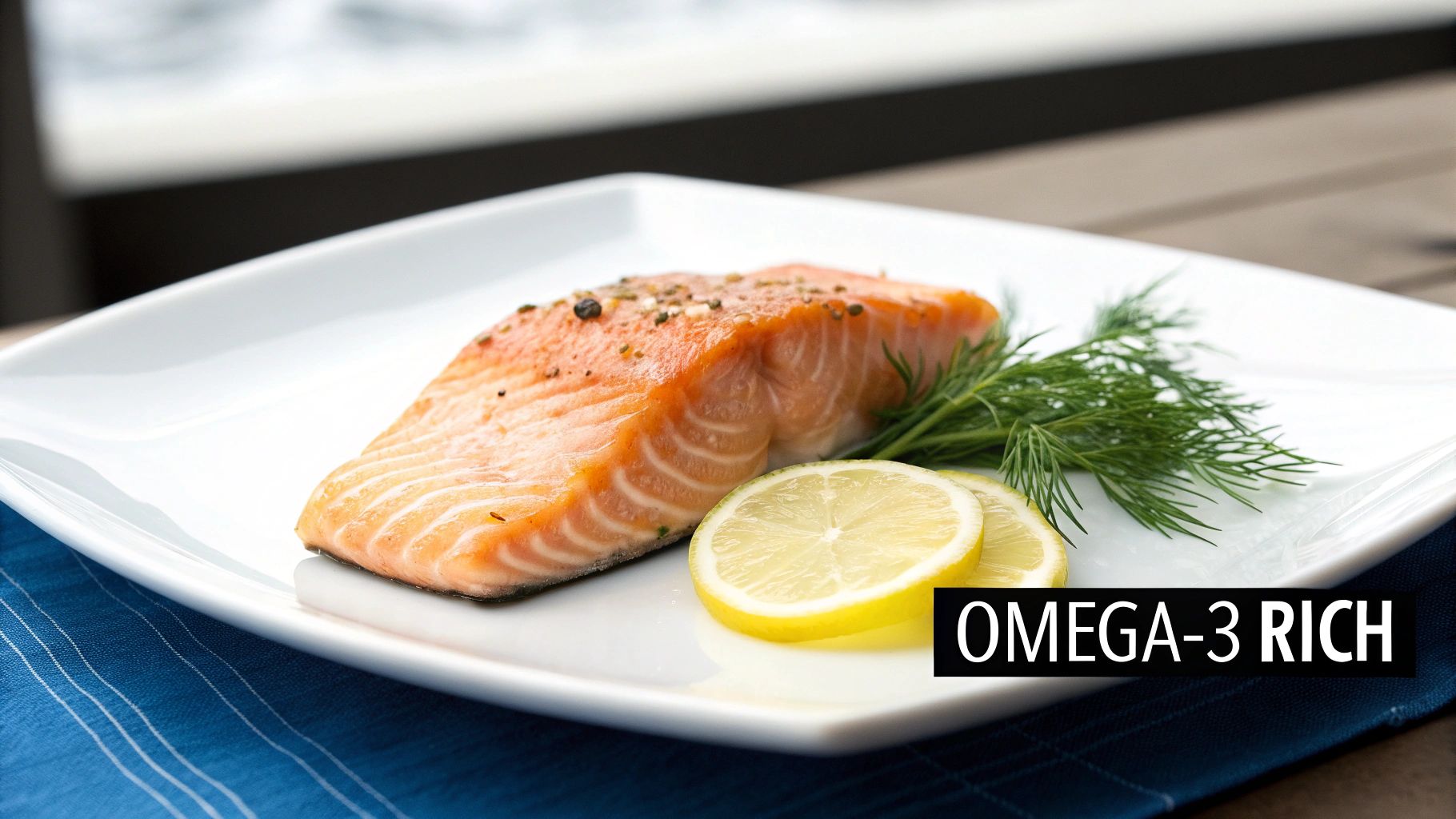
1. Fatty Fish (Salmon, Mackerel, Sardines)
Fatty fish like salmon, mackerel, and sardines are powerhouses of nutrition and consistently rank among the best foods for heart health. Their incredible benefits stem from a high concentration of omega-3 fatty acids, specifically eicosapentaenoic acid (EPA) and docosahexaenoic acid (DHA). These essential fats are not produced efficiently by the body, making dietary sources crucial for cardiovascular wellness.
Omega-3s work by actively reducing inflammation throughout the body, lowering triglyceride levels (a type of fat in your blood), and helping to decrease blood pressure. This powerful combination helps prevent the buildup of plaque in the arteries, reducing the risk of heart attack and stroke.
Why It's a Top Choice for Your Heart
The link between fatty fish and heart health is backed by extensive research. Studies on the Mediterranean diet, for instance, have shown that regular consumption of fish is a key factor in its heart-protective effects. The American Heart Association recommends eating fatty fish for this very reason, cementing its status as a foundational food for cardiovascular maintenance.
Key Insight: The omega-3s in fatty fish do more than just lower cholesterol; they actively combat inflammation, a core driver of arterial damage and heart disease.
How to Add Fatty Fish to Your Diet
Incorporating these nutrient-dense fish into your routine is simple and versatile. The goal is to build a consistent habit for long-term benefits.
- Aim for Consistency: The general recommendation is to eat two to three servings per week, with each serving being around 100 grams (the size of a deck of cards).
- Smart Cooking Methods: Preserve the delicate omega-3s by choosing healthier cooking techniques. Baking, grilling, or steaming are superior to deep-frying, which can add unhealthy fats.
- Embrace Convenience: Don't overlook canned options. Canned sardines or salmon are affordable, have a long shelf life, and are perfect for quick meals. If you choose a variety with bones, you get an extra boost of calcium.
- Easy Meal Ideas: Flake cooked salmon into a green salad, toss sardines through a pasta dish with lemon and herbs, or top a slice of wholegrain toast with smoked salmon and avocado.
2. Oats and Whole Grains
Oats and other whole grains are foundational staples and undeniably some of the best foods for heart health. Their power lies in a special type of soluble fibre called beta-glucan, which acts like a sponge in your digestive tract, binding to LDL (“bad”) cholesterol and helping to remove it from the body. Unlike refined grains, which are stripped of their most nutritious parts, whole grains retain their bran, germ, and endosperm, delivering a full spectrum of vitamins, minerals, and fibre.
This rich fibre content also helps to regulate blood sugar levels and promote a feeling of fullness, which can aid in maintaining a healthy weight. By keeping blood pressure and cholesterol in check, a diet rich in whole grains is a proactive strategy for preventing arterial plaque buildup and supporting overall cardiovascular function.
Why It's a Top Choice for Your Heart
The cholesterol-lowering effect of oats and whole grains is so well-documented that health authorities like the American Heart Association and even food brands like Quaker Oats have received FDA approval for heart-health claims. These foods form a core component of many heart-protective dietary patterns, providing sustained energy and crucial nutrients while actively working to reduce key risk factors for heart disease.
Key Insight: The soluble fibre in oats, known as beta-glucan, directly lowers LDL cholesterol, making it one of the most effective dietary tools for managing this critical heart health marker.
How to Add Oats and Whole Grains to Your Diet
Making the switch from refined grains to whole grains is a simple but impactful step. It's a key principle of a balanced diet, often highlighted in approaches like clean eating.
- Aim for Consistency: Strive for at least three servings of whole grains per day. A serving might be one slice of whole-grain bread or half a cup of cooked brown rice, quinoa, or oats.
- Read the Label: When buying packaged goods, ensure the first ingredient listed is a "whole" grain, such as "whole wheat" or "whole oats." Look for products with at least 3 grams of fibre per serving.
- Embrace Meal Prep: Prepare a large batch of quinoa or brown rice at the start of the week to easily add to salads and meals. Overnight oats are a perfect grab-and-go breakfast solution.
- Easy Meal Ideas: Start your day with a bowl of steel-cut oats topped with berries and nuts. Swap white bread for whole-grain bread in sandwiches. Use barley in soups and stews or switch to whole-wheat pasta for your favourite dishes.
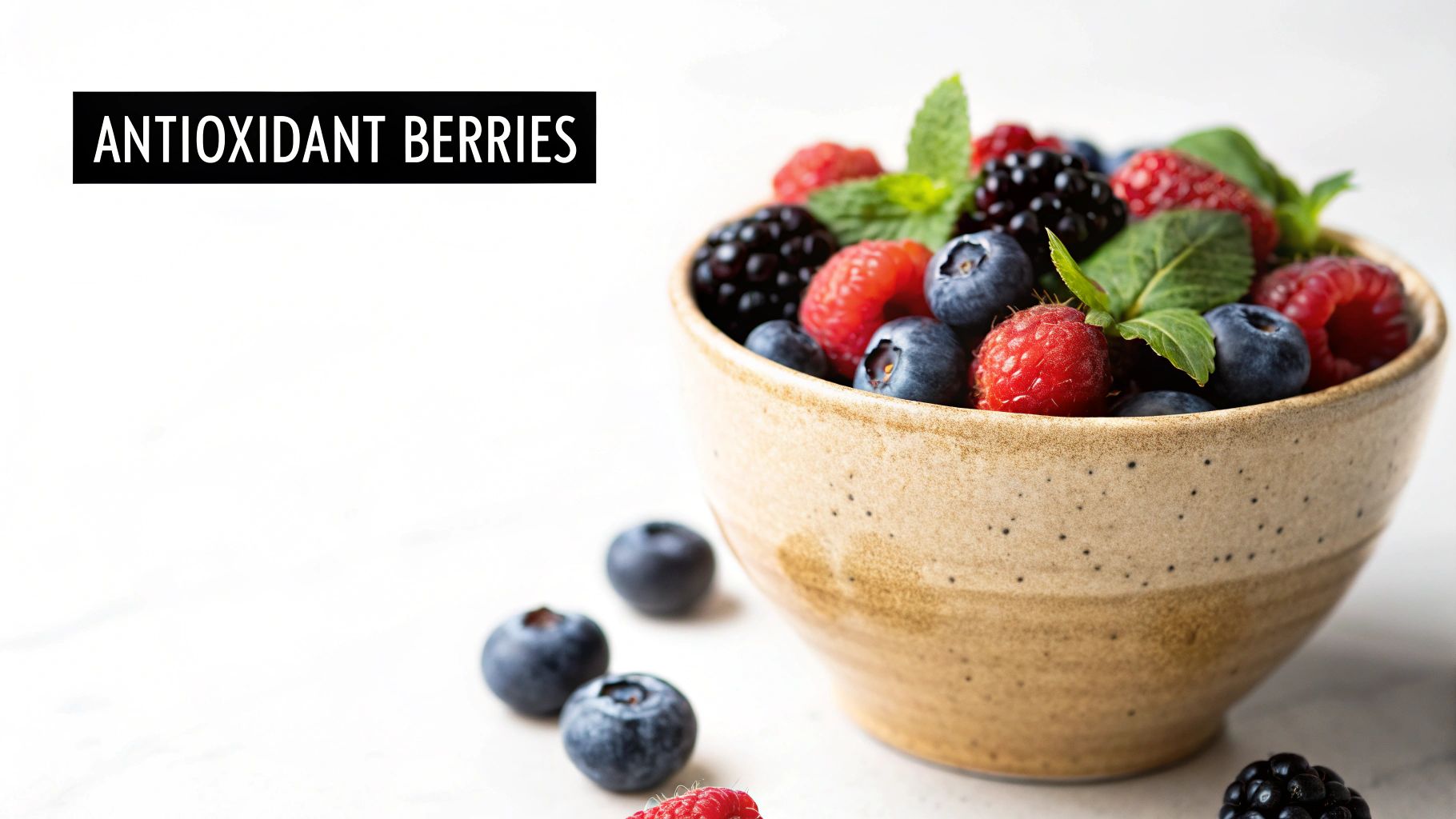
3. Berries (Blueberries, Strawberries, Raspberries)
Berries like blueberries, strawberries, and raspberries are vibrant superfoods that consistently top the charts of the best foods for heart health. Their rich colours are a clue to their powerful health benefits, which come from a high concentration of antioxidants and beneficial plant compounds called polyphenols, particularly anthocyanins. These compounds are essential for protecting the cardiovascular system from damage.
Anthocyanins work by combating oxidative stress and inflammation, two key culprits in the development of heart disease. They help improve the flexibility and function of blood vessels, support healthy blood pressure levels, and may reduce the risk of heart attack. The fibre in berries also plays a role by helping to lower cholesterol.
Why It's a Top Choice for Your Heart
The link between berry consumption and cardiovascular wellness is well-documented. Major studies, including the renowned Nurses' Health Study from Harvard, have shown that women who ate at least three servings of blueberries and strawberries per week had a significantly lower risk of heart attack. This powerful evidence, supported by organisations like the American Heart Association, confirms that these small fruits pack a big punch in heart protection.
Key Insight: The vibrant pigments (anthocyanins) in berries do more than make them look good; they are potent antioxidants that directly protect your blood vessels from the cellular damage that leads to heart disease.
How to Add Berries to Your Diet
Adding these antioxidant-rich gems to your daily routine is both easy and delicious. The key is to make them a regular part of your meals and snacks for sustained benefits.
- Aim for Consistency: A good goal is to consume around three to four servings per week, where one serving is about half a cup (or a small handful).
- Embrace Frozen Options: Fresh berries are fantastic, but frozen berries are just as nutritious, more affordable, and available year-round. They are perfect for smoothies and cooking.
- Get Creative with Meals: Stir a handful of mixed berries into your morning oatmeal or Greek yoghurt. Blend them into a post-workout smoothie or toss fresh strawberries into a spinach and walnut salad for a sweet and savoury twist.
- Mix It Up: Different berries contain different profiles of antioxidants. By eating a variety of blueberries, raspberries, strawberries, and blackberries, you ensure a broader spectrum of heart-protective nutrients.
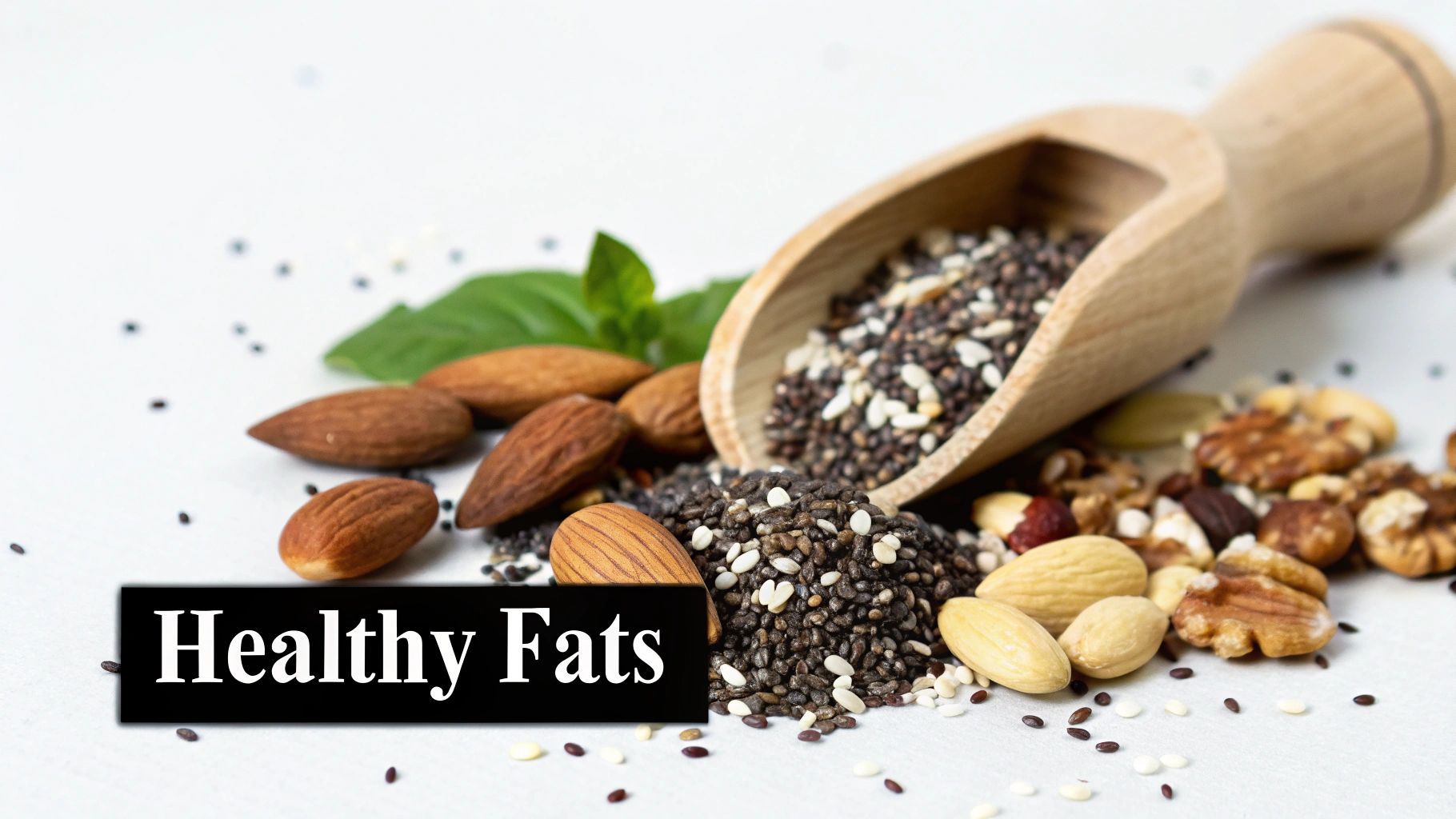
4. Nuts and Seeds (Almonds, Walnuts, Flax, Chia)
Nuts and seeds are nutritional treasures, consistently recognised as some of the best foods for heart health. This diverse group, including almonds, walnuts, flax, and chia seeds, is packed with beneficial monounsaturated and polyunsaturated fats, fibre, and plant sterols. Their key cardiovascular advantage comes from their ability to help lower LDL (“bad”) cholesterol levels, reduce inflammation, and improve the health of the artery lining.
Despite being calorie-dense, their high content of fibre and protein provides a powerful feeling of fullness, which aids in weight management and prevents overeating. The alpha-linolenic acid (ALA), a plant-based omega-3 fatty acid found abundantly in walnuts and flax seeds, offers unique heart-protective qualities by helping to maintain a normal heart rhythm and reduce blood pressure.
Why It's a Top Choice for Your Heart
The strong link between regular nut consumption and cardiovascular wellness is supported by major health organisations, including the American Heart Association. The heart-healthy fats in nuts and seeds replace less healthy saturated fats, directly contributing to a better cholesterol profile. Furthermore, the fibre content helps slow digestion, stabilising blood sugar and reducing the overall strain on your heart.
Key Insight: Nuts and seeds provide a "triple threat" against heart disease by improving cholesterol, fighting inflammation with healthy fats, and promoting satiety to help manage weight.
How to Add Nuts and Seeds to Your Diet
Making nuts and seeds a regular part of your diet is easy and adds satisfying texture and flavour to many meals. A small, consistent daily intake is the key to unlocking their benefits.
- Aim for Consistency: A daily serving is ideal. Aim for about 30 grams, which looks like a small handful (around 23 almonds or 14 walnut halves).
- Smart Selections: Choose raw or dry-roasted varieties without added salt or sugar to maximise health benefits. Check labels carefully, as many packaged nuts contain excess sodium and unhealthy oils.
- Boost Nutrient Absorption: Your body absorbs the ALA from flax and chia seeds more effectively when they are ground. Use a coffee grinder to blitz flax seeds before adding them to smoothies or oats.
- Easy Meal Ideas: Sprinkle chopped walnuts over a salad or your morning oatmeal, blend a tablespoon of ground flaxseed into a smoothie, or prepare a simple chia seed pudding for a fibre-rich breakfast or snack.
5. Olive Oil (Extra Virgin)
Extra virgin olive oil is the cornerstone of the famously heart-healthy Mediterranean diet. Its profound benefits are attributed to its rich content of monounsaturated fats and powerful antioxidants called polyphenols. These compounds work together to protect the cardiovascular system from damage and maintain its optimal function, making it one of the best foods for heart health.
The monounsaturated fats in extra virgin olive oil help lower "bad" LDL cholesterol while maintaining "good" HDL cholesterol levels. Meanwhile, its polyphenols, particularly oleocanthal, have potent anti-inflammatory properties that help prevent the oxidation of cholesterol, a key step in the development of artery-clogging plaque (atherosclerosis).
Why It's a Top Choice for Your Heart
Extensive research, including the landmark PREDIMED study, has confirmed that a diet rich in extra virgin olive oil significantly reduces the risk of heart attacks and strokes. It improves endothelial function (the health of the lining of your blood vessels), helps regulate blood pressure, and reduces oxidative stress, cementing its role as a vital dietary fat for cardiovascular protection.
Key Insight: The power of extra virgin olive oil lies in its unique combination of healthy fats and anti-inflammatory polyphenols, which protect blood vessels from the inside out.
How to Add Olive Oil to Your Diet
Making extra virgin olive oil a staple in your kitchen is one of the easiest and most flavourful ways to support your heart. The key is using it correctly to preserve its delicate compounds.
- Daily Dose: Aim for around one to two tablespoons per day as part of a balanced diet. Some Mediterranean diet studies have observed benefits with up to four tablespoons daily.
- Best Uses: Its robust flavour and health benefits shine in raw applications. Use it generously as a salad dressing, a finishing drizzle over soups and stews, or a dip for wholegrain bread.
- Smart Storage: Protect the valuable polyphenols from degradation by light and heat. Always choose oil in a dark glass bottle or tin and store it in a cool, dark cupboard away from the stove.
- Check for Quality: For the highest antioxidant content, look for "extra virgin" on the label and check for a harvest date to ensure freshness. Certifications like PDO (Protected Designation of Origin) can also indicate superior quality.
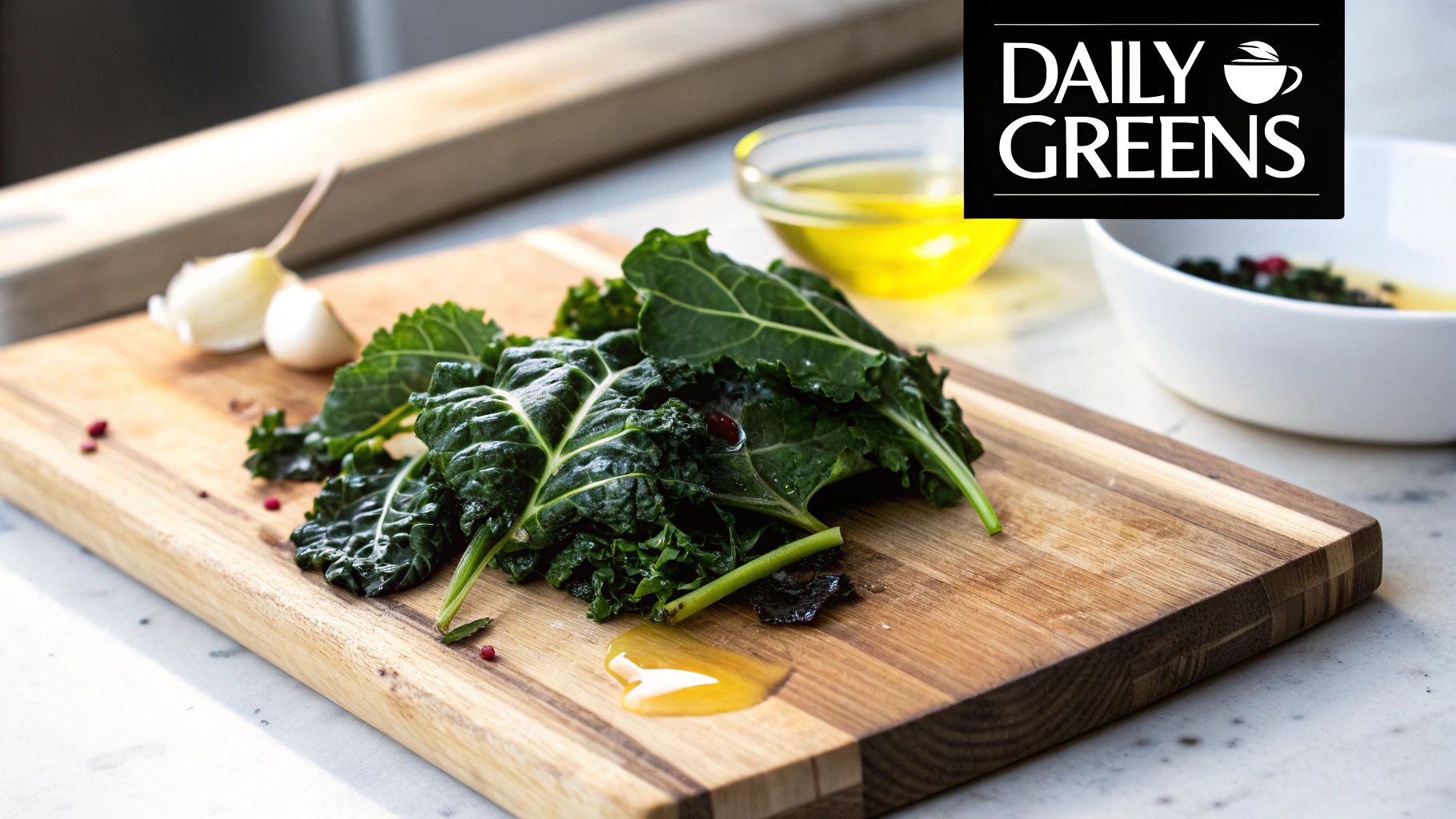
6. Dark Leafy Greens (Spinach, Kale, Swiss Chard)
Dark leafy greens like spinach, kale, and Swiss chard are foundational to any heart-healthy diet. These nutritional powerhouses are exceptionally low in calories yet packed with vitamins, minerals, and potent plant compounds. Their primary heart benefits come from a high concentration of vitamin K, which helps protect arteries, and dietary nitrates, which have been shown to reduce blood pressure, decrease arterial stiffness, and improve the function of the cells lining blood vessels.
These greens are also rich in antioxidants like lutein and polyphenols, which combat oxidative stress and inflammation, key contributors to cardiovascular disease. Their high fibre content further supports heart health by helping to manage cholesterol levels and maintain a healthy weight, making them one of the best foods for heart health you can eat.
Why It's a Top Choice for Your Heart
The cardiovascular benefits of leafy greens are a cornerstone of respected dietary patterns like the Dietary Approaches to Stop Hypertension (DASH) diet. Extensive research confirms their role in reducing heart disease risk. For instance, a large-scale analysis published in the Journal of the American Heart Association linked higher intake of leafy greens directly to a lower risk of cardiovascular disease, highlighting their crucial protective effects.
Key Insight: The nitrates in leafy greens are converted into nitric oxide in the body, a molecule that helps relax and widen blood vessels, improving blood flow and lowering blood pressure.
How to Add Dark Leafy Greens to Your Diet
Adding these versatile vegetables to your meals is simple and can be done daily. The key is to find preparations you enjoy to ensure consistency.
- Aim for Consistency: Incorporate at least one to two cups of leafy greens into your meals each day.
- Vary Your Choices: Rotate between spinach, kale, rocket, and Swiss chard to benefit from their different nutrient profiles.
- Smart Cooking Methods: Enjoy them raw in salads or smoothies. If cooking, lightly steaming or sautéing with garlic and a touch of olive oil preserves nutrients better than boiling for long periods.
- Easy Meal Ideas: Blend a handful of spinach into your morning smoothie for a nutrient boost without altering the flavour. Sauté Swiss chard with garlic as a simple side dish, or toss kale with a little olive oil and sea salt and bake for crispy, healthy chips.
7. Legumes (Beans, Lentils, Chickpeas)
Legumes such as beans, lentils, and chickpeas are humble yet powerful additions to any heart-healthy diet. These plant-based staples are lauded for their rich content of soluble fibre, which plays a direct role in lowering LDL ("bad") cholesterol by binding with it in the digestive system and removing it from the body. They are also packed with minerals like potassium and magnesium, which help manage blood pressure.
The combination of fibre, plant protein, and complex carbohydrates provides sustained energy and supports healthy blood sugar control, preventing spikes that can stress the cardiovascular system over time. Legumes are also a cornerstone of diets in the world's "Blue Zones," regions known for longevity and exceptionally low rates of heart disease.
Why It's a Top Choice for Your Heart
The cardiovascular benefits of legumes are multifaceted and well-documented. Their high fibre content not only lowers cholesterol but also feeds beneficial gut bacteria, which reduces systemic inflammation. The affordability and shelf-stability of both dried and canned varieties make them one of the most accessible and practical foods for heart health available.
Key Insight: Legumes tackle heart health from multiple angles by lowering cholesterol, reducing blood pressure, and stabilising blood sugar, making them an incredibly efficient dietary choice.
How to Add Legumes to Your Diet
Adding these versatile foods to your weekly meals is simple, budget-friendly, and delicious. Consistency is key to reaping their long-term rewards.
- Aim for Consistency: The general recommendation is to consume around three to four cups per week. If you are new to a high-fibre diet, start with smaller portions and increase gradually to avoid digestive discomfort.
- Embrace Convenience: Canned beans are a fantastic time-saver. Simply rinse them thoroughly under running water to reduce their sodium content before use.
- Smart Preparation: To reduce the compounds that can cause gas, soak dried beans overnight and discard the soaking water before cooking. Cooking them with spices like ginger or turmeric can also aid digestion and add anti-inflammatory benefits.
- Easy Meal Ideas: Add a can of chickpeas to a salad, make a hearty lentil soup, create a flavourful black bean chilli, or explore the world of plant-based proteins by making homemade hummus to serve with vegetable sticks. For more ideas, you can find a guide to the best plant-based protein sources here.
8. Avocados
Avocados are a unique and creamy fruit celebrated for their impressive heart-healthy profile. Unlike most fruits, they are rich in monounsaturated fats, specifically oleic acid, the same beneficial fat found in olive oil. This high concentration of healthy fats, combined with a significant amount of potassium and dietary fibre, makes them one of the best foods for heart health.
The monounsaturated fats in avocados help lower LDL (bad) cholesterol levels while raising HDL (good) cholesterol, a crucial balance for preventing arterial plaque buildup. Additionally, their high potassium content helps manage blood pressure by counteracting the effects of sodium, and their fibre content supports overall digestive and cardiovascular wellness.
Why It's a Top Choice for Your Heart
Avocados' combination of fats, fibre, and minerals creates a powerful synergistic effect on cardiovascular health. Extensive research has linked avocado consumption to improved cholesterol profiles and a lower risk of metabolic syndrome. Their ability to promote satiety also helps with weight management, which is a key factor in reducing strain on the heart.
Key Insight: The healthy fats in avocados not only improve cholesterol but also enhance the absorption of fat-soluble vitamins (like A, D, E, and K) from other foods, amplifying the nutritional benefits of your entire meal.
How to Add Avocados to Your Diet
Adding this versatile fruit to your meals is both easy and delicious. Its creamy texture can replace less healthy fats like butter or mayonnaise in many dishes.
- Mindful Portions: While incredibly healthy, avocados are calorie-dense. A serving is typically considered one-quarter to one-half of an avocado per day.
- Check for Ripeness: A ripe avocado will yield to gentle pressure without feeling mushy. You can buy them at different stages of ripeness to ensure you have a steady supply throughout the week.
- Prevent Browning: To keep a cut avocado fresh, leave the pit in the unused half, squeeze a little lemon or lime juice over the flesh, and store it in an airtight container in the fridge.
- Easy Meal Ideas: Mash half an avocado onto wholegrain toast for a classic breakfast, add slices to salads and sandwiches, or whip up a simple guacamole to serve with vegetable sticks.
9. Dark Chocolate (70% Cacao or Higher)
Indulging in a small amount of high-quality dark chocolate can be a delicious way to support your cardiovascular system, making it one of the more surprising best foods for heart health. The secret lies in its high concentration of flavonoids, specifically flavanols, which are potent plant-based antioxidants found in cacao beans. These compounds help combat oxidative stress and inflammation, two key drivers of heart disease.
Flavanols work by improving the flexibility of arteries and enhancing blood flow, which can lead to lower blood pressure. They also help prevent LDL (bad) cholesterol from oxidising, a crucial step in the formation of artery-clogging plaque. To reap these benefits, it's essential to choose chocolate with a high cacao content.
Why It's a Top Choice for Your Heart
Numerous studies have highlighted the positive effects of moderate dark chocolate consumption on cardiovascular health. The flavanols it contains stimulate the lining of arteries to produce nitric oxide, a gas that signals the arteries to relax, thereby lowering resistance to blood flow and reducing blood pressure. This makes it a treat with tangible functional benefits.
Key Insight: The heart benefits of chocolate come from the cacao, not the sugar. Choosing a product with at least 70% cacao ensures you get a powerful dose of flavanols with minimal added sugars.
How to Add Dark Chocolate to Your Diet
Moderation and smart selection are key to making dark chocolate a healthy part of your routine. A little goes a long way in delivering its protective compounds.
- Mind the Percentage: Always choose dark chocolate with 70% cacao or higher. The higher the percentage, the greater the flavonoid content and the lower the sugar.
- Portion Control is Crucial: The recommended serving is about 20-30 grams (a few squares) per day. Overindulging can add excessive calories and sugar.
- Read the Label: Pay close attention to the ingredients list to avoid products with high levels of added sugar and unhealthy fats. To make smarter choices, it helps to understand how to read nutrition labels effectively.
- Creative Pairings: Melt a square over a bowl of oatmeal, add shavings to a smoothie bowl with berries and nuts, or simply enjoy a piece on its own after a meal. Exploring various dark chocolate options can help you find a flavour profile you enjoy.
10. Garlic
Garlic is more than just a culinary staple; its potent medicinal properties have been revered for centuries, particularly for cardiovascular health. Its primary benefits are linked to a powerful sulfur compound called allicin, which is released when garlic is crushed or chopped. Allicin and other related compounds give garlic its reputation as one of the best foods for heart health.
These bioactive compounds have been shown to help relax blood vessels, which can lead to lower blood pressure. They also contribute to modest reductions in total and LDL ("bad") cholesterol levels and may help prevent the formation of blood clots, thereby reducing the risk of heart attack and stroke.
Why It's a Top Choice for Your Heart
Garlic's heart-protective qualities are recognised in both traditional medicine systems, like Ayurveda, and modern integrative health. Its ability to combat several cardiovascular risk factors simultaneously-from blood pressure to cholesterol and clotting-makes it a uniquely multifaceted food. The consistent findings in numerous studies support its role in a heart-conscious diet.
Key Insight: The magic of garlic happens when it's crushed or chopped. This action releases the enzyme alliinase, which converts alliin into allicin, the compound responsible for most of its cardiovascular benefits.
How to Add Garlic to Your Diet
Unlocking garlic's full potential is easy with a few simple techniques. The key is to maximise the formation and preservation of its active compounds.
- Prep for Power: To activate allicin, crush or chop fresh garlic and let it sit for 10-15 minutes before introducing it to heat. This gives the enzyme time to work its magic.
- Time Your Cooking: Add garlic towards the end of the cooking process when possible. Prolonged high heat can diminish its beneficial compounds, so a quick sauté is better than a long roast if you're aiming for maximum health benefits.
- Aim for a Daily Dose: Incorporating one to two fresh cloves per day is a great target for reaping its cardiovascular rewards.
- Easy Meal Ideas: Mince fresh garlic into a salad dressing with olive oil and lemon juice, stir it into soups and stews just before serving, or roast whole cloves until soft and spread them on wholegrain toast.
Top 10 Heart-Healthy Foods Comparison
| Food | 🔄 Implementation Complexity | ⚡ Resources / Cost | ⭐📊 Expected Outcomes | 💡 Ideal Use Cases | Key Advantages |
|---|---|---|---|---|---|
| Fatty Fish (Salmon, Mackerel, Sardines) | Moderate — requires cooking/fresh handling | Moderate–High cost; canned options available; short fresh shelf life | ⭐⭐⭐⭐ — lowers triglycerides, BP, inflammation; reduces CVD risk | 2–3 servings/week; bake/grill or add canned sardines to salads | Rich EPA/DHA, high-quality protein, vitamin D |
| Oats & Whole Grains | Low — simple prep (cook/soak) | Low cost; widely available; long shelf life | ⭐⭐⭐⭐ — reduces LDL, improves glycemic control and satiety | Daily breakfasts/snacks; aim for ≥3 servings/day | Beta‑glucan soluble fiber, inexpensive, filling |
| Berries (Blue, Straw, Rasp) | Low — ready-to-eat or thaw frozen | Moderate cost; seasonal fresh, frozen affordable | ⭐⭐⭐ — improves endothelial function; antioxidant protection | 1–2 cups/day in smoothies, yogurt, oatmeal | High anthocyanins/polyphenols, low calorie |
| Nuts & Seeds (Almonds, Walnuts, Flax, Chia) | Low — minimal prep, portion control needed | Moderate cost; shelf-stable if stored cool | ⭐⭐⭐⭐ — lowers LDL, reduces inflammation; promotes satiety | 1 oz/day as snack or topping; add to oats and salads | Healthy fats, plant omega‑3 (ALA), protein & fiber |
| Olive Oil (Extra Virgin) | Low — use raw or low-medium heat | Moderate cost; store in dark, cool place | ⭐⭐⭐⭐ — improves HDL, lowers BP & oxidative damage | Dressings, drizzling, light cooking; 1–2 tbsp/day | Monounsaturated fats + polyphenols (anti‑inflammatory) |
| Dark Leafy Greens (Spinach, Kale) | Low — wash/saute or eat raw | Low cost; perishable but widely available | ⭐⭐⭐⭐ — improves blood flow, lowers BP and CVD risk | Salads, smoothies, sautés; 1–2 cups/day | Nitrates, vitamins K/C, folate, low calories |
| Legumes (Beans, Lentils, Chickpeas) | Moderate — soak/cook (canned for convenience) | Very low cost; dried shelf‑stable; canned options | ⭐⭐⭐⭐ — significantly lowers LDL, improves blood sugar | Soups, salads, mains; 3–4 cups/week | High fiber & plant protein; affordable & sustainable |
| Avocados | Low — minimal prep; ripeness management | Moderate–High cost; perishable; seasonal | ⭐⭐⭐ — raises HDL, provides potassium to lower BP | Half avocado/day on toast, salads, sandwiches | Monounsaturated fats, potassium, aids nutrient absorption |
| Dark Chocolate (≥70% cacao) | Low — ready-to-eat; portion control required | Variable cost; high-quality bars more expensive | ⭐⭐–⭐⭐⭐ — modest endothelial/ BP benefits when limited | Treat: ~1 oz/day, pair with berries or nuts | Flavanols & polyphenols; pleasurable compliance aid |
| Garlic | Low — simple prep; best raw/crushed for allicin | Very low cost; long shelf life when stored properly | ⭐⭐⭐ — modest reductions in BP, LDL; anti‑platelet effects | Flavor enhancer in most savory dishes; 1–3 cloves/day raw or cooked | Allicin and sulfur compounds; anti‑inflammatory & antimicrobial |
From Your Plate to Your Pulse: Making Heart Health a Daily Habit
We've journeyed through a comprehensive pantry of nature's most powerful cardiovascular guardians. From the omega-3 richness of fatty fish to the antioxidant punch of dark berries and the fibrous might of oats and legumes, the path to a healthier heart is paved with delicious, vibrant, and accessible foods. The key takeaway isn't about restriction or radical diets; it's about empowerment. It’s about recognising that every meal is an opportunity to nourish your body’s most vital organ.
The list of the best foods for heart health we explored isn't just a collection of ingredients. It's a blueprint for a more conscious and enjoyable way of eating. We saw how simple swaps, like choosing extra virgin olive oil over other fats or snacking on a handful of walnuts instead of processed treats, can create a powerful cumulative effect. Adding a sprinkle of flaxseed to your morning oats, wilting spinach into your pasta sauce, or enjoying a square of dark chocolate are not drastic sacrifices; they are small, sustainable acts of self-care.
Synthesising Your Heart-Healthy Strategy
Mastering this approach isn't about memorising every single benefit of every food. Instead, it’s about understanding the core principles that connect them all. Let’s synthesise the most crucial takeaways into a practical, everyday philosophy.
- Embrace Healthy Fats: Not all fats are created equal. The monounsaturated fats in avocados and olive oil, and the polyunsaturated omega-3s in salmon, walnuts, and chia seeds are your allies. They help lower 'bad' LDL cholesterol, reduce inflammation, and support overall cardiovascular function. The goal is to replace saturated and trans fats with these beneficial alternatives.
- Prioritise Fibre: Fibre is the unsung hero of heart health. Found abundantly in oats, legumes, berries, and leafy greens, soluble fibre actively helps remove cholesterol from your system. A fibre-rich diet also promotes stable blood sugar levels and a healthy weight, both of which are critical for reducing strain on your heart.
- Harness the Power of Plants: The vibrant colours in berries, dark leafy greens, and even dark chocolate are a sign of their potent antioxidant and anti-inflammatory compounds, like flavonoids and polyphenols. These plant-based powerhouses protect your blood vessels from oxidative damage, a key contributor to heart disease.
Key Insight: A heart-healthy diet is not about perfection, but progression. Focus on adding more of these nutrient-dense foods to your plate rather than fixating on eliminating "bad" foods. This positive approach fosters a healthier relationship with food and makes lasting change more achievable.
Your Actionable Next Steps
Knowledge is only powerful when put into action. Instead of feeling overwhelmed by a complete dietary overhaul, choose one or two manageable changes to implement this week. This builds momentum and creates habits that stick.
- The 'Plus One' Vegetable Challenge: For the next seven days, commit to adding one extra serving of vegetables to your day. This could be a handful of spinach in your smoothie, a side salad with lunch, or snacking on carrot sticks instead of crackers.
- Conduct a Pantry Audit: Take a look at your go-to snacks and oils. Can you swap your usual cooking oil for extra virgin olive oil? Can you replace a bag of crisps with a pre-portioned bag of almonds or walnuts?
- Plan One New Recipe: Choose one food from our list that you don't eat often, perhaps lentils or mackerel. Find a simple, appealing recipe and schedule a night to try it. This small step can open up a whole new world of flavour and nutrition.
By consistently integrating these best foods for heart health into your daily routine, you are doing more than just managing risk factors. You are investing in your long-term vitality, enhancing your energy levels, and building a foundation of wellness that supports every aspect of your life. This journey starts not with a grand gesture, but with the very next bite you take.
Ready to make heart-healthy eating deliciously simple? Absolute Cravings crafts chef-prepared meals right here in Townsville, featuring many of the fresh, wholesome ingredients discussed in this guide. Let us handle the planning and cooking, so you can enjoy nutritious, flavourful dishes delivered right to your door. Explore our menu today at Absolute Cravings and take the first step towards effortless, heart-conscious eating.


