

To get a handle on food cravings, you need a solid game plan. It’s a two-pronged approach: first, get to the bottom of the biological and psychological triggers driving them, and then, start making targeted changes to your diet and lifestyle. This isn't about sheer willpower. It’s about smart strategies like stabilising your blood sugar, getting a grip on stress, and learning to tell the difference between real hunger and an emotional SOS.
Why You Crave Certain Foods
Ever had one of those days where the only thing that will fix it is a block of chocolate? Or found yourself mindlessly munching on salty chips during a movie, even though you weren't actually hungry? These intense urges are more than just a lack of discipline; they're complex signals fired off by your body and brain. Figuring out how to stop food cravings for good starts with understanding where they even come from.
It's important to remember that cravings and physical hunger are two different beasts. True hunger tends to build up slowly and can be satisfied by pretty much any food. Cravings, on the other hand, hit you like a tonne of bricks—they're sudden, specific, and intense, usually for something loaded with sugar, fat, or salt.
The Biological Drivers
Your body is always striving for balance, or homeostasis. When things get thrown out of whack, cravings can be one of the first signs.
- Blood Sugar Swings: When you eat sugary foods or refined carbs, your blood sugar skyrockets and then comes crashing down. That crash sends a panic signal to your brain, demanding another quick hit of energy, and suddenly you're stuck in a vicious cycle of sweet cravings.
- Hormonal Signals: Hormones play a massive role. Cortisol, our main stress hormone, can seriously ramp up your appetite for those classic "comfort foods." A bad night's sleep is just as bad, messing with ghrelin and leptin—the hormones that tell you you're hungry or full—leaving you feeling ravenous and never quite satisfied.
- Gut Health: Believe it or not, the trillions of bacteria living in your gut can have a say in what you crave. Some of these little microbes absolutely love sugar and can send signals to your brain to get you to eat more of it for them.
Decoding Your Craving Triggers
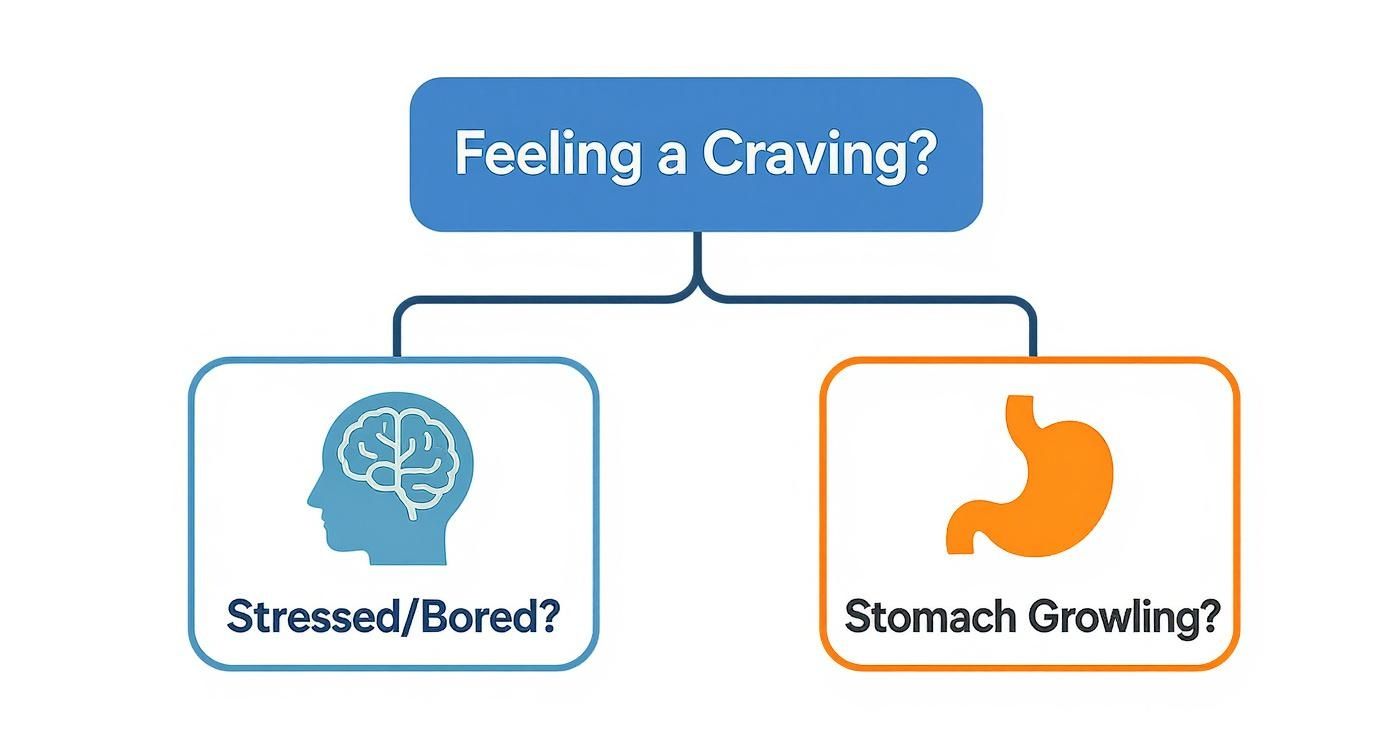
This quick-reference guide can help you pinpoint the root cause of your food cravings by distinguishing between physical and emotional hunger cues.
| Trigger Type | Common Signs | Typical Cravings | Effective First Action |
|---|---|---|---|
| Physical/Biological | Builds gradually, felt in the stomach, open to options | Salty, sugary, or fatty foods | Eat a balanced meal with protein, fibre, and healthy fats. |
| Emotional/Psychological | Comes on suddenly, felt "above the neck," specific | Chocolate, ice cream, chips, baked goods | Pause for 5 minutes. Drink water, go for a walk, or call a friend. |
By simply asking yourself where the craving is coming from, you can start to take back control and choose a more effective response.
Psychological and Environmental Triggers
Beyond your body's internal chemistry, your mind and your surroundings are huge players in the craving game. More often than not, a craving is your brain's response to an emotional need, not a physical one.
Cravings are frequently a learned behaviour. Your brain creates powerful associations between certain foods and feelings of reward or comfort. Over time, seeing a food ad or feeling bored can automatically trigger the desire to eat.
Think about it: if you always eat popcorn at the movies, your brain starts to expect it the second you walk into the cinema. In the same way, feelings like stress, boredom, or sadness can trigger an automatic desire for foods you've learned to associate with comfort.
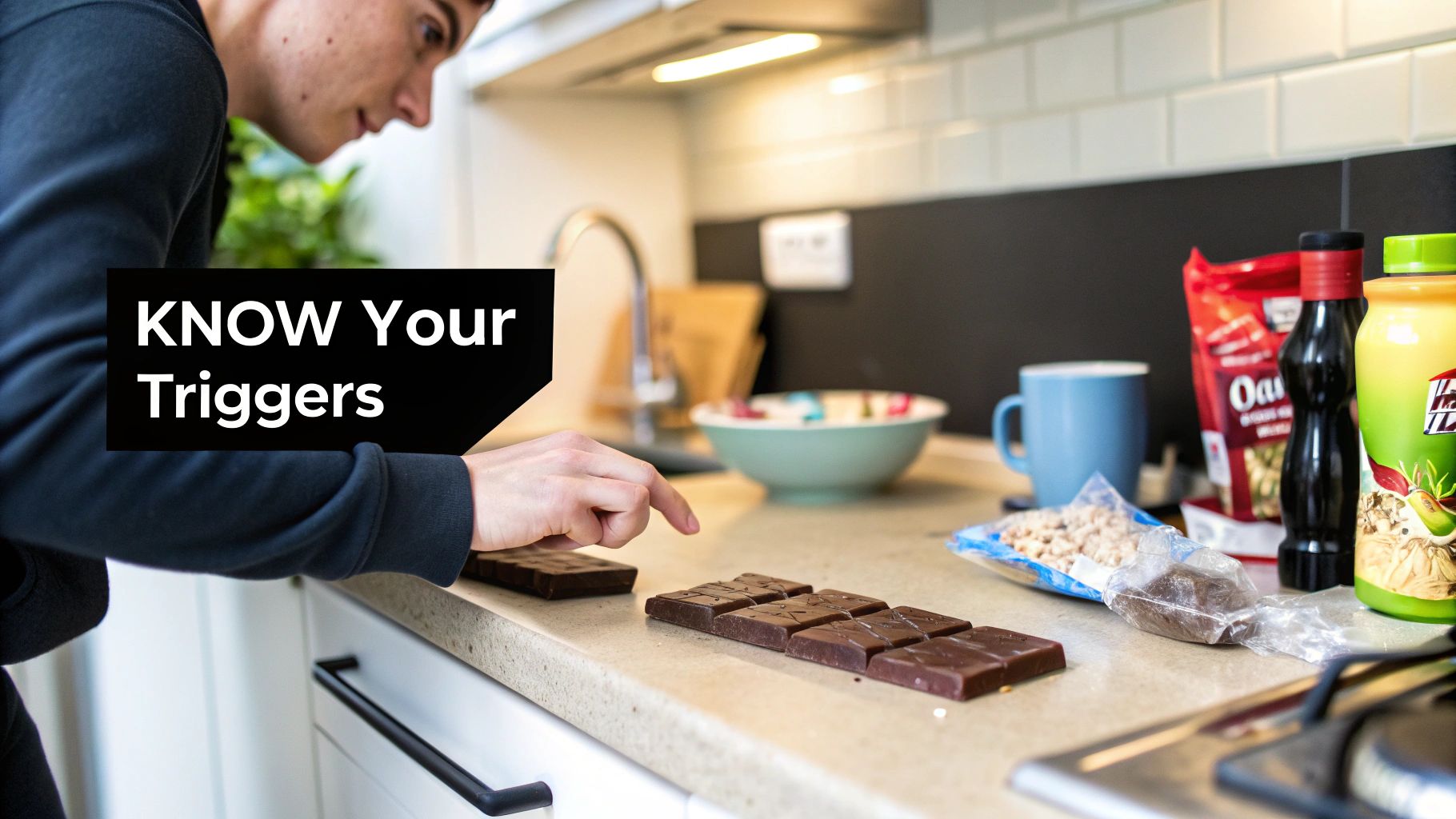
Becoming aware of these personal patterns is the first, most critical step. You can start by simply paying attention to what you eat and, more importantly, why you're eating it. A great way to empower yourself is to learn how to read nutrition labels so you can understand what's really in the foods that set off your urges. This knowledge helps you make more informed choices, breaking the cycle before it even starts. When you recognise these triggers, you can finally begin to separate your emotional needs from your physical ones.
Building a Craving-Proof Diet
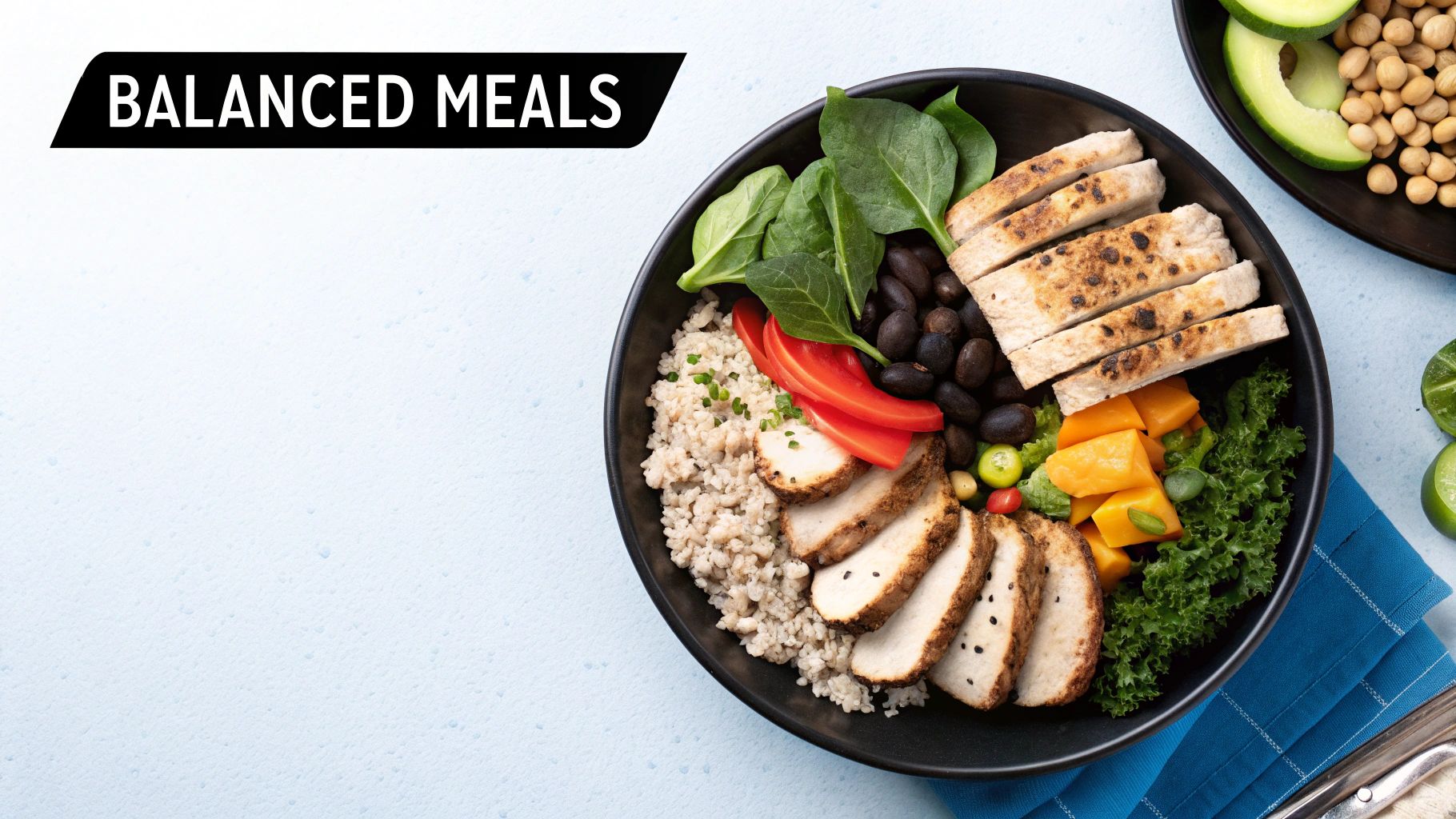
What you eat all day long has a massive impact on your ability to fend off those late-afternoon or evening cravings. Think of your diet as your first line of defence. A weak foundation will always crumble under pressure, but a strong one gives you the stability to ride out those urges.
The real secret is building balanced meals that prevent the blood sugar rollercoaster—that all-too-familiar spike and crash that sends you scrambling for sugar and refined carbs. It’s not about restriction. It’s about arming your body with the right fuel to stay satisfied, energised, and in control.
This proactive approach is more important than ever. Predictions from CSIRO paint a pretty concerning picture for Aussie eating habits, suggesting that poor diet control will lead to a sharp rise in unhealthy food consumption by 2030. The study projects that discretionary food (the treat stuff) consumption will jump by 18%, while fruit intake is set to fall by nearly 10%.
The Power Trio: Protein, Fibre, and Healthy Fats
To really get a handle on food cravings, every meal should be built around a combination of protein, fibre, and healthy fats. This trio is your secret weapon. They work together to slow down digestion, keeping you feeling full and your energy levels steady for hours.
Ever notice how a simple piece of toast for breakfast leaves you ravenous by 10 am? That’s because it digests quickly, leading to that mid-morning energy dip and a powerful craving for a quick fix, like a biscuit or a sugary coffee.
The goal here is satiety. A truly satisfying meal sends signals to your brain that you're properly nourished, which effectively turns down the volume on all that "food noise" that drives you to snack. It makes navigating your day without constant distraction so much easier.
Instead of fighting a losing battle with willpower, you can prevent cravings from even starting with smart meal composition. A great way to put this into practice is with structured meal planning, which is key for managing cravings and promoting that feeling of fullness.
Smart Swaps and Practical Tips
You don't have to overhaul your entire life to make this work. It’s all about making small, consistent adjustments that add up over time.
Here are a few simple ideas to get you started:
- Boost Your Breakfast: Swap that plain bowl of cereal for Greek yoghurt topped with berries and a sprinkle of nuts. You get protein from the yoghurt and healthy fats from the nuts, which will keep you full for so much longer.
- Rethink Your Lunch: Instead of a basic sandwich on white bread, go for a whole-grain wrap packed with lean chicken, creamy avocado, and a big handful of salad greens for extra fibre.
- Hydrate Strategically: It’s so easy to mistake thirst for hunger. Before you reach for a snack, try drinking a large glass of water and waiting 15 minutes. You might be surprised to find the craving just disappears.
By making these simple swaps, you're actively building a craving-proof diet that works for you, not against you. To dive deeper, you can learn more about the fundamentals in our guide on what is a balanced diet. This knowledge empowers you to build meals that not only taste incredible but also give you lasting satisfaction and energy.
Smart Snacking to Keep Cravings Away
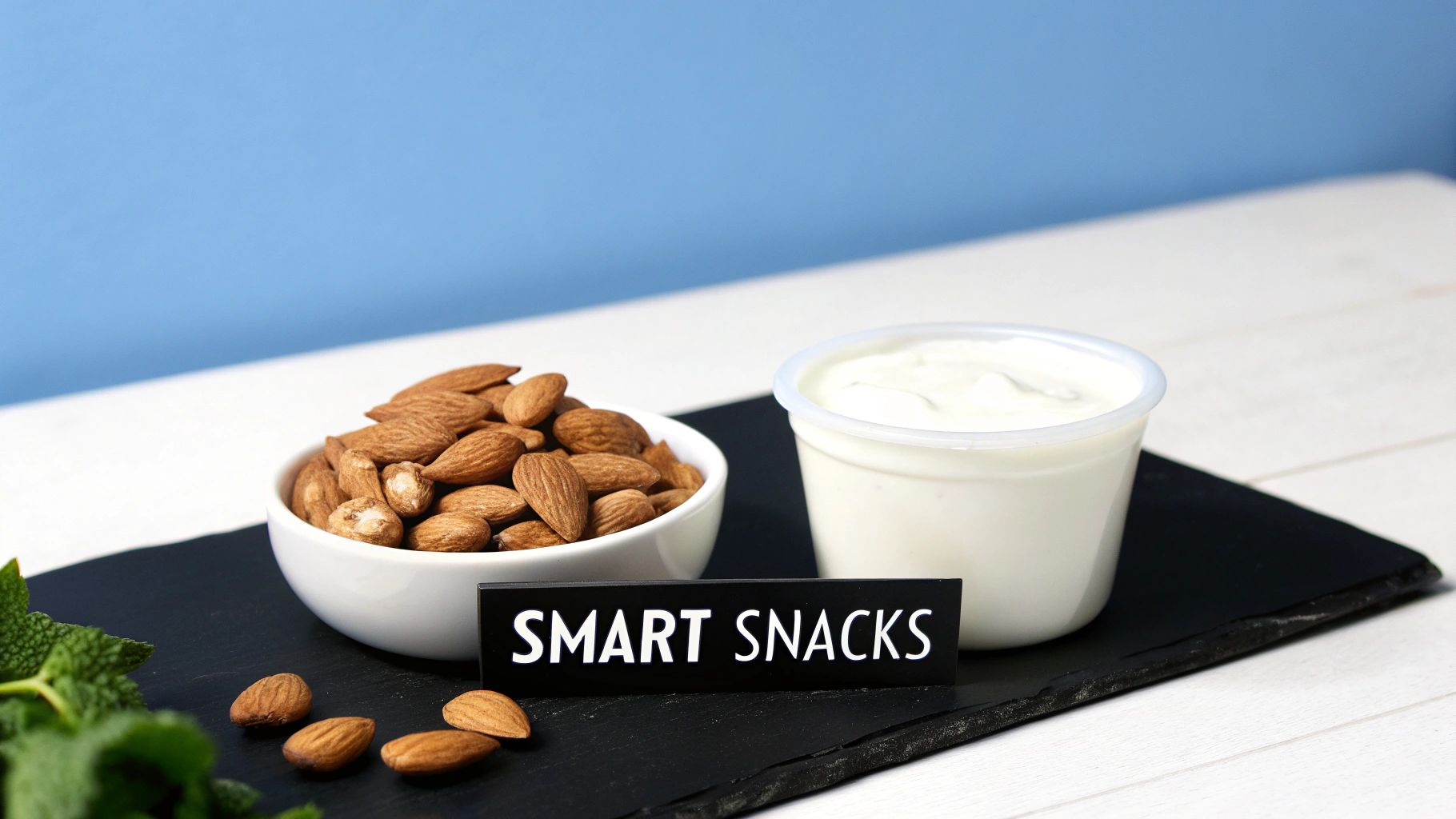
Let’s be clear: snacking isn’t the enemy. Mindless grazing is. When you do it right, snacking becomes a powerful tool to bridge the gap between meals, keep your blood sugar stable, and stop those intense food cravings before they even get a chance to take hold. It’s all about shifting your mindset from just reacting to hunger to purposefully fuelling your body.
A good snack serves a real nutritional purpose, it's not just about filling a momentary void. It provides sustained energy, which is exactly what you need to avoid that ravenous hunger that so often leads to grabbing the first thing you see. It's the difference between reaching for a biscuit from the office kitchen and enjoying a handful of almonds you thoughtfully packed earlier.
Purposeful Snacking Explained
Mindless grazing usually kicks in when we're bored, stressed out, or just not paying attention. That’s when we gravitate towards high-sugar or salty options that just leave us wanting more. Purposeful snacking, on the other hand, is a deliberate choice to nourish your body and keep your energy levels humming along.
Snacking culture is huge in Australia. Research shows that pretty much all Aussies (99%) snack regularly, but our choices are a mixed bag of health and indulgence. While 48% of us are willing to pay a bit more for healthier options, 35% admit to having daily cravings for those not-so-healthy treats. This really highlights the need for a balanced approach that satisfies both sides of the coin.
So, what makes a snack purposeful? It should have a solid mix of protein, fibre, and healthy fats. This combo is the magic ticket—it slows down digestion and helps you feel full, keeping you satisfied and focused.
The best snacks are really just mini-meals. They should be substantial enough to quieten those hunger pangs but light enough that you're still ready for your next proper meal.
Craving-Crushing Snack Ideas
One of the biggest keys to success is simply keeping healthy options within arm's reach. When a smart choice is easier to grab than an unhealthy one, you're setting yourself up to win.
Here are a few simple, satisfying ideas to get you started:
- Greek Yoghurt with Berries: A classic for a reason. You get a powerful punch of protein from the yoghurt and a dose of fibre from the berries, a combination that keeps you feeling full and happy.
- A Handful of Almonds: These are perfect for on-the-go snacking. They’re packed with healthy fats, protein, and fibre, which work together to help regulate blood sugar.
- Apple Slices with Peanut Butter: The fibre from the apple paired with the protein in the peanut butter creates a slow-releasing source of energy that really hits the spot when you're craving something sweet.
- Hard-Boiled Eggs: So simple and so good for you. One or two hard-boiled eggs deliver high-quality protein that keeps hunger locked away for hours.
- Roasted Chickpeas: Craving something crunchy and salty? Roasted chickpeas are a fantastic alternative to chips. They're high in fibre and plant-based protein, making them a savoury and filling choice.
By planning your snacks, you can take control of your appetite and dramatically reduce the chances of giving in to those impulse cravings. Making smart swaps is another huge part of the puzzle. If you often find yourself reaching for sugary treats, check out our guide on how to reduce sugar intake for more practical tips. A little bit of prep work goes a long way on your journey to stop food cravings for good.
Lifestyle Changes That Beat Cravings
Tackling food cravings is about so much more than just what’s on your plate. It’s deeply woven into how you live your life every day. By making a few powerful shifts to your lifestyle, you can build a solid defence against those sudden, intense urges for sugary or fatty foods.
It’s all about focusing on the big picture: stress, sleep, and how much you move. Get these right, and you create an internal environment that naturally quiets down all that "food noise."
These changes aren't about piling on more rules. Instead, think of it as building a strong foundation of wellbeing. This makes you far more resilient to the emotional and biological triggers that send you running for the pantry, helping you get a handle on cravings before they even start.
Prioritise Sleep and Manage Stress
Ever noticed how you crave stodgy, high-calorie foods after a bad night's sleep or during a really stressful week? There’s a scientific reason for that.
A lack of sleep messes with ghrelin (the hormone that screams "I'm hungry!") and leptin (the one that says "I'm full"), leaving you feeling absolutely ravenous. Just aiming for 7-9 hours of quality sleep a night can be one of the most powerful things you do to regulate your appetite.
Stress does a similar thing. Chronic stress floods your system with cortisol, a hormone that cranks up your desire for those energy-dense "comfort foods." Bringing in a few simple stress-management techniques can make a world of difference.
- Mindful Breathing: When a craving hits, just stop. Take five deep, slow breaths. This simple act can calm your nervous system right down and give you a moment to ask yourself if you're really hungry.
- Gentle Movement: You don't need a full workout. A quick walk around the block or a few minutes of stretching can lower cortisol levels and shift your focus away from the food.
Think of sleep and stress management as preventative maintenance for your body. When you're well-rested and calm, you're less likely to make impulsive food choices driven by fatigue or anxiety.
Move Your Body Regularly
Getting regular physical activity is a complete game-changer for craving control.
Exercise helps to stabilise your blood sugar levels, which means you can avoid those dramatic energy crashes that so often lead to a desperate hunt for sugar. It's also a fantastic mood booster, releasing endorphins that give you a natural high—often replacing the temporary comfort you might seek from food.
You don't need to live at the gym to feel the benefits. A brisk 20-minute walk is often enough to curb cravings for unhealthy snacks and make you feel more resilient overall. The real secret is to find an activity you actually enjoy, so it becomes a natural part of your routine.
Master Your Environment and Hydration
Your immediate surroundings can either be your biggest ally or your worst enemy. It’s time to set yourself up for success by having a good look at your pantry and fridge.
Make healthy, satisfying options the easy choice. Keep things like nuts, fruit, and Greek yoghurt front and centre, and move the less-than-ideal treats out of sight (or out of the house!). When a healthy option is the most convenient one, you're far more likely to grab it.
And don't forget water. So often, we mistake thirst for hunger. Before you reach for a snack, try drinking a large glass of water and just waiting 15 minutes. Understanding the basic facts about water and dehydration can be a real eye-opener, helping you learn to tune into what your body truly needs.
These lifestyle tweaks all work together, creating a powerful buffer against even the most stubborn cravings.
Handling Cravings in Social Situations
From the classic weekend barbecue with mates to the dreaded office morning tea, social events can feel like a minefield when you’re trying to get a handle on food cravings. The pressure to just go with the flow, combined with a table full of tempting treats, can make sticking to your goals feel almost impossible.
But navigating these situations is entirely possible with a bit of forward planning. It’s not about avoiding parties altogether. Instead, it’s about having a few smart, practical strategies up your sleeve so you can enjoy yourself without feeling deprived or completely derailing your progress. With the right approach, you can walk into any get-together with confidence.
Plan Ahead Before You Go
Walking into a social event unprepared is a surefire way to give in to whatever craving hits first. A little bit of planning makes a massive difference and puts you back in control.
One of the best things you can do is eat a small, healthy snack before you leave home. I’m talking about something packed with protein and fibre, like a handful of almonds or a small tub of Greek yoghurt. This simple step takes the edge off your hunger, so you’re not arriving absolutely ravenous and ready to grab the first thing you see.
Another brilliant strategy is to contribute to the spread.
- Bring a Healthy Dish: Offer to bring a big, colourful salad, a platter of fresh veggie sticks with hummus, or some tasty grilled chicken skewers.
- Guarantee a Good Option: This way, you know for sure there’s at least one nutritious and delicious option you’ll genuinely enjoy.
- Share the Health: Chances are, your friends and family will be grateful for the healthy addition too!
Navigate the Buffet and Social Pressures
Once you’re at the event, it’s all about making mindful choices. When you’re faced with a buffet table, take a moment. Scan all the options before you put a single thing on your plate. This stops you from just mindlessly piling on the first few things you come across.
Try to fill most of your plate with salads and lean proteins first. Then, leave just a small amount of space for any of those richer, more indulgent items you really want to try. You get to taste everything without overdoing it. It also helps to physically position yourself away from the food table to avoid that unconscious grazing while you chat.
It’s also worth acknowledging the bigger picture. External pressures can seriously shape our food choices. For instance, food insecurity is a significant issue in Australia, affecting around 13.2% of households in 2023. This often leads to increased cravings for affordable, energy-dense foods. In fact, these discretionary items contribute to 38.5% of daily energy intake for many Australians. Understanding these broader pressures can help you be a bit more compassionate with yourself. You can learn more from the official findings on Australian food and nutrition.
Politely declining food is a skill worth learning. A simple, "No thanks, I'm fine for now" or "Everything looks amazing, but I'm saving myself for a bit later" is usually all you need. You don't owe anyone a long explanation.
Finally, remember the real reason you’re there: to connect with people. Dive into the conversations, enjoy the company, and make the social interaction—not the food—the centre of your experience. This simple shift in mindset can be incredibly powerful in your journey to stop food cravings for good.
Answering Your Questions About Food Cravings
Even when you've got a solid plan to tackle food cravings, questions are bound to pop up. It’s completely normal. Understanding the little details can be the difference between feeling frustrated and feeling totally in control.
Let's dive into some of the most common questions we hear. Getting to the bottom of these helps you fine-tune your approach, building a personal toolkit of strategies that work for you. It's not about finding a magic bullet, but about staying consistent and being kind to yourself as you build healthier habits.
How Long Does It Take for Food Cravings to Go Away?
There’s no one-size-fits-all answer here, as it really depends on what’s driving the craving in the first place.
If your urges are tied to something physical, like unstable blood sugar, you could notice a huge improvement within just a few days of making dietary changes. Simply adding more protein and fibre to your meals can work wonders.
However, cravings that are deeply wired into your habits or emotions can take a bit longer to shift. Think about it—these are learned responses your brain has practised for years. Overcoming them requires weeks of consistent, mindful effort to essentially forge new pathways in your brain. The key is to focus on steady progress, not overnight perfection. Just be patient as your body and mind adjust.
Are Healthy Snacks Really Better for Stopping Cravings?
Yes, but only if you choose the right kind of healthy snack. It’s a crucial distinction.
Many snacks marketed as "healthy," like certain muesli bars or dried fruit mixes, are often loaded with hidden sugars. These can send your blood sugar on a rollercoaster, making cravings even worse a short while later.
The most effective snacks for keeping cravings at bay are ones high in protein, fibre, and healthy fats. We’re talking about things like a handful of almonds, an apple with a spoonful of peanut butter, or a small tub of Greek yoghurt. These foods help stabilise your blood sugar and keep you feeling full and satisfied for longer. Always try to reach for whole-food options over processed snacks to really get a handle on your hunger.
Your goal with a snack is to achieve lasting satisfaction, not a temporary sugar rush. A well-chosen snack sends a signal to your brain that you're nourished, effectively turning down the volume on cravings until your next meal.
Can I Still Eat My Favourite Foods Without Triggering More Cravings?
Absolutely. In fact, you should! The goal is never total deprivation—that almost always backfires, making cravings more intense and often leading to a blowout.
A much more sustainable approach is to practise mindful indulgence. This just means you consciously plan to enjoy a small, satisfying portion of your favourite treat in a controlled way.
For example, instead of mindlessly eating chocolate straight from the block while watching TV, serve yourself a few squares on a plate. Sit down, and truly savour it without any guilt. This simple act breaks that restrictive, all-or-nothing cycle. It helps you integrate the foods you love into a balanced lifestyle, proving that you are in control—not the craving. This is how you build a healthier, more positive relationship with food for the long haul.
At Absolute Cravings, we believe healthy food should be delicious and satisfying. Explore our menu of fresh juices, wholesome meals, and nutritious smoothies designed to crush your cravings the right way. Visit us in Townsville or check out our delivery options at https://www.absolutecravings.com.au.